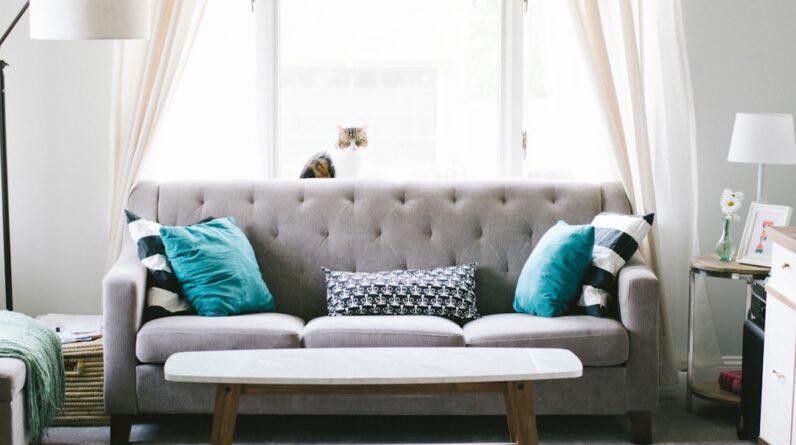
When you bring a pet into your home, you take on the responsibility of understanding their unique needs. Each animal has its own personality, preferences, and requirements that must be considered to ensure their well-being. For instance, dogs often require ample space to move around and play, while cats may prefer cozy nooks where they can curl up and observe their surroundings.
By taking the time to observe your pet’s behavior, you can gain valuable insights into what makes them feel comfortable and secure in your living space. Moreover, understanding your pet’s needs goes beyond just physical space. It also involves recognizing their emotional and social requirements.
Pets thrive on companionship and interaction, so creating an environment that fosters bonding is essential. This might mean setting aside time for play or providing them with toys that stimulate their minds. By prioritizing your pet’s needs, you not only enhance their quality of life but also strengthen the bond you share with them.
Key Takeaways
- Understanding your pet’s needs is crucial for creating a pet-friendly home environment.
- Choose materials and fabrics that are durable, easy to clean, and pet-friendly.
- Incorporate functional pet spaces such as designated feeding and sleeping areas.
- Create a stylish and cohesive design that complements your pet-friendly lifestyle.
- Maintain cleanliness and hygiene by regularly cleaning and grooming your pet and their living spaces.
Choosing Pet-Friendly Materials and Fabrics
Selecting the right materials and fabrics for your home is crucial when you have pets. You want to choose options that are durable, easy to clean, and resistant to wear and tear. For instance, leather and microfiber are excellent choices for upholstery because they can withstand scratches and are relatively easy to wipe clean.
Additionally, opting for darker colors or patterns can help camouflage any pet hair or stains that may occur over time. In addition to furniture, consider the flooring in your home. Hard surfaces like tile or laminate are often more practical than carpet, as they are easier to maintain and less likely to trap odors or stains.
If you prefer the warmth of carpet, look for low-pile options that are stain-resistant and designed for high-traffic areas. By being mindful of the materials you choose, you can create a home that is both stylish and functional for you and your furry friends.
Incorporating Functional Pet Spaces

Creating designated spaces for your pets within your home can significantly enhance their comfort and happiness. Think about incorporating a cozy corner with a pet bed or a designated area for feeding. This not only gives your pet a sense of ownership over their space but also helps keep your home organized.
You might even consider building a small nook under the stairs or in a quiet corner where your pet can retreat when they need some alone time. Additionally, functional pet spaces can include storage solutions for toys, leashes, and other pet-related items. A stylish basket or a dedicated shelf can keep these items organized and easily accessible while maintaining the aesthetic of your home.
By thoughtfully integrating these spaces into your design, you create an environment that caters to both your needs and those of your pets.
Creating a Stylish and Cohesive Design
Designing a home that accommodates both your style and your pets can be a rewarding challenge. You want to create a cohesive look that reflects your personality while ensuring it remains functional for your furry companions. Start by selecting a color palette that complements both your decor and the natural colors of your pets.
This way, any shedding or mess will blend in rather than stand out. Incorporating pet-friendly furniture that aligns with your design aesthetic is another way to achieve this balance. For example, if you prefer a modern look, consider sleek furniture with clean lines that also offers durability.
You can find stylish pet beds that match your decor or decorative storage solutions for pet supplies that enhance the overall design of your space. By being intentional about how you integrate pet-friendly elements into your home, you can create an environment that is both beautiful and practical.
Maintaining Cleanliness and Hygiene
Keeping your home clean and hygienic is essential when you have pets. Regular grooming is one of the most effective ways to minimize shedding and dander in your living space. Establishing a routine for brushing your pet not only helps keep their coat healthy but also reduces the amount of hair that ends up on your furniture and floors.
Additionally, investing in high-quality vacuum cleaners designed specifically for pet owners can make a significant difference in maintaining cleanliness. Beyond grooming, it’s important to establish a cleaning schedule that includes regular washing of pet bedding, toys, and any other items they frequently use. This not only helps eliminate odors but also reduces the risk of allergens accumulating in your home.
By prioritizing cleanliness and hygiene, you create a healthier environment for both you and your pets.
Balancing Comfort and Style

Cozy Accents for Comfort
Consider investing in plush rugs or soft throws that add warmth to your decor while providing comfort for your furry friends. These elements can create cozy spots where pets can lounge without compromising the overall aesthetic of your home.
Furniture Placement for Togetherness
Think about how furniture placement can enhance comfort for both you and your pets. Arranging seating areas to allow for easy interaction with your pets can foster a sense of togetherness. For example, placing a pet bed near your favorite chair allows them to be close while still having their own space. By thoughtfully considering comfort alongside style, you create an inviting atmosphere that everyone in the household can enjoy.
Incorporating Pet-Friendly Decor and Accessories
Decorating with pets in mind doesn’t mean sacrificing style; instead, it opens up new avenues for creativity. You can find an array of pet-friendly decor items that not only serve a purpose but also enhance the visual appeal of your home. For instance, decorative bowls for food and water can be both functional and stylish, adding an element of design to your space.
Artwork featuring animals or nature themes can also tie into your pet-friendly decor while reflecting your personal style. Consider displaying framed photos of your pets or incorporating pet-themed sculptures into your design scheme. These touches not only celebrate your love for animals but also create a warm and inviting atmosphere that welcomes both guests and furry family members alike.
Considering Safety and Accessibility for Pets
Safety should always be a top priority when designing a home with pets in mind. This means being mindful of potential hazards such as toxic plants, sharp edges on furniture, or small items that could be swallowed. Take the time to assess each room in your home from a pet’s perspective; this will help you identify any areas that may pose risks.
Accessibility is another important factor to consider. Ensure that your pets can easily navigate through the space without obstacles hindering their movement. If you have older pets or those with mobility issues, consider adding ramps or non-slip mats to help them get around comfortably.
By prioritizing safety and accessibility in your design choices, you create an environment where both you and your pets can thrive together. In conclusion, creating a pet-friendly home involves understanding the needs of your furry companions while balancing style and functionality. By choosing appropriate materials, incorporating designated spaces, maintaining cleanliness, and considering safety, you can design a living environment that caters to both you and your pets’ needs.
With thoughtful planning and creativity, you can achieve a harmonious blend of comfort and aesthetics that enhances the quality of life for everyone in your household.
FAQs
What are the key design principles for creating a comfortable and stylish pet-friendly contemporary home?
The key design principles for creating a comfortable and stylish pet-friendly contemporary home include incorporating durable and easy-to-clean materials, creating designated pet areas, and choosing pet-friendly furniture and accessories.
What are some durable and easy-to-clean materials that can be used in a pet-friendly contemporary home?
Some durable and easy-to-clean materials that can be used in a pet-friendly contemporary home include stain-resistant fabrics, scratch-resistant flooring such as hardwood or laminate, and washable rugs and pet beds.
How can designated pet areas be incorporated into a pet-friendly contemporary home?
Designated pet areas can be incorporated into a pet-friendly contemporary home by creating built-in pet beds or crates, incorporating pet-friendly feeding and watering stations, and designating a specific area for pet toys and accessories.
What are some examples of pet-friendly furniture and accessories for a contemporary home?
Examples of pet-friendly furniture and accessories for a contemporary home include pet-friendly sofas and chairs with removable and washable covers, stylish pet beds that complement the home’s decor, and decorative storage solutions for pet toys and supplies.
How can a pet-friendly contemporary home still maintain a stylish and cohesive design aesthetic?
A pet-friendly contemporary home can maintain a stylish and cohesive design aesthetic by choosing pet-friendly materials and furniture that complement the overall design scheme, incorporating pet accessories that blend seamlessly with the decor, and utilizing smart storage solutions to keep pet items organized and out of sight when not in use.