In recent years, the world of interior design has witnessed a significant shift towards sustainability, with upcycled and repurposed materials taking center stage. As you navigate through the myriad of design options available today, you may find yourself drawn to the unique charm and character that these materials bring to a space. Upcycling involves transforming discarded items into something new and functional, while repurposing refers to giving a new life to materials or objects without altering their original form significantly.
This movement not only promotes environmental responsibility but also encourages creativity and individuality in your home. As you explore the possibilities of incorporating upcycled and repurposed materials into your interior design, you will discover that these elements can add depth and personality to your living spaces. Each piece tells a story, reflecting a history that can spark conversations and inspire connections.
By embracing these materials, you are not only making a statement about your design choices but also contributing to a more sustainable future. The journey of integrating these unique items into your home can be both rewarding and fulfilling, allowing you to express your style while being mindful of the planet.
Key Takeaways
- Upcycled and repurposed materials offer sustainable and unique options for interior design.
- Upcycled furniture and decor can add character and charm to any space.
- Repurposed architectural elements can bring history and interest to a room.
- Upcycled lighting fixtures provide creative and eco-friendly lighting solutions.
- Repurposed textiles and fabrics offer a way to add texture and personality to a room.
Upcycled Furniture and Decor
When it comes to upcycled furniture, the options are virtually limitless. Imagine transforming an old wooden pallet into a stylish coffee table or giving a vintage dresser a fresh coat of paint and new hardware to create a stunning focal point in your bedroom. As you delve into the world of upcycled furniture, you will find that each piece carries its own history, adding character and warmth to your home.
The beauty of upcycling lies in its ability to breathe new life into items that might otherwise end up in a landfill, allowing you to create a space that is both eco-friendly and uniquely yours. In addition to furniture, upcycled decor can enhance your interior design in unexpected ways. Consider using reclaimed wood to create wall art or turning glass jars into charming candle holders.
These small touches can make a significant impact on the overall aesthetic of your space. As you experiment with different upcycled decor ideas, you will likely find that the process ignites your creativity, encouraging you to think outside the box and explore new design possibilities. By incorporating these elements into your home, you not only showcase your personal style but also contribute to a more sustainable approach to interior design.
Repurposed Architectural Elements
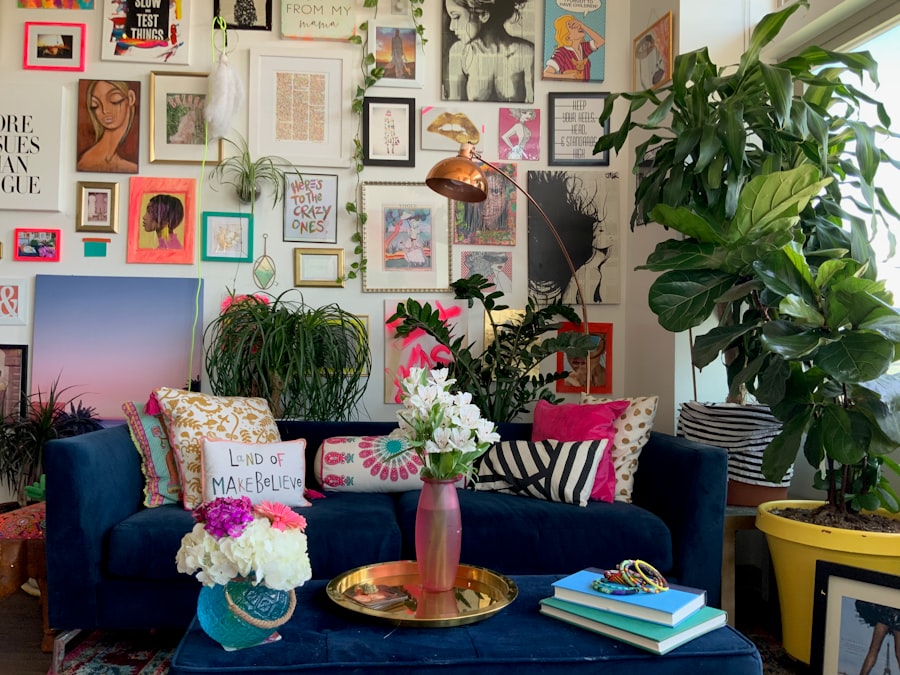
Repurposed architectural elements can serve as striking focal points in your home, adding a sense of history and character that is hard to replicate with new materials. Imagine incorporating reclaimed doors as sliding barn doors or using vintage windows as room dividers. These elements not only enhance the visual appeal of your space but also tell a story of their own, connecting your home to a broader narrative of craftsmanship and tradition.
As you consider how to integrate these architectural features into your design, think about how they can complement your existing decor while adding a touch of uniqueness. In addition to doors and windows, other architectural elements such as beams, moldings, and even staircases can be repurposed to create stunning design statements. For instance, exposed wooden beams can add warmth and texture to an otherwise modern space, while vintage moldings can provide an elegant touch to a room.
As you explore the potential of these repurposed elements, you may find that they inspire you to rethink the layout and functionality of your home. By incorporating these distinctive features, you not only enhance the aesthetic appeal of your space but also create an environment that feels rich in history and character.
Upcycled Lighting Fixtures
Lighting plays a crucial role in setting the mood and ambiance of any space, and upcycled lighting fixtures can add a unique flair that elevates your interior design. From pendant lights made from repurposed materials like wine bottles or mason jars to chandeliers crafted from reclaimed wood or metal, the possibilities are endless. As you explore different upcycled lighting options, consider how each piece can enhance the overall aesthetic of your home while providing functional illumination.
In addition to being visually appealing, upcycled lighting fixtures often come with a story that adds depth to your design narrative. For example, a pendant light made from an old bicycle wheel not only serves as a conversation starter but also reflects your commitment to sustainability. As you incorporate these distinctive lighting options into your home, you will find that they not only brighten your space but also infuse it with personality and charm.
By choosing upcycled lighting fixtures, you are making a conscious choice to support sustainable practices while creating an inviting atmosphere in your home.
Repurposed Textiles and Fabrics
Textiles play an essential role in interior design, providing warmth, texture, and color to any space. Repurposed textiles offer an opportunity to infuse your home with unique patterns and stories while promoting sustainability. Consider using vintage fabrics to create throw pillows or reupholstering an old chair with a vibrant print that reflects your personal style.
As you explore the world of repurposed textiles, you will discover that each piece has its own history, adding depth and character to your decor. In addition to pillows and upholstery, repurposed textiles can be used in various creative ways throughout your home. For instance, old quilts can be transformed into wall hangings or table runners, while remnants of fabric can be sewn together to create one-of-a-kind curtains or tablecloths.
As you experiment with different textile combinations, you will find that the process allows for endless creativity and personalization. By incorporating repurposed fabrics into your interior design, you not only enhance the visual appeal of your space but also contribute to a more sustainable approach to home decor.
Upcycled Art and Accessories
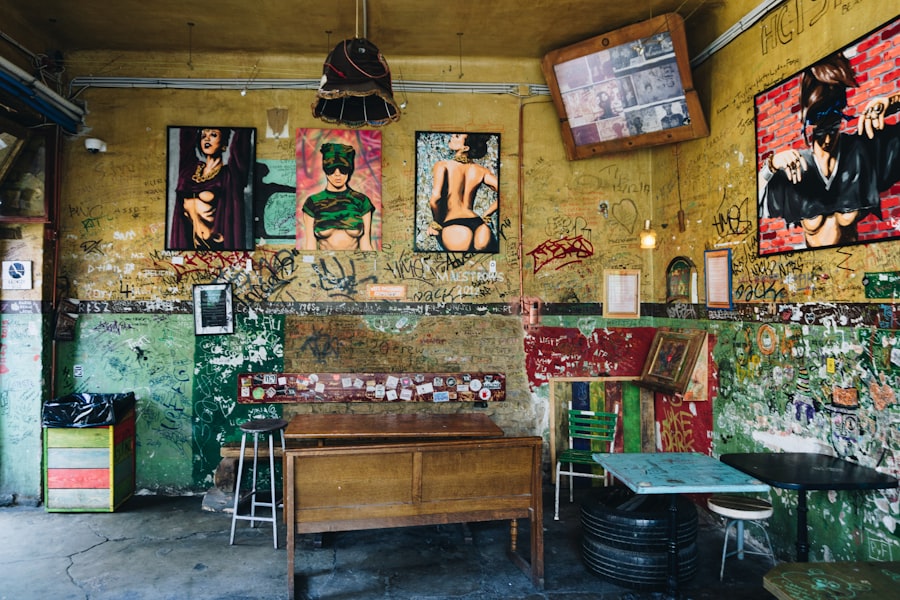
Art is an essential component of interior design, providing an opportunity for self-expression and creativity. Upcycled art offers a unique way to incorporate sustainable practices into your home while showcasing your artistic flair. From sculptures made from discarded materials to paintings created on reclaimed wood or canvas, upcycled art pieces can serve as stunning focal points in any room.
As you explore different upcycled art options, consider how each piece resonates with your personal style and complements your overall design aesthetic. In addition to larger art pieces, upcycled accessories can add charm and character to your home decor. Think about using vintage buttons or broken jewelry to create unique wall art or turning old books into decorative accents on shelves or coffee tables.
These small touches can make a significant impact on the overall feel of your space, allowing you to express your creativity while promoting sustainability. By incorporating upcycled art and accessories into your home, you not only enhance its visual appeal but also create an environment that reflects your values and commitment to eco-friendly practices.
Incorporating Salvaged Materials into DIY Projects
One of the most rewarding aspects of working with upcycled and repurposed materials is the opportunity for DIY projects that allow you to unleash your creativity. Salvaged materials can be transformed into functional items or decorative pieces that reflect your personal style while promoting sustainability. Whether you’re building furniture from reclaimed wood or creating wall art from old doors or windows, the possibilities are endless when it comes to DIY projects using salvaged materials.
As you embark on these DIY endeavors, consider how each project can enhance your living space while showcasing your unique aesthetic. For example, creating a coffee table from an old door not only provides a functional piece but also serves as a conversation starter for guests. Additionally, DIY projects allow for customization; you can choose colors, finishes, and designs that align with your vision for your home.
By incorporating salvaged materials into your DIY projects, you not only create one-of-a-kind pieces but also contribute to a more sustainable approach to interior design.
Conclusion and Tips for Incorporating Upcycled and Repurposed Materials into Interior Design
As you reflect on the journey of incorporating upcycled and repurposed materials into your interior design, it’s essential to remember that this approach is not just about aesthetics; it’s about making conscious choices that benefit both your home and the environment. By embracing these materials, you are creating spaces that are rich in character while promoting sustainability. To successfully integrate upcycled and repurposed elements into your home, consider starting small—perhaps with a few decorative accents or DIY projects—and gradually expand as you become more comfortable with the process.
When selecting upcycled or repurposed materials for your home, keep an open mind and be willing to explore various sources such as thrift stores, flea markets, or online marketplaces dedicated to sustainable goods. Each piece has its own story waiting to be told; by choosing items that resonate with you personally, you’ll create a space that feels authentic and inviting. Remember that the beauty of upcycling lies in its imperfections; embrace the uniqueness of each item as it contributes to the overall charm of your home.
In conclusion, incorporating upcycled and repurposed materials into your interior design is not only a creative endeavor but also a meaningful way to contribute to sustainability efforts. By exploring various options—from furniture and decor to textiles and art—you can create a living space that reflects your personal style while promoting eco-friendly practices. As you embark on this journey, let your creativity shine through as you transform discarded items into beautiful additions for your home.
FAQs
What is upcycling and repurposing in interior design?
Upcycling and repurposing in interior design involves taking old or discarded materials and transforming them into new, functional or decorative items for use in interior spaces. This sustainable approach aims to reduce waste and environmental impact while adding unique and creative elements to the design.
What are some examples of upcycled and repurposed materials in interior design?
Examples of upcycled and repurposed materials in interior design include reclaimed wood for furniture and accent walls, vintage textiles for upholstery and decor, salvaged architectural elements for decorative features, and repurposed industrial items for lighting and fixtures.
How can upcycled and repurposed materials be incorporated into contemporary interior design?
Upcycled and repurposed materials can be incorporated into contemporary interior design through various methods such as creating custom furniture pieces from reclaimed materials, using salvaged items as unique decor accents, integrating vintage textiles into upholstery and soft furnishings, and repurposing industrial or architectural elements as statement pieces.
What are the benefits of incorporating upcycled and repurposed materials into interior design?
Incorporating upcycled and repurposed materials into interior design offers several benefits, including reducing waste and environmental impact, adding unique and one-of-a-kind elements to the design, supporting sustainable practices, and contributing to a more eclectic and personalized aesthetic in the space.