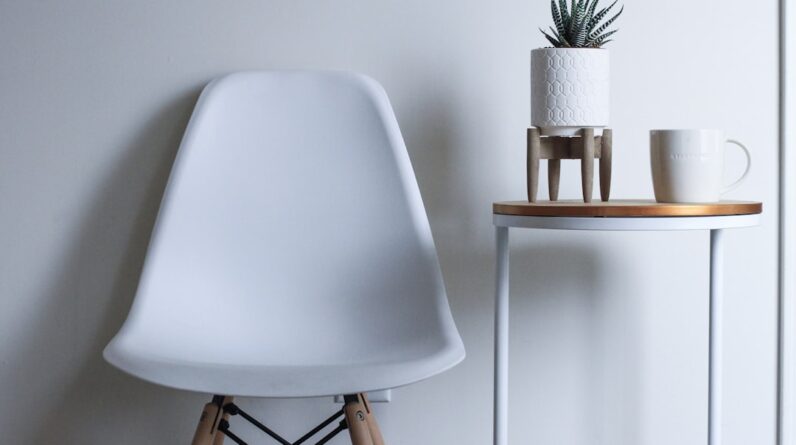
When faced with limited space, the challenge becomes how to make the most of every square inch. You might find yourself in a small apartment, a compact office, or even a cozy kitchen, and the key to maximizing that space lies in strategic planning and creative thinking. Start by assessing your needs and identifying what is essential for your daily activities.
This will help you prioritize which items or areas require more attention and which can be minimized or eliminated altogether. By focusing on functionality, you can create an environment that feels open and inviting, rather than cramped and cluttered. One effective way to maximize limited space is through the use of multi-functional furniture.
Consider investing in pieces that serve more than one purpose, such as a sofa bed or an ottoman with storage inside. These items not only save space but also add versatility to your living area. Additionally, think vertically; wall-mounted shelves and hooks can free up floor space while providing ample storage for books, decor, or everyday items.
By utilizing every available surface and thinking outside the box, you can transform even the smallest of spaces into a functional and stylish haven.
Key Takeaways
- Utilize vertical space and multifunctional furniture to maximize limited space in a small bathroom
- Choose moisture-resistant and durable materials such as porcelain, ceramic, and quartz for long-lasting bathroom fixtures
- Balance functionality with aesthetics by incorporating sleek storage solutions and minimalist design elements
- Incorporate built-in storage solutions such as recessed shelves and vanity cabinets to keep the bathroom clutter-free
- Consider plumbing and electrical considerations when planning the layout and placement of fixtures in the bathroom
- Ensure proper ventilation with a combination of natural light, exhaust fans, and windows to prevent mold and mildew growth
- Select fixtures and fittings that are both stylish and practical, such as wall-mounted toilets and space-saving sink designs
- Incorporate accessibility features such as grab bars and walk-in showers for a bathroom that is safe and convenient for all users
Choosing the Right Materials
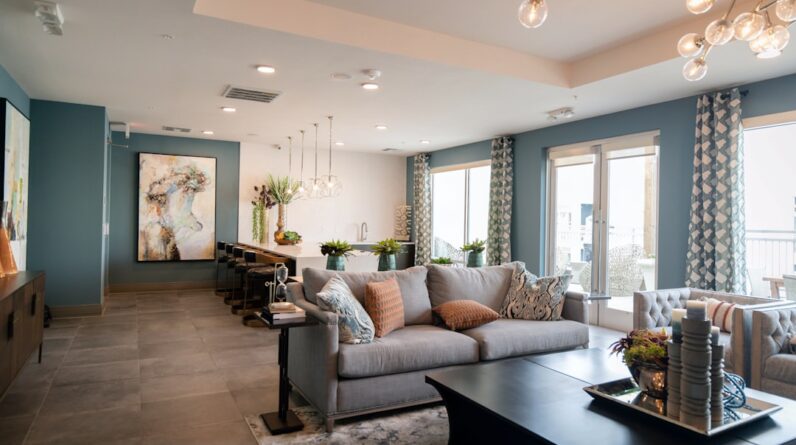
Selecting the right materials is crucial when designing any space, especially when working with limited dimensions. You want to choose materials that not only fit your aesthetic preferences but also enhance the functionality of the area. For instance, lighter colors can create an illusion of spaciousness, making a room feel larger than it actually is.
Opting for materials like glass or mirrors can also reflect light and contribute to a more open atmosphere. When you choose wisely, you can significantly impact how the space feels and functions. Durability is another important factor to consider when selecting materials.
In smaller spaces, wear and tear can become more apparent due to frequent use. Therefore, investing in high-quality materials that can withstand daily activities is essential. Look for options that are easy to clean and maintain, as this will save you time and effort in the long run.
By carefully considering both aesthetics and practicality, you can create a cohesive design that stands the test of time while still looking fresh and inviting.
Balancing Functionality and Aesthetics
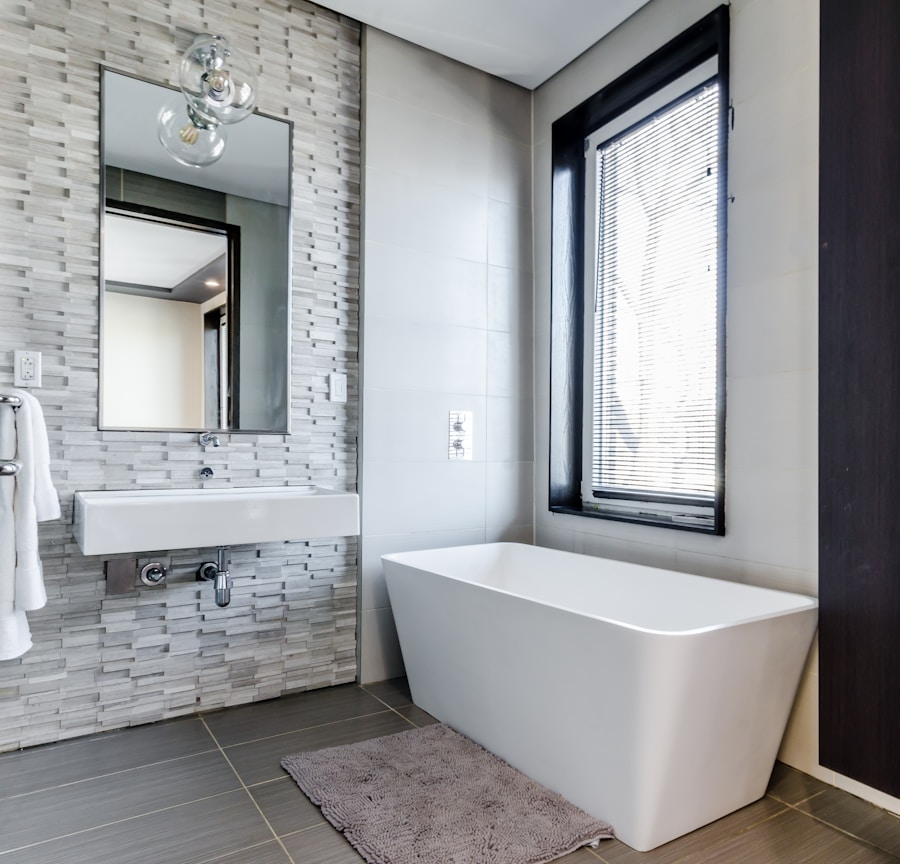
Striking a balance between functionality and aesthetics is a delicate dance that requires thoughtful consideration. You want your space to be visually appealing while also serving its intended purpose effectively. Begin by identifying the primary functions of the area you are designing.
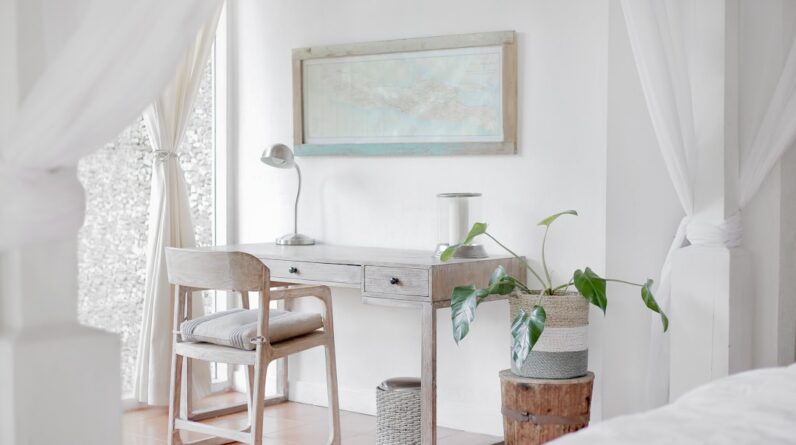
For example, if it’s a home office, you’ll need a comfortable chair, a sturdy desk, and adequate lighting. However, this doesn’t mean you have to sacrifice style; choose furniture that complements your design vision while still meeting your practical needs. Incorporating decorative elements can enhance the overall aesthetic without compromising functionality.
Think about adding artwork or decorative storage solutions that blend seamlessly with your design theme. Plants can also bring life to a space while improving air quality. By thoughtfully integrating these elements, you can create an environment that is not only functional but also reflects your personal style.
Remember, the goal is to create a harmonious space where every item serves a purpose while contributing to the overall beauty of the area.
Incorporating Storage Solutions
Storage solutions are essential in any design project, particularly when dealing with limited space. You may find yourself overwhelmed by clutter if you don’t have adequate storage options in place. Start by evaluating what items you need to store and how often you use them.
This will help you determine the best storage solutions for your needs. For instance, frequently used items should be easily accessible, while seasonal or rarely used items can be stored in less accessible areas. Consider creative storage solutions that blend seamlessly into your design.
Built-in shelves or cabinets can provide ample storage without taking up too much floor space. Under-bed storage containers or furniture with hidden compartments can also maximize your available space effectively. Additionally, using decorative baskets or bins can help keep items organized while adding a touch of style to your decor.
By incorporating smart storage solutions, you can maintain a tidy environment that feels spacious and inviting.
Addressing Plumbing and Electrical Considerations
When designing a space, it’s crucial to address plumbing and electrical considerations early in the process. These elements can significantly impact your design choices and overall functionality. If you’re renovating a kitchen or bathroom, for example, understanding the existing plumbing layout will help you determine where fixtures can be placed most effectively.
You may need to consult with professionals to ensure that any changes comply with local building codes and regulations. Electrical considerations are equally important; adequate lighting is essential for both functionality and ambiance. Think about how natural light enters the space and consider adding additional light sources where necessary.
Recessed lighting or wall sconces can provide illumination without taking up valuable floor space. Additionally, ensure that there are enough outlets for your needs, especially in areas where technology plays a significant role, such as home offices or entertainment centers. By addressing these considerations upfront, you can create a well-designed space that meets all your practical needs.
Ensuring Proper Ventilation

Proper ventilation is often overlooked but is vital for maintaining a healthy living environment. In smaller spaces, poor air circulation can lead to issues such as mold growth or unpleasant odors. To ensure adequate ventilation, consider incorporating windows that open or installing exhaust fans in areas like kitchens and bathrooms where moisture tends to accumulate.
This will help improve air quality and create a more comfortable atmosphere. In addition to mechanical ventilation solutions, consider natural ventilation strategies as well. Positioning furniture away from air vents or windows allows for better airflow throughout the room.
You might also explore using air-purifying plants that not only enhance aesthetics but also contribute to cleaner air. By prioritizing ventilation in your design process, you can create a healthier living environment that feels fresh and inviting.
Selecting the Right Fixtures and Fittings
The fixtures and fittings you choose play a significant role in defining the overall look and feel of your space. When selecting these elements, consider both style and functionality. For example, in a bathroom setting, opt for faucets that are not only visually appealing but also easy to use and maintain.
Similarly, lighting fixtures should complement your design theme while providing adequate illumination for various tasks. Don’t underestimate the impact of small details; even minor fixtures like cabinet handles or light switches can influence the overall aesthetic of your space. Choose finishes that harmonize with your color palette and design style for a cohesive look.
Additionally, consider energy-efficient options for lighting and appliances to reduce your environmental footprint while saving on utility bills. By carefully selecting fixtures and fittings that align with both your practical needs and design vision, you can elevate your space significantly.
Incorporating Accessibility Features
Incorporating accessibility features into your design is essential for creating an inclusive environment that accommodates everyone’s needs. Whether you’re designing a home or a public space, consider how individuals with varying abilities will navigate through the area. Start by ensuring that doorways are wide enough for wheelchair access and that hallways are free from obstructions.
Additionally, think about incorporating features such as grab bars in bathrooms or lever-style door handles that are easier to operate for individuals with limited hand strength. Non-slip flooring is another important consideration for safety, particularly in areas prone to moisture like kitchens and bathrooms. By prioritizing accessibility in your design process, you not only enhance usability but also create a welcoming atmosphere for all individuals who enter the space.
In conclusion, designing a functional yet aesthetically pleasing space requires careful consideration of various factors ranging from maximizing limited space to incorporating accessibility features. By thoughtfully addressing each aspect of your design process, you can create an environment that meets both practical needs and personal style preferences while ensuring comfort and usability for everyone involved.
FAQs
What are the common challenges in designing a functional and stylish bathroom?
Some common challenges in designing a functional and stylish bathroom include limited space, awkward layouts, plumbing constraints, and finding the right balance between functionality and aesthetics.
What are the solutions for limited space in a bathroom design?
Some solutions for limited space in a bathroom design include utilizing wall-mounted storage, choosing space-saving fixtures and fittings, using mirrors to create the illusion of space, and opting for a minimalist design to reduce clutter.
How can awkward layouts be addressed in bathroom design?
Awkward layouts in bathroom design can be addressed by reconfiguring the layout to optimize space, using custom-built storage solutions to fit the space, and incorporating clever design elements to make the most of the available area.
What are some considerations for addressing plumbing constraints in bathroom design?
Considerations for addressing plumbing constraints in bathroom design include working with a professional plumber to find creative solutions, choosing fixtures and fittings that can be easily installed within the existing plumbing system, and considering the placement of plumbing lines when designing the layout.
How can functionality and aesthetics be balanced in bathroom design?
Functionality and aesthetics can be balanced in bathroom design by prioritizing essential features and storage, choosing durable and easy-to-maintain materials, incorporating stylish design elements that also serve a practical purpose, and ensuring that the layout allows for smooth and efficient use of the space.