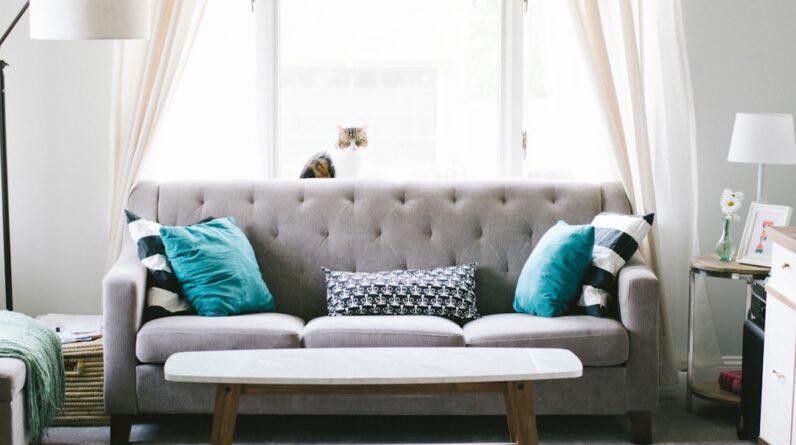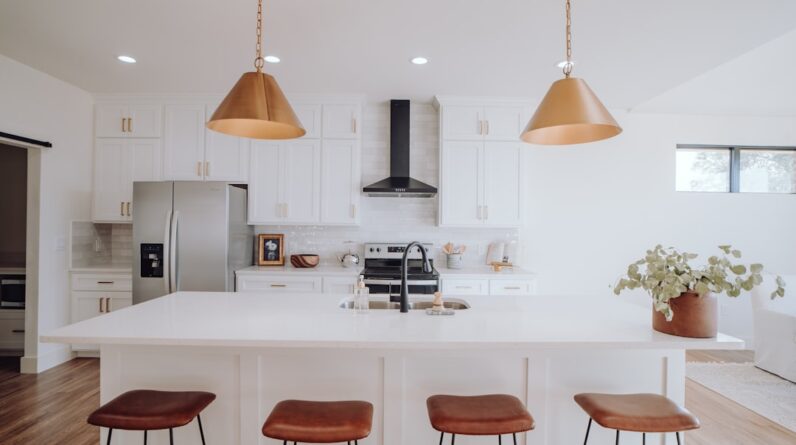
When embarking on a design project, the first step is to grasp the overarching concept that will guide your decisions. This foundational understanding serves as a compass, directing you toward choices that align with your vision. You might find it helpful to ask yourself what feelings or experiences you want to evoke in the space.
Are you aiming for a cozy, intimate atmosphere, or do you prefer a more open and airy feel? By defining your design concept early on, you can create a cohesive environment that resonates with your personal style and functional needs. Moreover, the design concept should reflect not only your aesthetic preferences but also the purpose of the space.
For instance, if you are designing a living area meant for entertaining, you may want to prioritize open layouts and comfortable seating arrangements. Conversely, if the space is intended for relaxation, softer textures and calming colors might take precedence. By considering both the emotional and practical aspects of your design concept, you can ensure that every element contributes to a harmonious whole.
Key Takeaways
- Understanding the design concept is crucial for creating a cohesive and functional outdoor space.
- Choosing the right materials is essential for durability and aesthetic appeal in outdoor design.
- Creating a cohesive color palette helps tie the outdoor space together and creates a harmonious atmosphere.
- Incorporating natural light enhances the outdoor space and creates a welcoming environment.
- Utilizing bi-fold or sliding doors can seamlessly connect indoor and outdoor spaces, creating a versatile and open feel.
Choosing the Right Materials
Matching Materials to Your Design Concept
For example, if your design concept leans toward a rustic charm, natural wood finishes and stone accents may be ideal choices. On the other hand, if you envision a sleek, modern look, glass and metal elements could be more appropriate.
Practicality and Maintenance
In addition to aesthetics, think about the practicality of the materials you select. Some materials may require more maintenance than others, which could impact your long-term satisfaction with the space. For instance, while hardwood floors can add warmth and elegance, they may need regular refinishing to maintain their beauty. Alternatively, tile or laminate options can offer durability with less upkeep.
Striking a Balance
By weighing both beauty and functionality, you can make informed decisions that enhance your design while ensuring it stands the test of time.
Creating a Cohesive Color Palette
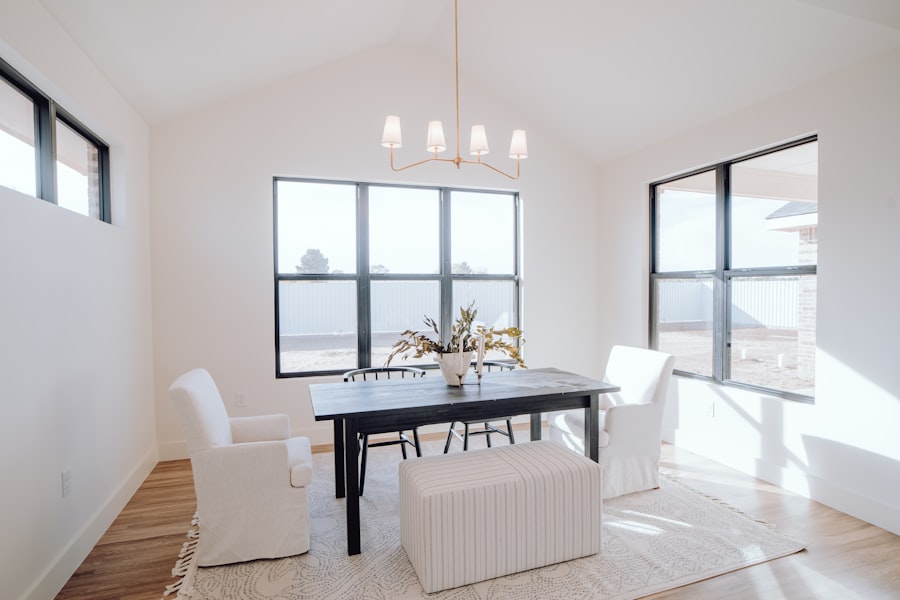
A well-thought-out color palette can significantly influence the mood and flow of your space. As you begin to develop your color scheme, consider how different hues interact with one another and how they align with your design concept. You might start by selecting a primary color that resonates with you, then build around it with complementary shades.
This approach not only creates visual interest but also establishes a sense of unity throughout the space. When choosing colors, think about the psychological effects they can have on those who inhabit the space. For example, warm tones like reds and oranges can evoke feelings of energy and warmth, making them suitable for social areas.
In contrast, cooler shades such as blues and greens tend to promote calmness and relaxation, making them ideal for bedrooms or meditation spaces. By being mindful of color psychology, you can create an environment that not only looks beautiful but also feels right for its intended use.
Incorporating Natural Light
Natural light is one of the most powerful elements in any design project. It has the ability to transform a space, making it feel larger and more inviting. As you plan your design, consider how you can maximize natural light sources.
This might involve strategically placing windows or opting for lighter window treatments that allow sunlight to filter through while maintaining privacy. You may also want to think about how reflective surfaces can enhance light distribution within the room. In addition to enhancing aesthetics, natural light has numerous health benefits.
Exposure to sunlight can improve mood and increase productivity, making it essential for spaces where people spend significant amounts of time. If you’re working on a home office or a creative studio, for instance, prioritizing natural light can foster an inspiring atmosphere that encourages focus and creativity. By thoughtfully incorporating natural light into your design, you can create a vibrant environment that uplifts both the spirit and the senses.
Utilizing Bi-fold or Sliding Doors
In modern design, bi-fold or sliding doors have become increasingly popular for their ability to seamlessly connect indoor and outdoor spaces. These doors not only enhance accessibility but also create an illusion of expanded space by blurring the boundaries between inside and outside. When considering these options for your design project, think about how they can enhance your lifestyle.
For example, if you enjoy entertaining outdoors, bi-fold doors can open up your living area to a patio or garden, creating an inviting atmosphere for gatherings. Additionally, these types of doors can significantly improve ventilation in your home. On pleasant days, you can easily open them to let fresh air circulate throughout your living space.
This not only enhances comfort but also promotes a healthier indoor environment by reducing reliance on artificial heating and cooling systems. As you explore bi-fold or sliding door options, consider factors such as frame materials and energy efficiency to ensure they align with your overall design goals.
Blurring the Lines with Outdoor Furniture
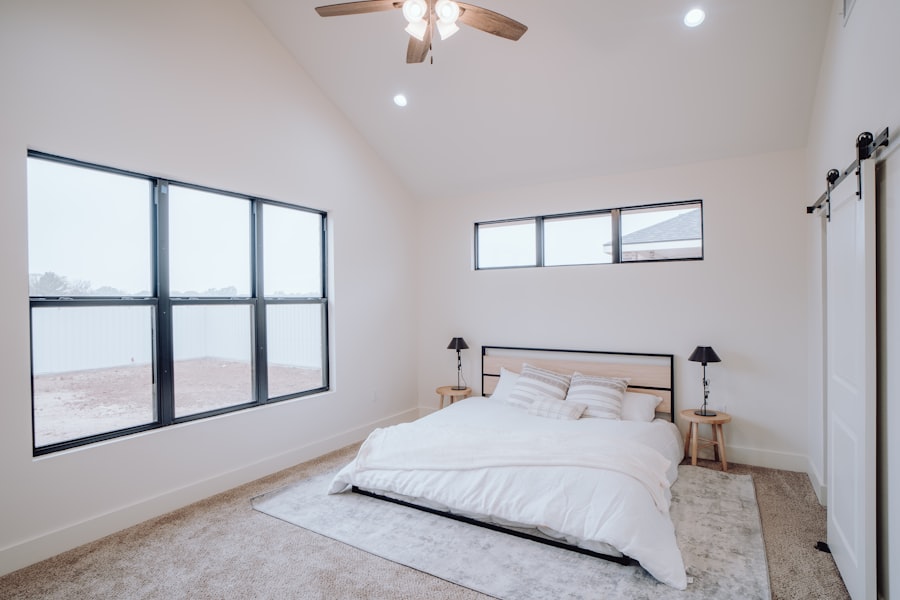
Seamless Transition
Imagine lounging on a stylish outdoor sofa that mirrors the comfort of your living room—this seamless transition encourages a lifestyle that embraces nature while enjoying modern comforts.
Durable Materials
When choosing outdoor furniture, consider materials that withstand various weather conditions while maintaining their aesthetic appeal. For instance, teak wood is known for its durability and resistance to moisture, making it an excellent choice for outdoor settings. Additionally, look for cushions made from fade-resistant fabrics that can endure exposure to sunlight without losing their vibrancy.
Inviting Spaces
By thoughtfully selecting outdoor furniture that aligns with your design vision, you can create inviting spaces that encourage outdoor living year-round.
Incorporating Greenery and Landscaping
Integrating greenery into your design not only enhances visual appeal but also contributes to a healthier living environment. Plants have been shown to improve air quality and promote well-being, making them an essential element in any design project. As you consider how to incorporate greenery into your space, think about both indoor plants and outdoor landscaping options that align with your overall aesthetic.
For indoor spaces, choose plants that thrive in the available light conditions while complementing your color palette. Succulents and snake plants are excellent low-maintenance options that add texture without overwhelming the space. On the exterior, landscaping can be tailored to create a seamless transition from indoors to outdoors.
Consider native plants that require less water and maintenance while providing visual interest throughout the seasons. By thoughtfully incorporating greenery into your design, you can create an environment that feels alive and connected to nature.
Considering Climate and Weather Factors
Finally, as you finalize your design plans, it’s essential to consider climate and weather factors that may impact both functionality and aesthetics. Depending on where you live, certain materials or design elements may be more suitable than others. For instance, if you reside in a region with high humidity, opting for moisture-resistant materials will help maintain the integrity of your space over time.
Additionally, think about how seasonal changes may affect your design choices. If you experience harsh winters or intense summers, incorporating features such as insulation or shading devices can enhance comfort year-round. You might also explore options like retractable awnings or pergolas for outdoor spaces to provide shade during hot months while allowing sunlight in during cooler seasons.
By taking climate into account during the design process, you can create a space that is not only beautiful but also functional and sustainable in the long run. In conclusion, embarking on a design project involves careful consideration of various elements that contribute to creating a harmonious space. From understanding your design concept to selecting materials and colors, each decision plays a vital role in shaping the final outcome.
By incorporating natural light, utilizing innovative door solutions, blending indoor and outdoor spaces with furniture and greenery, and considering climate factors, you can craft an environment that reflects your personal style while enhancing comfort and functionality. Ultimately, thoughtful design has the power to transform not just spaces but also experiences within them.
FAQs
What are the key considerations for achieving a seamless transition between indoor and outdoor spaces in contemporary homes?
Some key considerations for achieving a seamless transition between indoor and outdoor spaces in contemporary homes include the use of consistent flooring materials, the incorporation of large windows and doors, the use of similar color palettes, and the integration of outdoor living areas with indoor spaces.
What are some design strategies for creating a seamless transition between indoor and outdoor spaces?
Design strategies for creating a seamless transition between indoor and outdoor spaces include using sliding or folding glass doors, incorporating outdoor furniture and decor that complements indoor furnishings, utilizing landscaping to connect the two spaces, and creating a cohesive design aesthetic throughout.
How can technology be integrated to enhance the transition between indoor and outdoor spaces?
Technology can be integrated to enhance the transition between indoor and outdoor spaces through the use of smart home systems that control lighting, temperature, and audiovisual elements in both areas, as well as the use of motorized retractable screens or shades to provide flexibility and comfort.
What are some popular materials and finishes for achieving a seamless transition between indoor and outdoor spaces?
Popular materials and finishes for achieving a seamless transition between indoor and outdoor spaces include natural stone, wood, concrete, and metal, as well as weather-resistant fabrics and finishes that can withstand outdoor conditions.
What role does landscaping play in achieving a seamless transition between indoor and outdoor spaces?
Landscaping plays a crucial role in achieving a seamless transition between indoor and outdoor spaces by creating visual continuity, providing privacy and shade, and integrating natural elements such as water features, plants, and trees to enhance the overall connection between the two spaces.