When you think of Zen-inspired contemporary interiors, you might envision spaces that exude tranquility and simplicity. This design philosophy draws heavily from traditional Japanese aesthetics, emphasizing a harmonious relationship between the environment and the individual. In your quest to create such a space, you will find that the essence of Zen lies in its ability to foster a sense of peace and mindfulness.
By integrating elements that promote calmness and clarity, you can transform your home into a sanctuary that nurtures both body and spirit. At the heart of Zen-inspired design is the idea of creating a space that feels open and inviting. You may notice that these interiors often feature clean lines, uncluttered surfaces, and a deliberate use of space.
This approach encourages you to focus on what truly matters, allowing you to cultivate a deeper connection with your surroundings. As you explore this design style, consider how each element in your home can contribute to a greater sense of well-being and balance, ultimately leading to a more fulfilling living experience.
Key Takeaways
- Zen-inspired contemporary interiors focus on simplicity, minimalism, and natural elements to create a serene and harmonious space.
- Simplifying and decluttering the space is essential in Zen-inspired interiors to promote a sense of calm and tranquility.
- Incorporating natural elements such as wood, stone, and plants brings a sense of nature and balance into the space.
- Utilizing neutral colors and soft lighting helps to create a peaceful and soothing atmosphere in Zen-inspired interiors.
- Embracing minimalist furniture and decor with clean lines and simple designs contributes to the overall sense of tranquility and mindfulness in the space.
Simplifying and Decluttering the Space
One of the fundamental principles of Zen-inspired interiors is the importance of simplicity. As you embark on the journey of simplifying your space, you may find that decluttering is not just about removing physical items but also about letting go of mental distractions. Start by assessing each room in your home and identifying items that no longer serve a purpose or bring you joy.
This process can be liberating, allowing you to create an environment that feels lighter and more open. As you declutter, consider the impact of each item on your overall sense of peace. You might choose to keep only those possessions that resonate with you on a personal level or hold significant memories.
By doing so, you create a curated collection that reflects your values and aspirations. This intentional approach to your belongings not only enhances the aesthetic appeal of your space but also fosters a deeper sense of connection to your home.
Incorporating Natural Elements

Bringing nature indoors is a hallmark of Zen-inspired design, as it helps to create a serene atmosphere that promotes relaxation and mindfulness. You can start by incorporating natural materials such as wood, stone, and bamboo into your interiors. These elements not only add warmth and texture but also evoke a sense of grounding that is essential for cultivating tranquility.
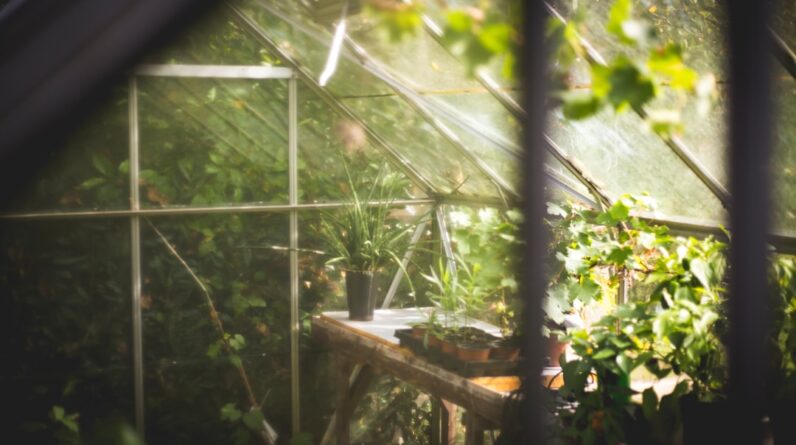
Consider using wooden furniture or stone accents to create a harmonious balance between the natural world and your living space. In addition to materials, you can enhance your home with plants and greenery. Indoor plants not only purify the air but also bring life and vibrancy to your surroundings.
As you select plants for your space, think about their placement and how they interact with light and shadow throughout the day. A carefully positioned plant can serve as a focal point, drawing your eye and inviting you to pause and appreciate the beauty of nature within your home.
Utilizing Neutral Colors and Soft Lighting
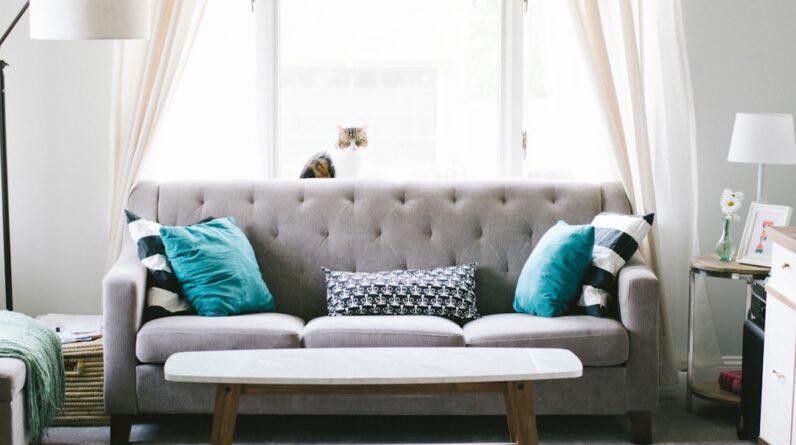
Color plays a significant role in shaping the mood of your space, and in Zen-inspired interiors, neutral tones are often favored for their calming effects. You may find that shades of white, beige, gray, and soft earth tones create an atmosphere of serenity that allows for reflection and relaxation. When choosing colors for your walls, furniture, and decor, aim for a palette that feels cohesive and soothing, promoting a sense of unity throughout your home.
Lighting is another crucial aspect of creating a Zen-inspired environment. Soft, diffused lighting can enhance the tranquil ambiance you seek. Consider using natural light as much as possible by keeping windows unobstructed and using sheer curtains to filter sunlight gently.
Additionally, you might incorporate various light sources such as floor lamps or candles to create layers of illumination that evoke warmth and comfort during the evening hours. The interplay between light and shadow can further enhance the peaceful atmosphere you desire.
Embracing Minimalist Furniture and Decor
Minimalism is at the core of Zen-inspired design, encouraging you to embrace simplicity in both furniture and decor. When selecting furniture pieces for your home, opt for those with clean lines and functional designs that serve multiple purposes. This approach not only maximizes space but also minimizes visual clutter, allowing for a more serene environment.
You might consider investing in quality over quantity, choosing timeless pieces that will stand the test of time rather than trendy items that may quickly lose their appeal. In terms of decor, less is often more in Zen-inspired interiors. You can create visual interest by incorporating a few carefully chosen decorative items that resonate with you personally.
Think about art pieces or sculptures that evoke feelings of peace or inspiration. By limiting the number of decorative elements in your space, you allow each piece to shine while contributing to an overall sense of harmony.
Creating a Space for Meditation and Reflection

Designing a Distraction-Free Environment
When designing your meditation space, it’s essential to create an area that promotes relaxation and calmness. Consider using soft cushions or mats for seating, and incorporate calming elements such as candles or incense to enhance the atmosphere.
Personalizing Your Meditation Space
Think about how your meditation space can reflect your personal journey towards mindfulness. You might choose to include meaningful objects such as crystals or photographs that inspire tranquility.
Creating a Sanctuary for Inner Reflection
The ultimate goal is to create an environment that encourages you to pause, breathe deeply, and connect with your inner self amidst the busyness of daily life. By designing a meditation space that resonates with you, you’ll be more likely to make mindfulness a consistent part of your daily routine.
Focusing on Balance and Harmony
Achieving balance and harmony within your home is essential for creating a Zen-inspired environment. This principle extends beyond aesthetics; it encompasses the overall energy flow within your space. You may want to consider the arrangement of furniture and decor in relation to one another, ensuring that each element complements rather than competes with others.
A well-balanced room fosters a sense of calmness and stability, allowing you to feel grounded in your surroundings. In addition to physical balance, think about how different aspects of your life can be harmonized within your home. For instance, consider how workspaces are integrated into your living areas or how family dynamics play out in shared spaces.
By creating zones that cater to various activities while maintaining an overall sense of unity, you can cultivate an environment that supports both productivity and relaxation.
Cultivating a Sense of Mindfulness and Serenity
Ultimately, the goal of embracing Zen-inspired contemporary interiors is to cultivate a sense of mindfulness and serenity in your daily life. As you immerse yourself in this design philosophy, take time to reflect on how each element contributes to your overall well-being. You may find that creating a peaceful environment encourages you to slow down, appreciate the present moment, and foster deeper connections with yourself and others.
Incorporating mindfulness practices into your daily routine can further enhance the serenity of your space. Whether it’s through meditation, journaling, or simply taking moments to breathe deeply throughout the day, these practices can help reinforce the tranquil atmosphere you’ve created at home. By nurturing both your physical environment and mental state, you can cultivate a sanctuary that supports your journey toward inner peace and fulfillment.
FAQs
What is Zen-inspired contemporary interior design?
Zen-inspired contemporary interior design is a style that draws inspiration from the principles of Zen Buddhism, emphasizing simplicity, minimalism, and a connection to nature. It aims to create a sense of tranquility and relaxation within the space.
What are the key elements of Zen-inspired contemporary interiors?
Key elements of Zen-inspired contemporary interiors include natural materials such as wood and stone, neutral color palettes, clean lines, uncluttered spaces, and a focus on creating a harmonious and balanced environment.
What are the steps to achieve a sense of tranquility and relaxation in Zen-inspired contemporary interiors?
To achieve a sense of tranquility and relaxation in Zen-inspired contemporary interiors, one can focus on decluttering the space, incorporating natural elements, creating a sense of openness, using soft lighting, and incorporating elements of mindfulness and meditation into the design.
How can natural elements be incorporated into Zen-inspired contemporary interiors?
Natural elements can be incorporated into Zen-inspired contemporary interiors through the use of materials such as wood, stone, bamboo, and natural fibers. Additionally, incorporating indoor plants and natural light can help bring a sense of nature into the space.
What role does lighting play in creating a sense of tranquility in Zen-inspired contemporary interiors?
Lighting plays a crucial role in creating a sense of tranquility in Zen-inspired contemporary interiors. Soft, diffused lighting can help create a calming atmosphere, while natural light can bring a sense of openness and connection to the outdoors. Avoiding harsh, bright lighting is key to maintaining a peaceful ambiance.