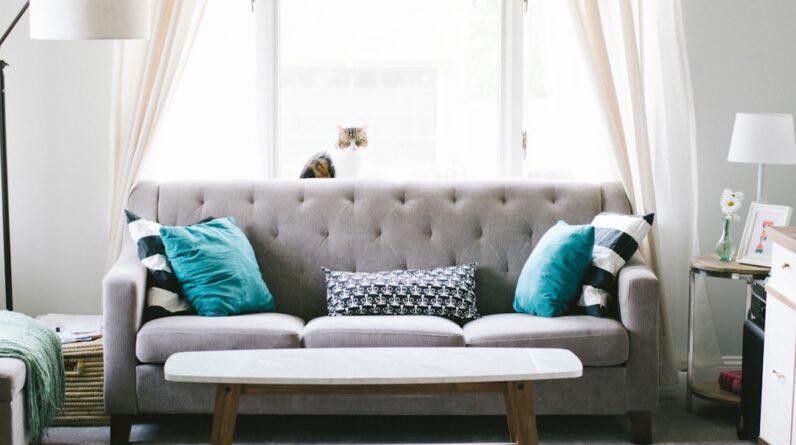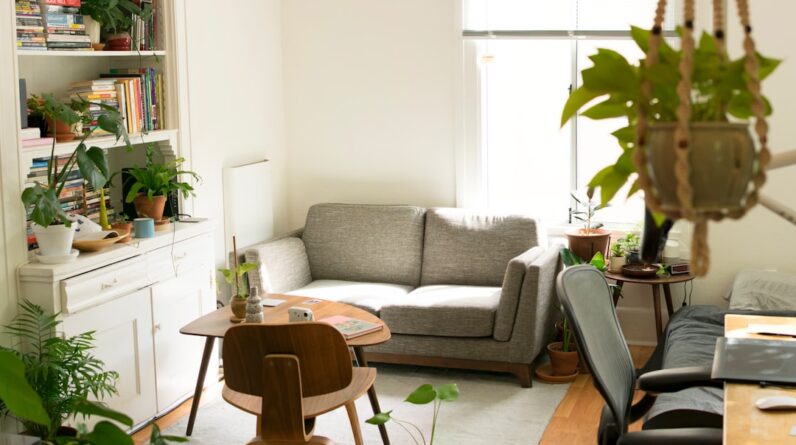
Coastal contemporary living is more than just a design style; it embodies a lifestyle that harmonizes with the natural beauty of coastal environments. Imagine waking up to the sound of waves crashing against the shore, the salty breeze wafting through your windows, and the sun casting a warm glow over your living space. This aesthetic is characterized by its clean lines, open layouts, and a seamless connection between indoor and outdoor spaces.
As you delve into this design philosophy, you’ll discover how it can transform your home into a serene retreat that reflects the tranquility of coastal life. Incorporating elements of coastal contemporary living into your home allows you to create a sanctuary that feels both refreshing and inviting. This style draws inspiration from the surrounding environment, utilizing colors, materials, and textures that evoke the essence of the beach.
Whether you live by the ocean or simply wish to bring a touch of coastal charm to your home, understanding the principles of this design style will help you craft a space that resonates with your personal aesthetic while promoting relaxation and comfort.
Key Takeaways
- Coastal contemporary living emphasizes a relaxed and modern lifestyle inspired by the coastal environment.
- Natural light and open spaces are key elements in coastal contemporary design, creating a sense of airiness and connection to the outdoors.
- Neutral color schemes and textures, such as whites, blues, and natural materials, evoke a sense of calm and tranquility in coastal contemporary homes.
- Durable and weather-resistant materials, like teak and stainless steel, are essential for withstanding coastal elements and maintaining a stylish aesthetic.
- Minimalistic and functional furniture with clean lines and simple designs are favored in coastal contemporary living, promoting a clutter-free and practical space.
Incorporating Natural Light and Open Spaces
Maximizing Natural Light
Large windows, sliding glass doors, and skylights are essential features to consider when designing your space. These elements allow for unobstructed views of the outdoors while inviting the beauty of nature inside. Imagine how uplifting it would feel to bask in sunlight as it dances across your living room floor.
Open Floor Plans
Open floor plans are another essential aspect of this design style. By removing unnecessary walls and barriers, you create a fluid transition between different areas of your home. This layout encourages social interaction and fosters a sense of togetherness among family members and guests. Picture hosting a gathering where laughter fills the air, and everyone can easily move from the kitchen to the living room to the outdoor patio without feeling confined.
The Beauty of Spaciousness
The spaciousness not only enhances your living experience but also reflects the expansive beauty of coastal landscapes.
Utilizing Neutral Color Schemes and Textures
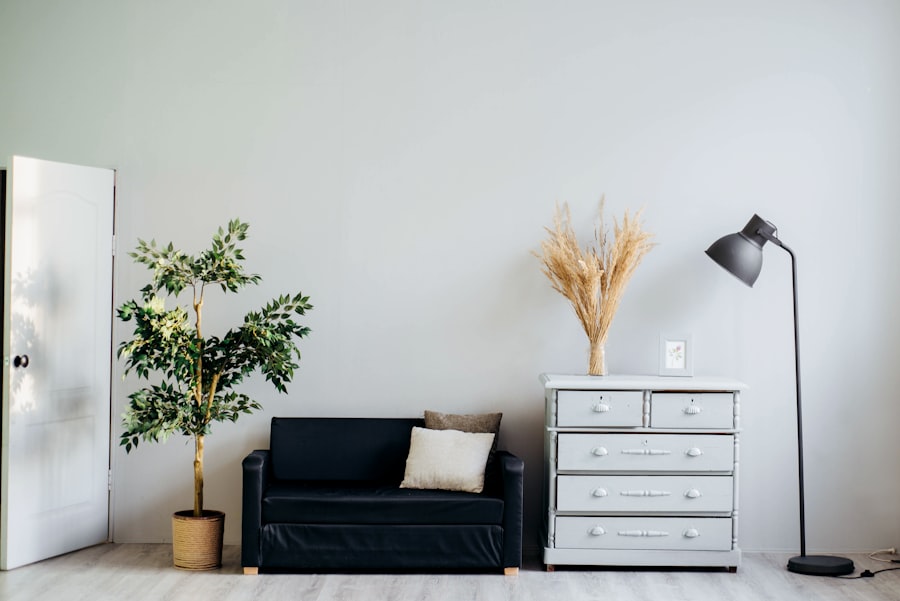
When it comes to color schemes in coastal contemporary living, neutral tones reign supreme. Soft whites, sandy beiges, and muted grays create a calming backdrop that mimics the natural hues found in beach environments. As you select your palette, think about how these colors can evoke feelings of serenity and relaxation.
You might choose to paint your walls in a soft seafoam green or a light sky blue, reminiscent of ocean waves and clear skies. These subtle shades can serve as a canvas for bolder accents, allowing you to infuse personality into your space without overwhelming it. Textures play a crucial role in enhancing the overall aesthetic of your home.
Incorporating various materials such as driftwood, linen, and woven fabrics can add depth and interest to your design. Consider layering different textures through throw pillows, area rugs, and wall hangings to create a cozy yet sophisticated atmosphere. As you explore these elements, think about how they can reflect the organic beauty of coastal environments, making your home feel like an extension of nature itself.
Selecting Durable and Weather-Resistant Materials
Living in a coastal environment means that your home must withstand the elements while maintaining its beauty. Therefore, selecting durable and weather-resistant materials is essential for achieving a long-lasting design. When choosing flooring options, consider materials like tile or luxury vinyl that can handle moisture and resist wear over time.
These choices not only provide practicality but also offer a stylish foundation for your coastal contemporary home. In addition to flooring, pay attention to outdoor materials as well. Furniture made from teak or aluminum is ideal for patios and decks, as these materials are designed to endure harsh weather conditions without losing their appeal.
You might also explore options like marine-grade fabrics for cushions and upholstery, ensuring that your outdoor spaces remain comfortable and inviting throughout the seasons. By prioritizing durability in your material selections, you’ll create a home that stands the test of time while embracing the beauty of coastal living.
Embracing Minimalistic and Functional Furniture
Minimalism is a key principle in coastal contemporary living, where less truly is more. You’ll want to select furniture pieces that are not only aesthetically pleasing but also functional and practical for everyday use. Opt for clean lines and simple silhouettes that evoke a sense of calmness and order in your space.
A streamlined sofa or a sleek dining table can serve as focal points without overwhelming the room. Functionality is equally important when choosing furniture for your coastal retreat. Look for pieces that offer storage solutions or multi-purpose capabilities, such as ottomans that double as storage bins or coffee tables with built-in shelves.
This approach not only keeps your space organized but also enhances its usability, allowing you to enjoy every inch of your home without clutter. As you curate your furniture collection, remember that each piece should contribute to the overall harmony of your design while reflecting your personal style.
Incorporating Organic and Sustainable Elements
Organic Elements for Enhanced Aesthetics
You have the opportunity to incorporate organic elements into your design that not only enhance aesthetics but also promote environmental responsibility. Consider using reclaimed wood for furniture or decor items; this choice not only adds character but also reduces waste by repurposing materials.
Bringing Life to Your Space with Plants
Integrating plants into your home can bring life and vibrancy to your space while improving air quality. Choose low-maintenance indoor plants like succulents or snake plants that thrive in various conditions. You might also explore vertical gardens or hanging planters to maximize space while creating an inviting atmosphere reminiscent of lush coastal landscapes.
Cultivating a Mindful Home
By prioritizing organic and sustainable elements in your design, you’ll cultivate a home that reflects both beauty and mindfulness.
Balancing Indoor and Outdoor Living Spaces
One of the most appealing aspects of coastal contemporary living is the seamless integration of indoor and outdoor spaces. You’ll want to create an environment where both areas complement each other, allowing for effortless transitions between them. Consider designing outdoor patios or decks that mirror the style of your interior spaces, using similar colors and materials to create cohesion.
Incorporating large sliding doors or bi-fold windows can enhance this connection by opening up your living area to the outdoors. Imagine hosting summer barbecues where guests can flow freely between the kitchen and patio while enjoying breathtaking views of nature. Additionally, consider adding outdoor seating areas with comfortable furniture where you can unwind with a book or enjoy morning coffee while soaking in the fresh air.
By balancing indoor and outdoor living spaces, you’ll cultivate an atmosphere that celebrates the beauty of coastal life.
Embracing Coastal-Inspired Art and Décor
To truly capture the essence of coastal contemporary living, incorporating art and décor inspired by the sea is essential. You might choose artwork that features ocean landscapes, marine life, or abstract representations of waves to evoke feelings of tranquility and connection to nature. These pieces can serve as focal points in your home while adding personality and character to your space.
In addition to wall art, consider decorative accents such as seashells, driftwood sculptures, or nautical-themed accessories that reflect the coastal lifestyle. These elements can be strategically placed throughout your home to create visual interest without overwhelming the overall design. As you curate your collection, think about how each piece contributes to the narrative of your space—creating an environment that feels cohesive and inviting while celebrating the beauty of coastal living.
In conclusion, embracing coastal contemporary living allows you to create a home that reflects both style and serenity. By incorporating natural light, open spaces, neutral color schemes, durable materials, minimalistic furniture, organic elements, balanced indoor-outdoor areas, and coastal-inspired art, you can transform your living environment into a tranquil retreat that resonates with the beauty of nature. As you embark on this design journey, remember that each choice you make contributes to crafting a space that not only looks beautiful but also feels like home—a sanctuary where you can unwind and connect with the world around you.
FAQs
What are some key design elements for coastal contemporary living?
Some key design elements for coastal contemporary living include open floor plans, large windows to maximize natural light and ocean views, neutral color palettes with pops of coastal-inspired hues, and natural materials such as wood, stone, and rattan.
What materials are suitable for coastal contemporary living?
Materials suitable for coastal contemporary living include weather-resistant and durable options such as teak, cedar, and stainless steel for outdoor furniture, as well as natural fibers like jute, sisal, and cotton for rugs and upholstery. Additionally, materials that evoke a sense of the beach, such as driftwood, seagrass, and sea glass, are popular choices.
How can I incorporate a coastal contemporary design into my home?
You can incorporate a coastal contemporary design into your home by using a mix of natural materials, incorporating ocean-inspired colors, and choosing furniture and decor with clean lines and a relaxed, beachy vibe. Additionally, incorporating elements such as nautical accents, textured fabrics, and artwork featuring coastal scenes can help achieve the look.