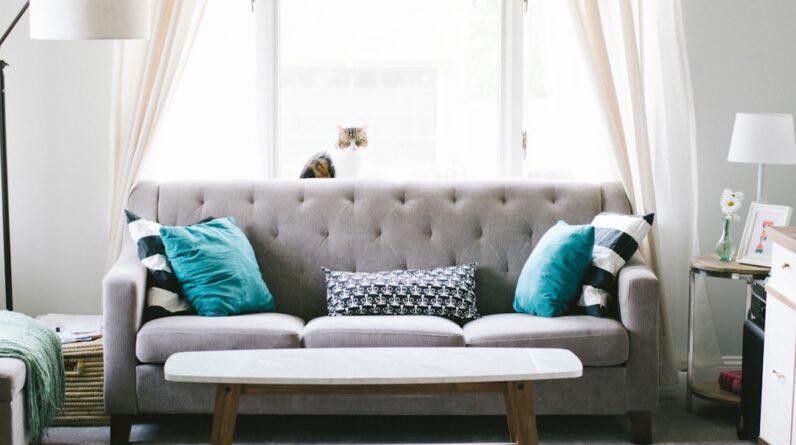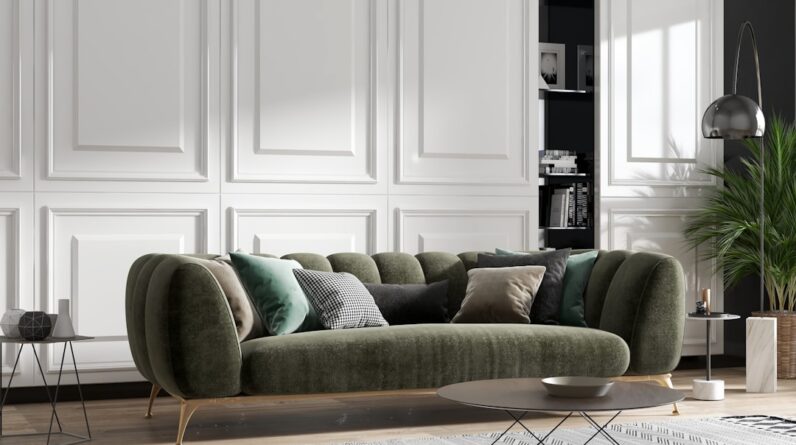
Open floor plan interior design has gained immense popularity in recent years, and for good reason. One of the primary benefits you will experience is the enhanced sense of space. By removing unnecessary walls and barriers, you create a more expansive environment that feels less confined.
This layout encourages a natural flow between different areas of your home, making it easier to move from one space to another. Whether you are entertaining guests or simply enjoying a quiet evening at home, the open design fosters a sense of connection and togetherness. Moreover, an open floor plan can significantly improve the functionality of your living space.
With fewer walls, you have the flexibility to arrange furniture in a way that best suits your lifestyle. This adaptability allows you to create multi-functional areas that can serve various purposes throughout the day. For instance, your living room can easily transform into a workspace during the day and revert back to a cozy gathering spot in the evening.
This versatility is particularly beneficial for those who live in smaller homes or apartments, where maximizing every square foot is essential.
Key Takeaways
- Open floor plan designs promote a sense of spaciousness and connectivity in the home, making it ideal for socializing and entertaining.
- Maximizing space and flow in open floor plan designs involves strategic placement of furniture and thoughtful consideration of traffic patterns.
- Natural light plays a crucial role in open floor plan interior design, creating a bright and airy atmosphere that enhances the overall aesthetic.
- Incorporating different functional areas in an open floor plan requires careful zoning and the use of furniture and decor to define each space.
- Choosing the right flooring for open floor plan designs involves selecting materials that complement the overall aesthetic and provide durability in high-traffic areas.
Maximizing Space and Flow in Open Floor Plan Designs
When you embrace an open floor plan, maximizing space and flow becomes a priority. You can achieve this by strategically placing furniture and utilizing vertical space. For example, consider using tall bookshelves or cabinets that draw the eye upward, creating an illusion of height and spaciousness.
Additionally, opting for furniture with a smaller footprint can help maintain an open feel while still providing necessary functionality. You might also explore modular furniture options that can be easily rearranged to suit different occasions. Flow is another critical aspect of open floor plan design.
To ensure a seamless transition between areas, think about how you move through your space. You may want to create clear pathways that guide you from one room to another without obstruction. This can be accomplished by arranging furniture in a way that encourages movement and interaction.
For instance, placing seating arrangements in a circular formation can promote conversation while allowing for easy access to other areas of the home.
The Role of Natural Light in Open Floor Plan Interior Design
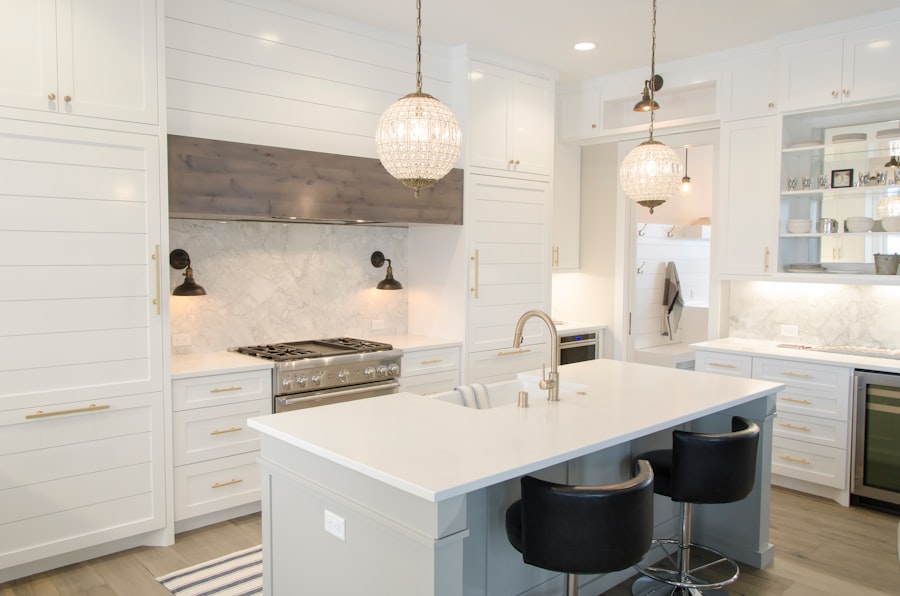
Natural light plays a pivotal role in open floor plan interior design, as it enhances the overall ambiance and mood of your space. Large windows and open layouts allow sunlight to flood in, creating a warm and inviting atmosphere. You may find that incorporating reflective surfaces, such as mirrors or glossy finishes, can amplify this effect by bouncing light around the room.
This not only brightens your home but also makes it feel more expansive and airy. In addition to aesthetics, natural light has practical benefits as well. It can help reduce energy costs by minimizing the need for artificial lighting during the day.
You might consider strategically placing mirrors opposite windows to maximize light distribution throughout your home. Furthermore, using sheer window treatments can allow for privacy while still letting in ample sunlight, striking a balance between comfort and openness.
Incorporating Different Functional Areas in an Open Floor Plan
One of the most exciting aspects of an open floor plan is the ability to incorporate various functional areas seamlessly. You can create distinct zones for cooking, dining, and relaxing without the need for physical barriers. For instance, you might designate a specific area for dining by using a stylish area rug or unique lighting fixtures that draw attention to that space.
This not only helps define each area but also adds visual interest to your overall design. When planning these functional areas, consider how they will interact with one another. You may want to ensure that your kitchen flows effortlessly into your dining area, making it easy to serve meals and entertain guests.
Additionally, think about how each zone can complement the others through color schemes and decor choices. By maintaining a cohesive design while allowing for distinct functional areas, you create a harmonious living environment that caters to your lifestyle.
Choosing the Right Flooring for Open Floor Plan Designs
Selecting the right flooring is crucial when designing an open floor plan, as it sets the foundation for your entire space. You might consider using consistent flooring materials throughout the area to create a unified look. Hardwood floors are a popular choice due to their timeless appeal and durability, while tile or laminate options can offer versatility and ease of maintenance.
Whichever material you choose, ensure it aligns with your overall design aesthetic and lifestyle needs. In addition to aesthetics, think about practicality when selecting flooring for high-traffic areas. You may want to opt for materials that are resistant to scratches and stains if you have pets or children.
Furthermore, consider incorporating area rugs to define specific zones within your open layout while adding warmth and texture underfoot. This layering technique not only enhances comfort but also contributes to the overall visual appeal of your space.
Creating a Cohesive Design Aesthetic in an Open Floor Plan
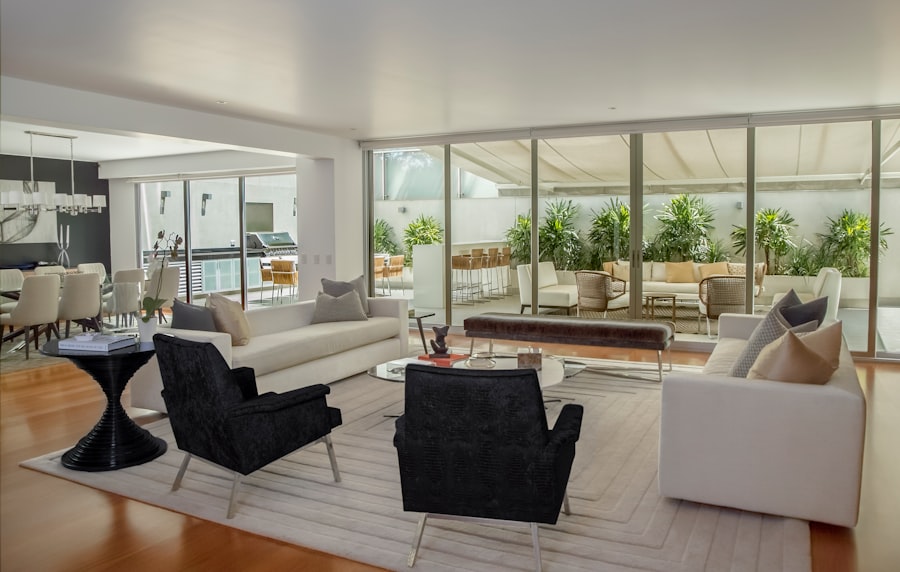
A cohesive design aesthetic is essential in an open floor plan to ensure that all areas feel connected and harmonious. You might start by selecting a color palette that flows throughout your space, using complementary hues that tie different zones together. This could involve choosing a primary color for larger furniture pieces while incorporating accent colors through decor items like cushions or artwork.
In addition to color, consider the materials and textures you use throughout your open layout. Mixing different textures can add depth and interest while maintaining a cohesive look. For example, pairing soft fabrics with sleek metals or natural woods can create a balanced aesthetic that feels both inviting and sophisticated.
By thoughtfully curating your design elements, you can achieve a unified look that enhances the overall appeal of your open floor plan.
Utilizing Furniture and Decor to Define Spaces in an Open Floor Plan
In an open floor plan, furniture and decor play a vital role in defining different spaces without the need for walls. You might use furniture arrangements strategically to create visual boundaries between areas. For instance, placing a sofa with its back facing the dining area can delineate the living space while still allowing for an open feel.
Additionally, consider using decorative screens or bookshelves as room dividers that provide separation without closing off the space entirely. Decorative elements also contribute significantly to defining spaces within an open layout. You may want to incorporate area rugs to anchor specific zones or use lighting fixtures that highlight particular areas of interest.
For example, pendant lights above a dining table can draw attention to that space while adding character to your overall design. By thoughtfully selecting furniture and decor items, you can create distinct yet interconnected areas within your open floor plan.
The Importance of Proper Lighting in Open Floor Plan Interior Design
Proper lighting is crucial in open floor plan interior design as it influences both functionality and ambiance. You may want to incorporate multiple layers of lighting to ensure each area is well-lit while creating a warm atmosphere. Consider using ambient lighting for general illumination, task lighting for specific activities like cooking or reading, and accent lighting to highlight artwork or architectural features.
In addition to functional lighting, think about how light fixtures can enhance your design aesthetic. Choosing statement pieces such as chandeliers or unique pendant lights can serve as focal points within your open layout while providing necessary illumination. Furthermore, dimmer switches can allow you to adjust lighting levels based on the time of day or occasion, adding versatility to your space.
Incorporating Privacy in Open Floor Plan Designs
While open floor plans promote connectivity and flow, privacy remains an important consideration in your design process. You might explore various strategies to create private spaces within an open layout without sacrificing openness. For instance, using sliding doors or curtains can provide flexibility when you need separation from other areas while still allowing for openness when desired.
Another approach is to incorporate architectural features that offer privacy without closing off spaces entirely. You may consider adding half-walls or strategically placed furniture arrangements that create visual barriers while maintaining sightlines across the room. Additionally, incorporating plants or decorative screens can add greenery and texture while providing a sense of separation between different functional areas.
Customization and Personalization in Open Floor Plan Interior Design
Customization and personalization are key elements in making an open floor plan truly feel like home. You have the opportunity to infuse your personality into every aspect of your design by selecting colors, materials, and decor that resonate with you. Consider showcasing personal artwork or family photos as focal points within your space, creating a sense of warmth and familiarity.
Moreover, think about how you can tailor functional areas to suit your lifestyle needs. If you enjoy cooking and entertaining, you might invest in high-quality kitchen appliances or create a dedicated bar area for hosting guests. By customizing your open floor plan according to your preferences and habits, you create a living environment that reflects who you are while enhancing daily life.
Working with a Professional Designer for Open Floor Plan Projects
Collaborating with a professional designer can elevate your open floor plan project significantly. Their expertise allows them to understand spatial dynamics better than most homeowners do on their own. They can help you navigate challenges such as maximizing flow or ensuring cohesive aesthetics throughout different zones within your layout.
Additionally, working with a designer provides access to resources and materials that may not be readily available to the average homeowner. They can introduce you to innovative solutions tailored specifically for open floor plans while keeping your budget in mind. Ultimately, partnering with a professional designer ensures that your vision comes to life seamlessly while creating an inviting atmosphere that meets all of your functional needs.
In conclusion, embracing an open floor plan interior design offers numerous benefits ranging from enhanced space utilization to improved natural light flow throughout your home. By carefully considering elements such as flooring choices, lighting strategies, privacy solutions, customization options, and professional guidance when needed; you can create an inviting environment tailored perfectly for both relaxation and entertainment alike!
FAQs
What is an open floor plan in interior design?
An open floor plan in interior design refers to a layout that combines multiple living spaces, such as the kitchen, dining area, and living room, into one large, open area without the use of walls or barriers.
What are the benefits of an open floor plan in interior design?
Some benefits of an open floor plan in interior design include increased natural light, better flow of movement, and a more social and inclusive atmosphere for gatherings and entertaining.
What are some popular design elements for open floor plans?
Popular design elements for open floor plans include cohesive flooring throughout the space, strategic furniture placement to define different areas, and the use of area rugs and lighting to create visual separation.
How can I create a cohesive look in an open floor plan?
To create a cohesive look in an open floor plan, consider using a consistent color palette, coordinating furniture styles, and incorporating elements such as built-in shelving or architectural details to tie the different areas together.
What are some considerations for privacy in an open floor plan?
Considerations for privacy in an open floor plan include the use of room dividers, such as sliding doors or curtains, strategically placed furniture to create visual barriers, and the incorporation of sound-absorbing materials to minimize noise transfer between spaces.