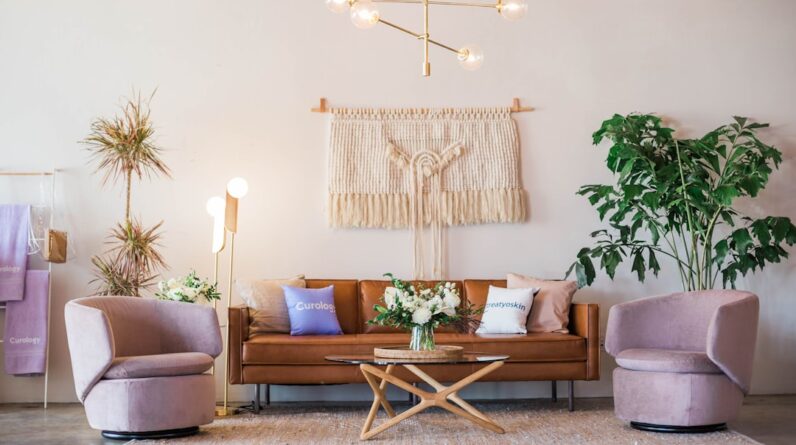
Scale and proportion are fundamental concepts in design that dictate how elements relate to one another within a space. Scale refers to the size of an object in relation to its surroundings, while proportion deals with the relationship between the sizes of different elements. A well-designed space considers both aspects to create a harmonious environment.
For instance, a large sectional sofa in a small living room can overwhelm the space, making it feel cramped and uncomfortable. Conversely, a tiny coffee table in a vast open area may appear lost and insignificant. Designers must carefully evaluate the dimensions of furniture, fixtures, and architectural features to ensure they complement one another.
To master scale and proportion, one must also consider human scale—the average dimensions of the human body and how people interact with their environment. This involves understanding how furniture height, width, and depth affect usability and comfort. For example, a dining table that is too high or too low can make meals awkward and unenjoyable.
Additionally, the arrangement of furniture should facilitate movement and flow within a room. A well-proportioned space allows for easy navigation while also creating visual interest. Designers often use tools like the golden ratio or Fibonacci sequence to achieve pleasing proportions, ensuring that each element feels balanced and intentional.
Key Takeaways
- Understanding Scale and Proportion is crucial for creating balanced and visually appealing interior designs.
- Mastering Color Theory and Application allows for the creation of harmonious color schemes and the ability to evoke specific moods and emotions.
- Incorporating Advanced Lighting Techniques can transform a space and highlight key design elements.
- Utilizing Texture and Pattern to Create Depth adds visual interest and dimension to a room.
- Implementing Advanced Furniture Arrangement and Layout can optimize the functionality and flow of a space.
Mastering Color Theory and Application
Warm Colors: Energy and Warmth
Warm colors like reds and oranges can create a sense of energy and warmth, making them ideal for social spaces such as living rooms or kitchens.
Cool Colors: Calmness and Relaxation
In contrast, cool colors like blues and greens tend to promote calmness and relaxation, making them suitable for bedrooms or meditation areas.
Color Harmony and Contrast: Creating Visual Interest
Beyond basic color selection, designers must also consider color harmony and contrast. Complementary colors, those opposite each other on the color wheel, can create vibrant visual interest when used together. For example, pairing a rich navy blue with a bright orange can produce a striking effect that draws attention. On the other hand, analogous colors, those next to each other on the wheel, create a more subdued and cohesive look. A palette of soft greens, blues, and yellows can evoke a serene atmosphere reminiscent of nature. Additionally, the application of color through paint, textiles, and accessories can significantly impact the overall aesthetic of a space, making it crucial for designers to choose wisely.
Incorporating Advanced Lighting Techniques

Lighting is one of the most critical elements in interior design, as it not only illuminates a space but also enhances its mood and functionality. Advanced lighting techniques involve layering different types of lighting—ambient, task, and accent—to create a well-balanced environment. Ambient lighting provides general illumination, often achieved through ceiling fixtures or wall sconces.
Task lighting focuses on specific areas where activities occur, such as reading lamps or under-cabinet lights in kitchens. Accent lighting highlights particular features or artwork, adding depth and interest to the overall design. Incorporating advanced lighting techniques also involves understanding the color temperature of light sources.
Warm white light (around 2700K) creates a cozy atmosphere, while cool white light (around 5000K) is more energizing and suitable for workspaces. Designers often use dimmers to adjust lighting levels according to the time of day or activity, allowing for greater flexibility in how a space is experienced. Additionally, incorporating natural light through strategically placed windows or skylights can enhance the overall ambiance while reducing reliance on artificial lighting during daylight hours.
Utilizing Texture and Pattern to Create Depth
Texture and pattern play vital roles in adding visual interest and depth to interior spaces. Texture refers to the surface quality of materials—whether they are smooth, rough, soft, or hard—while pattern involves the repetition of shapes or designs. By thoughtfully combining various textures and patterns, designers can create layers that enhance the tactile experience of a room.
For example, pairing a plush velvet sofa with a sleek leather chair introduces contrasting textures that invite touch and engagement. Patterns can also be used strategically to define areas within an open floor plan or to draw attention to specific features. A bold geometric rug can anchor a seating area while adding visual dynamism to an otherwise neutral space.
Similarly, patterned wallpaper can serve as an accent wall that adds character without overwhelming the room. When incorporating texture and pattern, it is essential to maintain balance; too many competing elements can create chaos rather than cohesion. Designers often employ a mix of large-scale patterns with smaller ones to achieve harmony while still allowing for visual intrigue.
Implementing Advanced Furniture Arrangement and Layout
The arrangement of furniture within a space significantly impacts its functionality and aesthetic appeal. Advanced furniture arrangement involves not only placing items in a way that promotes flow but also considering how each piece interacts with others in terms of scale, proportion, and style. For instance, in a living room designed for conversation, seating should be arranged in a circular or semi-circular layout to encourage interaction among occupants.
This setup fosters intimacy and connection while ensuring that everyone feels included. Moreover, designers must consider the purpose of each area when planning furniture layouts. In multi-functional spaces, such as open-concept living areas that serve as both dining and entertainment zones, furniture should be arranged to delineate these functions without creating physical barriers.
Using area rugs can help define spaces while maintaining an open feel. Additionally, incorporating flexible furniture options—such as ottomans that double as coffee tables or nesting tables—can enhance versatility while accommodating various activities.
Integrating Architectural Details and Millwork

Architectural details and millwork are essential components that add character and sophistication to interior spaces. These elements include moldings, trim work, built-in cabinetry, and custom shelving that enhance both functionality and aesthetics. For example, crown molding can elevate the perceived height of a room while adding elegance to its design.
Similarly, wainscoting can introduce visual interest at lower wall levels while providing protection against wear. Custom millwork allows designers to tailor solutions that meet specific needs while maximizing storage and organization. Built-in bookshelves can transform an empty wall into a functional library nook, while window seats provide both seating and storage options in tight spaces.
The integration of architectural details should be done thoughtfully; they should complement the overall design style rather than detract from it. For instance, modern spaces may benefit from sleek lines and minimalistic millwork, while traditional designs may call for more ornate detailing.
Incorporating Advanced Window Treatments and Drapery
Window treatments are crucial for controlling light, privacy, and aesthetics within a space. Advanced window treatment options go beyond basic blinds or curtains; they encompass layered solutions that enhance both functionality and style. For instance, combining sheer drapes with blackout shades allows for versatile light control throughout the day while adding depth to window displays.
This layering technique not only provides practical benefits but also creates visual interest by playing with transparency and texture. When selecting window treatments, designers must consider factors such as fabric choice, color coordination, and hardware style. Heavy fabrics like velvet or brocade can add warmth and richness to formal spaces, while lighter materials like linen or cotton may be more suitable for casual environments.
Additionally, hardware such as decorative rods or finials can serve as statement pieces that enhance the overall design narrative. The careful selection of window treatments can dramatically influence the ambiance of a room; they frame views while contributing to the overall aesthetic cohesion.
Creating Cohesive and Harmonious Spaces through Advanced Styling and Accessories
The final layer of interior design involves styling with accessories that bring cohesion and harmony to a space. Advanced styling goes beyond mere decoration; it requires an understanding of how various elements interact within the overall design scheme. Accessories such as artwork, decorative objects, plants, and textiles should be chosen thoughtfully to reflect the desired mood while enhancing visual interest.
For example, incorporating a mix of textures through throw pillows or blankets can add warmth to a seating area while providing comfort. Similarly, strategically placed artwork can serve as focal points that draw the eye throughout the room. Plants not only introduce natural elements but also contribute to improved air quality and overall well-being within the space.
When styling accessories, designers often adhere to principles such as balance—ensuring that no single element overwhelms others—and repetition—using similar colors or shapes to create unity across different areas. In conclusion, advanced styling requires an eye for detail and an understanding of how each accessory contributes to the overall narrative of the space. By thoughtfully curating these elements, designers can create environments that feel cohesive yet dynamic—spaces where every piece serves a purpose while contributing to an overarching aesthetic vision.
FAQs
What are advanced principles of interior design?
Advanced principles of interior design go beyond the basic concepts of balance, harmony, and proportion. They involve a deeper understanding of spatial planning, color theory, lighting, and the use of texture and pattern to create a cohesive and well-designed space.
How do advanced principles of interior design differ from basic principles?
Advanced principles of interior design require a more in-depth understanding of design concepts and how to apply them in complex and challenging spaces. They also involve a higher level of creativity and innovation in design solutions.
What are some examples of advanced principles of interior design?
Examples of advanced principles of interior design include the use of advanced lighting techniques, the incorporation of sustainable and eco-friendly design elements, the integration of smart home technology, and the use of innovative materials and finishes.
Why are advanced principles of interior design important?
Advanced principles of interior design are important because they allow designers to create unique and innovative spaces that go beyond the ordinary. They also enable designers to address complex design challenges and create spaces that are both functional and aesthetically pleasing.
How can one learn about advanced principles of interior design?
One can learn about advanced principles of interior design through advanced design courses, workshops, and seminars. Additionally, studying advanced design concepts in books, magazines, and online resources can also help in gaining a deeper understanding of advanced principles of interior design.