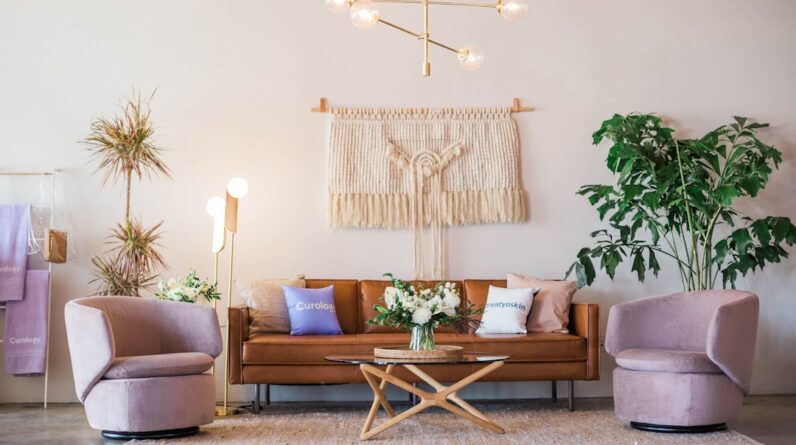
Understanding your personal style is the cornerstone of creating a space that truly reflects who you are. It involves introspection and a keen awareness of your preferences, lifestyle, and the emotions you wish to evoke in your environment. Personal style can be influenced by various factors, including cultural background, travel experiences, and even the art and design movements that resonate with you.
For instance, someone who has spent time in coastal regions may gravitate towards a beachy aesthetic characterized by light colors, natural materials, and a relaxed vibe. Conversely, an individual with a penchant for urban living might prefer a more industrial look, featuring raw materials like metal and concrete, combined with sleek lines and minimalistic decor. To effectively identify your personal style, consider creating a mood board that encapsulates your favorite colors, textures, and design elements.
This visual representation can include images from magazines, fabric swatches, or even photographs of spaces that inspire you. As you curate this collection, patterns will emerge that can guide your design choices. Additionally, reflecting on your daily routines can provide insight into what styles will best serve your needs.
For example, if you enjoy hosting gatherings, a more open and inviting layout with comfortable seating may be essential to your design approach. Ultimately, understanding your personal style is about creating a harmonious environment that feels authentic and nurturing.
Key Takeaways
- Understanding your personal style is crucial for creating a cohesive and comfortable living space.
- Choosing the right color palette can set the tone for the entire room and create the desired atmosphere.
- Utilizing space and layout effectively can make a room feel more spacious and functional.
- Incorporating functional and stylish furniture is essential for both practicality and aesthetics.
- Adding texture and layers can bring depth and visual interest to a room.
Choosing the Right Color Palette
The color palette you choose for your space plays a pivotal role in setting the mood and atmosphere. Colors can evoke emotions and influence how we perceive a room’s size and light. For instance, soft pastels can create a serene and calming environment, making them ideal for bedrooms or relaxation areas.
On the other hand, bold and vibrant hues can energize a space, making them suitable for creative workspaces or social areas. When selecting a color palette, it’s essential to consider not only your personal preferences but also the function of each room. A well-thought-out color scheme often involves a combination of primary colors, secondary colors, and accent shades.
A common approach is to select a dominant color that will serve as the foundation for the room, complemented by secondary colors that add depth and interest. For example, a living room might feature a soft gray as the primary color, accented by navy blue cushions and mustard yellow artwork. This combination creates a cohesive look while allowing for individual expression through decorative elements.
Additionally, consider the impact of natural light on your chosen colors; rooms with ample sunlight may benefit from cooler tones that balance warmth, while darker spaces might thrive with lighter shades to enhance brightness.
Utilizing Space and Layout

The layout of a room is crucial in determining how it functions and feels. An effective space utilization strategy considers both the flow of movement and the arrangement of furniture to create an inviting atmosphere. Begin by assessing the dimensions of the room and identifying focal points such as windows or fireplaces that can guide your layout decisions.
For instance, in a living room, positioning seating around a central coffee table encourages conversation and interaction while maximizing the use of space. In smaller rooms, it’s essential to adopt strategies that create an illusion of openness. Utilizing multi-functional furniture—such as ottomans that double as storage or foldable tables—can help maintain an uncluttered environment while providing necessary functionality.
Additionally, consider the concept of zoning within larger spaces; using rugs or furniture arrangements to delineate areas for different activities can enhance both usability and aesthetic appeal. For example, in an open-concept living area, a cozy reading nook can be established with a comfortable chair and a small side table, creating a distinct space for relaxation amidst the larger social area.
Incorporating Functional and Stylish Furniture
Selecting furniture that balances functionality with style is essential for creating a cohesive design narrative in any space. The right pieces not only serve practical purposes but also contribute to the overall aesthetic of the room. When choosing furniture, consider both its form and function; for example, a sleek sofa can provide comfort while also serving as a statement piece in the living room.
Look for designs that reflect your personal style—whether it’s mid-century modern with clean lines or bohemian with eclectic patterns—and ensure they fit well within your chosen color palette. In addition to aesthetics, functionality should be at the forefront of your furniture selection process. Assess how each piece will be used on a daily basis; for instance, if you have children or pets, opting for durable fabrics that are easy to clean may be more practical than delicate materials.
Furthermore, consider the scale of your furniture in relation to the size of the room; oversized pieces can overwhelm smaller spaces while too-small items may feel lost in larger areas. By thoughtfully selecting furniture that meets both style and functional needs, you can create an environment that is not only beautiful but also livable.
Adding Texture and Layers
Incorporating texture and layers into your design adds depth and visual interest to any space. Texture can be achieved through various materials—such as wood, metal, fabric, and glass—and plays a significant role in creating a tactile experience within the room. For example, pairing smooth leather sofas with chunky knit throws or woven baskets introduces contrasting textures that enhance the overall aesthetic while inviting touch.
Layering is another effective technique for enriching your space. This can be accomplished through textiles such as rugs, curtains, and cushions that add warmth and comfort. A well-layered bed might feature multiple pillows of varying sizes alongside a plush throw blanket draped casually at the foot.
In living areas, layering rugs can create an inviting atmosphere; placing a larger neutral rug beneath a smaller patterned one can define seating areas while adding visual complexity. Additionally, incorporating different heights through furniture arrangements—such as tall bookshelves alongside low coffee tables—can create an engaging visual rhythm throughout the room.
Selecting the Perfect Lighting

Lighting is one of the most critical elements in interior design; it has the power to transform a space dramatically by influencing mood and functionality. A well-lit room feels more inviting and spacious while enhancing the colors and textures present in the decor. When selecting lighting fixtures, consider layering different types of lighting: ambient (general), task (specific), and accent (highlighting features).
This approach allows for flexibility in how you illuminate your space based on activities or time of day. Natural light should also be maximized wherever possible; large windows or strategically placed mirrors can help reflect light throughout the room. In addition to natural sources, consider incorporating various artificial lighting options such as pendant lights over dining areas or floor lamps in reading nooks to create warm pools of light that encourage relaxation.
Dimmers are another valuable addition; they allow you to adjust brightness levels according to mood or occasion, making it easy to transition from bright daytime lighting to softer evening ambiance.
Incorporating Art and Decor
Art and decor are essential components of personalizing your space and expressing individuality. They serve as focal points that draw attention while also providing context for the overall design theme. When selecting artwork or decorative items, consider pieces that resonate with you personally—whether they are paintings from local artists or photographs from your travels—these elements tell your story and make your home uniquely yours.
Incorporating art into your design can be done in various ways; gallery walls featuring an eclectic mix of frames can create visual interest while showcasing your personality. Alternatively, large statement pieces can serve as conversation starters when placed strategically within a room. Beyond wall art, decorative items such as sculptures or vases can add dimension to surfaces like shelves or coffee tables.
When arranging decor items, adhere to principles such as balance and proportion; grouping items in odd numbers often creates a more dynamic display than even-numbered arrangements.
Bringing the Outdoors In
Integrating elements from nature into your interior design not only enhances aesthetic appeal but also promotes well-being by creating a calming atmosphere. Biophilic design principles emphasize the connection between humans and nature; incorporating plants into your decor is one of the most effective ways to achieve this goal. Houseplants not only purify indoor air but also add vibrant color and texture to any space.
Consider using various types of greenery to create visual interest; tall plants like fiddle leaf figs can serve as dramatic focal points in corners while smaller succulents or herbs can adorn windowsills or kitchen counters. Additionally, natural materials such as wood or stone can further enhance this connection to nature; wooden furniture pieces or stone accents contribute warmth and organic beauty to interiors. Large windows or glass doors that open up to outdoor spaces also blur the lines between inside and outside, allowing natural light to flood in while providing views of gardens or landscapes beyond.
By thoughtfully incorporating these elements into your design scheme, you create an environment that feels both refreshing and harmonious with nature.
FAQs
What is interior design?
Interior design is the art and science of enhancing the interior of a space to achieve a healthier and more aesthetically pleasing environment for the people using the space. It involves planning, researching, coordinating, and managing various elements to create a functional and beautiful space.
What are the key elements of interior design?
The key elements of interior design include space, line, forms, light, color, texture, and pattern. These elements are used to create a cohesive and visually appealing space that meets the needs and preferences of the occupants.
What are the different styles of interior design?
There are various styles of interior design, including modern, contemporary, traditional, minimalist, industrial, Scandinavian, bohemian, and many more. Each style has its own unique characteristics and aesthetic, allowing for a wide range of options to suit different tastes and preferences.
What are the steps involved in creating a dream space through interior design?
The steps involved in creating a dream space through interior design include defining the purpose and function of the space, setting a budget, conducting research and gathering inspiration, creating a design plan, selecting appropriate materials and furnishings, and finally, implementing and evaluating the design.
Why is interior design important?
Interior design is important because it has the power to transform a space into a functional, aesthetically pleasing, and comfortable environment. It can improve the quality of life for the occupants, enhance productivity, and create a sense of well-being. Additionally, interior design can also add value to a property and contribute to a positive overall experience for those using the space.