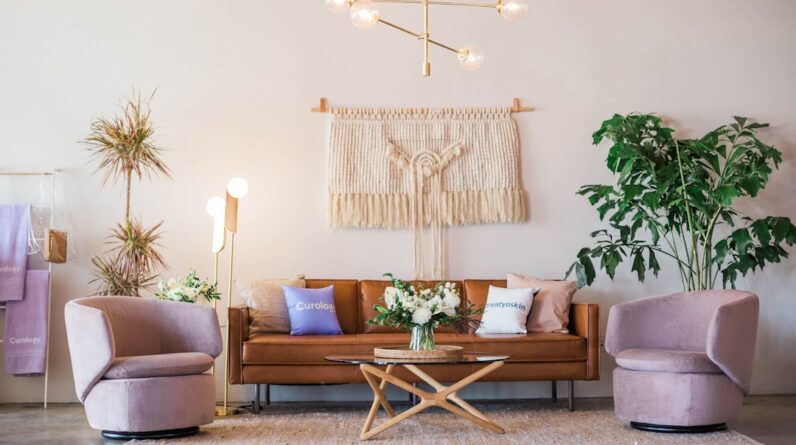
In an era where urban living often means smaller living quarters, the significance of multifunctional spaces cannot be overstated. These areas serve multiple purposes, allowing individuals and families to maximize their limited square footage while maintaining a sense of comfort and functionality. Multifunctional spaces are not merely a trend; they represent a fundamental shift in how we perceive and utilize our environments.
By integrating various functions into a single area, we can create a more efficient living experience that caters to the diverse needs of modern life. For instance, a living room that doubles as a home office can significantly enhance productivity without sacrificing leisure space. This dual-purpose design allows for seamless transitions between work and relaxation, fostering an environment where one can easily switch gears.
Moreover, multifunctional spaces encourage creativity and innovation in design, as they challenge traditional layouts and inspire homeowners to think outside the box. The ability to adapt a room for different activities—be it entertaining guests, working from home, or engaging in hobbies—underscores the importance of flexibility in contemporary living.
Key Takeaways
- Multifunctional spaces are important for maximizing the use of a space and adapting to different needs.
- Designing for flexibility and adaptability allows for easy transitions between different functions within a space.
- Maximizing space and functionality involves thoughtful planning and organization to make the most of available space.
- Incorporating storage solutions helps keep a space organized and clutter-free, contributing to its functionality.
- Creating zones and dividing spaces can help define different areas within a multifunctional space, making it more efficient and practical.
Designing for Flexibility and Adaptability
Transforming Spaces with Movable Partitions
For instance, a room designed with movable partitions can easily transform from an open-concept layout into separate areas for privacy or focused activities.
Modular Furniture for Enhanced Flexibility
Incorporating elements such as modular furniture can further enhance the flexibility of a space. Modular sofas, for example, can be rearranged to suit different occasions, whether hosting a gathering or enjoying a quiet evening at home.
Prioritizing Flexibility in Design
By prioritizing flexibility in design, homeowners can create spaces that are not only aesthetically pleasing but also practical and responsive to their evolving lifestyles. Adjustable shelving units can be reconfigured to accommodate changing storage needs or display preferences, making it easy to adapt to new circumstances.
Maximizing Space and Functionality

Maximizing space and functionality is a critical consideration in the design of multifunctional areas. This involves strategic planning and thoughtful layout choices that prioritize efficiency without compromising comfort. One effective strategy is to utilize vertical space, which often goes underutilized in many homes.
Installing tall bookshelves or cabinets can draw the eye upward while providing ample storage for books, decor, or other essentials. This approach not only frees up floor space but also creates an illusion of height, making rooms feel more expansive. Another method to enhance functionality is through the use of built-in furniture.
Custom-built benches with hidden storage or fold-down tables can provide additional seating and workspace without taking up unnecessary room. These solutions are particularly beneficial in smaller homes where every square inch counts. Furthermore, incorporating multi-use items—such as ottomans that serve as both seating and storage—can significantly increase the utility of a space while maintaining a clean aesthetic.
By focusing on maximizing space through innovative design solutions, homeowners can create environments that are both practical and inviting.
Incorporating Storage Solutions
Effective storage solutions are paramount in multifunctional spaces, as they help maintain organization while ensuring that the area remains visually appealing. Clutter can quickly detract from the functionality of a room, making it essential to integrate smart storage options that blend seamlessly with the overall design. One popular approach is to utilize underutilized areas, such as beneath stairs or within alcoves, to create hidden storage compartments.
These concealed spaces can house everything from seasonal items to everyday essentials, keeping them out of sight yet easily accessible. In addition to hidden storage, open shelving can serve as both a practical solution and a decorative element. By displaying books, plants, or curated collections on shelves, homeowners can add personality to their spaces while also keeping items organized.
Furthermore, incorporating baskets or decorative boxes on shelves can help contain smaller items, preventing visual clutter while maintaining an aesthetically pleasing arrangement. The key is to strike a balance between functionality and style, ensuring that storage solutions enhance rather than detract from the overall design.
Creating Zones and Dividing Spaces
Creating distinct zones within multifunctional spaces is crucial for delineating different activities and enhancing usability. This can be achieved through various design techniques that visually separate areas without the need for permanent walls. For example, area rugs can define specific zones within an open floor plan, such as distinguishing a living area from a dining space.
The use of color and texture in rugs can also contribute to the overall ambiance while providing a clear boundary between different functions. Another effective method for dividing spaces is through the strategic placement of furniture. A well-placed sofa can act as a natural barrier between the living room and dining area, creating a sense of separation while maintaining an open flow.
Additionally, using screens or curtains can provide flexibility in how spaces are divided; they can be drawn closed for privacy or opened up for a more expansive feel when needed. By thoughtfully creating zones within multifunctional spaces, homeowners can enhance both the functionality and aesthetic appeal of their environments.
Choosing Versatile Furniture and Decor
Space-Saving Furniture
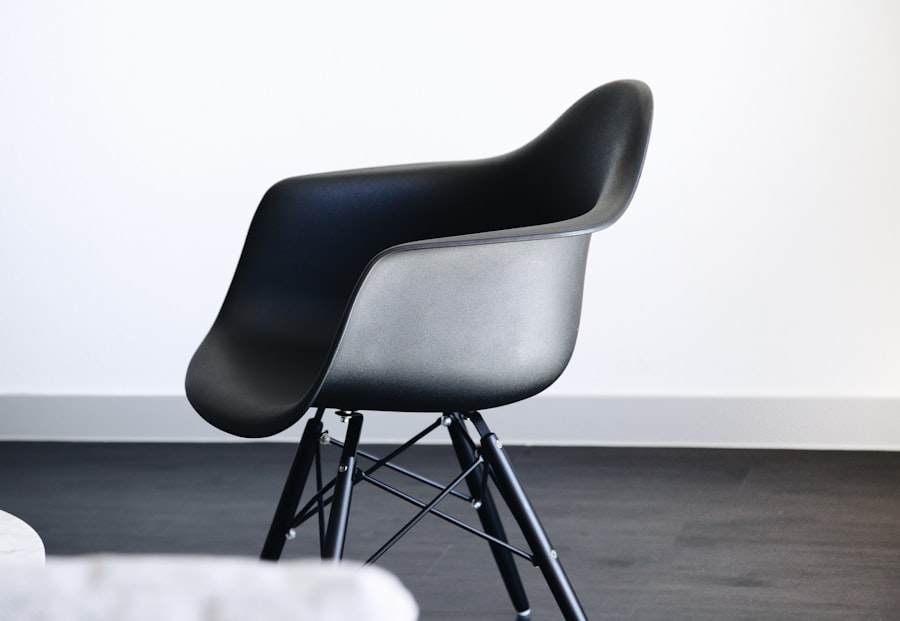
Pieces that serve multiple purposes are essential in multifunctional spaces. For instance, a coffee table with built-in storage can provide both a surface for drinks and snacks as well as a place to stow away magazines or remote controls. Similarly, foldable dining tables can expand to accommodate guests while remaining compact when not in use.
Adaptable Decor
When it comes to decor, choosing items that can easily transition between different styles or functions is key. For example, decorative pillows can add color and comfort to a sofa during casual gatherings but can also be used to create a cozy reading nook when arranged on a floor cushion.
Dynamic Environments
Art pieces that are lightweight and easy to move allow homeowners to refresh their space without significant effort or expense. By prioritizing versatility in furniture and decor selections, individuals can create dynamic environments that adapt to their needs over time.
Utilizing Technology for Flexibility
Incorporating technology into multifunctional spaces offers exciting opportunities for enhancing flexibility and functionality. Smart home devices allow homeowners to control lighting, temperature, and even entertainment systems with ease, creating an environment that adapts to their preferences at any given moment. For instance, programmable lighting systems can shift from bright task lighting during work hours to soft ambient lighting for relaxation in the evening.
Moreover, technology can facilitate seamless transitions between different activities within a space. Wireless speakers enable users to enjoy music while cooking or working without being tethered to a specific location. Additionally, smart furniture—such as adjustable desks—can cater to various work styles by allowing users to switch between sitting and standing positions effortlessly.
By embracing technology in design, homeowners can create multifunctional spaces that are not only stylish but also responsive to their daily routines.
Tips for Maintaining a Balanced and Harmonious Design
Maintaining a balanced and harmonious design in multifunctional spaces requires careful consideration of aesthetics and functionality. One effective strategy is to establish a cohesive color palette that ties together various elements within the space. By selecting complementary colors for walls, furniture, and decor, homeowners can create a unified look that enhances visual appeal while ensuring that each area serves its intended purpose.
Additionally, it is essential to regularly assess the functionality of each zone within the space. As lifestyles change or family dynamics evolve, certain areas may require reconfiguration or repurposing to better meet current needs. This ongoing evaluation allows homeowners to adapt their environments proactively rather than reactively, ensuring that multifunctional spaces remain effective over time.
Incorporating personal touches—such as family photos or cherished artwork—can also contribute to a sense of harmony within multifunctional spaces. These elements not only reflect individual style but also foster emotional connections within the environment. By balancing aesthetics with practicality and regularly reassessing needs, homeowners can cultivate multifunctional spaces that are both beautiful and functional for years to come.
FAQs
What is interior design for multifunctional spaces?
Interior design for multifunctional spaces is the practice of creating versatile and flexible living areas that can serve multiple purposes. This type of design maximizes the use of space and allows for seamless transitions between different activities within a single area.
What are the benefits of multifunctional spaces?
Multifunctional spaces offer several benefits, including maximizing the use of limited space, promoting flexibility and adaptability, and creating a more efficient and practical living environment. They also allow for greater creativity and personalization in interior design.
How can interior design for multifunctional spaces be achieved?
Achieving interior design for multifunctional spaces involves careful planning and consideration of the specific needs and activities that the space will accommodate. This may include the use of modular furniture, flexible storage solutions, and strategic layout and zoning of different areas within the space.
What are some examples of multifunctional spaces?
Examples of multifunctional spaces include studio apartments that combine living, sleeping, and working areas, as well as open-plan living rooms that incorporate dining, lounging, and entertainment spaces. Other examples include home offices that double as guest bedrooms, and compact kitchens with integrated dining and socializing areas.
What are some key principles of interior design for multifunctional spaces?
Key principles of interior design for multifunctional spaces include maximizing natural light and ventilation, utilizing space-saving furniture and storage solutions, creating clear and flexible circulation paths, and incorporating adaptable and multi-purpose elements into the design. Flexibility, functionality, and aesthetics are also important considerations.