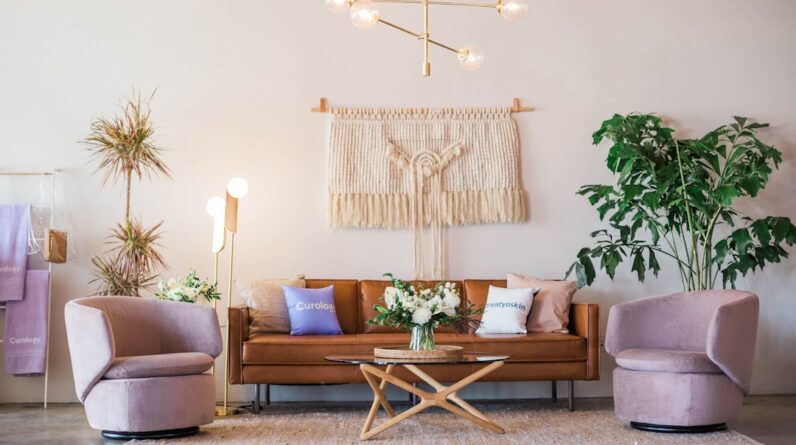
In the realm of interior design, maximizing storage in small spaces is a challenge that many face, particularly in urban environments where square footage is at a premium. The key to effective storage lies in understanding the potential of every nook and cranny within a room. For instance, under-bed storage solutions can be a game-changer; utilizing bins or drawers that slide easily beneath the bed can free up valuable closet space.
Additionally, furniture with built-in storage, such as ottomans or coffee tables with hidden compartments, can serve dual purposes while keeping clutter at bay. Another innovative approach to maximizing storage is the use of wall-mounted shelves. These shelves not only provide a place for books and decorative items but can also be strategically placed to hold everyday essentials, thereby reducing the need for bulky furniture.
By opting for floating shelves, one can create an airy feel while still benefiting from additional storage. Furthermore, incorporating hooks and pegboards into the design can transform walls into functional spaces for hanging items like bags, hats, or kitchen utensils, effectively utilizing vertical space that would otherwise remain empty.
Key Takeaways
- Use storage solutions such as under-bed storage, hanging organizers, and wall-mounted shelves to maximize storage in small spaces.
- Choose furniture that serves multiple purposes, such as a sofa bed or a coffee table with built-in storage, to make the most of limited space.
- Utilize vertical space by installing tall shelves, hanging plants, and using wall-mounted hooks for storage.
- Create the illusion of space by strategically placing mirrors to reflect light and using lighting to brighten up the room.
- Select a light and neutral color palette to make small rooms feel more spacious and airy.
- Incorporate clever organization solutions such as drawer dividers, closet organizers, and storage baskets to keep clutter at bay.
- Bring the outdoors in by adding greenery and natural elements to small spaces to create a sense of openness and freshness.
- Embrace minimalism by decluttering and only keeping essential items, creating a clean and open feel in small spaces.
Choosing Multi-Functional Furniture
Reducing Clutter and Maximizing Space
The selection of multi-functional furniture is crucial when it comes to optimizing small living areas. Pieces that serve more than one purpose can significantly reduce the amount of furniture needed, which in turn minimizes clutter and maximizes usable space. For example, a sofa bed can transform a living room into a guest bedroom without the need for a separate guest room.
Adaptable Furniture for Versatile Living
Similarly, a dining table that expands can accommodate both intimate dinners and larger gatherings, adapting to the needs of the moment. Moreover, consider furniture that incorporates storage solutions within its design. A bench with built-in storage can serve as both seating and a place to stow away shoes or blankets.
Versatile Pieces for a Dynamic Living Environment
Nesting tables are another excellent option; they can be separated for use when entertaining guests and tucked away when not needed, thus saving space. The versatility of these pieces not only enhances functionality but also allows for a more fluid and dynamic living environment, where each item contributes to the overall utility of the space.
Utilizing Vertical Space

Utilizing vertical space is an essential strategy in small room design that often goes overlooked. When floor space is limited, looking upwards can provide a wealth of opportunities for both storage and aesthetic enhancement. Tall bookshelves or cabinets can draw the eye upward, creating an illusion of height while providing ample storage for books, decor, and other items.
By arranging items in a visually appealing manner on these vertical surfaces, one can create focal points that add character to the room. In addition to shelving, vertical gardens or wall planters can introduce greenery into small spaces without consuming precious floor area. These installations not only beautify the environment but also improve air quality and create a sense of tranquility.
Furthermore, hanging light fixtures or artwork at varying heights can add depth and interest to the walls, making the space feel more expansive. By embracing verticality in design, one can transform even the smallest of rooms into functional and visually engaging areas.
Creating Illusions of Space with Mirrors and Lighting
Mirrors and lighting are powerful tools in creating the illusion of space within small rooms. Strategically placed mirrors can reflect light and create depth, making a room feel larger than it actually is. For instance, a large mirror on one wall can visually double the space while also serving as a decorative element.
Additionally, mirrored furniture or decor can enhance this effect by bouncing light around the room, further contributing to an airy atmosphere. Lighting plays an equally crucial role in shaping perceptions of space. Natural light should be maximized wherever possible; sheer curtains allow sunlight to filter through while maintaining privacy.
In areas where natural light is limited, layered lighting—combining ambient, task, and accent lighting—can create warmth and dimension. Wall sconces or recessed lighting can illuminate corners that might otherwise feel dark and cramped. By thoughtfully integrating mirrors and lighting into the design scheme, one can cultivate an environment that feels open and inviting.
Selecting the Right Color Palette for Small Rooms
The color palette chosen for small rooms can significantly influence their perceived size and ambiance. Lighter colors tend to reflect light, making spaces feel more open and airy. Soft whites, pale blues, and light grays are excellent choices for walls as they create a serene backdrop that enhances natural light.
Conversely, darker colors can absorb light and make a room feel cozier but may also risk making it feel smaller if not balanced with adequate lighting and decor. In addition to wall colors, incorporating pops of color through accessories such as cushions, rugs, or artwork can add personality without overwhelming the space. A monochromatic scheme with varying shades of a single color can also create a cohesive look that feels expansive rather than cluttered.
Furthermore, using color strategically—such as painting one accent wall in a bolder hue—can draw attention away from less desirable features while adding visual interest. The right color choices not only enhance the aesthetic appeal but also play a crucial role in how spacious a room feels.
Incorporating Clever Organization Solutions

Categorize and Zone
In small spaces, every item must have its designated place to maintain order. One effective method is to categorize items by function and designate specific zones within the room for each category. For example, in a small home office setup, having distinct areas for work materials, personal items, and supplies can streamline organization and improve efficiency.
Utilize Storage Solutions
Utilizing drawer dividers or labeled bins can further enhance this system by ensuring that everything has its place. Another innovative approach is to embrace modular storage systems that can be customized according to changing needs. These systems allow for flexibility; as your requirements evolve—whether due to lifestyle changes or seasonal needs—the organization solution can adapt accordingly.
Add Decorative Touches
Incorporating baskets or decorative boxes on shelves not only keeps items organized but also adds texture and visual interest to the decor. By implementing these clever organization strategies, one can create an environment that feels both functional and aesthetically pleasing.
Incorporating Greenery and Natural Elements
Incorporating greenery and natural elements into small spaces can significantly enhance their ambiance while promoting well-being. Plants have been shown to improve air quality and reduce stress levels; thus, adding greenery can transform a small room into a refreshing oasis. For those with limited floor space, consider vertical gardens or hanging planters that allow you to enjoy nature without sacrificing valuable square footage.
Natural materials such as wood or stone can also contribute to a warm and inviting atmosphere. Wooden furniture or accents bring an organic touch that softens the overall aesthetic of a small room. Additionally, using natural textiles like cotton or linen for curtains or upholstery can create a sense of comfort while maintaining an airy feel.
By thoughtfully integrating greenery and natural elements into the design scheme, one can cultivate an environment that feels vibrant and alive.
Embracing Minimalism and Decluttering
Embracing minimalism is perhaps one of the most effective strategies for maximizing small spaces. The principle of “less is more” encourages individuals to evaluate their belongings critically and retain only those items that serve a purpose or bring joy. This approach not only reduces clutter but also creates a more serene living environment where each piece has significance.
Decluttering goes hand-in-hand with minimalism; regularly assessing possessions and letting go of items that are no longer needed or used is essential for maintaining an organized space. Implementing a “one in, one out” rule—whereby acquiring new items necessitates parting with old ones—can help keep clutter at bay over time. Additionally, adopting multifunctional items reduces the need for excess furniture while promoting a streamlined aesthetic.
By embracing minimalism and decluttering practices, individuals can transform their small spaces into havens of tranquility and efficiency.
FAQs
What is small space interior design?
Small space interior design is the practice of creating functional and visually appealing living spaces within compact homes or apartments. It involves maximizing the use of available space, utilizing smart storage solutions, and employing design techniques to make the space feel larger and more open.
What are some key principles of small space interior design?
Key principles of small space interior design include maximizing natural light, using multi-functional furniture, incorporating built-in storage, utilizing light and neutral colors, and creating visual continuity to make the space feel larger.
What are some popular small space interior design trends?
Popular small space interior design trends include open shelving, modular furniture, wall-mounted storage solutions, foldable or expandable furniture, and the use of mirrors to create the illusion of more space.
How can I make a small space feel bigger through interior design?
To make a small space feel bigger, you can use light and neutral colors, incorporate mirrors to reflect light and create the illusion of more space, utilize multi-functional furniture, maximize natural light, and create visual continuity through design elements such as flooring and wall treatments.
What are some common challenges in small space interior design?
Common challenges in small space interior design include limited storage options, finding furniture that fits the space, creating a sense of openness and flow, and balancing functionality with aesthetics.