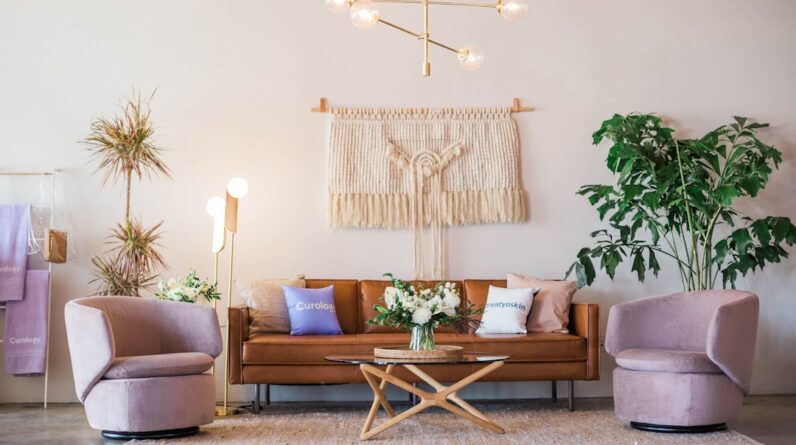
Sustainable interior design is an approach that prioritizes environmental responsibility while creating functional and aesthetically pleasing spaces. This design philosophy recognizes the impact that our choices in materials, products, and processes have on the planet. As awareness of climate change and environmental degradation grows, more designers and homeowners are seeking ways to minimize their ecological footprint.
Sustainable interior design not only focuses on reducing waste and conserving resources but also emphasizes the importance of creating healthy living environments that enhance well-being. The principles of sustainable interior design encompass a wide range of practices, from selecting eco-friendly materials to optimizing energy efficiency. It involves a holistic view of the entire design process, considering the lifecycle of products and their effects on both the environment and human health.
By integrating sustainability into interior design, we can create spaces that are not only beautiful but also contribute positively to the planet and its inhabitants. This approach encourages a shift from traditional design methods to innovative solutions that prioritize sustainability without sacrificing style or comfort.
Key Takeaways
- Sustainable interior design focuses on creating spaces that are environmentally friendly, socially responsible, and economically viable.
- Eco-friendly materials such as reclaimed wood, bamboo, and recycled metal can be used for furniture and decor to reduce environmental impact.
- Energy-efficient lighting and appliances help to minimize energy consumption and reduce utility costs in a sustainable home.
- Indoor air quality can be improved by using non-toxic paints and finishes, as well as incorporating natural ventilation and air purifying plants.
- Sustainable flooring options such as cork, bamboo, and reclaimed wood offer durable and environmentally friendly alternatives to traditional flooring materials.
Eco-Friendly Materials for Furniture and Decor
When it comes to sustainable interior design, the choice of materials plays a crucial role. Eco-friendly materials are those that are sourced responsibly, have a low environmental impact, and are often biodegradable or recyclable. For instance, reclaimed wood is a popular choice for furniture and decor due to its unique character and minimal processing requirements.
By repurposing wood from old buildings or furniture, designers can create stunning pieces that tell a story while reducing the demand for new timber. Another excellent option is bamboo, which is known for its rapid growth and renewability. Bamboo furniture is not only stylish but also incredibly durable, making it an ideal choice for various interior applications.
Additionally, organic textiles made from cotton, linen, or hemp are gaining traction in sustainable design. These materials are grown without harmful pesticides or chemicals, ensuring a healthier environment for both producers and consumers. By opting for eco-friendly materials, designers can create spaces that reflect a commitment to sustainability while providing comfort and style.
Energy-Efficient Lighting and Appliances

Energy efficiency is a cornerstone of sustainable interior design, particularly when it comes to lighting and appliances. The transition from traditional incandescent bulbs to LED lighting has revolutionized the way we illuminate our homes. LED lights consume significantly less energy and have a longer lifespan compared to their incandescent counterparts.
This shift not only reduces electricity bills but also decreases the overall carbon footprint associated with energy consumption. In addition to lighting, energy-efficient appliances play a vital role in sustainable interior design. Appliances that are ENERGY STAR certified use less energy and water than standard models, making them an excellent choice for eco-conscious homeowners.
For example, energy-efficient refrigerators, washing machines, and dishwashers can significantly reduce household energy consumption while maintaining high performance. By incorporating these technologies into interior spaces, designers can create environments that are both functional and environmentally responsible.
Indoor Air Quality and Non-Toxic Paints
Indoor air quality is an often-overlooked aspect of sustainable interior design. Many conventional paints, finishes, and adhesives release volatile organic compounds (VOCs) that can negatively impact health and well-being. To promote a healthier indoor environment, designers are increasingly turning to non-toxic paints and finishes that are free from harmful chemicals.
These products not only improve air quality but also reduce the risk of respiratory issues and allergies among occupants. Natural paints made from plant-based ingredients or mineral pigments offer an eco-friendly alternative to traditional paints. Brands like BioShield and Earthborn provide a range of non-toxic options that come in various colors and finishes, allowing designers to achieve their desired aesthetic without compromising on health or sustainability.
Furthermore, incorporating proper ventilation systems can enhance indoor air quality by ensuring a constant flow of fresh air while reducing humidity levels. This focus on air quality is essential for creating spaces that support the health and well-being of their inhabitants.
Sustainable Flooring Options
Flooring is another critical element in sustainable interior design, as it significantly impacts both aesthetics and environmental sustainability. Traditional flooring materials like vinyl or laminate often contain harmful chemicals and are not biodegradable. In contrast, sustainable flooring options include natural materials such as cork, bamboo, reclaimed wood, and linoleum.
Cork is particularly noteworthy due to its renewable nature; harvested from the bark of cork oak trees without harming the tree itself, it provides a soft, durable surface that is also naturally resistant to mold and mildew. Reclaimed wood flooring offers a unique charm while promoting sustainability by repurposing existing materials. Each plank carries its own history, adding character to any space while reducing the demand for new timber.
Linoleum, made from natural materials like linseed oil, cork dust, and wood flour, is another eco-friendly option that is biodegradable at the end of its life cycle. By selecting sustainable flooring materials, designers can create beautiful interiors that align with environmentally responsible practices.
Incorporating Biophilic Design Elements

Biophilic design is an innovative approach that seeks to connect people with nature within built environments. This concept recognizes the psychological benefits of incorporating natural elements into interior spaces, such as improved mood, reduced stress levels, and enhanced creativity. Designers can achieve biophilic design by integrating features like indoor plants, natural light, water elements, and organic shapes into their projects.
Indoor plants not only purify the air but also add vibrancy and life to interiors. Incorporating greenery through vertical gardens or strategically placed potted plants can create a calming atmosphere while improving overall well-being. Additionally, maximizing natural light through large windows or skylights fosters a connection with the outdoors and reduces reliance on artificial lighting during the day.
By embracing biophilic design principles, interior spaces can become more inviting and restorative while promoting a deeper connection between occupants and their environment.
Upcycling and Repurposing in Interior Design
Upcycling and repurposing are creative strategies that align perfectly with sustainable interior design principles. These practices involve transforming discarded or unused items into functional decor or furniture pieces, thereby reducing waste and promoting resourcefulness. For example, an old wooden ladder can be repurposed into a unique bookshelf or plant stand, adding character to a space while diverting waste from landfills.
The trend of upcycling has gained momentum in recent years as more designers seek innovative ways to incorporate pre-loved items into their projects. Vintage furniture can be refurbished with new upholstery or paint to give it a fresh look while retaining its original charm. This approach not only supports sustainability but also allows for personalized design choices that reflect individual style preferences.
By embracing upcycling and repurposing, designers can create distinctive interiors that tell a story while minimizing environmental impact.
Tips for Creating a Stylish and Sustainable Home
Creating a stylish yet sustainable home requires thoughtful planning and consideration of various elements within the space. One effective tip is to prioritize quality over quantity when selecting furniture and decor items. Investing in well-made pieces that will stand the test of time reduces the need for frequent replacements and minimizes waste in the long run.
Another important aspect is to embrace minimalism by decluttering spaces and focusing on essential items that serve multiple purposes. This approach not only enhances aesthetics but also promotes a sense of calm within the home environment. Additionally, incorporating local artisans or sustainable brands into your design choices supports local economies while reducing transportation emissions associated with imported goods.
Finally, consider implementing smart home technologies that optimize energy usage throughout your space. Smart thermostats, lighting systems, and appliances can help monitor energy consumption and adjust settings accordingly to maximize efficiency. By combining these strategies with an eye for design, homeowners can create beautiful interiors that reflect their commitment to sustainability while providing comfort and functionality for years to come.
FAQs
What is sustainable interior design?
Sustainable interior design focuses on creating spaces that are environmentally friendly, energy efficient, and socially responsible. It involves using eco-friendly materials, reducing waste, and promoting healthy indoor air quality.
What are some eco-friendly materials used in sustainable interior design?
Some eco-friendly materials used in sustainable interior design include reclaimed wood, bamboo, cork, recycled glass, and low-VOC (volatile organic compound) paints and finishes. These materials are renewable, recyclable, and have a lower environmental impact.
How can sustainable interior design contribute to energy efficiency?
Sustainable interior design can contribute to energy efficiency by incorporating natural lighting, using energy-efficient appliances and fixtures, and implementing proper insulation and ventilation systems. These measures can reduce energy consumption and lower the carbon footprint of a space.
What are some stylish choices for sustainable interior design?
Stylish choices for sustainable interior design include modern and minimalist furniture made from sustainable materials, vintage or upcycled decor pieces, and indoor plants for natural air purification. Additionally, incorporating natural textures and earthy color palettes can create a stylish and eco-friendly aesthetic.
How can sustainable interior design promote healthy indoor air quality?
Sustainable interior design can promote healthy indoor air quality by using low-VOC paints and finishes, choosing natural and non-toxic materials, and implementing proper ventilation systems. These measures can reduce indoor air pollution and create a healthier living environment.