Feng Shui, an ancient Chinese practice, is rooted in the belief that the arrangement of our surroundings can significantly influence our well-being and fortune. The term itself translates to “wind” (feng) and “water” (shui), two elements that symbolize the flow of energy, or “qi” (pronounced “chee”). This practice dates back over 3,000 years and has evolved into a comprehensive system that encompasses various aspects of life, including architecture, interior design, and even urban planning.
At its core, Feng Shui seeks to create environments that promote harmony and balance, allowing individuals to thrive both physically and emotionally. The principles of Feng Shui are based on the idea that everything in our environment is interconnected. The arrangement of furniture, the choice of colors, and even the presence of natural elements can all affect the flow of energy within a space.
Practitioners believe that by aligning our living spaces with the natural world, we can enhance our health, relationships, and overall prosperity. This alignment is achieved through careful consideration of spatial orientation, the placement of objects, and the incorporation of specific elements that resonate with positive energy.
Key Takeaways
- Feng Shui is the ancient Chinese practice of arranging your environment to enhance energy flow and create harmony.
- The five elements (wood, fire, earth, metal, and water) have specific influences on design and can be used to create balance in different rooms.
- Different rooms in your home require different approaches to achieve balance and harmony, such as using calming colors in the bedroom and energizing colors in the kitchen.
- Furniture arrangement plays a crucial role in Feng Shui, with tips such as keeping pathways clear and positioning furniture to promote conversation and connection.
- Color and light can be used to enhance energy flow in your space, with warm colors and natural light promoting positive energy.
The Five Elements and Their Influence on Design
Central to Feng Shui are the Five Elements: Wood, Fire, Earth, Metal, and Water. Each element embodies unique characteristics and influences various aspects of life. Wood represents growth and vitality; it is associated with creativity and expansion.
Fire symbolizes passion and energy, often linked to fame and recognition. Earth embodies stability and nourishment, fostering a sense of grounding and security. Metal signifies clarity and precision, often associated with wealth and prosperity.
Lastly, Water represents flow and adaptability, influencing emotions and communication. Incorporating these elements into design can significantly enhance the energy of a space. For instance, a room designed with wooden furniture and green plants can evoke feelings of growth and vitality, making it an ideal environment for creativity.
Conversely, a space dominated by metal accents may foster clarity and focus, making it suitable for work or study areas. Understanding how to balance these elements is crucial; an excess of one element can lead to disharmony. For example, too much fire can create an overwhelming atmosphere, while an abundance of water may lead to feelings of stagnation or lethargy.
Creating Balance and Harmony in Different Rooms

Each room in a home serves a distinct purpose and requires a tailored approach to achieve balance and harmony. In the bedroom, for instance, the focus should be on creating a serene environment conducive to rest and relaxation. This can be achieved through soft colors, comfortable bedding, and minimal clutter.
Positioning the bed in a commanding position—where it has a clear view of the door without being directly in line with it—can enhance feelings of safety and security. In contrast, the living room is often a space for social interaction and entertainment. Here, the arrangement should encourage conversation and connection.
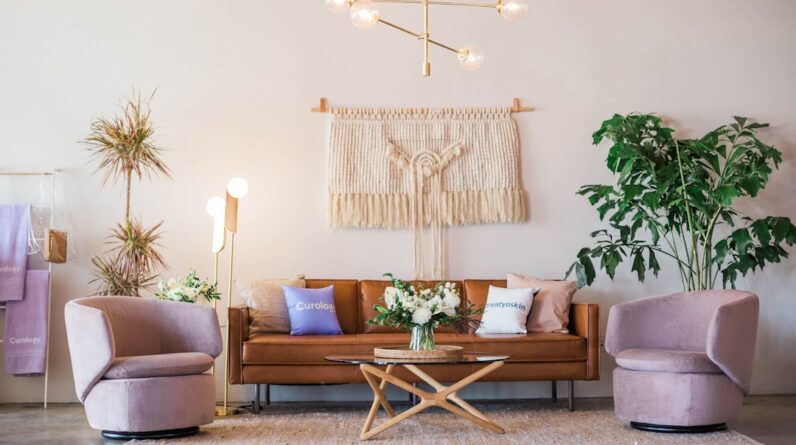
A circular seating arrangement can facilitate communication among guests, while incorporating elements like plants or artwork can enhance the room’s energy. The kitchen, as the heart of the home, should promote nourishment and health. Utilizing warm colors and ensuring that the space is well-lit can create an inviting atmosphere that encourages family gatherings and shared meals.
Feng Shui Tips for Furniture Arrangement
Furniture arrangement plays a pivotal role in Feng Shui, as it directly impacts the flow of energy within a space. One fundamental principle is to avoid blocking pathways; furniture should be arranged to allow for easy movement throughout the room. This not only enhances physical flow but also promotes a sense of freedom and openness.
For example, in a living room, placing sofas away from walls can create a more inviting atmosphere while allowing energy to circulate freely. Another important consideration is the placement of key furniture pieces in relation to one another. In a dining room, positioning the table centrally can foster a sense of unity among family members during meals.
Additionally, ensuring that chairs are comfortable and supportive can enhance feelings of security and well-being. In bedrooms, nightstands should be placed on either side of the bed to create balance; this arrangement symbolizes partnership and equality in relationships.
Using Color and Light to Enhance Energy Flow
Color is a powerful tool in Feng Shui that can significantly influence mood and energy levels within a space. Each color corresponds to specific emotions and elements; for instance, blue is associated with calmness and tranquility (Water), while red symbolizes passion and excitement (Fire). When selecting colors for a room, it’s essential to consider not only personal preferences but also how those colors will interact with the overall energy of the space.
Lighting also plays a crucial role in enhancing energy flow. Natural light is considered highly beneficial in Feng Shui as it promotes vitality and positivity. Maximizing natural light through large windows or mirrors can create an uplifting atmosphere.
In areas where natural light is limited, incorporating warm artificial lighting can help maintain a cozy ambiance. Additionally, using dimmers allows for flexibility in adjusting light levels according to different activities or moods.
Incorporating Natural Elements for a Serene Space

Integrating natural elements into interior design is fundamental to achieving a serene environment in Feng Shui. Plants are one of the most effective ways to bring nature indoors; they not only purify the air but also symbolize growth and vitality. Choosing plants with rounded leaves can enhance positive energy flow, while thorny plants should be avoided as they may create negative energy.
Water features are another excellent way to incorporate natural elements into design. The sound of flowing water is soothing and promotes relaxation; small indoor fountains or aquariums can serve as focal points that enhance tranquility within a space. Additionally, using natural materials such as wood, stone, or bamboo in furniture or decor can create a grounding effect that connects individuals with nature.
Decluttering and Organizing for Positive Energy
Decluttering is an essential practice in Feng Shui that directly impacts the flow of energy within a space. A cluttered environment can lead to feelings of chaos and overwhelm, hindering personal growth and well-being. To create a harmonious atmosphere, it’s important to regularly assess belongings and remove items that no longer serve a purpose or bring joy.
This process not only clears physical space but also promotes mental clarity. Organizing belongings thoughtfully can further enhance positive energy flow. Utilizing storage solutions that are both functional and aesthetically pleasing can help maintain order without sacrificing style.
For example, decorative baskets or boxes can be used to store items while adding visual interest to a room. Additionally, ensuring that frequently used items are easily accessible can reduce frustration and promote a sense of ease within daily routines.
Bringing Feng Shui Principles into Modern Design Trends
As contemporary design trends evolve, integrating Feng Shui principles into modern aesthetics has become increasingly popular. Minimalism, characterized by clean lines and uncluttered spaces, aligns well with Feng Shui’s emphasis on simplicity and order. By adopting minimalist design principles while incorporating natural elements and thoughtful arrangements, individuals can create spaces that feel both modern and harmonious.
Sustainable design practices also resonate with Feng Shui principles by promoting environmental consciousness and well-being. Using eco-friendly materials not only benefits the planet but also enhances the overall energy of a space by fostering a connection with nature. Additionally, open-concept layouts have gained popularity in modern homes; when designed thoughtfully with Feng Shui in mind—such as ensuring clear pathways between spaces—these layouts can promote fluidity and connection among family members.
Incorporating Feng Shui into modern design trends allows individuals to create spaces that are not only visually appealing but also nurturing for the mind, body, and spirit. By understanding the foundational principles of Feng Shui and applying them thoughtfully within contemporary contexts, one can cultivate environments that support personal growth, well-being, and harmony in everyday life.
FAQs
What is Feng Shui?
Feng Shui is a traditional Chinese practice that involves arranging the environment to create harmony and balance. It is based on the idea that the arrangement of objects and spaces can affect the flow of energy, or “chi,” and influence a person’s well-being.
How does Feng Shui relate to interior design?
In interior design, Feng Shui principles are used to create a harmonious and balanced environment. This can involve the placement of furniture, the use of color, and the organization of space to promote positive energy flow and enhance the overall well-being of the occupants.
What are some key principles of Feng Shui in interior design?
Some key principles of Feng Shui in interior design include the use of natural light, the incorporation of elements such as wood, metal, water, earth, and fire, the removal of clutter, and the promotion of a sense of balance and harmony in the space.
How can Feng Shui be applied to different rooms in a home?
Feng Shui can be applied to different rooms in a home by considering the specific function of each room and using design elements to promote the desired energy flow. For example, in the bedroom, Feng Shui principles may be used to create a calming and restful environment, while in the kitchen, the focus may be on promoting abundance and nourishment.
Are there specific colors or materials that are commonly used in Feng Shui interior design?
In Feng Shui interior design, specific colors and materials are often used to promote certain energies. For example, earthy tones and natural materials such as wood and stone are often used to create a sense of grounding and stability, while the use of water elements such as mirrors or the color blue can promote a sense of flow and abundance.