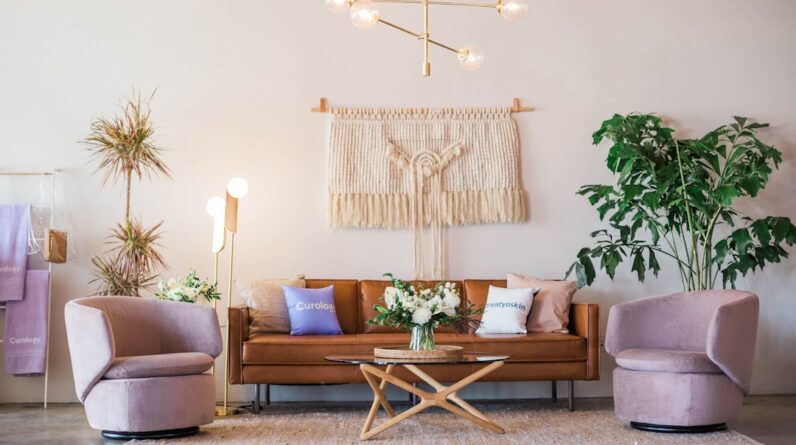
Minimalism in interior design has undergone a significant transformation since its inception in the early 20th century. Initially rooted in the modernist movement, minimalism emerged as a reaction against the ornate and elaborate styles that dominated the Victorian era. Pioneers like Ludwig Mies van der Rohe and Le Corbusier championed simplicity, advocating for clean lines and functional forms.
Their designs emphasized the idea that “less is more,” stripping away unnecessary embellishments to focus on the essence of a space. This philosophy resonated with the post-war generation, who sought to create environments that reflected their values of efficiency and practicality. As the decades progressed, minimalism evolved further, influenced by various cultural and artistic movements.
The 1960s and 1970s saw a rise in minimalist art, with artists like Donald Judd and Agnes Martin exploring the concept of reduction in their work. This artistic exploration seeped into interior design, leading to a more refined aesthetic characterized by open spaces, neutral color palettes, and an emphasis on natural materials. By the 1990s, minimalism had become synonymous with a lifestyle choice, appealing to those who desired a clutter-free existence.
The advent of technology and the digital age further propelled this movement, as people began to prioritize experiences over possessions, leading to a resurgence of interest in minimalist living.
Key Takeaways
- Minimalism in interior design has evolved from a focus on functionality and simplicity to a more holistic approach that emphasizes clean lines, open spaces, and a sense of calm and tranquility.
- The principles of modern minimalism include decluttering, using a neutral color palette, incorporating natural materials, and prioritizing quality over quantity.
- To incorporate minimalist elements into your home, consider decluttering and organizing your space, using a neutral color palette, incorporating natural materials, and choosing furniture with clean lines and simple designs.
- Color and texture play a crucial role in minimalist design, with an emphasis on using a neutral color palette and incorporating texture through natural materials such as wood, stone, and metal.
- When choosing furniture for a minimalist space, prioritize functionality, clean lines, and simple designs, and opt for pieces that serve multiple purposes to maximize space and minimize clutter.
The Principles of Modern Minimalism
Modern minimalism is grounded in several core principles that guide its application in interior design. One of the most fundamental tenets is the idea of functionality. Every element within a minimalist space should serve a purpose, whether it be aesthetic or practical.
This principle encourages designers and homeowners alike to evaluate their belongings critically, retaining only those items that contribute meaningfully to their lives. This focus on utility not only enhances the overall design but also fosters a sense of clarity and peace within the home. Another key principle is the use of negative space.
In minimalist design, empty areas are just as important as filled ones. These voids create breathing room, allowing the eye to rest and emphasizing the beauty of the objects that do occupy the space. This approach can be seen in various minimalist designs, where furniture is strategically placed to create an open flow, inviting movement and interaction.
Additionally, modern minimalism often embraces a monochromatic or limited color palette, which further enhances the sense of tranquility and cohesion throughout a space. By adhering to these principles, designers can create environments that are not only visually appealing but also conducive to a serene lifestyle.
Incorporating Minimalist Elements into Your Home

Incorporating minimalist elements into your home can be both an exciting and transformative process. One effective way to begin is by decluttering your space. This involves assessing your belongings and determining what is truly necessary or meaningful.
Start with one room at a time, removing items that do not serve a purpose or bring you joy. This practice not only clears physical space but also creates mental clarity, allowing you to appreciate the beauty of simplicity. Once you have decluttered, consider how you can introduce minimalist design principles into your decor.
Opt for furniture with clean lines and simple forms, avoiding overly ornate pieces that can overwhelm a space. Accessories should be kept to a minimum; instead of filling surfaces with knick-knacks, choose a few statement pieces that reflect your personal style. Natural materials such as wood, stone, and metal can add warmth and texture without detracting from the minimalist aesthetic.
Additionally, consider incorporating plants into your design; they bring life to a space while maintaining an uncluttered look.
The Role of Color and Texture in Minimalist Design
Color and texture play pivotal roles in establishing the atmosphere of a minimalist space. A carefully curated color palette can evoke feelings of calmness and serenity, which are essential in minimalist design. Neutral tones such as whites, grays, and beiges are often favored for their ability to create a cohesive backdrop that allows other elements to shine.
However, this does not mean that color should be entirely absent; strategically placed pops of color can add interest and personality without overwhelming the senses. Texture is equally important in minimalist design, as it adds depth and dimension to an otherwise simple aesthetic. Incorporating various textures—such as soft textiles, smooth ceramics, or rough-hewn wood—can create visual intrigue while maintaining a sense of harmony.
For instance, pairing a sleek leather sofa with a chunky knit throw can create a balanced contrast that invites comfort without compromising minimalism. By thoughtfully considering both color and texture, you can cultivate an environment that feels both inviting and uncluttered.
Choosing the Right Furniture for a Minimalist Space
Selecting furniture for a minimalist space requires careful consideration of both form and function. The ideal pieces should embody simplicity while also serving practical purposes. When shopping for furniture, look for items that feature clean lines and geometric shapes; these characteristics help maintain an uncluttered visual aesthetic.
Multi-functional furniture is particularly valuable in minimalist design; for example, a coffee table with built-in storage can help keep clutter at bay while providing essential surface area. Additionally, consider the scale of your furniture in relation to your space. Oversized pieces can overwhelm a room and detract from the minimalist ethos.
Instead, opt for furniture that complements the proportions of your space, allowing for easy movement and flow. Materials also play a crucial role; lightweight options such as metal or glass can create an airy feel, while solid wood can add warmth without sacrificing simplicity. Ultimately, the right furniture choices will enhance your minimalist vision while ensuring that your home remains functional and inviting.
Maximizing Functionality in a Minimalist Home
Maximizing functionality is at the heart of minimalist design philosophy. In order to create spaces that are both aesthetically pleasing and practical, it is essential to prioritize how each area will be used. Begin by assessing your daily routines and identifying areas where efficiency can be improved.
For instance, if you find yourself frequently searching for items in your kitchen, consider implementing designated zones for cooking, prep work, and storage to streamline your workflow. Storage solutions are crucial in maintaining functionality within a minimalist home. Built-in cabinetry or shelving can provide ample storage without taking up valuable floor space.
Additionally, consider using vertical storage options to draw the eye upward and create an illusion of height within smaller rooms. When selecting storage solutions, choose designs that blend seamlessly with your overall aesthetic; hidden compartments or sleek containers can help keep surfaces clear while still providing easy access to necessary items.
The Importance of Lighting in Minimalist Design
Lighting is an essential component of minimalist design that can dramatically influence the mood and functionality of a space. Natural light is particularly valued in minimalist interiors; large windows or skylights can flood rooms with sunlight, creating an open and airy atmosphere. To enhance this effect, consider using sheer window treatments that allow light to filter through while maintaining privacy.
Artificial lighting should also be thoughtfully considered in minimalist spaces. Opt for fixtures with simple designs that complement your overall aesthetic; pendant lights or recessed lighting can provide illumination without overwhelming the visual landscape. Layering different types of lighting—ambient, task, and accent—can create depth and dimension while ensuring that each area serves its intended purpose effectively.
By prioritizing lighting in your design strategy, you can elevate your minimalist space into one that feels both functional and inviting.
Maintaining a Minimalist Space: Tips for Organization and Clutter Control
Maintaining a minimalist space requires ongoing commitment to organization and clutter control. One effective strategy is to adopt a “one in, one out” policy when it comes to new purchases; for every new item you bring into your home, consider removing an existing one. This practice helps prevent accumulation and encourages mindful consumption.
Regularly scheduled decluttering sessions can also be beneficial in maintaining minimalism over time. Set aside time each month to reassess your belongings; this allows you to identify items that may no longer serve you or fit within your vision for your home. Additionally, invest in organizational tools such as baskets or drawer dividers to keep items neatly contained while remaining easily accessible.
By implementing these strategies consistently, you can preserve the tranquility and simplicity that define minimalist living while enjoying a functional and beautiful home environment.
FAQs
What is modern minimalism in interior design?
Modern minimalism in interior design is a style that focuses on simplicity, clean lines, and a clutter-free environment. It emphasizes the use of functional furniture and a neutral color palette to create a sense of calm and tranquility in a space.
What are the key principles of modern minimalism?
The key principles of modern minimalism in interior design include decluttering and simplifying the space, using a neutral color palette, incorporating functional furniture with clean lines, maximizing natural light, and creating a sense of openness and tranquility.
How can I achieve modern minimalism in my home?
To achieve modern minimalism in your home, you can start by decluttering and simplifying your space, choosing a neutral color palette, incorporating functional furniture with clean lines, maximizing natural light, and creating a sense of openness and tranquility. It’s also important to focus on quality over quantity when selecting decor and furnishings.
What are the benefits of modern minimalism in interior design?
The benefits of modern minimalism in interior design include creating a sense of calm and tranquility, reducing visual clutter and stress, maximizing natural light and space, and promoting a more organized and functional living environment. It can also lead to a more sustainable and eco-friendly lifestyle by encouraging mindful consumption.
Can modern minimalism be applied to any type of home?
Yes, modern minimalism can be applied to any type of home, regardless of its size or architectural style. The principles of decluttering, simplifying, and creating a sense of openness and tranquility can be adapted to fit different spaces and personal preferences.