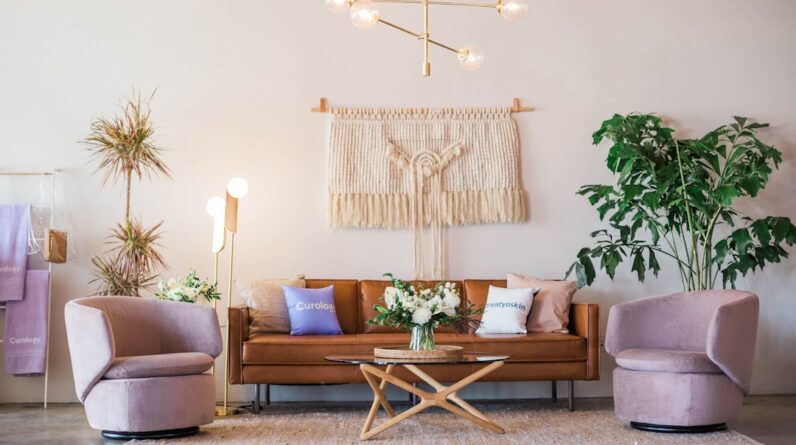
The incorporation of indoor greenery into living spaces has gained significant traction in recent years, and for good reason. One of the most compelling benefits of having plants indoors is their ability to enhance air quality. Plants naturally absorb carbon dioxide and release oxygen through the process of photosynthesis, which can lead to a fresher and more invigorating atmosphere.
Certain species, such as the spider plant and peace lily, are particularly effective at filtering out common indoor pollutants like formaldehyde and benzene. This not only contributes to a healthier living environment but can also improve overall well-being, reducing symptoms of fatigue and enhancing cognitive function. Beyond air purification, indoor plants have been shown to have psychological benefits.
Studies indicate that the presence of greenery can reduce stress levels, promote feelings of calmness, and even boost productivity. The act of caring for plants can serve as a therapeutic outlet, allowing individuals to connect with nature in a meaningful way, even when confined indoors. Furthermore, the aesthetic appeal of plants can transform a mundane space into a vibrant sanctuary, fostering creativity and inspiration.
The visual diversity that plants bring—through their various shapes, sizes, and colors—can create a dynamic environment that stimulates the senses and enhances mood.
Key Takeaways
- Indoor greenery can improve air quality, reduce stress, and boost overall well-being.
- Low-maintenance plants like snake plants and pothos are great for beginners.
- Hanging plants and vertical gardens are perfect for small living spaces.
- Regular watering, proper lighting, and occasional pruning are essential for plant maintenance.
- Upcycling old containers and using macrame hangers can add a personal touch to indoor plant displays.
Choosing the Right Plants for Indoors
Selecting the appropriate plants for indoor environments requires careful consideration of several factors, including light availability, humidity levels, and personal lifestyle. For instance, if a space receives ample natural light, one might opt for sun-loving varieties such as succulents or fiddle leaf figs. Conversely, in low-light conditions, hardy plants like snake plants or pothos thrive with minimal sunlight.
Understanding the specific needs of each plant is crucial to ensuring their longevity and health within the home. Additionally, one must consider the level of maintenance they are willing to commit to. Some plants require regular watering and attention, while others are more forgiving and can withstand periods of neglect.
For busy individuals or those new to plant care, low-maintenance options like ZZ plants or rubber trees may be ideal choices. Furthermore, it’s essential to take into account any potential allergies or sensitivities; for example, certain flowering plants may trigger allergic reactions in some individuals. By aligning plant choices with personal preferences and environmental conditions, one can create a thriving indoor garden that complements their lifestyle.
Creating a Green Space in Small Living Areas
Transforming small living areas into lush green spaces may seem challenging, but with thoughtful planning and creativity, it is entirely achievable. Vertical gardening is an innovative solution that maximizes limited floor space by utilizing walls for plant display. Wall-mounted planters or hanging pots can create a stunning visual impact while allowing for a variety of plant species to flourish without encroaching on valuable living space.
This approach not only adds greenery but also serves as an eye-catching focal point in any room. Another effective strategy for small spaces is the use of multi-functional furniture that incorporates greenery. For example, coffee tables with built-in planters or shelves designed to hold potted plants can seamlessly integrate nature into everyday living without sacrificing functionality.
Additionally, grouping smaller pots together on windowsills or shelves can create an appealing arrangement that draws the eye upward, making the space feel larger and more inviting. By employing these techniques, even the tiniest apartments can be transformed into vibrant green retreats.
Maintaining Indoor Plants: Tips and Tricks
Proper maintenance is key to ensuring the health and longevity of indoor plants. One fundamental aspect of plant care is understanding their watering needs. Overwatering is a common mistake that can lead to root rot and other issues; therefore, it’s essential to assess the moisture level of the soil before adding more water.
A general rule of thumb is to allow the top inch of soil to dry out before watering again. Additionally, using pots with drainage holes can help prevent excess water from accumulating at the bottom. Fertilization is another critical component of plant maintenance.
Indoor plants often require additional nutrients beyond what is available in potting soil, especially during their growing season in spring and summer. A balanced liquid fertilizer can provide essential nutrients that promote healthy growth and vibrant foliage. However, it’s important to follow the recommended dosage on the fertilizer packaging to avoid over-fertilization, which can harm plants rather than help them thrive.
Regularly inspecting plants for pests or diseases is also vital; early detection allows for prompt treatment and minimizes damage.
DIY Indoor Planters and Containers
Creating DIY indoor planters and containers offers an opportunity for personalization while also being budget-friendly. One popular method involves repurposing everyday items into unique plant holders. For instance, old teacups or mason jars can be transformed into charming planters with minimal effort.
Simply ensure that any container has adequate drainage holes to prevent water accumulation, then fill it with potting soil and your chosen plant. Another creative approach is to construct vertical planters using wooden pallets or crates. These structures can be painted or stained to match home decor while providing ample space for multiple plants.
Hanging planters made from macramé or repurposed fabric can add a bohemian touch to any room while saving floor space. Engaging in DIY projects not only allows for creativity but also fosters a deeper connection with the plants being nurtured.
Incorporating Greenery into Home Decor
Integrating greenery into home decor can elevate the aesthetic appeal of any space while promoting a sense of tranquility. One effective method is to use plants as focal points within a room’s design scheme. Large statement plants like monstera or rubber trees can serve as eye-catching elements in corners or near windows, drawing attention and creating a natural ambiance.
In addition to standalone plants, incorporating greenery into existing decor can enhance visual interest. For example, placing smaller potted plants on bookshelves or coffee tables adds layers to the design while softening hard edges of furniture. Using decorative pots that complement the color palette of a room can further unify the decor theme.
Additionally, incorporating plant-themed artwork or textiles—such as botanical prints or leaf-patterned cushions—can create a cohesive look that celebrates nature throughout the home.
The Best Indoor Plants for Air Purification
When it comes to improving indoor air quality, certain plants stand out for their exceptional purifying abilities. The snake plant (Sansevieria trifasciata) is renowned for its resilience and air-cleaning properties; it effectively removes toxins such as formaldehyde and xylene while releasing oxygen at night, making it an ideal choice for bedrooms. Similarly, the peace lily (Spathiphyllum) not only boasts beautiful white blooms but also excels at filtering out harmful substances like ammonia and benzene.
Another excellent option is the Boston fern (Nephrolepis exaltata), which thrives in humid environments and is particularly adept at removing formaldehyde from the air. The spider plant (Chlorophytum comosum) is another popular choice due to its ability to absorb pollutants while being easy to care for; it produces “baby” plants that can be propagated easily for additional greenery around the home. By selecting these air-purifying plants, homeowners can create healthier living spaces while enjoying the aesthetic benefits of indoor greenery.
Bringing the Outdoors In: Creating a Natural Ambiance with Indoor Greenery
The concept of bringing the outdoors in has become increasingly popular as people seek to create serene environments within their homes. One effective way to achieve this natural ambiance is by incorporating a variety of textures and colors through diverse plant selections. Mixing leafy greens with flowering varieties creates visual interest while evoking the feeling of being surrounded by nature.
In addition to traditional potted plants, incorporating elements such as terrariums or indoor water features can further enhance this natural atmosphere. Terrariums provide a miniature ecosystem that showcases various plant species while adding humidity to the air—a perfect combination for many tropical plants. Water features like small fountains not only introduce soothing sounds reminiscent of nature but also contribute to humidity levels beneficial for plant health.
Lighting plays a crucial role in creating a natural ambiance as well; using warm-toned bulbs or strategically placed LED grow lights can mimic sunlight and promote healthy plant growth while enhancing the overall aesthetic appeal of the space. By thoughtfully curating indoor greenery alongside complementary decor elements, one can successfully create an inviting sanctuary that reflects the beauty of nature within their home environment.
FAQs
What are the benefits of having indoor greenery?
Indoor greenery can improve air quality, reduce stress, boost mood, and increase productivity. Plants also add a natural and calming element to indoor spaces.
What are some low-maintenance indoor plants?
Some low-maintenance indoor plants include snake plants, pothos, spider plants, and succulents. These plants require minimal watering and can thrive in various light conditions.
How can I create an indoor garden in a small space?
You can create an indoor garden in a small space by using hanging planters, wall-mounted planters, and vertical gardens. Additionally, choosing compact and trailing plants can help maximize space.
What are some tips for caring for indoor plants?
Some tips for caring for indoor plants include providing the right amount of light, watering plants according to their specific needs, and regularly dusting the leaves to keep them clean and healthy.
What are some creative ways to display indoor plants?
You can display indoor plants creatively by using decorative pots and planters, arranging plants in groupings, and incorporating plants into shelves and bookcases. Additionally, using macrame hangers and terrariums can add visual interest to your indoor garden.