Industrial chic is a design aesthetic that marries the raw, unrefined elements of industrial spaces with the warmth and comfort of home. This style draws inspiration from the industrial revolution, characterized by the use of materials such as metal, wood, and concrete, often left in their natural state. The appeal of industrial chic lies in its ability to create a sense of authenticity and history within a space, making it a popular choice for both residential and commercial interiors.
The aesthetic celebrates imperfections, showcasing the beauty of wear and tear, which adds character and depth to any environment. The rise of industrial chic can be traced back to the adaptive reuse of old factories and warehouses into lofts and apartments. As urban areas evolved, these once-abandoned structures were transformed into stylish living spaces that retained their original architectural features.
Exposed brick walls, large windows, and high ceilings became hallmarks of this design trend. Today, industrial chic is not just limited to urban settings; it has permeated various design contexts, influencing everything from furniture design to landscaping. This article will explore the history of industrial design, how to incorporate its elements into interior spaces, its application in architecture and commercial environments, DIY tips for creating an industrial chic look, and its potential future.
Key Takeaways
- Industrial chic design is a popular interior design trend that incorporates elements of industrial style into modern spaces.
- The history of industrial design dates back to the 18th century and has evolved to become a prominent influence in contemporary design.
- Incorporating industrial elements into interior design involves using raw materials, exposed structures, and utilitarian objects to create a unique and edgy aesthetic.
- Industrial chic architecture often features exposed brick, steel beams, and large windows, creating a modern and industrial look.
- Industrial chic design is also popular in commercial spaces, with many businesses incorporating industrial elements to create a trendy and stylish atmosphere for their customers.
The History of Industrial Design
The roots of industrial design can be traced back to the late 19th and early 20th centuries when the industrial revolution fundamentally changed the way goods were produced. Factories emerged as centers of mass production, leading to a shift in how people interacted with objects and spaces. The focus on functionality over aesthetics became prevalent, as designers sought to create products that were efficient and cost-effective.
This period saw the birth of iconic designs such as the Eames Lounge Chair and the Bauhaus movement, which emphasized simplicity and utility. As factories began to close or repurpose their spaces in the latter half of the 20th century, a new appreciation for industrial materials emerged. Designers and architects started to recognize the beauty in raw materials like steel beams, concrete floors, and reclaimed wood.
This shift was not merely about nostalgia; it was also a response to the growing environmental consciousness that encouraged recycling and repurposing. The trend gained momentum in the 1990s when artists and creatives began moving into former industrial spaces, leading to a cultural renaissance in urban areas. This movement laid the groundwork for what we now recognize as industrial chic.
Incorporating Industrial Elements into Interior Design

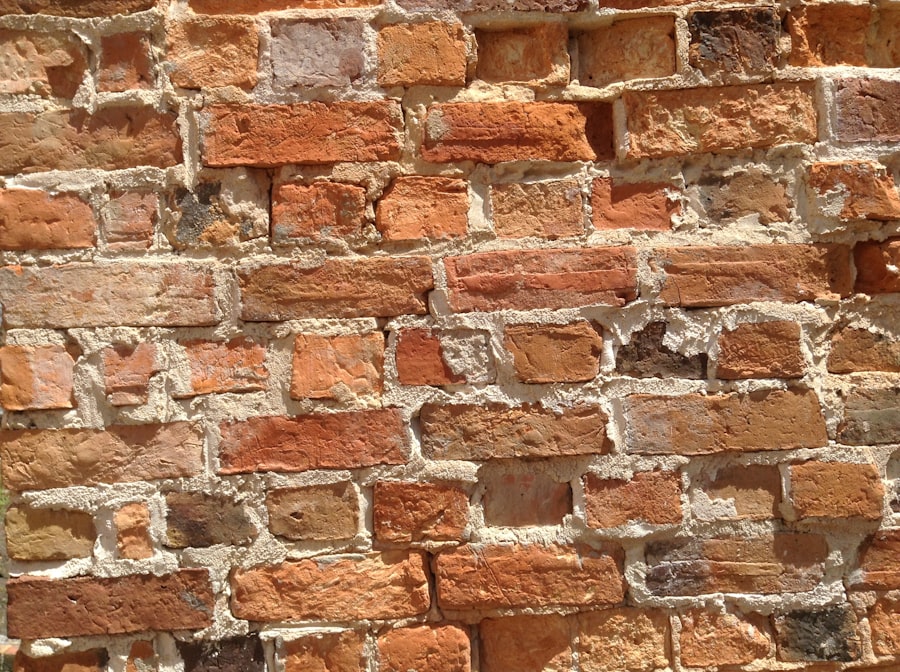
Incorporating industrial elements into interior design requires a careful balance between rawness and comfort. One effective way to achieve this is through the use of materials that reflect the industrial aesthetic. For instance, exposed brick walls can serve as a stunning backdrop for modern furniture, while concrete floors provide a durable yet stylish foundation.
Metal accents, such as steel beams or wrought iron fixtures, can add an edgy touch to a space without overwhelming it. When selecting furniture, consider pieces that feature reclaimed wood or vintage metal finishes to enhance the overall theme. Lighting plays a crucial role in achieving an industrial chic look.
Pendant lights with exposed bulbs or vintage-inspired fixtures can create a warm ambiance while maintaining an industrial feel. Additionally, large windows that allow natural light to flood in can help soften the starkness often associated with industrial spaces. To further enhance the aesthetic, consider incorporating open shelving made from reclaimed wood or metal brackets, which not only provides storage but also showcases decorative items in a way that feels both functional and stylish.
Industrial Chic in Architecture
Architecturally, industrial chic is characterized by open floor plans, high ceilings, and an emphasis on structural elements. Many contemporary buildings embrace this style by exposing their frameworks and utilizing materials that reflect their industrial origins. For example, warehouses converted into residential lofts often retain their original steel trusses and large windows, creating a seamless blend of old and new.
This approach not only preserves historical significance but also allows for creative reinterpretation of space. In commercial architecture, industrial chic has become increasingly popular among businesses looking to convey a sense of authenticity and innovation. Restaurants and cafes often feature open kitchens with visible equipment, allowing patrons to witness the culinary process firsthand.
This transparency fosters a connection between the customer and the establishment while reinforcing the industrial theme. Additionally, many offices have adopted this style by incorporating collaborative workspaces with exposed ductwork and concrete finishes, promoting a culture of creativity and teamwork.
Industrial Chic in Commercial Spaces
The application of industrial chic in commercial spaces has transformed how businesses present themselves to customers. Retail environments have embraced this aesthetic by utilizing raw materials and open layouts that encourage exploration. For instance, clothing stores may feature concrete floors paired with wooden display racks that highlight merchandise without overshadowing it.
The use of large windows not only invites natural light but also creates an inviting atmosphere that draws customers in. Restaurants have particularly thrived on the industrial chic trend by creating environments that feel both casual and sophisticated. Exposed brick walls adorned with local artwork can create a sense of community while maintaining an edgy vibe.
The use of communal tables made from reclaimed wood encourages social interaction among diners, enhancing the overall dining experience. Additionally, many bars have adopted this style by incorporating vintage furniture and unique lighting fixtures that evoke a sense of nostalgia while remaining contemporary.
DIY Industrial Chic: Tips for Transforming Your Space
Transforming your space into an industrial chic haven doesn’t require a complete overhaul; small changes can make a significant impact. Start by assessing your existing furniture and decor to identify items that can be repurposed or updated. For example, consider painting wooden furniture in muted tones or distressing surfaces to achieve a weathered look.
Adding metal accents through hardware or light fixtures can also enhance the industrial feel without breaking the bank. Another effective DIY approach is to incorporate reclaimed materials into your design. Scour local salvage yards or online marketplaces for unique finds such as old doors, windows, or pallets that can be transformed into furniture or decor items.
A coffee table made from reclaimed wood paired with metal legs can serve as a stunning focal point in your living room. Additionally, consider creating your own artwork using found objects or repurposed materials to add a personal touch that aligns with the industrial chic aesthetic.
Industrial Chic in Outdoor Spaces
The principles of industrial chic extend beyond indoor environments; outdoor spaces can also benefit from this design approach. Patios and gardens can be transformed into stylish retreats by incorporating materials such as concrete pavers, metal planters, and reclaimed wood furniture. An outdoor dining area featuring a rustic wooden table surrounded by metal chairs can create an inviting atmosphere for gatherings while maintaining an industrial edge.
Incorporating greenery is essential for softening the harshness often associated with industrial design. Vertical gardens or hanging planters made from repurposed materials can add life to outdoor spaces while enhancing the overall aesthetic. Additionally, using lighting fixtures such as string lights or vintage lanterns can create a warm ambiance during evening gatherings, making outdoor areas feel cozy and welcoming.
The Future of Industrial Chic Design
As we look toward the future of industrial chic design, it is clear that this aesthetic will continue to evolve while retaining its core principles. Sustainability will play an increasingly important role as designers seek to minimize waste and utilize eco-friendly materials in their projects. The trend toward biophilic design—integrating nature into built environments—will likely influence how industrial spaces are conceived, leading to innovative solutions that blend raw materials with natural elements.
Moreover, advancements in technology may introduce new materials and construction methods that align with the industrial chic ethos while enhancing functionality. For instance, smart home technology could be seamlessly integrated into industrial designs without compromising their aesthetic appeal. As urban living continues to grow in popularity, we may see more adaptive reuse projects that breathe new life into old structures while preserving their historical significance.
In conclusion, industrial chic is more than just a design trend; it represents a cultural shift toward valuing authenticity and sustainability in our built environments. As this aesthetic continues to inspire designers across various fields, it will undoubtedly shape the future of architecture and interior design for years to come.
FAQs
What is industrial chic design?
Industrial chic design is a style that incorporates elements of industrial spaces, such as exposed brick, metal, and concrete, into interior design. It often features a mix of raw, unfinished materials with sleek, modern finishes.
How can industrial chic design transform a space?
Industrial chic design can transform a space by adding a sense of urban sophistication and edginess. It can create a unique and visually interesting environment that combines the old with the new, and adds character and personality to a space.
What are some key elements of industrial chic design?
Key elements of industrial chic design include exposed brick walls, metal piping and fixtures, concrete floors or countertops, reclaimed wood furniture, and vintage industrial lighting. These elements help to create a raw and rugged aesthetic.
How can industrial chic design be incorporated into a home or commercial space?
Industrial chic design can be incorporated into a home or commercial space by using industrial-inspired furniture and decor, such as metal and wood furnishings, vintage industrial lighting, and exposed structural elements. It can also be achieved through the use of industrial materials like concrete, steel, and glass.
What are some popular color schemes for industrial chic design?
Popular color schemes for industrial chic design include neutral tones such as gray, black, white, and brown, as well as muted earthy tones like olive green and rust. These colors help to create a sense of urban sophistication and complement the raw materials used in industrial chic design.