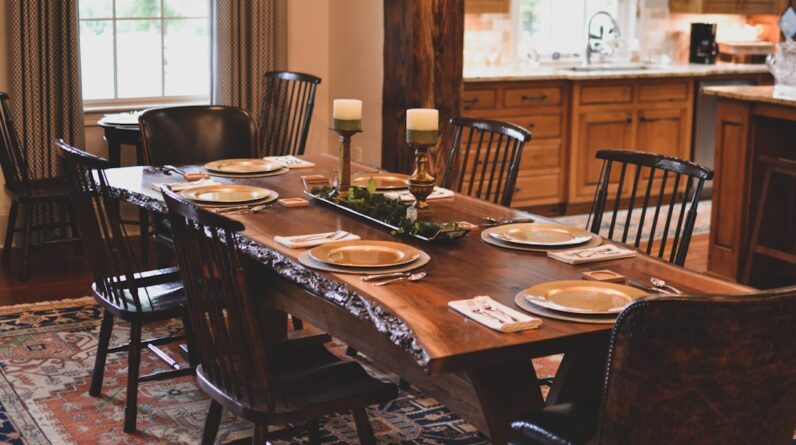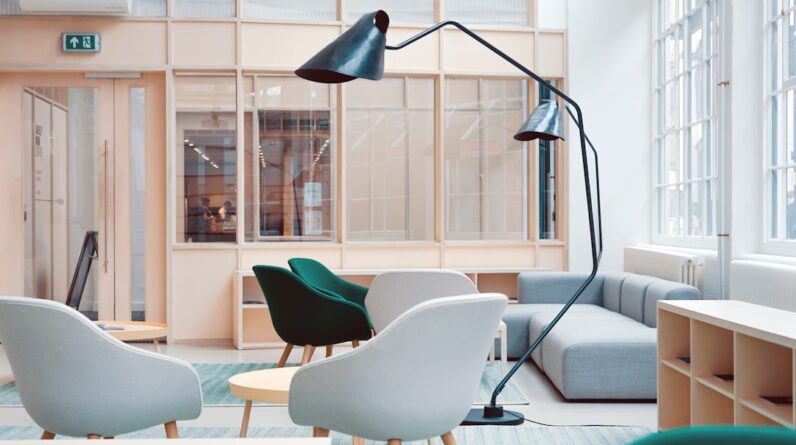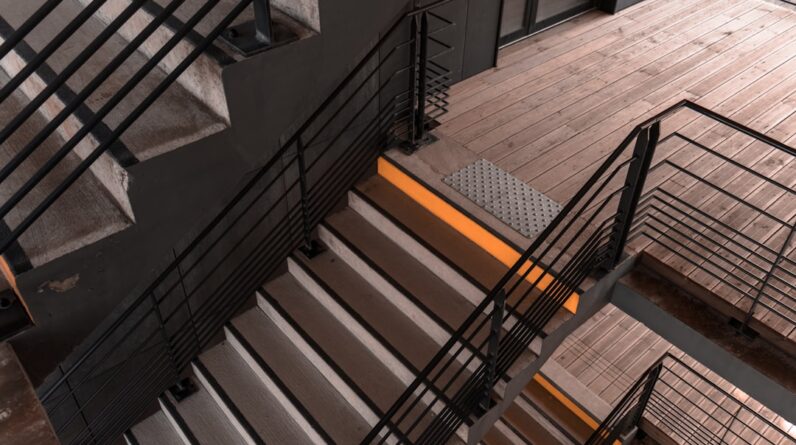
In the realm of contemporary interior design, focal points serve as the heart of a space, drawing the eye and anchoring the overall aesthetic. You might think of a focal point as a visual anchor that provides structure and coherence to a room. It can be anything from a striking piece of furniture to an architectural feature, and its purpose is to create interest and guide the viewer’s gaze.
By establishing a focal point, you can transform an ordinary space into one that feels curated and intentional. This is particularly important in contemporary interiors, where minimalism often reigns, and each element must earn its place. Moreover, focal points can evoke emotions and set the tone for the entire room.
They can be bold and dramatic, or subtle and serene, depending on the atmosphere you wish to create. For instance, a large abstract painting can inject energy into a living room, while a cozy fireplace might evoke warmth and comfort. Understanding the purpose of focal points allows you to make informed decisions about how to design your space, ensuring that it reflects your personal style while also serving functional needs.
Key Takeaways
- Focal points in contemporary interiors serve to draw attention and create visual interest in a space.
- The right location for a focal point is typically where the eye naturally lands when entering a room.
- Elements such as artwork, furniture, architectural features, or even a statement wall can be used to create focal points.
- Balancing focal points with other design elements is crucial to avoid overwhelming the space.
- Considering scale and proportion is important to ensure that the focal point fits harmoniously within the room.
- Incorporating lighting can enhance focal points and create a dramatic effect.
- Art and decor can be used to create focal points, adding personality and style to a space.
- Maintaining flexibility in focal point design allows for easy updates and changes to keep the space feeling fresh.
Selecting the Right Location for Focal Points
Creating an Immediate Impact
For example, in a living room, placing a focal point opposite the entrance can create an immediate impact as guests enter. This strategic positioning invites them to engage with the focal element, whether it’s a stunning piece of art or an elegant piece of furniture.
Complementing the Overall Design
You should also think about how the focal point relates to other elements in the room, ensuring that it doesn’t compete for attention but rather complements the overall design. Additionally, consider the natural flow of movement within the space.
Guiding Movement and Creating Purpose
A well-placed focal point can guide people through the room, creating a sense of direction and purpose. If you have an open-concept layout, you might want to create multiple focal points that define different areas while still maintaining a cohesive look. This approach allows you to break up large spaces without overwhelming them, making each area feel distinct yet connected. Ultimately, selecting the right location for your focal point is about enhancing functionality while also elevating aesthetic appeal.
Choosing the Right Elements to Create Focal Points

Once you’ve determined where your focal point will be located, it’s time to choose the right elements to bring it to life. The options are virtually limitless, ranging from furniture pieces like a bold sofa or an eye-catching coffee table to decorative elements such as sculptures or large plants. When selecting these elements, consider their color, texture, and shape in relation to the rest of your decor.
A vibrant color can create a striking contrast against neutral walls, while unique textures can add depth and interest. You should also think about how these elements resonate with your personal style and the overall theme of your home. If you lean towards a modern aesthetic, sleek lines and minimalist designs may be more appropriate.
Conversely, if your style is more eclectic, you might opt for vintage pieces or artisanal decor that tells a story. The key is to choose elements that not only stand out but also harmonize with your existing decor, creating a cohesive look that feels intentional and well thought out.
Balancing Focal Points with Other Design Elements
Creating a successful focal point is not just about making one element stand out; it’s also about achieving balance within the overall design. You want to ensure that your focal point doesn’t overshadow other important elements in the room but rather works in harmony with them. This can be achieved through careful consideration of scale and proportion.
For instance, if your focal point is a large piece of art, you might want to keep surrounding furniture relatively understated to avoid visual clutter. In addition to scale, consider how colors and textures interact within the space. A bold focal point can be complemented by softer hues or materials in surrounding elements, creating a sense of unity without sacrificing individuality.
You might also use patterns or shapes that echo those found in your focal point throughout other design elements to create visual continuity. By balancing your focal point with other aspects of your decor, you can create a space that feels cohesive and thoughtfully designed.
Considering Scale and Proportion in Focal Point Design
Scale and proportion are fundamental principles in interior design that play a significant role in how effective your focal point will be. When selecting or designing your focal point, consider its size in relation to the room and other furnishings. A large piece may dominate a small space, making it feel cramped, while a tiny element may get lost in a vast area.
Striking the right balance ensures that your focal point commands attention without overwhelming the space. Proportion also extends beyond size; it encompasses how different elements relate to one another within the room. For example, if you have high ceilings, a tall sculpture or an oversized light fixture can draw the eye upward and enhance the sense of space.
Conversely, in a cozy room with lower ceilings, you might opt for more grounded elements that create an intimate atmosphere. By carefully considering scale and proportion in your design choices, you can create a focal point that enhances rather than detracts from your overall interior.
Incorporating Lighting to Enhance Focal Points

Lighting is one of the most powerful tools at your disposal when it comes to enhancing focal points in your interior design. The right lighting can dramatically change how an element is perceived, highlighting its features and drawing attention where you want it most. You might consider using spotlights or track lighting to illuminate artwork or architectural details, creating a dramatic effect that elevates these elements.
Additionally, ambient lighting can set the mood around your focal point. Soft, warm lighting can create an inviting atmosphere, while cooler tones may lend a more modern feel. You could also experiment with layering different types of lighting—such as table lamps, wall sconces, and overhead fixtures—to create depth and dimension around your focal point.
By thoughtfully incorporating lighting into your design scheme, you can enhance your focal points and create an inviting ambiance that invites exploration.
Creating Focal Points with Art and Decor
Art and decor are perhaps the most versatile means of creating focal points within contemporary interiors. A well-chosen piece of art can serve as a conversation starter while also reflecting your personality and taste. When selecting art for your space, consider not only its visual impact but also how it interacts with other elements in the room.
A large canvas can dominate a wall beautifully but may require careful consideration of surrounding decor to maintain balance. In addition to traditional artwork, think about incorporating other forms of decor as focal points—such as sculptures, decorative mirrors, or even unique wall treatments like wallpaper or wood paneling. These elements can add character and intrigue while serving as visual anchors within your space.
Remember that art doesn’t have to be confined to walls; it can also be displayed on shelves or tabletops as part of an arrangement that draws attention without overwhelming the viewer.
Maintaining Flexibility in Focal Point Design
While establishing focal points is essential for creating cohesive interiors, maintaining flexibility in their design is equally important. Trends change over time, and so do personal tastes; therefore, it’s wise to choose focal points that allow for easy updates or modifications without requiring a complete overhaul of your space. For instance, if you opt for neutral furniture as your primary focal point, you can easily change out accessories like throw pillows or artwork to refresh the look without significant investment.
Additionally, consider using modular or movable pieces that allow you to rearrange your space as needed. This flexibility not only keeps your interior feeling fresh but also enables you to adapt to different occasions or moods. By embracing change and allowing for adaptability in your design choices, you can ensure that your focal points remain relevant and engaging over time.
In conclusion, understanding how to effectively incorporate focal points into contemporary interiors is essential for creating spaces that are both functional and aesthetically pleasing. By carefully selecting locations and elements while balancing them with other design features, you can craft an environment that reflects your personal style while remaining inviting and cohesive. Remember to consider scale and proportion alongside lighting techniques to enhance these key features further.
Finally, maintaining flexibility in your design will allow you to adapt over time while keeping your interiors fresh and engaging for years to come.
FAQs
What are focal points in contemporary interiors?
Focal points in contemporary interiors are specific areas or elements within a space that draw attention and create visual interest. They serve as the main attraction and help to anchor the design of the room.
Why are focal points important in contemporary interiors?
Focal points are important in contemporary interiors because they help to create a sense of balance and harmony within the space. They also provide a visual anchor for the room and can be used to highlight the unique features of the design.
What are the key considerations for creating focal points in contemporary interiors?
Key considerations for creating focal points in contemporary interiors include choosing a focal point that aligns with the overall design concept, considering the scale and proportion of the focal point in relation to the space, and ensuring that the focal point complements the surrounding elements in the room.
How can lighting be used to enhance focal points in contemporary interiors?
Lighting can be used to enhance focal points in contemporary interiors by directing attention to the focal point, creating a dramatic effect, and adding depth and dimension to the space. Well-placed lighting can also help to highlight the focal point and create a visually appealing atmosphere.