As you navigate the journey of aging, the concept of “aging in place” becomes increasingly significant. This term refers to the ability to live in your own home safely, independently, and comfortably as you grow older. It encompasses not just the physical space you inhabit but also the emotional and psychological aspects of remaining in a familiar environment.
You may find that staying in your own home allows you to maintain a sense of autonomy and connection to your community, which can be vital for your overall well-being. Aging in place is not merely about the absence of institutional care; it’s about creating an environment that supports your evolving needs. You might consider how your home can adapt to accommodate changes in mobility, health, and lifestyle.
This understanding encourages proactive planning, allowing you to make modifications that enhance your quality of life. By recognizing the importance of aging in place, you empower yourself to take control of your living situation, ensuring that your home remains a sanctuary as you age.
Key Takeaways
- Aging in place refers to the ability to live in one’s own home and community safely, independently, and comfortably regardless of age, income, or ability level.
- Designing for accessibility and safety involves creating spaces that are easy to navigate and free from hazards, such as slip-resistant flooring and grab bars in bathrooms.
- Universal design principles focus on creating environments that are usable by all people, regardless of age, size, ability, or disability, without the need for adaptation or specialized design.
- Functional and stylish spaces can be achieved through thoughtful design choices that prioritize both practicality and aesthetics, such as multi-functional furniture and ample natural lighting.
- Utilizing technology for independent living can include smart home devices, remote monitoring systems, and assistive technologies to support aging in place and enhance safety and comfort.
Designing for Accessibility and Safety
When it comes to designing your living space for accessibility and safety, there are several key factors to consider. You may want to start by evaluating the layout of your home. Are there any obstacles that could pose a risk, such as stairs or narrow hallways?
By identifying these potential hazards, you can take steps to mitigate them, ensuring that your home is a safe haven. For instance, installing grab bars in bathrooms or widening doorways can significantly enhance your mobility and reduce the risk of falls. In addition to physical modifications, it’s essential to think about how you can create a more accessible environment through thoughtful design choices.
You might explore options like non-slip flooring, adequate lighting, and easy-to-reach storage solutions. These elements not only contribute to safety but also promote a sense of independence. By prioritizing accessibility in your home design, you can create a space that allows you to move freely and confidently, enhancing your overall quality of life.
Incorporating Universal Design Principles

Universal design principles focus on creating spaces that are usable by everyone, regardless of age or ability. As you consider how to incorporate these principles into your home, think about how each element can serve multiple functions. For example, you might choose lever-style door handles instead of traditional knobs, as they are easier to operate for individuals with limited hand strength.
This small change can make a significant difference in your daily life. Another aspect of universal design is flexibility. You may want to consider furniture that can be easily rearranged or adjusted to suit your needs over time.
Modular furniture pieces or adjustable-height tables can adapt as your requirements change, ensuring that your living space remains functional and comfortable. By embracing universal design principles, you create an inclusive environment that not only meets your current needs but also anticipates future challenges.
Creating Functional and Stylish Spaces
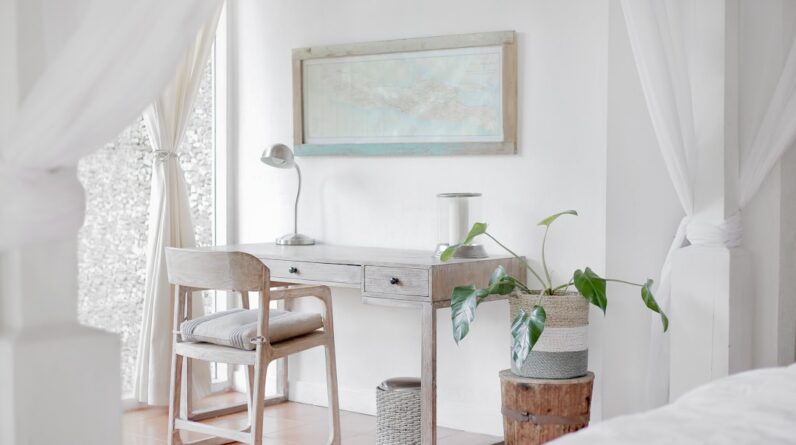
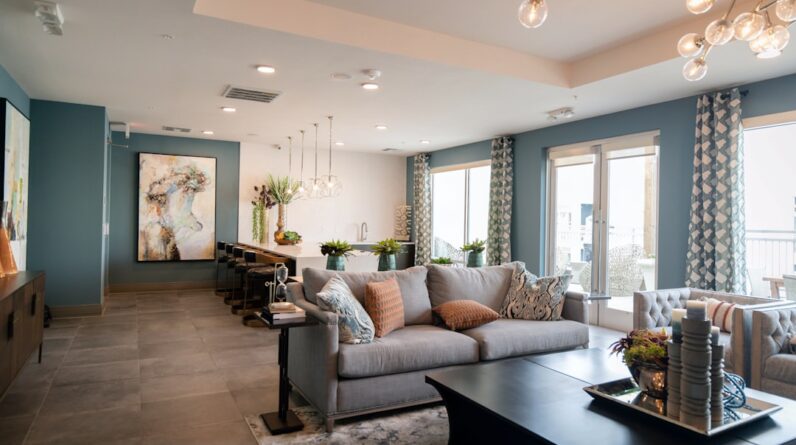
While functionality is crucial in designing a home for aging in place, style should not be overlooked. You have the opportunity to create spaces that are both practical and aesthetically pleasing. Consider how you can blend comfort with elegance by selecting furniture and decor that reflect your personal taste while also serving a purpose.
For instance, choosing a stylish yet supportive chair can enhance both the look of your living room and provide the comfort you need. In addition to furniture choices, think about how color and lighting can impact the overall ambiance of your home. Soft, warm colors can create a welcoming atmosphere, while adequate lighting is essential for safety and visibility.
You might explore options like dimmable lights or natural light sources to enhance the mood of each room. By focusing on both functionality and style, you can create a living space that feels like home while meeting your evolving needs.
Utilizing Technology for Independent Living
In today’s digital age, technology plays a pivotal role in supporting independent living as you age. Smart home devices can enhance safety and convenience in ways you may not have considered before. For example, voice-activated assistants can help you control lighting, temperature, and even security systems without needing to move around excessively.
This technology not only simplifies daily tasks but also provides peace of mind for both you and your loved ones. Additionally, consider incorporating health-monitoring devices into your routine. Wearable technology can track vital signs and alert you or caregivers if any irregularities arise.
This proactive approach to health management allows you to stay informed about your well-being while maintaining independence. By embracing technology in your home, you empower yourself to live more comfortably and securely as you age.
Adapting to Changing Needs

As you age, it’s essential to recognize that your needs will evolve over time. Adapting your living space accordingly is crucial for maintaining independence and comfort. You may find it helpful to periodically reassess your home environment and identify areas that require modification.
This could involve anything from rearranging furniture for better accessibility to investing in assistive devices that make daily tasks easier. Flexibility is key when it comes to adapting to changing needs. You might consider creating multi-functional spaces that can serve different purposes as your lifestyle shifts.
For instance, a guest room could be transformed into a home office or a hobby space as needed. By remaining open to change and proactively addressing your evolving requirements, you can ensure that your home continues to support you throughout the aging process.
Embracing Comfort and Wellness
Creating a comfortable living environment goes hand in hand with promoting wellness as you age. You may want to focus on elements that enhance relaxation and tranquility within your home. Consider incorporating soft textiles, such as plush rugs or cozy blankets, which can add warmth and comfort to your space.
Additionally, creating designated areas for relaxation—like a reading nook or meditation corner—can encourage mindfulness and self-care. Wellness also extends beyond physical comfort; it encompasses mental and emotional well-being as well. You might explore ways to bring nature indoors through plants or natural light, which can have a positive impact on mood and overall health.
By prioritizing comfort and wellness in your home design, you create an environment that nurtures both body and mind as you navigate the aging process.
Collaborating with Professionals for Successful Design
While many aspects of aging in place can be addressed independently, collaborating with professionals can significantly enhance the outcome of your design efforts. Architects, interior designers, and occupational therapists bring valuable expertise that can help you create a space tailored to your specific needs. You may find it beneficial to consult with these professionals early in the planning process to ensure that all aspects of accessibility and safety are considered.
Working with professionals also allows you to tap into innovative solutions that you may not have thought of on your own. They can provide insights into the latest trends in universal design and technology that promote independent living. By fostering collaboration with experts in the field, you empower yourself to make informed decisions about your living space, ultimately leading to a more successful and satisfying aging-in-place experience.
In conclusion, aging in place is a multifaceted journey that requires thoughtful consideration of various elements within your home environment. By understanding the importance of accessibility and safety, incorporating universal design principles, creating functional yet stylish spaces, utilizing technology, adapting to changing needs, embracing comfort and wellness, and collaborating with professionals, you can craft a living space that supports your independence and enhances your quality of life as you age gracefully in place.
FAQs
What is contemporary interior design for aging in place?
Contemporary interior design for aging in place refers to the practice of creating living spaces that are both stylish and functional for older adults. It involves incorporating design elements and features that promote safety, accessibility, and comfort for seniors who wish to remain in their homes as they age.
What are some key principles of contemporary interior design for aging in place?
Key principles of contemporary interior design for aging in place include incorporating universal design features, such as wider doorways and hallways, non-slip flooring, lever-style door handles, and adjustable-height countertops. Additionally, the use of ample lighting, contrasting colors for better visibility, and strategically placed grab bars and handrails are important considerations.
How does contemporary interior design for aging in place differ from traditional interior design?
Contemporary interior design for aging in place differs from traditional interior design in that it prioritizes functionality and accessibility over purely aesthetic considerations. While both styles aim to create visually appealing spaces, contemporary interior design for aging in place places a greater emphasis on features that accommodate the changing needs of older adults.
What are some popular design elements in contemporary interior design for aging in place?
Popular design elements in contemporary interior design for aging in place include open floor plans to allow for easier navigation, walk-in showers with seating and grab bars, kitchen appliances and cabinets at accessible heights, and smart home technology for added convenience and safety.
Why is contemporary interior design for aging in place important?
Contemporary interior design for aging in place is important because it allows older adults to maintain their independence and quality of life by creating living spaces that support their changing needs. By incorporating thoughtful design elements, it can help prevent accidents and injuries, while also promoting a sense of well-being and comfort for seniors aging in place.