


As you delve into the world of architecture, you may find yourself captivated by the rich tapestry of traditional styles that have evolved over centuries. Traditional architecture is not merely a collection of buildings; it is a reflection of cultural identity, historical context, and the evolution of societal needs. From the grand cathedrals of Europe to the intricate wooden structures of Japan, each style tells a story that resonates with the people who inhabit these spaces.
You might notice how traditional architecture has adapted over time, influenced by technological advancements, materials, and changing lifestyles. In your exploration, you may come across various architectural movements that have shaped traditional designs. The Gothic style, with its soaring spires and intricate stained glass, emerged in the Middle Ages, while the Renaissance brought a revival of classical elements, emphasizing symmetry and proportion.
As you study these styles, consider how they reflect the values and aspirations of their respective eras. The evolution of traditional architecture is a testament to human creativity and resilience, showcasing how societies have responded to their environments and the challenges they faced.
Key Takeaways
- Traditional architecture has evolved over time, incorporating new materials and construction techniques while still maintaining its cultural and historical significance.
- Contemporary interior design has influenced traditional architecture by introducing modern elements and styles, creating a blend of old and new in architectural design.
- Finding balance in design is essential when blending old and new elements, creating a harmonious and cohesive space that respects the history and tradition of the building.
- Modern twists in functional spaces bring innovation and practicality to traditional architecture, enhancing the usability and efficiency of the space.
- Revitalizing historic buildings with contemporary elements breathes new life into these structures, preserving their heritage while making them relevant for modern use.
The Influence of Contemporary Interior Design
As you transition from the exterior to the interior, contemporary design offers a fresh perspective that often contrasts with traditional architecture. Contemporary interior design is characterized by its emphasis on minimalism, functionality, and open spaces. You may find that this approach prioritizes clean lines and a neutral color palette, creating an atmosphere that feels both modern and inviting.
The use of natural light is another hallmark of contemporary design, as large windows and open layouts allow for a seamless connection between indoor and outdoor spaces. In your journey through contemporary interiors, you might also discover how this design philosophy embraces innovation and experimentation. Designers often incorporate unexpected materials and textures, blending the old with the new in ways that challenge conventional norms.
This dynamic interplay between traditional architecture and contemporary interior design can create spaces that are not only visually striking but also deeply functional. As you explore these interiors, consider how they reflect current trends while still paying homage to the historical context of the buildings they inhabit.
Blending Old and New: Finding Balance in Design
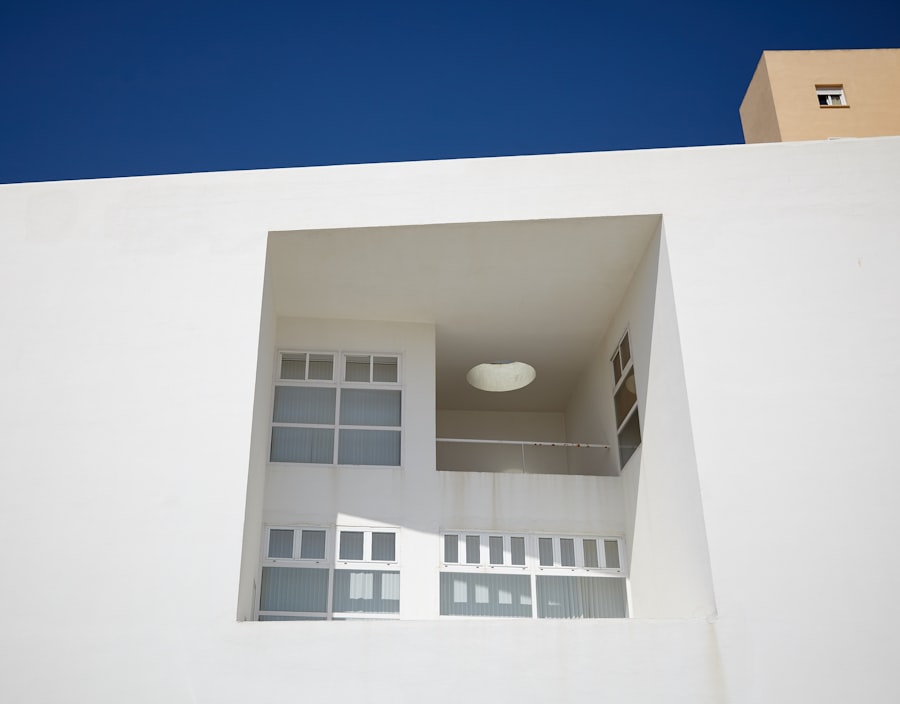
The challenge of blending old and new in design is one that many architects and interior designers face today. You may find that striking a balance between preserving historical integrity and embracing modern aesthetics requires a thoughtful approach. This fusion can result in spaces that honor their past while also catering to contemporary needs.
For instance, you might see how a historic building can be revitalized with modern furnishings and technology without compromising its architectural significance. In your quest for balance, consider how color schemes, furniture choices, and layout can harmonize traditional elements with contemporary flair. You may find that incorporating modern art pieces or sleek furniture can breathe new life into a space while still respecting its historical roots.
This delicate dance between old and new not only enhances the visual appeal but also creates a narrative that connects generations. As you navigate this blend, think about how your choices can reflect both personal style and cultural heritage.
Creating Functional Spaces with a Modern Twist
In today’s fast-paced world, functionality is paramount in design. As you explore the concept of creating functional spaces with a modern twist, you may realize that contemporary design prioritizes practicality without sacrificing aesthetics. Open floor plans are increasingly popular, allowing for fluid movement between spaces while maximizing natural light.
You might appreciate how this approach encourages social interaction and adaptability, making homes more conducive to modern lifestyles. As you consider your own living or working environment, think about how you can incorporate multifunctional furniture or innovative storage solutions to enhance usability. For instance, a sleek sofa bed can transform a small living area into a guest room when needed, while modular shelving can adapt to changing needs over time.
By embracing these modern twists on functionality, you can create spaces that are not only beautiful but also serve your everyday needs effectively.
Revitalizing Historic Buildings with Contemporary Elements
Revitalizing historic buildings presents an exciting opportunity to breathe new life into structures that hold significant cultural value. As you explore this process, you may find that it involves careful consideration of both preservation and innovation. You might witness how architects and designers work collaboratively to maintain the integrity of a building’s original features while introducing contemporary elements that enhance its functionality and appeal.
In your observations, consider how materials play a crucial role in this revitalization process. The juxtaposition of traditional brickwork with sleek glass extensions can create a striking visual contrast that honors the past while embracing the future. You may also appreciate how sustainable practices are increasingly integrated into these projects, ensuring that historic buildings remain relevant in an environmentally conscious world.
As you reflect on these revitalization efforts, think about how they contribute to community identity and pride while fostering a sense of continuity in an ever-changing landscape.
Incorporating Technology and Sustainability in Traditional Architecture
Enhancing Comfort without Compromising Character
Incorporating smart home technology into historic buildings can enhance comfort without compromising the building’s character. For instance, installing energy-efficient heating systems or smart lighting can make a significant difference.
Sustainable Architecture: Reducing Environmental Impact
Sustainability is another critical aspect of this integration. As you explore how traditional architecture can embrace eco-friendly practices, consider the use of reclaimed materials or energy-efficient designs that reduce environmental impact. You might be inspired by examples where solar panels are discreetly integrated into rooftops or where green roofs are introduced to enhance insulation while providing green space in urban settings.
Towards a Harmonious Coexistence of History and Innovation
By marrying technology with sustainability in traditional architecture, you can contribute to a future where history and innovation coexist harmoniously.
Embracing Cultural Diversity in Interior Design
Cultural diversity plays a vital role in shaping interior design, offering a rich palette of influences that can enhance any space. As you immerse yourself in this aspect of design, you may discover how different cultures bring unique perspectives on color, texture, and layout. For instance, you might appreciate the vibrant patterns found in Moroccan interiors or the serene simplicity of Scandinavian design.
Each cultural influence adds depth and character to contemporary interiors. In your exploration of cultural diversity in interior design, consider how incorporating elements from various traditions can create a more inclusive environment. You may find that blending textiles from different cultures or showcasing art from diverse backgrounds fosters a sense of belonging and appreciation for global heritage.
As you curate your own space or work on design projects, think about how embracing cultural diversity can enrich your surroundings and promote understanding among different communities.
The Future of Traditional Architecture and Contemporary Interior Design
Looking ahead, the future of traditional architecture and contemporary interior design is poised for exciting developments. As you contemplate this future, consider how ongoing conversations about sustainability, technology, and cultural diversity will shape design practices. You may envision a world where historic buildings are not only preserved but also adapted to meet modern needs through innovative solutions.
In your reflections on this future landscape, think about how collaboration among architects, designers, and communities will play a crucial role in shaping spaces that honor both tradition and progress. The blending of styles will likely continue to evolve as new materials and technologies emerge, allowing for even greater creativity in design. As you engage with these ideas, remember that the future of architecture is not just about buildings; it is about creating environments that inspire connection, foster well-being, and celebrate our shared human experience across time and cultures.
FAQs
What is traditional architecture?
Traditional architecture refers to the design and construction of buildings using methods, materials, and styles that are characteristic of a particular time and place. It often reflects the cultural and historical context of a society.
What is contemporary interior design?
Contemporary interior design refers to the current trends and styles in interior decoration and furnishing. It often incorporates modern and innovative elements to create a fresh and updated look.
How can traditional architecture be rethought with contemporary interior design?
Rethinking traditional architecture with contemporary interior design involves blending the historical and cultural elements of traditional architecture with modern and innovative interior design concepts. This can be achieved through the use of modern furniture, lighting, color schemes, and decorative elements within a traditional architectural framework.
What are the benefits of rethinking traditional architecture with contemporary interior design?
Rethinking traditional architecture with contemporary interior design allows for the preservation of historical and cultural heritage while also creating spaces that are functional, comfortable, and visually appealing. It can also help bridge the gap between the past and the present, creating a harmonious balance between tradition and modernity.
What are some examples of rethinking traditional architecture with contemporary interior design?
Examples of rethinking traditional architecture with contemporary interior design include renovating historical buildings with modern interior furnishings, incorporating traditional architectural elements into modern homes, and creating a fusion of traditional and contemporary styles in interior design projects.


