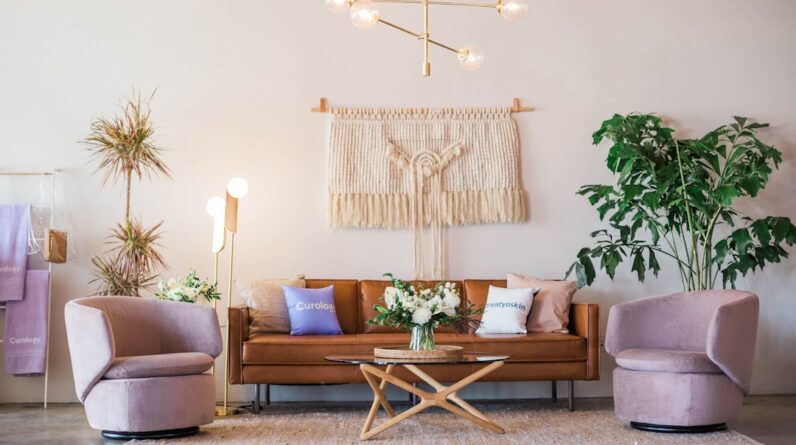
Artwork plays a pivotal role in interior design, serving as a powerful medium through which individuals can express their tastes, preferences, and emotions. It transcends mere decoration; it is a vital component that can define the character of a space. The right piece of art can evoke feelings, provoke thought, and even inspire creativity.
In many ways, artwork acts as the soul of a room, infusing it with personality and depth. It can transform a sterile environment into a vibrant sanctuary, making it not just a place to live but a reflection of who we are. Moreover, artwork can bridge the gap between different design elements within a space.
It can harmonize contrasting colors, textures, and styles, creating a cohesive look that feels intentional and well-planned. For instance, a bold abstract painting can serve as a counterpoint to minimalist furniture, adding an unexpected layer of complexity. In this way, artwork is not merely an accessory; it is an integral part of the design narrative that helps to tell the story of the space and its inhabitants.
Key Takeaways
- Artwork plays a crucial role in interior design by adding personality and visual interest to a space.
- Artwork has the power to enhance and transform a space by creating a focal point and setting the tone for the room.
- When choosing artwork for your home, consider the style, color scheme, and scale to ensure it complements the overall design.
- Artwork can be incorporated into different design styles, from minimalist to eclectic, to create a cohesive and harmonious look.
- The impact of color, scale, and placement in artful arrangements can significantly influence the atmosphere and visual appeal of a room.
How Artwork Can Enhance and Transform a Space
The transformative power of artwork is evident in its ability to alter the perception of space. A well-placed piece can make a room feel larger or more intimate, depending on the desired effect. For example, large-scale artwork can draw the eye upward, creating an illusion of height in a room with low ceilings.
Conversely, smaller pieces arranged in a gallery wall can create a cozy atmosphere, inviting viewers to engage with each individual work. This manipulation of perception is one of the most compelling reasons to incorporate art into interior design. Additionally, artwork can serve as a conversation starter, inviting guests to engage with the space on a deeper level.
A striking sculpture or an intriguing painting can prompt discussions about its meaning or the artist’s intent, fostering connections among those who inhabit the space. This social aspect of art enhances the overall experience of a home, making it not just a private retreat but also a welcoming environment for visitors. The emotional resonance that art brings to a space cannot be overstated; it has the power to evoke memories, inspire dreams, and create lasting impressions.
Choosing the Right Artwork for Your Home

Selecting the right artwork for your home involves careful consideration of various factors, including personal taste, the existing decor, and the intended mood of each room. One effective approach is to start by identifying themes or colors that resonate with you. For instance, if you have a penchant for nature, landscape paintings or botanical prints may be ideal choices.
Alternatively, if you prefer modern aesthetics, abstract art with bold colors and geometric shapes could complement your style beautifully. Another crucial aspect to consider is the scale of the artwork in relation to the space it will occupy. A large canvas can dominate a small room, while tiny pieces may get lost in expansive areas.
It’s essential to strike a balance that enhances rather than overwhelms the environment. Additionally, consider how the artwork interacts with other elements in the room—furniture, lighting, and architectural features all play a role in how art is perceived. By thoughtfully curating your collection, you can create an atmosphere that feels harmonious and inviting.
Incorporating Artwork into Different Design Styles
Different design styles offer unique opportunities for incorporating artwork into interior spaces. In traditional settings, classic paintings in ornate frames can enhance the elegance of the decor. Think of oil portraits or landscapes that evoke a sense of history and sophistication.
These pieces often serve as focal points that draw attention and admiration while complementing rich wood tones and luxurious fabrics. In contrast, contemporary spaces may benefit from minimalist art that emphasizes form and color over intricate detail. Large-scale installations or monochromatic pieces can create striking visual statements without overwhelming the simplicity of modern design.
Industrial spaces might embrace raw materials and urban themes in their artwork—think graffiti-inspired pieces or metal sculptures that echo the surrounding architecture. By aligning artwork with the overarching design style, homeowners can create cohesive environments that feel thoughtfully curated.
The Impact of Color, Scale, and Placement in Artful Arrangements
The interplay of color, scale, and placement is fundamental to creating impactful art arrangements within any interior space. Color can set the tone for a room; warm hues may evoke feelings of comfort and intimacy, while cooler tones can create a sense of calm and tranquility. When selecting artwork, consider how its colors interact with existing furnishings and wall colors.
A vibrant piece can serve as an accent that ties together various elements in the room or provide a striking contrast that energizes the space. Scale is equally important; oversized artworks can serve as dramatic focal points that command attention, while smaller pieces can be grouped together to create visual interest through variety and texture. Placement also plays a critical role—hanging art at eye level ensures it is easily appreciated and creates an inviting atmosphere.
In dining areas or living rooms where people gather, consider placing art where it can be easily viewed from multiple angles. Thoughtful consideration of these elements will enhance the overall aesthetic appeal and functionality of your interior design.
Using Artwork to Create Focal Points and Visual Interest

Artwork has an innate ability to create focal points within a room, drawing attention to specific areas and enhancing visual interest. A well-placed piece can anchor a space, providing a sense of balance amidst other design elements. For example, in a living room dominated by neutral tones, a vibrant painting or an eclectic sculpture can serve as an eye-catching centerpiece that invites conversation and admiration.
In addition to serving as focal points, artworks can also guide the flow of movement within a space. Strategically placed pieces can lead the eye from one area to another, creating a sense of continuity throughout the home. For instance, a series of smaller artworks arranged along a hallway can encourage exploration and engagement with each piece while maintaining an overall sense of cohesion.
By utilizing artwork in this way, homeowners can enhance both the aesthetic appeal and functionality of their interiors.
DIY Art Projects and Custom Artwork for Personalized Design
Creating DIY art projects or commissioning custom artwork offers an exciting avenue for personal expression within interior design. Engaging in hands-on projects allows individuals to infuse their unique perspectives into their living spaces while also providing an opportunity for creativity and self-discovery. From painting canvases to crafting mixed-media pieces using found objects, DIY art projects can be tailored to reflect personal interests and experiences.
Commissioning custom artwork is another way to achieve personalized design while supporting local artists or artisans. Collaborating with an artist allows homeowners to express their vision while benefiting from professional expertise. This process often results in one-of-a-kind pieces that resonate deeply with their creators and enhance the overall aesthetic of their homes.
Whether through DIY endeavors or commissioned works, personalized art adds layers of meaning and connection to interior spaces.
Artwork as a Reflection of Personal Style and Identity in Interior Design
Ultimately, artwork serves as a profound reflection of personal style and identity within interior design. The choices individuals make regarding art reveal much about their values, interests, and experiences. For instance, someone who gravitates toward vibrant street art may embrace urban culture and creativity, while another who prefers serene landscapes might prioritize tranquility and nature in their lives.
Incorporating meaningful artwork into home decor allows individuals to curate environments that resonate with their identities. Each piece tells a story—whether it’s a family heirloom passed down through generations or an original work purchased during travels abroad—contributing to the narrative of one’s life journey. As such, artwork becomes more than just decoration; it transforms into an integral part of our homes that reflects who we are at our core.
By thoughtfully selecting pieces that resonate personally, homeowners can create spaces that feel authentic and deeply connected to their identities.
FAQs
What is the role of artwork in interior design?
Artwork plays a crucial role in interior design by adding visual interest, creating a focal point, and reflecting the homeowner’s personality and style.
How does artwork contribute to the overall aesthetic of a space?
Artwork contributes to the overall aesthetic of a space by adding color, texture, and dimension. It can also tie together the different elements of a room and create a cohesive look.
What are some popular types of artwork used in interior design?
Popular types of artwork used in interior design include paintings, prints, photographs, sculptures, and mixed media pieces. Each type of artwork can bring a different feel to a space.
How can artwork be effectively incorporated into a room’s design?
Artwork can be effectively incorporated into a room’s design by considering scale, placement, and framing. It should complement the existing decor and furniture while also making a statement.
What are some tips for selecting artwork for a space?
When selecting artwork for a space, consider the size of the wall, the color scheme of the room, and the overall style of the space. It’s important to choose artwork that resonates with the homeowner and adds to the ambiance of the room.