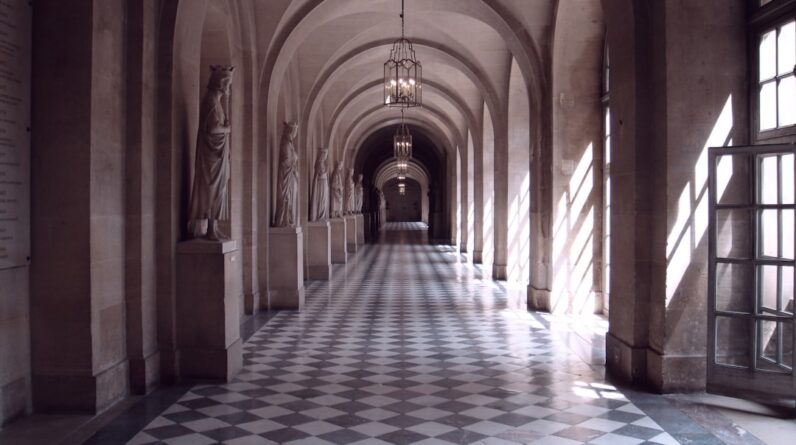
Ceilings and floors are often the unsung heroes of interior design, yet they play a pivotal role in shaping the overall aesthetic and functionality of a space. While walls may be adorned with art and furniture may be carefully selected, the ceiling and floor serve as the foundational canvas upon which the rest of the decor is built. A well-designed ceiling can draw the eye upward, creating an illusion of height and spaciousness, while an attractive floor can anchor a room, providing a cohesive look that ties together various elements.
The interplay between these two surfaces can significantly influence the mood and atmosphere of a space, making their design choices critical. Moreover, ceilings and floors can also contribute to the acoustics and comfort of a room. For instance, high ceilings can enhance sound distribution, making a space feel more open and airy, while lower ceilings can create a more intimate environment.
Similarly, flooring materials can affect how sound travels within a room; hardwood floors may produce a different auditory experience compared to plush carpeting. Therefore, understanding the importance of ceiling and floor design is essential for anyone looking to create a harmonious and functional interior.
Key Takeaways
- Ceiling and floor design play a crucial role in interior decor, as they can significantly impact the overall look and feel of a space.
- When choosing materials for ceilings and floors, it’s important to consider factors such as durability, maintenance, and aesthetic appeal.
- Incorporating lighting into ceiling design can enhance the ambiance of a room and create a sense of depth and dimension.
- Wallpaper and paint can be used creatively on ceilings to add visual interest and make a bold design statement.
- Different rooms and styles call for various flooring options, so it’s essential to consider factors such as traffic, moisture, and design preferences when selecting the right flooring material.
Choosing the Right Materials for Ceilings and Floors
Selecting appropriate materials for ceilings and floors is crucial in achieving both aesthetic appeal and practical functionality. The choice of materials can dramatically alter the ambiance of a room. For ceilings, options range from traditional plaster and drywall to more contemporary materials like wood paneling or metal tiles.
Each material brings its own character; for example, wooden beams can evoke a rustic charm, while sleek metal tiles may lend a modern industrial feel. Additionally, acoustic tiles are specifically designed to absorb sound, making them ideal for spaces where noise control is paramount, such as home theaters or music studios. When it comes to flooring, the options are equally diverse.
Hardwood floors are timeless and versatile, offering warmth and elegance that can complement various design styles. On the other hand, ceramic or porcelain tiles provide durability and ease of maintenance, making them suitable for high-traffic areas like kitchens and bathrooms. For those seeking comfort underfoot, carpet remains a popular choice, available in countless colors and textures to suit any decor scheme.
Furthermore, eco-friendly materials such as bamboo or cork are gaining traction among environmentally conscious homeowners, providing sustainable alternatives without sacrificing style.
Incorporating Lighting into Ceiling Design

Lighting is an essential component of ceiling design that can dramatically enhance the visual appeal of a room. The strategic placement of light fixtures can highlight architectural features, create focal points, or even alter the perception of space. For instance, recessed lighting can provide a clean, modern look while ensuring that the ceiling remains unobtrusive.
Conversely, decorative chandeliers or pendant lights can serve as statement pieces that draw attention upward, adding an element of drama to the decor. In addition to traditional light fixtures, innovative lighting solutions such as LED strips or cove lighting can be integrated into ceiling designs to create ambient illumination. These options allow for flexibility in mood setting; dimmable lights can transform a bright living area into a cozy retreat in the evening.
Moreover, incorporating natural light through skylights or large windows can further enhance the ceiling’s design by allowing sunlight to play across its surface throughout the day. This interplay between artificial and natural light not only elevates the aesthetic but also contributes to the overall energy efficiency of a home.
Creative Ways to Use Wallpaper and Paint on Ceilings
While walls are typically the primary focus for wallpaper and paint applications, ceilings offer an exciting opportunity for creative expression that is often overlooked. Applying wallpaper to a ceiling can introduce intricate patterns or bold colors that add depth and character to a room. For example, a floral or geometric wallpaper can create a whimsical atmosphere in a child’s bedroom or add sophistication to a dining area.
The key is to choose patterns that complement the overall decor while also considering how they will interact with light in the space. Paint is another versatile medium that can be used creatively on ceilings. A simple coat of paint in a soft hue can make a ceiling feel higher and more expansive, while darker colors can create an intimate ambiance.
Techniques such as stenciling or sponge painting can add texture and visual interest without overwhelming the space. Additionally, painting the ceiling in a contrasting color to the walls can create a striking visual effect that draws attention upward. This approach works particularly well in rooms with architectural details like crown molding or coffered ceilings, where the interplay of colors can highlight these features.
Flooring Options for Different Rooms and Styles
The choice of flooring is not merely about aesthetics; it also involves considering functionality based on the specific needs of each room. In living areas where comfort is paramount, options like plush carpeting or engineered hardwood provide warmth underfoot while enhancing the overall decor. Carpeting comes in various styles and textures, allowing homeowners to select options that suit their personal taste while also providing sound insulation.
In contrast, kitchens and bathrooms require flooring that is both durable and water-resistant. Porcelain tiles are an excellent choice for these spaces due to their resistance to moisture and ease of cleaning. They come in various designs that mimic natural stone or wood, offering versatility without compromising on practicality.
For outdoor spaces or mudrooms, luxury vinyl planks provide an attractive alternative that withstands heavy foot traffic while being easy to maintain.
Tips for Creating Visual Interest with Ceiling and Floor Patterns

Contrasting Patterns for Dynamic Interplay
One effective approach is to use contrasting patterns on these two surfaces to create a dynamic interplay between them. For instance, if the floor features bold geometric tiles, opting for a more subdued pattern on the ceiling—such as subtle stripes or textured plaster—can create balance while still allowing each element to shine.
Scaling Patterns for Cohesion and Depth
Another technique involves using similar patterns across both surfaces but in varying scales. A large-scale floral pattern on the floor paired with a smaller-scale version on the ceiling can create cohesion while adding depth to the design.
Layering Materials for Visual Interest
Additionally, layering different materials—such as combining hardwood flooring with an area rug featuring intricate patterns—can further enhance visual interest by creating distinct zones within an open space.
The Role of Color in Ceiling and Floor Design
Color plays a vital role in ceiling and floor design, influencing not only aesthetics but also mood and perception within a room. Lighter colors tend to make spaces feel larger and more open; thus, painting ceilings in soft whites or pale pastels can enhance this effect. Conversely, darker hues can create warmth and intimacy but may also make a room feel smaller if not balanced with adequate lighting.
When selecting colors for floors, it’s essential to consider how they will interact with other elements in the room. For example, rich wood tones can add warmth to modern spaces dominated by cool colors like gray or white. Alternatively, bold colored tiles can serve as statement pieces that energize a room while providing contrast against neutral walls.
Understanding color theory—such as complementary colors or analogous color schemes—can help homeowners make informed decisions that enhance their overall design vision.
Using Ceilings and Floors to Define Spaces in Open Floor Plans
In open floor plans where boundaries between rooms are less defined, ceilings and floors become crucial tools for delineating different areas within a single space. Varying ceiling heights or treatments can signal transitions between functional zones; for instance, lowering the ceiling over a dining area creates an intimate atmosphere distinct from an adjacent living area with higher ceilings. Similarly, flooring choices can help define spaces within an open layout.
Transitioning from hardwood in the living area to tile in the kitchen not only serves practical purposes but also visually separates these zones without the need for physical barriers. Area rugs can further enhance this effect by anchoring furniture arrangements within specific areas while adding texture and warmth underfoot. By thoughtfully considering how ceilings and floors interact within an open floor plan, designers can create cohesive yet distinct spaces that cater to various activities and moods throughout the home.
FAQs
What are some ceiling design options for interior decor?
Some ceiling design options for interior decor include tray ceilings, coffered ceilings, vaulted ceilings, exposed beams, and suspended ceilings.
What are some floor design options for interior decor?
Some floor design options for interior decor include hardwood flooring, laminate flooring, tile flooring, carpeting, and luxury vinyl flooring.
How can ceiling and floor design impact the overall look of a room?
Ceiling and floor design can impact the overall look of a room by adding visual interest, creating a sense of space, and enhancing the style and ambiance of the space.
What are some tips for choosing the right ceiling and floor design for a room?
Some tips for choosing the right ceiling and floor design for a room include considering the overall style of the space, the function of the room, the desired ambiance, and the maintenance requirements of the materials.