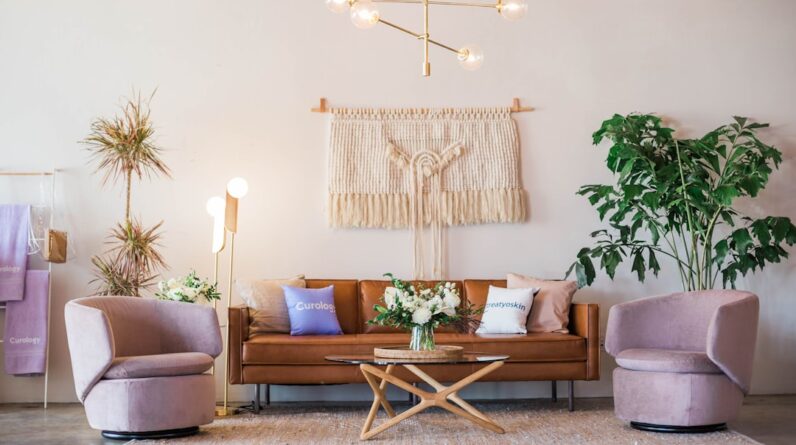
Ethnic elegance in interior design is a captivating approach that transcends mere aesthetics, weaving together the rich tapestry of cultural heritage and personal expression. This design philosophy celebrates the unique characteristics of various cultures, allowing individuals to create spaces that resonate with their identities and experiences. By integrating elements from diverse traditions, homeowners can cultivate an environment that not only reflects their personal style but also honors the stories and histories that shape their lives.
The allure of ethnic elegance lies in its ability to evoke a sense of belonging and connection, transforming living spaces into sanctuaries of cultural appreciation. As globalization continues to blur the lines between cultures, the demand for ethnic elegance in interior design has surged. Homeowners are increasingly seeking ways to incorporate elements from their heritage or explore new cultural influences, resulting in a vibrant fusion of styles.
This trend is not merely about aesthetics; it is a celebration of diversity and an acknowledgment of the beauty found in different traditions. By embracing ethnic elegance, individuals can create spaces that tell their stories, fostering a deeper understanding and appreciation for the myriad cultures that enrich our world.
Key Takeaways
- Ethnic elegance in interior design celebrates the beauty and richness of diverse cultures, adding depth and character to living spaces.
- Cultural elements in interior design are important as they reflect the heritage, traditions, and values of different communities, creating a sense of connection and belonging.
- Traditional patterns and textiles can be incorporated into home decor to add warmth and authenticity, creating a unique and inviting atmosphere.
- Art and artifacts from different cultures can add a touch of cultural flair to living spaces, telling stories and adding visual interest.
- Infusing ethnic cuisine and cooking tools into kitchen design can create a culinary experience that celebrates diversity and brings people together.
Understanding the Importance of Cultural Elements in Interior Design
Cultural elements play a pivotal role in shaping the ambiance and character of a space. They serve as visual narratives that communicate the values, beliefs, and traditions of a particular community. Incorporating these elements into interior design not only enhances the aesthetic appeal but also fosters a sense of identity and belonging.
For instance, using indigenous art or traditional crafts can evoke memories of one’s heritage, creating a personal connection to the space. This connection is particularly significant in an increasingly globalized world, where individuals often seek to anchor themselves in their roots while navigating diverse cultural landscapes. Moreover, cultural elements can serve as conversation starters, inviting guests to engage with the stories behind the artifacts and designs.
A beautifully crafted Moroccan lantern or a handwoven Peruvian textile can spark discussions about travel experiences, family histories, or cultural traditions. This interaction enriches the social fabric of a home, transforming it into a space where stories are shared and connections are forged. By thoughtfully integrating cultural elements into interior design, homeowners can create environments that are not only visually stunning but also deeply meaningful.
Incorporating Traditional Patterns and Textiles into Home Decor

Traditional patterns and textiles are integral to ethnic elegance, offering a wealth of colors, textures, and designs that can transform any space. These elements often carry historical significance and reflect the craftsmanship of artisans from various cultures. For example, Indian block prints, with their intricate motifs and vibrant hues, can add a touch of exotic charm to curtains or upholstery.
Similarly, African mud cloth, known for its bold geometric patterns, can be used as throw pillows or wall hangings to infuse a room with warmth and character. Incorporating these textiles requires a thoughtful approach to ensure harmony within the overall design scheme. Mixing patterns can be an art form in itself; pairing a bold ikat print with a subtle paisley can create visual interest without overwhelming the senses.
Layering textiles—such as combining a richly patterned rug with solid-colored furniture—can also enhance the ethnic elegance of a space while maintaining balance. The key lies in selecting pieces that resonate with the homeowner’s personal style while honoring the cultural significance behind each textile.
Using Art and Artifacts to Add Cultural Flair to Living Spaces
Art and artifacts are powerful tools for infusing cultural flair into living spaces. They serve as focal points that draw the eye and invite exploration, often telling stories that transcend time and geography. For instance, displaying a collection of traditional masks from various African tribes can create an intriguing gallery wall that sparks curiosity and conversation.
Each mask carries its own narrative, reflecting the beliefs and practices of the culture it represents. In addition to masks, other forms of art—such as paintings, sculptures, and pottery—can also enhance the ethnic elegance of a home. A vibrant mural inspired by Mexican folk art can serve as a stunning backdrop for a dining area, while handcrafted pottery from Japan can add an organic touch to kitchen decor.
When selecting art pieces, it is essential to consider not only their aesthetic appeal but also their cultural significance. By curating a collection that resonates with personal experiences or interests, homeowners can create spaces that are both visually captivating and rich in meaning.
Infusing Ethnic Cuisine and Cooking Tools into Kitchen Design
The kitchen is often considered the heart of the home, making it an ideal space to incorporate ethnic elegance through cuisine and cooking tools. Infusing culinary traditions into kitchen design not only enhances functionality but also celebrates cultural heritage. For example, incorporating a tandoor oven for Indian cooking or a traditional clay pot for Moroccan tagines can elevate both the cooking experience and the aesthetic appeal of the kitchen.
Moreover, displaying ethnic cooking tools—such as hand-carved wooden utensils or colorful ceramic dishware—can add character to kitchen decor. Open shelving allows for these items to be showcased while remaining accessible for everyday use. Additionally, incorporating vibrant textiles like Mexican woven table runners or Turkish kilim placemats can further enhance the cultural ambiance of the kitchen.
By creating a space that honors culinary traditions, homeowners can foster a sense of connection to their heritage while inviting family and friends to gather around shared meals.
Creating a Cultural Oasis with Plants and Natural Elements

Plants and natural elements play a crucial role in creating a serene and inviting atmosphere within ethnic elegance in interior design. Incorporating greenery not only enhances air quality but also brings life and vibrancy to any space. Different cultures have unique relationships with plants; for instance, bamboo is revered in Asian cultures for its resilience and flexibility, while succulents are celebrated in African traditions for their ability to thrive in arid conditions.
To create a cultural oasis, homeowners can select plants that hold significance within specific cultures or regions. For example, incorporating an olive tree can evoke Mediterranean charm, while adding ferns can bring a touch of tropical elegance reminiscent of Southeast Asia. Additionally, using natural materials such as rattan or wicker for planters can further enhance the organic feel of the space.
By thoughtfully integrating plants and natural elements into interior design, homeowners can cultivate an environment that promotes tranquility and connection to nature.
Embracing Ethnic Architecture and Design Elements in Home Construction
Ethnic architecture offers a wealth of inspiration for homeowners looking to infuse their spaces with cultural elegance. From the intricate tile work found in Spanish haciendas to the minimalist lines of Japanese tea houses, architectural styles reflect the values and aesthetics of different cultures. Embracing these design elements during home construction or renovation can create spaces that are not only functional but also deeply resonant with cultural significance.
For instance, incorporating arched doorways reminiscent of Moorish architecture can add an exotic touch to an entryway, while large windows framed with intricate woodwork can evoke the charm of traditional Indian homes. Additionally, using local materials—such as adobe bricks for Southwestern-style homes or bamboo for Southeast Asian-inspired designs—can enhance sustainability while celebrating regional craftsmanship. By embracing ethnic architecture in home construction, homeowners can create spaces that honor cultural heritage while providing comfort and functionality.
Celebrating Diversity and Inclusivity through Ethnic Elegance in Interior Design
Ethnic elegance in interior design serves as a powerful vehicle for celebrating diversity and inclusivity within our communities. By embracing various cultural influences, homeowners can create spaces that reflect not only their personal identities but also acknowledge the rich tapestry of global cultures. This approach fosters an environment where differences are celebrated rather than marginalized, promoting understanding and appreciation among individuals from diverse backgrounds.
Incorporating ethnic elegance into interior design encourages dialogue about cultural heritage and shared experiences. It invites individuals to explore their roots while also appreciating those of others. For example, hosting gatherings where guests are encouraged to share stories about their cultural backgrounds can create meaningful connections within the space.
By designing homes that reflect this ethos of inclusivity, homeowners contribute to a broader narrative that values diversity as an essential aspect of our shared human experience. In conclusion, ethnic elegance in interior design is more than just a trend; it is a celebration of culture, identity, and diversity. By thoughtfully incorporating cultural elements into living spaces—from traditional patterns and textiles to art and architecture—homeowners can create environments that resonate with personal significance while honoring the rich tapestry of global traditions.
This approach not only enhances aesthetic appeal but also fosters connections among individuals from diverse backgrounds, promoting understanding and appreciation in an increasingly interconnected world.
FAQs
What is ethnic elegance in interior design?
Ethnic elegance in interior design refers to the incorporation of cultural elements and influences from various ethnicities into the design of a space. This can include traditional patterns, textiles, artwork, and furniture from different cultures.
How can cultural elements be infused into interior design?
Cultural elements can be infused into interior design through the use of traditional textiles, artwork, furniture, and decorative accessories from different ethnicities. This can also be achieved through the use of color schemes, patterns, and architectural details that are characteristic of a particular culture.
What are some examples of cultural elements that can be incorporated into interior design?
Examples of cultural elements that can be incorporated into interior design include Moroccan rugs, Japanese shoji screens, Indian tapestries, African masks, Chinese porcelain, and Mexican pottery. These elements can add a unique and personal touch to a space.
What are the benefits of infusing cultural elements into interior design?
Infusing cultural elements into interior design can add depth, richness, and a sense of history to a space. It can also create a unique and personalized environment that reflects the homeowner’s heritage or interests. Additionally, it can serve as a way to celebrate and honor different cultures.
How can one ensure that cultural elements are incorporated respectfully into interior design?
To ensure that cultural elements are incorporated respectfully into interior design, it is important to research and understand the cultural significance of the elements being used. It is also important to source these elements ethically and to avoid cultural appropriation. Working with artisans and designers from the specific culture can also help ensure that the elements are used in a respectful manner.