
Smart home technology represents a significant evolution in how we interact with our living spaces. At its core, it encompasses a range of devices and systems that connect to the internet, allowing homeowners to control various aspects of their homes remotely or through automated processes. This technology includes everything from smart thermostats and lighting systems to security cameras and kitchen appliances.
The integration of these devices into everyday life not only enhances convenience but also promotes energy efficiency and security. For instance, smart thermostats can learn a homeowner’s schedule and adjust heating and cooling accordingly, leading to reduced energy consumption and lower utility bills. The rise of the Internet of Things (IoT) has been a driving force behind the proliferation of smart home technology.
IoT refers to the network of physical devices that communicate and exchange data over the internet. This interconnectedness allows for a level of automation and control that was previously unimaginable. For example, a homeowner can set their smart coffee maker to brew a fresh pot of coffee at a specific time each morning, or they can receive alerts on their smartphone if a door is left unlocked.
As technology continues to advance, the capabilities of smart home devices are expanding, making them more intuitive and user-friendly.
Key Takeaways
- Smart home technology allows for the automation and control of various home systems and devices for increased convenience and efficiency.
- When designing with smart technology in mind, it’s important to consider the integration of devices and systems into the overall home design and layout.
- Integrating smart technology into home decor involves selecting devices and systems that complement the aesthetic and functionality of the space.
- Creating a seamless smart home experience requires careful planning and coordination of devices, systems, and user interfaces for optimal performance and usability.
- Choosing the right smart home devices involves considering factors such as compatibility, functionality, and user preferences to meet specific needs and requirements.
Designing with Smart Technology in Mind
When designing a home with smart technology in mind, it is essential to consider both functionality and aesthetics. The integration of smart devices should enhance the overall design rather than detract from it. This requires careful planning and consideration of how these devices will fit into the existing architecture and decor.
For instance, smart lighting systems can be designed to blend seamlessly with traditional fixtures, providing both modern functionality and classic appeal. Designers often recommend using recessed lighting or smart bulbs that can change color and intensity, allowing homeowners to create different moods throughout their spaces. Moreover, the layout of a home can significantly impact the effectiveness of smart technology.
Open floor plans may benefit from strategically placed smart speakers or hubs that can control multiple devices from a central location. In contrast, multi-story homes might require additional considerations for Wi-Fi coverage to ensure that all devices remain connected. Designers must also think about the placement of outlets and charging stations for devices like tablets and smartphones, ensuring that they are easily accessible without cluttering surfaces.
By prioritizing both form and function, homeowners can create spaces that are not only beautiful but also equipped with the latest technology.
Integrating Smart Technology into Home Decor

Integrating smart technology into home decor involves more than just placing devices in visible locations; it requires a thoughtful approach to ensure that these technologies complement the overall aesthetic. One effective strategy is to choose devices that are designed with style in mind. For example, smart speakers come in various designs that can blend seamlessly with home decor, from sleek, minimalist models to those that resemble traditional audio equipment.
This allows homeowners to enjoy the benefits of smart technology without compromising their design vision. Another approach is to incorporate smart technology into existing decor elements. For instance, smart blinds or shades can be installed in windows without drawing attention to their technological features.
These window treatments can be programmed to open and close at specific times, enhancing privacy while also contributing to energy efficiency by regulating natural light. Additionally, decorative smart displays can serve as both functional devices and art pieces, showcasing digital artwork or family photos while providing access to information and control over other smart devices in the home.
Creating a Seamless Smart Home Experience
A seamless smart home experience hinges on the interoperability of devices and systems. Homeowners should aim for a cohesive ecosystem where all devices communicate effectively with one another. This can be achieved by selecting products that are compatible with popular smart home platforms such as Google Assistant, Amazon Alexa, or Apple HomeKit.
By doing so, users can control multiple devices through a single app or voice command, simplifying the user experience. Moreover, automation plays a crucial role in creating a seamless experience. Homeowners can set up routines that trigger multiple actions with a single command.
For example, saying “Goodnight” could turn off all lights, lock doors, adjust the thermostat, and activate security cameras simultaneously. This level of automation not only enhances convenience but also provides peace of mind, knowing that everything is taken care of with minimal effort. As technology continues to evolve, the potential for creating even more sophisticated routines will expand, further enhancing the seamlessness of smart home experiences.
Choosing the Right Smart Home Devices
Selecting the right smart home devices is critical for achieving an effective and enjoyable smart home environment. Homeowners should begin by identifying their specific needs and preferences. For instance, those who prioritize energy efficiency may want to invest in smart thermostats and energy monitoring systems that provide insights into usage patterns.
On the other hand, individuals focused on security might prioritize smart locks, cameras, and alarm systems that offer real-time monitoring and alerts. It is also essential to consider the compatibility of devices when making selections. Not all smart devices work well together; therefore, researching which brands and products integrate seamlessly is vital.
Many manufacturers now offer comprehensive ecosystems that include various types of devices designed to work together harmoniously. Additionally, reading reviews and seeking recommendations from trusted sources can help homeowners make informed decisions about which products will best suit their needs.
Enhancing Convenience and Efficiency with Smart Design
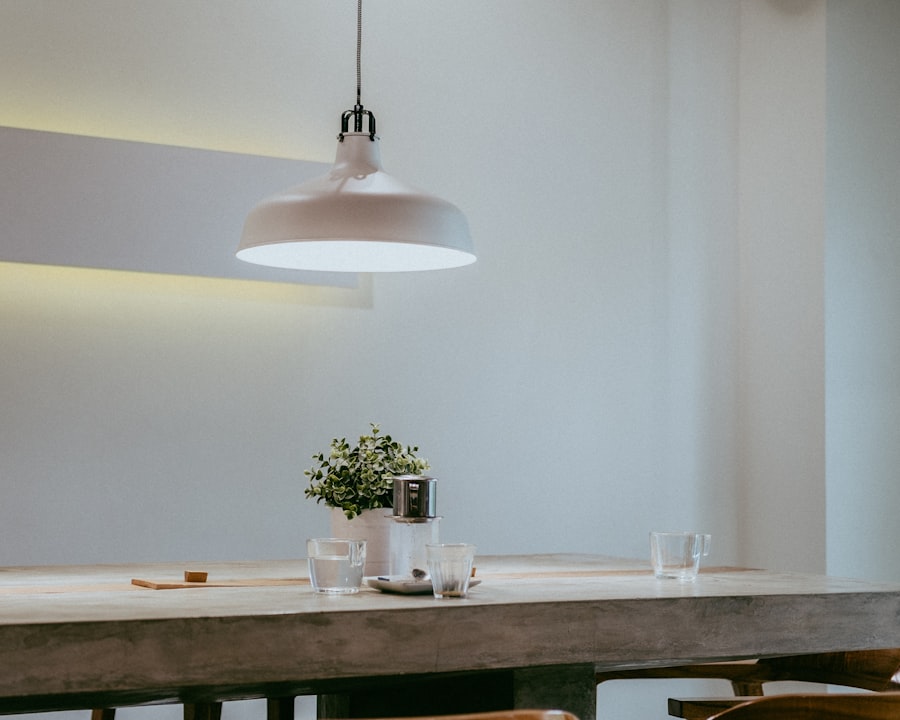
Smart design goes beyond mere aesthetics; it fundamentally enhances convenience and efficiency within the home. One of the most significant advantages of incorporating smart technology is the ability to automate routine tasks. For example, homeowners can program their smart irrigation systems to water gardens at optimal times based on weather conditions, conserving water while maintaining healthy landscapes.
Similarly, smart kitchen appliances can streamline meal preparation by allowing users to control cooking times and temperatures remotely. Furthermore, smart design can lead to improved energy efficiency throughout the home. Smart lighting systems can automatically adjust based on occupancy or natural light levels, reducing energy waste when rooms are unoccupied.
Additionally, smart plugs enable homeowners to monitor energy usage for individual devices, allowing them to identify energy hogs and make adjustments accordingly. By leveraging these technologies, homeowners not only enhance their convenience but also contribute to a more sustainable lifestyle.
Addressing Security and Privacy Concerns
As with any technological advancement, security and privacy concerns are paramount when it comes to smart home technology. The interconnected nature of these devices means that vulnerabilities in one area can potentially compromise the entire system. Homeowners must take proactive steps to secure their networks by implementing strong passwords, enabling two-factor authentication where available, and regularly updating device firmware to protect against known vulnerabilities.
Privacy is another critical consideration; many smart devices collect data about user behavior and preferences. Homeowners should be aware of what data is being collected and how it is used by manufacturers. Reading privacy policies and adjusting settings on devices can help mitigate concerns about data sharing.
Additionally, using devices that allow for local control rather than relying solely on cloud services can enhance privacy by keeping sensitive information within the home network.
Future Trends in Smart Home Design
The future of smart home design is poised for exciting developments as technology continues to advance at an unprecedented pace. One emerging trend is the integration of artificial intelligence (AI) into smart home systems. AI-powered devices will be able to learn from user behavior more effectively, allowing for even greater automation and personalization of home environments.
For instance, AI could analyze patterns in energy usage and suggest optimizations tailored specifically to individual households. Another trend is the increasing focus on sustainability within smart home design. As environmental awareness grows, manufacturers are developing products that not only enhance convenience but also promote eco-friendly practices.
Smart appliances that monitor energy consumption in real-time or systems that optimize water usage based on weather forecasts are just a few examples of how technology can contribute to a more sustainable future. In addition to these trends, advancements in connectivity will likely lead to even more robust ecosystems where devices communicate seamlessly across different platforms. The development of 5G technology will enhance connectivity speeds and reliability, enabling more complex interactions between devices without lag or interruption.
As these trends continue to evolve, homeowners will have access to increasingly sophisticated tools that enhance their living environments while prioritizing convenience, efficiency, security, and sustainability.
FAQs
What is a smart home?
A smart home is a residence that uses internet-connected devices to enable the remote monitoring and management of appliances and systems, such as lighting and heating.
What is smart design in the context of a smart home?
Smart design in the context of a smart home refers to the integration of technology in a way that is seamless, intuitive, and enhances the overall functionality and aesthetics of the living space.
What are some examples of smart home technology?
Examples of smart home technology include smart thermostats, smart lighting systems, voice-controlled assistants, security cameras, smart locks, and automated window treatments.
How can smart design enhance the functionality of a smart home?
Smart design can enhance the functionality of a smart home by integrating technology in a way that simplifies daily tasks, improves energy efficiency, and provides greater convenience and control for the homeowner.
What are some considerations for integrating technology gracefully in a smart home?
Considerations for integrating technology gracefully in a smart home include selecting devices that complement the existing design aesthetic, concealing wires and hardware, and ensuring that the technology enhances the overall living experience without being obtrusive.