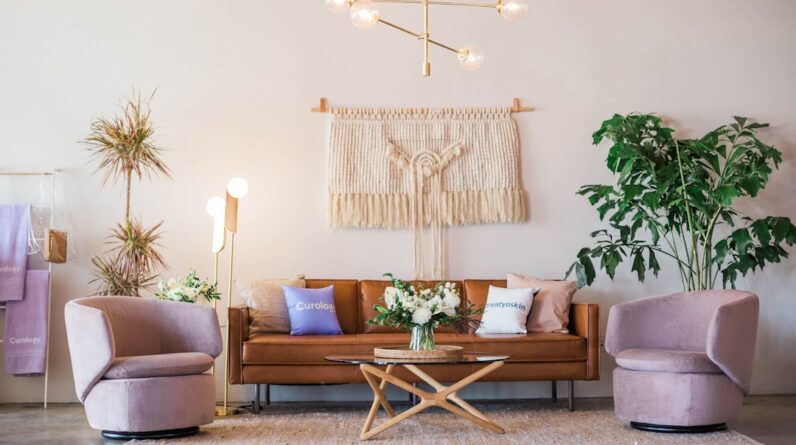
Hygge, a Danish term that encapsulates a feeling of coziness, comfort, and contentment, has transcended its cultural origins to become a global phenomenon in interior design. At its core, hygge-inspired interior design is about creating spaces that foster warmth and well-being, allowing individuals to unwind and enjoy the simple pleasures of life. This design philosophy emphasizes the importance of personal comfort and emotional well-being, encouraging individuals to curate their environments in ways that promote relaxation and joy.
The essence of hygge lies in the details—soft textiles, warm lighting, and a sense of belonging that transforms a house into a home. In practical terms, hygge-inspired interior design often incorporates elements that evoke a sense of nostalgia and familiarity. This can include vintage furniture pieces, handmade crafts, or family heirlooms that tell a story.
The goal is to create an environment that feels lived-in and loved, where every item has a purpose and contributes to the overall atmosphere of comfort. By focusing on these personal touches, individuals can cultivate a space that not only reflects their personality but also serves as a sanctuary from the chaos of everyday life.
Key Takeaways
- Hygge-inspired interior design focuses on creating a cozy and comfortable atmosphere in your home.
- Incorporating soft textures and natural materials can help create a warm and inviting space.
- Candlelight can enhance ambiance and coziness in your home, adding to the hygge atmosphere.
- Bringing nature-inspired elements into your decor can help connect your space to the outdoors and create a sense of tranquility.
- Embracing minimalism and decluttering your space can help create a sense of calm and simplicity in your home.
Creating a Warm and Inviting Atmosphere: Incorporating Soft Textures and Natural Materials
To achieve a truly hygge-inspired interior, one must prioritize the use of soft textures and natural materials. Fabrics such as wool, cotton, and linen can be layered throughout a space to create an inviting atmosphere. Plush throw blankets draped over sofas, fluffy cushions on chairs, and soft area rugs underfoot all contribute to a tactile experience that encourages relaxation.
These elements invite individuals to sink into their surroundings, promoting a sense of comfort that is essential to the hygge lifestyle. Natural materials play a crucial role in enhancing the warmth of a space. Wood, stone, and clay are not only aesthetically pleasing but also evoke a connection to nature that is central to the hygge philosophy.
For instance, incorporating reclaimed wood furniture or stone accents can add an organic touch to any room. Additionally, houseplants can bring life and vibrancy into the home while improving air quality. The combination of soft textures and natural materials creates a harmonious environment that feels both grounded and nurturing, allowing individuals to escape the stresses of modern life.
The Power of Candlelight: Enhancing Ambiance and Coziness in Your Home

Candlelight is often regarded as one of the most effective ways to enhance the ambiance of a space, making it an essential component of hygge-inspired interior design. The flickering glow of candles creates an intimate atmosphere that encourages relaxation and connection. Whether placed on a dining table during a meal or scattered throughout the living room for a cozy evening in, candles have the power to transform any setting into a haven of tranquility.
In addition to their aesthetic appeal, candles also engage the senses through their scents. Scented candles can evoke memories and emotions, further enhancing the hygge experience. For example, the warm aroma of vanilla or cinnamon can create feelings of nostalgia and comfort, reminiscent of family gatherings or cozy winter nights.
By thoughtfully selecting candle placements and scents, individuals can curate an environment that not only looks inviting but also feels deeply personal and comforting.
Bringing the Outdoors In: Incorporating Nature-Inspired Elements into Your Decor
A fundamental aspect of hygge is the connection to nature, which can be seamlessly integrated into interior design through various nature-inspired elements. One effective way to achieve this is by incorporating plants into your decor. Houseplants not only purify the air but also add life and color to any room.
From lush ferns to delicate succulents, the variety of plants available allows for endless possibilities in creating a green sanctuary within your home. In addition to live plants, natural elements such as stones, wood accents, and botanical prints can further enhance the connection to nature. For instance, using wooden furniture or decor items made from reclaimed materials can bring an organic feel to your space.
Artwork featuring landscapes or floral designs can also serve as a reminder of the beauty found outdoors. By thoughtfully integrating these elements into your home, you create an environment that fosters tranquility and encourages mindfulness—a key tenet of the hygge lifestyle.
The Art of Simplicity: Embracing Minimalism and Decluttering Your Space
Embracing minimalism is an essential aspect of creating a hygge-inspired home. The art of simplicity encourages individuals to declutter their spaces and focus on what truly matters—items that bring joy and serve a purpose. This approach not only creates a more visually appealing environment but also promotes mental clarity and peace.
By removing excess clutter, individuals can cultivate a sense of calm that aligns with the principles of hygge. To achieve this minimalist aesthetic, it is important to evaluate each item in your home critically. Consider whether it adds value to your life or simply occupies space.
This process may involve letting go of items that no longer serve you or hold sentimental value. Once decluttering is complete, focus on curating a collection of meaningful pieces that reflect your personality and values. This intentional approach to design fosters an environment that feels open and inviting while allowing for moments of reflection and relaxation.
Nurturing Social Connections: Designing Spaces for Comfortable Gatherings and Quality Time

Hygge is not just about individual comfort; it also emphasizes the importance of social connections and shared experiences. Designing spaces that facilitate comfortable gatherings is essential for nurturing relationships with family and friends. A hygge-inspired home should include areas where people can come together to share meals, engage in conversation, or simply enjoy each other’s company.
Creating inviting communal spaces often involves arranging furniture in a way that encourages interaction. For example, a large dining table can serve as the centerpiece for family meals or game nights with friends. Comfortable seating arrangements in living areas can invite conversation and connection.
Additionally, incorporating elements such as board games or books can encourage shared activities that foster bonding. By prioritizing social spaces within your home, you create an environment where relationships can flourish, embodying the true spirit of hygge.
The Role of Color and Light: Using Warm Tones and Soft Lighting to Create a Hygge-Inspired Environment
Color and light play pivotal roles in establishing the mood within a hygge-inspired home. Warm tones such as soft whites, muted earth tones, and gentle pastels create an inviting atmosphere that promotes relaxation. These colors evoke feelings of warmth and comfort, making them ideal choices for walls, furniture, and decor accents.
By selecting a cohesive color palette that reflects these principles, individuals can create spaces that feel harmonious and soothing. Lighting is equally important in achieving a hygge ambiance. Soft lighting options such as floor lamps with warm bulbs or string lights can create an inviting glow throughout your home.
Avoid harsh overhead lighting; instead, opt for multiple light sources at varying heights to create depth and warmth in your space. Dimmers can also be beneficial in adjusting brightness levels according to different activities or times of day. By thoughtfully considering both color and light in your design choices, you can cultivate an environment that embodies the essence of hygge.
Finding Joy in the Little Things: Incorporating Personal Touches and Sentimental Decor into Your Home
At its heart, hygge is about finding joy in the little things—those small details that bring happiness and comfort into our lives. Incorporating personal touches into your decor is essential for creating a space that feels uniquely yours. This could include displaying family photos in beautiful frames, showcasing artwork created by loved ones, or curating collections of items that hold special meaning.
Sentimental decor serves as a reminder of cherished memories and experiences, enriching your living space with emotional significance. For instance, creating a gallery wall featuring photographs from travels or family milestones can evoke feelings of nostalgia while adding character to your home. Additionally, incorporating handmade items or crafts can infuse your space with warmth and authenticity.
By celebrating these personal connections through decor choices, you cultivate an environment that resonates with joy and contentment—truly embodying the spirit of hygge in your home.
FAQs
What is hygge-inspired interior design?
Hygge-inspired interior design is a concept that originates from Denmark and focuses on creating a cozy and comfortable atmosphere within a space. It emphasizes warmth, simplicity, and a sense of well-being.
What are the key elements of hygge-inspired interior design?
Key elements of hygge-inspired interior design include soft lighting, natural materials such as wood and wool, comfortable furniture, and a minimalist approach to decor. It also emphasizes the use of candles, cozy textiles, and a focus on creating a sense of intimacy and togetherness.
How can I incorporate hygge-inspired interior design into my home?
To incorporate hygge-inspired interior design into your home, focus on creating a warm and inviting atmosphere. This can be achieved through the use of soft, ambient lighting, comfortable seating areas, natural materials, and the addition of cozy textiles such as blankets and cushions. Embrace a minimalist approach to decor and prioritize creating a sense of comfort and relaxation.
What are some popular color schemes for hygge-inspired interior design?
Popular color schemes for hygge-inspired interior design include neutral tones such as whites, creams, and soft grays, as well as warm, earthy tones such as browns and muted greens. These colors help to create a sense of calm and tranquility within a space.
What are some hygge-inspired decor ideas for the home?
Hygge-inspired decor ideas for the home include the use of candles to create a warm and inviting atmosphere, incorporating natural elements such as plants and wood accents, and adding cozy textiles such as knit blankets and plush rugs. Embrace a minimalist approach to decor and focus on creating a sense of comfort and coziness.