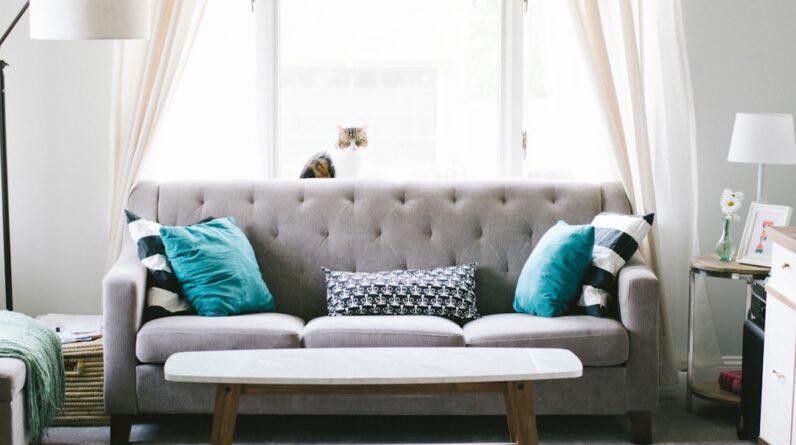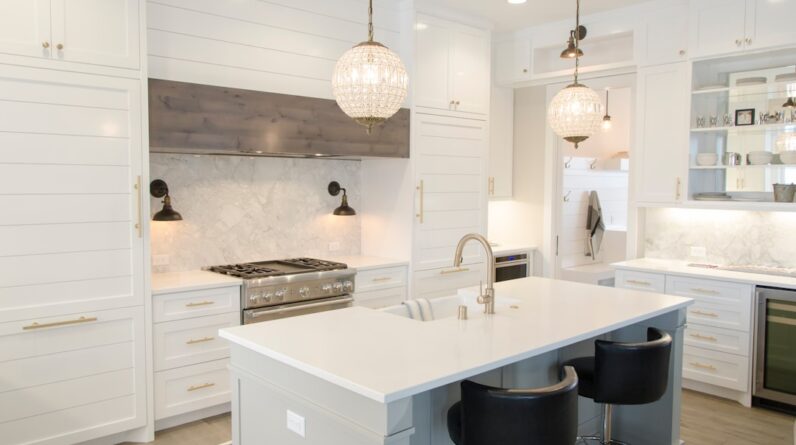
When you embark on the journey of whole home interior design, you are not merely decorating individual rooms; you are creating a harmonious environment that reflects your lifestyle and personality. This approach involves a comprehensive understanding of how each space interacts with the others, ensuring that the design flows seamlessly from one area to the next. You must consider the architectural features of your home, the natural light available, and how each room will be used.
By taking a holistic view, you can create a cohesive atmosphere that enhances your daily living experience. Whole home interior design also requires you to think about the emotional impact of your surroundings. The colors, textures, and layouts you choose can significantly influence your mood and well-being.
For instance, a well-designed living room can become a sanctuary for relaxation, while a functional kitchen can inspire culinary creativity. As you delve into this process, it’s essential to envision how each element contributes to the overall ambiance of your home, allowing you to create spaces that are not only beautiful but also functional and inviting.
Key Takeaways
- Understanding whole home interior design is about creating a cohesive and functional design throughout the entire home.
- Hiring a professional interior designer is important for achieving a well-executed and personalized design.
- Creating a cohesive design throughout the home involves considering the flow and connection between each space.
- Incorporating personal style and preferences is essential for making the home feel unique and reflective of the homeowner’s personality.
- Maximizing space and functionality is crucial for ensuring that the design meets the practical needs of the household.
The Importance of Hiring a Professional Interior Designer
While you may feel confident in your ability to design your home, hiring a professional interior designer can elevate your project to new heights. These experts bring a wealth of knowledge and experience that can save you time, money, and frustration. They understand the nuances of design principles, spatial relationships, and color theory, which can be challenging to navigate on your own.
By collaborating with a designer, you gain access to their expertise in sourcing materials, negotiating with contractors, and managing timelines, ensuring that your vision is executed flawlessly. Moreover, a professional interior designer can help you avoid common pitfalls that many homeowners encounter. They can provide valuable insights into trends and styles that suit your preferences while also considering the long-term functionality of your spaces.
With their guidance, you can make informed decisions that align with your goals and budget. Ultimately, investing in a professional designer can lead to a more cohesive and polished result that reflects your unique taste while enhancing the overall value of your home.
Creating a Cohesive Design Throughout the Home
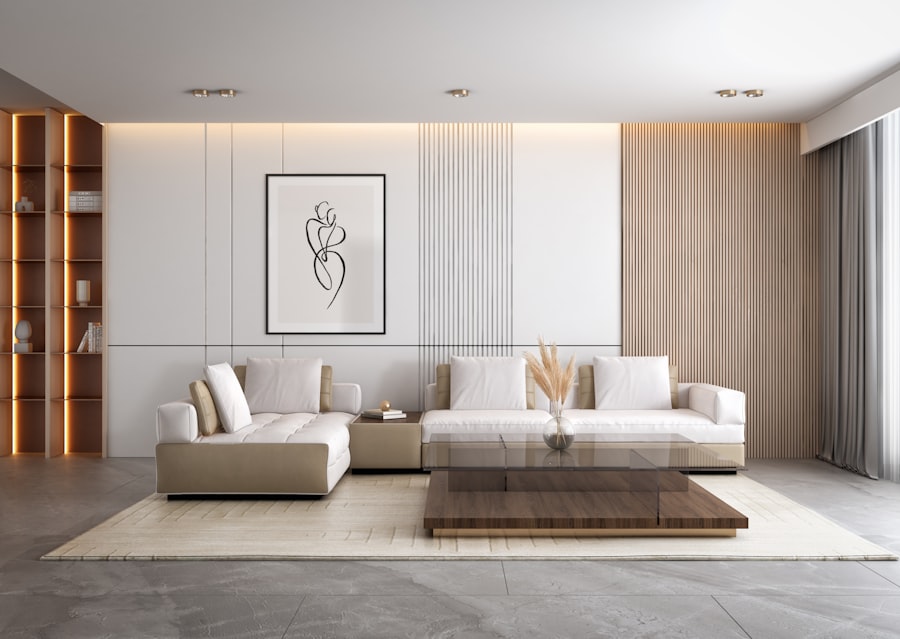
Achieving a cohesive design throughout your home is essential for creating an inviting atmosphere. This means that while each room may serve a different purpose, they should all share common elements that tie them together. You might consider using a consistent color palette or repeating certain design motifs across various spaces.
For example, if you choose a specific shade of blue for your living room accents, incorporating that same hue in your bedroom or hallway can create visual continuity. In addition to color, think about the materials and textures you use throughout your home. If you opt for hardwood flooring in one area, consider extending that choice to other rooms for a unified look.
Similarly, using similar styles of furniture or decor can help maintain a sense of harmony. By thoughtfully curating these elements, you can create an environment that feels connected and intentional, making it more enjoyable for both you and your guests.
Incorporating Personal Style and Preferences
Your home should be a reflection of who you are, which is why incorporating your personal style and preferences is crucial in whole home interior design. Start by identifying the elements that resonate with you—whether it’s a particular color scheme, design style (like modern or rustic), or specific decor items that hold sentimental value. By infusing these personal touches into your design, you create spaces that feel uniquely yours.
As you explore different styles, don’t hesitate to mix and match elements that speak to you. Perhaps you love the sleek lines of contemporary furniture but also have a fondness for vintage accessories. Combining these styles can lead to an eclectic yet cohesive look that tells your story.
Remember, the goal is to create an environment where you feel comfortable and inspired, so trust your instincts and let your personality shine through in every corner of your home.
Maximizing Space and Functionality
In any interior design project, maximizing space and functionality is paramount. You want each room to serve its intended purpose while also feeling open and inviting. Start by assessing how you currently use each space and identify any areas that may be underutilized.
For instance, if you have a small living room, consider multi-functional furniture like ottomans with storage or coffee tables that can expand when needed. Additionally, think about the flow of movement within each room. Arranging furniture in a way that promotes easy navigation can make even the smallest spaces feel more spacious.
You might also explore built-in storage solutions or wall-mounted shelves to keep clutter at bay while maintaining an organized appearance. By prioritizing functionality alongside aesthetics, you can create an environment that not only looks good but also works well for your lifestyle.
Choosing the Right Color Palette for Each Room
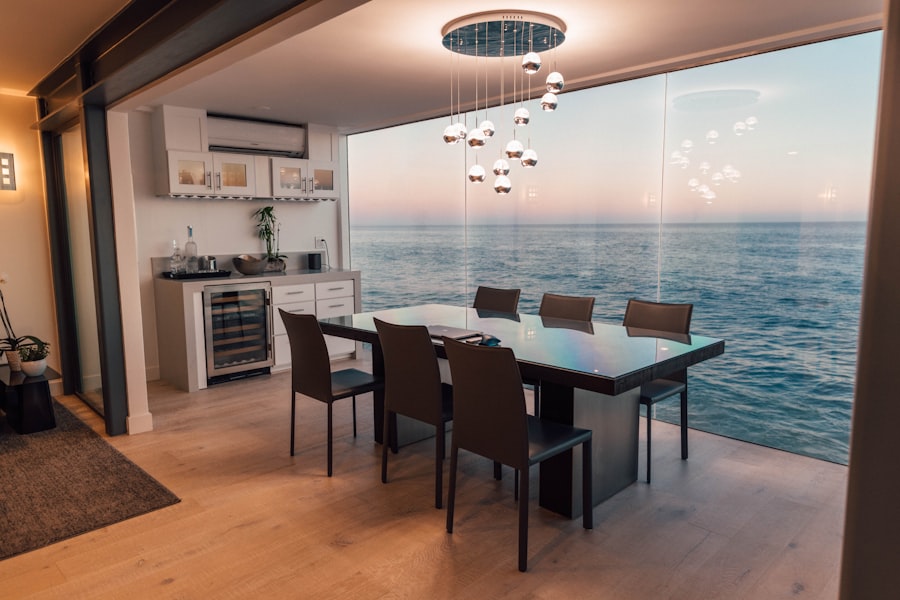
Color plays a pivotal role in setting the mood and tone of each room in your home. When selecting a color palette, consider the purpose of each space and how you want it to feel. For example, soft blues and greens can create a calming atmosphere in bedrooms or bathrooms, while vibrant reds or yellows may energize a kitchen or dining area.
Take the time to experiment with different shades and combinations to find what resonates with you. It’s also essential to think about how colors interact with one another across different rooms. A well-planned color scheme can create visual harmony throughout your home while allowing for variation in individual spaces.
You might choose a neutral base for most rooms and then add pops of color through accessories or artwork. This approach allows for flexibility in changing decor over time without compromising the overall aesthetic of your home.
Selecting Furniture and Decor that Complement Each Other
The furniture and decor you choose should work together to create a cohesive look throughout your home. When selecting pieces, consider their scale and proportion in relation to the size of each room. Oversized furniture can overwhelm smaller spaces, while too-small pieces may get lost in larger areas.
Aim for balance by choosing items that fit comfortably within their surroundings. In addition to size, think about how different materials and styles complement one another. For instance, if you have a modern sofa with clean lines, pairing it with vintage-inspired decor can create an interesting contrast that adds character to the space.
Don’t shy away from mixing textures—soft fabrics against hard surfaces can create depth and visual interest. Ultimately, selecting furniture and decor that harmonize will enhance the overall design while ensuring each piece feels intentional.
Utilizing Lighting to Enhance the Overall Design
Lighting is often an overlooked aspect of interior design, yet it has the power to transform any space dramatically. The right lighting can highlight architectural features, create ambiance, and even affect how colors appear in your home. Start by assessing the natural light available in each room and consider how it changes throughout the day.
This will help you determine where additional lighting may be needed. Layering different types of lighting—ambient, task, and accent—can enhance both functionality and aesthetics. Ambient lighting provides overall illumination, while task lighting focuses on specific areas like reading nooks or kitchen counters.
Accent lighting can draw attention to artwork or architectural details. By thoughtfully incorporating various lighting sources, you can create an inviting atmosphere that enhances the beauty of your design.
Incorporating Sustainable and Eco-Friendly Design Elements
As awareness of environmental issues grows, incorporating sustainable and eco-friendly design elements into your home has become increasingly important. You might start by selecting materials that are renewable or recycled, such as bamboo flooring or reclaimed wood furniture. These choices not only reduce your carbon footprint but also add unique character to your spaces.
Additionally, consider energy-efficient appliances and fixtures that minimize resource consumption while still providing functionality. LED lighting is an excellent option for reducing energy use without sacrificing brightness or style. By prioritizing sustainability in your design choices, you contribute positively to the environment while creating a healthier living space for yourself and future generations.
The Role of Flooring and Window Treatments in Whole Home Interior Design
Flooring and window treatments are foundational elements in whole home interior design that significantly impact both aesthetics and functionality. The type of flooring you choose sets the tone for each room; hardwood offers warmth and elegance, while tile provides durability and ease of maintenance. Consider how different flooring options will work together throughout your home to maintain cohesion.
Window treatments also play a crucial role in enhancing your design while providing privacy and light control. From sheer curtains that allow natural light to filter through to heavy drapes that add drama and warmth, the right window treatments can elevate any space. Think about how these elements interact with one another—coordinating colors and materials between flooring and window treatments can create a polished look that ties everything together beautifully.
Budgeting and Planning for Whole Home Interior Design Projects
Finally, budgeting and planning are essential components of any whole home interior design project. Start by determining how much you are willing to invest in this endeavor; this will guide your decisions regarding materials, furnishings, and professional services. It’s wise to allocate funds for unexpected expenses as well since renovations often come with surprises.
Creating a detailed plan will help keep your project on track and within budget. Outline each phase of the design process—from initial consultations with designers to purchasing materials and final installations—and set realistic timelines for completion. By being organized and proactive about budgeting, you can ensure that your whole home interior design project is not only successful but also enjoyable from start to finish.
FAQs
What is whole home interior design?
Whole home interior design is the process of creating a cohesive and harmonious design for all the rooms in a house. It involves considering the overall flow and aesthetic of the entire home, rather than focusing on individual rooms in isolation.
What does a whole home interior designer do?
A whole home interior designer works with clients to create a unified design concept for their entire home. This may involve space planning, selecting furniture and decor, choosing color schemes, and coordinating the design elements throughout the house.
Why hire a whole home interior designer?
Hiring a whole home interior designer can save time and ensure a cohesive design throughout the entire home. They can also help clients avoid costly design mistakes and create a personalized and functional living space.
What are the benefits of whole home interior design?
The benefits of whole home interior design include a cohesive and harmonious living space, personalized design solutions, efficient use of space, and a tailored aesthetic that reflects the homeowner’s style and preferences.
How to find a whole home interior designer in Chandler, AZ?
To find a whole home interior designer in Chandler, AZ, you can start by researching local design firms, reading reviews, and asking for recommendations from friends or family. It’s important to find a designer who understands your vision and has experience with whole home interior design.