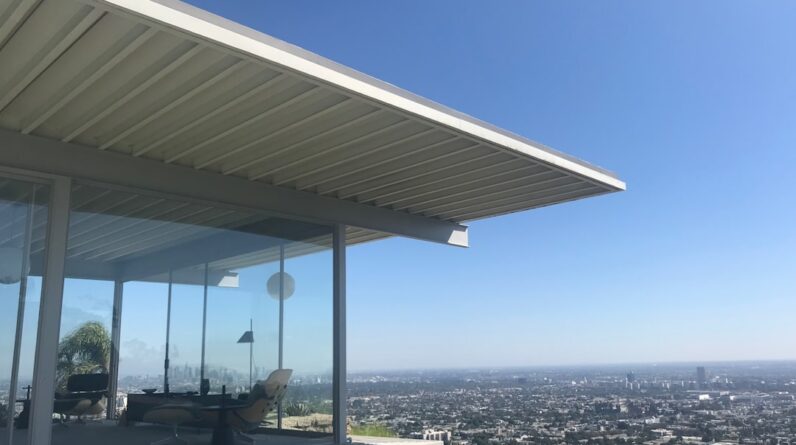
When you step into a space, the atmosphere envelops you, often reflecting the personality and preferences of its inhabitants. Interior design styles play a crucial role in shaping this ambiance, offering a visual language that communicates comfort, elegance, or even boldness. Understanding these styles can empower you to create an environment that resonates with your tastes and lifestyle.
Whether you are redecorating a single room or embarking on a complete home makeover, knowing the various interior design styles can guide your choices and inspire creativity. Each design style carries its own unique characteristics, history, and emotional impact. From the timeless elegance of traditional design to the sleek lines of modern aesthetics, the options are vast and varied.
As you explore these styles, consider how they align with your personal preferences and the functionality you desire in your space. This journey through different interior design styles will not only enhance your understanding but also help you curate a home that feels distinctly yours.
Key Takeaways
- Interior design styles encompass a wide range of aesthetics and approaches to creating a cohesive and visually appealing space.
- Traditional interior design emphasizes classic furniture, rich colors, and intricate details for a timeless and elegant look.
- Modern interior design focuses on clean lines, minimalism, and a sleek, uncluttered aesthetic for a contemporary and sophisticated feel.
- Industrial interior design draws inspiration from urban lofts and warehouses, featuring raw materials, exposed structures, and a utilitarian vibe.
- Scandinavian interior design prioritizes simplicity, functionality, and natural elements to create a cozy and inviting atmosphere with a minimalist and airy feel.
Traditional Interior Design
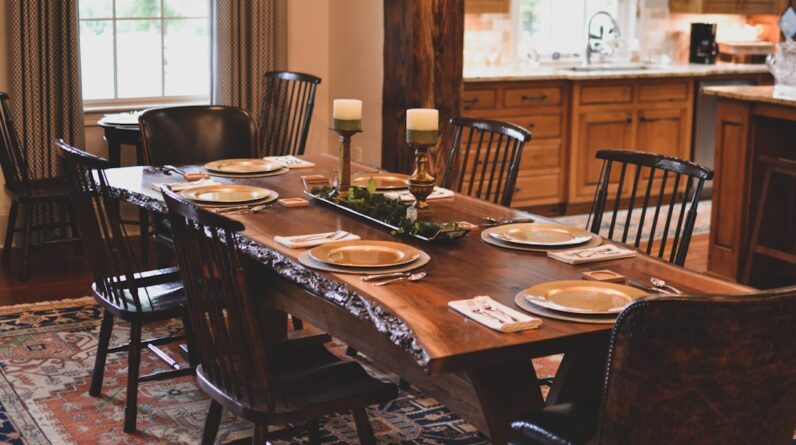
Traditional interior design is often characterized by its classic elements and rich history. This style draws inspiration from the past, incorporating ornate details, rich fabrics, and a sense of symmetry that evokes a feeling of warmth and familiarity. When you think of traditional design, imagine spaces adorned with elegant furniture pieces, intricate moldings, and a color palette that often includes deep hues like burgundy, navy, and forest green.
These elements work together to create an inviting atmosphere that feels both timeless and sophisticated. In a traditional setting, you might find plush sofas draped in luxurious fabrics such as velvet or silk, complemented by wooden furniture with intricate carvings. Accessories like chandeliers, framed artwork, and decorative mirrors add to the opulence of the space.
The layout typically emphasizes balance and harmony, with furniture arranged to facilitate conversation and connection. If you appreciate a sense of history and elegance in your home, traditional interior design may resonate with your aesthetic sensibilities.
Modern Interior Design
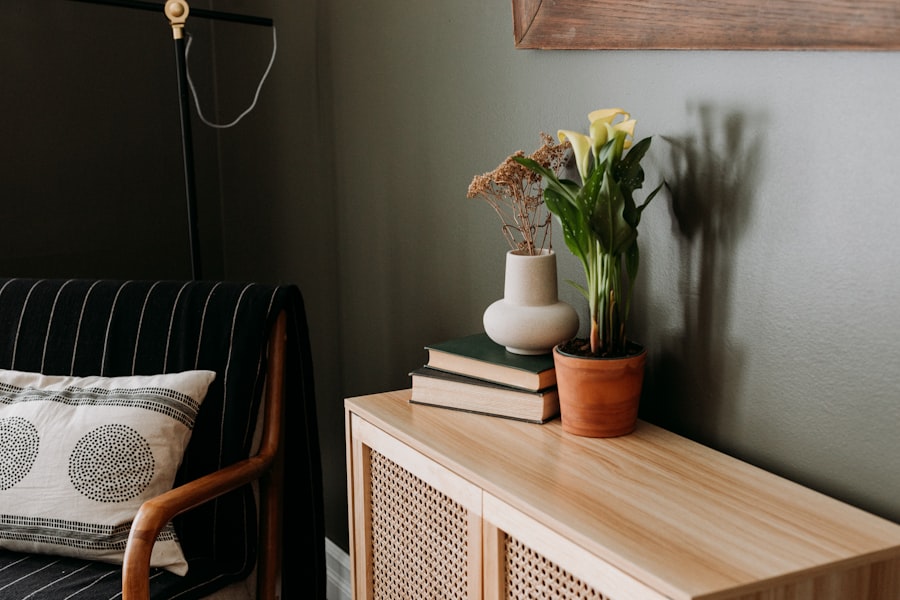
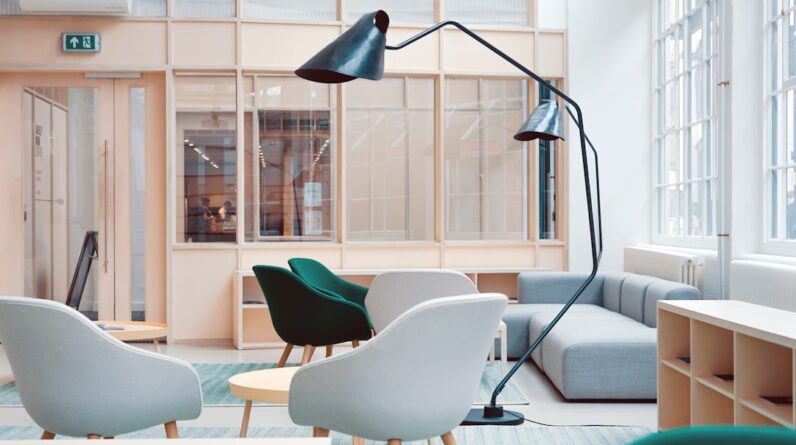
Modern interior design represents a departure from the ornate details of traditional styles, embracing simplicity and functionality. This style emerged in the early to mid-20th century and is characterized by clean lines, open spaces, and a minimalist approach to decor. When you think of modern design, envision a space that feels airy and uncluttered, where every piece serves a purpose and contributes to the overall aesthetic.
Neutral color palettes dominate modern interiors, often accented by bold pops of color through artwork or decorative accessories. In modern design, materials such as glass, metal, and concrete are frequently used to create a sleek and contemporary look. Furniture tends to be low-profile and streamlined, emphasizing form over ornamentation.
The focus is on creating a seamless flow between spaces, often incorporating large windows that invite natural light to fill the room. If you are drawn to a clean and sophisticated environment that prioritizes functionality without sacrificing style, modern interior design may be the perfect fit for your home.
Industrial Interior Design
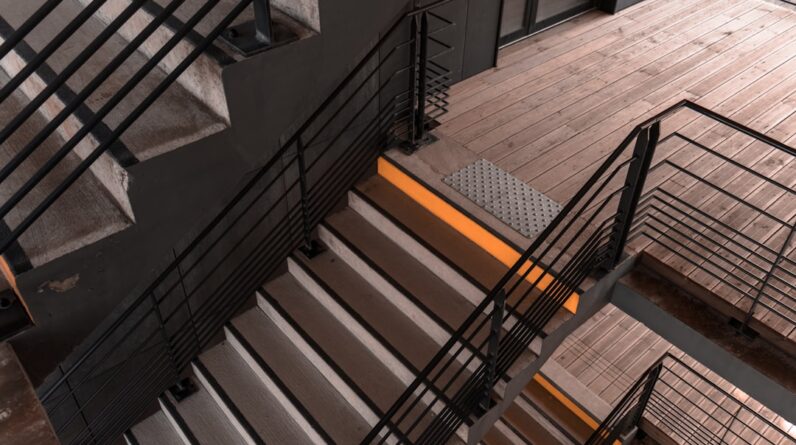
Industrial interior design is a style that celebrates raw materials and an unfinished aesthetic. Originating from repurposed warehouses and factories, this design approach embraces elements like exposed brick walls, concrete floors, and metal fixtures. When you enter an industrial space, you are often greeted by an open floor plan that showcases the building’s structural elements rather than hiding them away.
This style is perfect for those who appreciate an edgy and urban vibe in their living environment. In an industrial setting, you might find vintage furniture pieces mixed with modern accents, creating an eclectic yet cohesive look. Lighting fixtures often feature Edison bulbs or metal finishes that enhance the industrial feel.
The color palette typically leans towards neutral tones—grays, browns, and blacks—allowing the textures of the materials to take center stage. If you enjoy a bold aesthetic that tells a story through its materials and design choices, industrial interior design could be the ideal style for your home.
Scandinavian Interior Design
Scandinavian interior design is known for its emphasis on simplicity, functionality, and connection to nature. Originating from the Nordic countries, this style prioritizes minimalism while incorporating warmth through natural materials and light colors. When you think of Scandinavian design, picture spaces filled with soft textiles, light wood furniture, and an abundance of natural light that creates an inviting atmosphere.
The color palette often features whites, soft grays, and muted pastels that evoke a sense of calm. In Scandinavian interiors, functionality is key; furniture is designed to be practical yet stylish. You might find multi-purpose pieces that maximize space without compromising on aesthetics.
Accessories such as cozy throws and cushions add warmth to the minimalist approach while maintaining a clean look. Plants are also commonly used to bring life into the space, reinforcing the connection to nature that is central to this design style. If you seek a serene environment that balances simplicity with comfort, Scandinavian interior design may resonate with your vision for your home.
Bohemian Interior Design
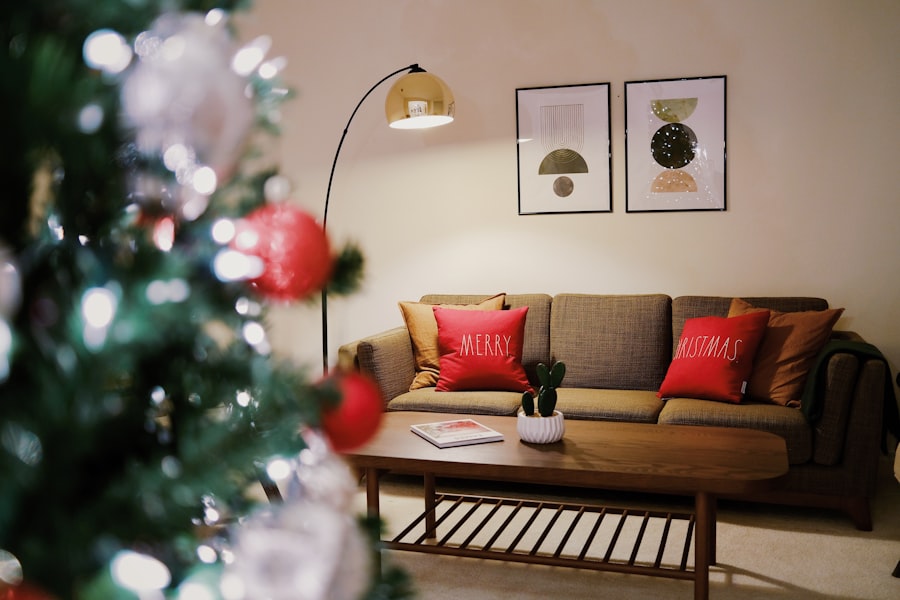
Bohemian interior design is all about self-expression and creativity. This style embraces an eclectic mix of colors, patterns, and textures that reflect your individuality and experiences. When you think of bohemian design, envision spaces filled with vibrant textiles, layered rugs, and an array of decorative items collected from travels or thrift stores.
The overall effect is one of warmth and comfort—a space that invites relaxation and inspires creativity. In a bohemian setting, you might find mismatched furniture pieces that tell a story or evoke nostalgia. Accessories such as macramé wall hangings, potted plants, and colorful artwork contribute to the lively atmosphere.
The color palette is often rich and varied, incorporating jewel tones alongside earthy hues to create depth and interest. If you thrive on creativity and enjoy curating a space that reflects your unique personality and experiences, bohemian interior design could be the perfect avenue for your home decor journey.
Minimalist Interior Design
Minimalist interior design is rooted in the philosophy of “less is more.” This style emphasizes simplicity by stripping away excess decor and focusing on essential elements that create a sense of calm and order. When you think of minimalist design, imagine open spaces filled with carefully selected furniture pieces that serve both form and function. The color palette typically consists of neutral tones—whites, blacks, grays—allowing for a serene backdrop that promotes tranquility.
In minimalist interiors, every item has its place; clutter is kept at bay to maintain an uncluttered aesthetic. Furniture tends to feature clean lines and geometric shapes that contribute to the overall simplicity of the space. Natural light plays a significant role in minimalist design; large windows are often utilized to create an airy atmosphere that enhances the feeling of openness.
If you appreciate a serene environment that promotes mindfulness and clarity in your living space, minimalist interior design may align perfectly with your lifestyle.
Eclectic Interior Design
Eclectic interior design is all about mixing different styles and influences to create a unique and personalized space. This approach allows you to blend elements from various design styles—traditional, modern, bohemian—into one cohesive look that reflects your personality. When you think of eclectic design, envision spaces filled with unexpected combinations of colors, patterns, and textures that come together harmoniously.
In an eclectic setting, you might find vintage furniture paired with contemporary art pieces or bold wallpaper juxtaposed against neutral furnishings. The key to successful eclectic design lies in balance; while mixing styles can create visual interest, it’s essential to maintain a sense of cohesion throughout the space. Accessories play a significant role in this style; curated collections of art or decorative items can serve as focal points that tie the room together.
If you thrive on creativity and enjoy expressing your individuality through your living space, eclectic interior design may be the perfect canvas for your artistic vision. In conclusion, exploring various interior design styles opens up a world of possibilities for creating spaces that resonate with your personal aesthetic. Whether you lean towards the elegance of traditional design or the boldness of industrial aesthetics, each style offers unique elements that can transform your home into a reflection of who you are.
Embrace your creativity as you navigate through these diverse styles; after all, your home should be a sanctuary that tells your story while providing comfort and inspiration every day.
FAQs
What is interior design?
Interior design is the art and science of enhancing the interior of a space to achieve a healthier and more aesthetically pleasing environment for the people using the space.
What are interior design styles?
Interior design styles refer to the different design themes and aesthetics that can be used to decorate and furnish a space. There are various interior design styles, each with its own unique characteristics and elements.
What are some popular interior design styles?
Some popular interior design styles include modern, contemporary, traditional, industrial, Scandinavian, bohemian, mid-century modern, and minimalist.
How do I choose an interior design style for my space?
When choosing an interior design style for your space, consider your personal preferences, the function of the space, and the existing architectural elements. It’s also helpful to gather inspiration from design magazines, websites, and social media platforms.
What are the key elements of interior design styles?
Key elements of interior design styles include color schemes, furniture and decor choices, materials and textures, lighting, and overall aesthetic themes.
Can I mix different interior design styles in one space?
Yes, it is possible to mix different interior design styles in one space to create a unique and eclectic look. However, it’s important to ensure that the different styles complement each other and create a cohesive overall design.
How can I incorporate an interior design style into my home?
You can incorporate an interior design style into your home by selecting furniture, decor, and color schemes that are characteristic of the chosen style. Additionally, you can use architectural elements and lighting to enhance the overall aesthetic.