When you step into a room, the first thing you notice is how it makes you feel. This emotional response is often influenced by spatial illusions created through design choices. Understanding these illusions is crucial for anyone looking to enhance their living space.
Spatial illusions can manipulate your perception of size, shape, and volume, making a small room feel larger or a large room feel cozier. By grasping the principles behind these illusions, you can transform your environment into a more inviting and functional space. One of the key aspects of spatial illusions is how your brain interprets visual cues.
For instance, the arrangement of furniture, the choice of colors, and even the type of decor can all contribute to how spacious or cramped a room feels. You might find that certain patterns or textures can trick your mind into perceiving more depth or height than actually exists. By being aware of these elements, you can make informed decisions that enhance the overall aesthetic and functionality of your home.
Key Takeaways
- Spatial illusions in interior design can be achieved through various techniques such as color, texture, mirrors, and lighting.
- Creating depth and dimension in a room can be done by using a combination of contrasting colors and textures to visually expand the space.
- Mirrors and glass can be used strategically to make small spaces appear larger by reflecting light and creating the illusion of more space.
- Playing with scale and proportion of furniture and decor can create optical illusions that make a room feel larger or smaller than it actually is.
- Utilizing lighting effectively can alter the perceived space in a room by creating highlights and shadows to visually expand or contract the area.
Creating Depth and Dimension with Color and Texture
Color and texture are powerful tools in your interior design arsenal. When used thoughtfully, they can create a sense of depth and dimension that adds interest to any space. For example, darker colors tend to recede, while lighter shades can bring elements forward.
If you want to create a more expansive feel in a room, consider using lighter hues on the walls and darker tones for accents. This contrast can help delineate areas within a space, making it feel more layered and dynamic. Texture also plays a significant role in creating depth.
Incorporating various materials—such as soft fabrics, rough woods, or sleek metals—can add visual interest and complexity to your design. You might choose to mix textures in your furnishings or decor to create a tactile experience that draws the eye around the room. For instance, pairing a plush velvet sofa with a rustic wooden coffee table can create an engaging contrast that enhances the overall aesthetic while also making the space feel more inviting.
Using Mirrors and Glass to Expand Small Spaces
Mirrors and glass are often hailed as essential elements in small-space design. They have the unique ability to reflect light and create an illusion of depth, making even the tiniest rooms feel more open and airy. When you strategically place mirrors on walls or incorporate glass furniture, you can effectively double the visual space in a room.
This technique is particularly useful in areas like living rooms or bedrooms where you want to maximize every square inch. In addition to their reflective properties, mirrors can also serve as decorative focal points. A large mirror can act as a statement piece while simultaneously enhancing the sense of space.
You might consider placing a mirror opposite a window to reflect natural light, which not only brightens the room but also creates an inviting atmosphere. Glass elements, such as transparent tables or shelving units, can further contribute to this effect by allowing light to flow through the space without obstruction.
Playing with Scale and Proportion for Optical Illusions
The scale and proportion of furniture and decor are critical factors in creating optical illusions within your home. When you choose pieces that are appropriately sized for your space, you can manipulate how large or small a room feels. For instance, oversized furniture in a compact area can make it feel cramped and cluttered, while smaller-scale pieces can create an airy ambiance.
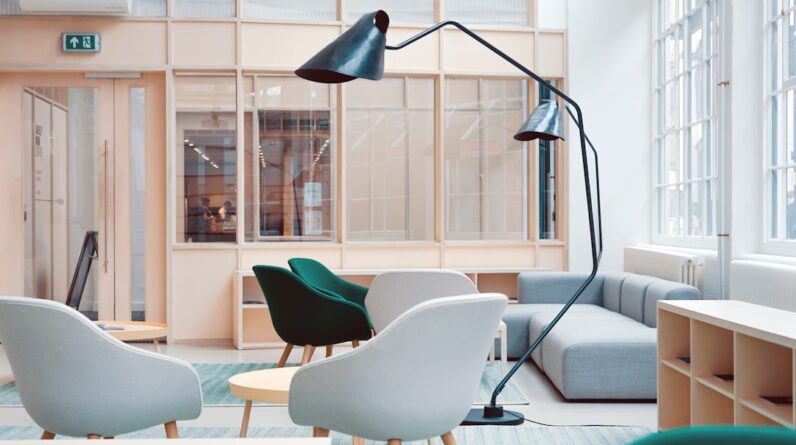
Conversely, if you have a large room, incorporating larger furniture can help fill the space without overwhelming it. You might also experiment with varying heights in your decor to create visual interest and depth. Tall bookshelves or floor lamps can draw the eye upward, making ceilings appear higher than they are.
On the other hand, low-profile furniture can create a more intimate setting. By balancing these elements thoughtfully, you can craft an environment that feels both spacious and inviting, allowing you to enjoy your home to its fullest potential.
Utilizing Lighting to Alter Perceived Space
Lighting is one of the most effective ways to alter the perception of space in your home. The right lighting can make a room feel larger, cozier, or even more dramatic depending on your goals. Natural light is particularly valuable; it not only brightens a space but also creates an illusion of openness.
You might consider using sheer curtains or strategically placing mirrors to maximize the amount of daylight that enters your rooms. Artificial lighting also plays a crucial role in shaping how you perceive space. Layering different types of lighting—ambient, task, and accent—can create depth and dimension within a room.
For example, using recessed lighting combined with floor lamps and wall sconces can help illuminate various areas without overwhelming the senses. You may find that adjusting the brightness or color temperature of your lights can dramatically change the mood of a space, making it feel either more expansive or intimate based on your needs.
Incorporating Vertical Lines to Add Height to a Room

Introduction to Vertical Lines
Vertical lines are an excellent design element for creating the illusion of height in any room. Whether through architectural features like tall windows or decorative elements such as vertical stripes on wallpaper, these lines draw the eye upward and make ceilings appear higher than they are. You might consider using vertical paneling or tall bookshelves to emphasize this effect further.
Design Elements and Vertical Lines
In addition to wallpaper and architectural features, you can also incorporate vertical lines through furniture arrangement. For instance, placing tall plants or artwork at eye level can create a sense of elevation within the space.
Creating a Sense of Elevation
By thoughtfully integrating vertical elements into your design scheme, you can transform even the most modest rooms into airy retreats that feel open and inviting. This can be achieved by combining different design elements, such as furniture and decorative features, to create a cohesive and uplifting atmosphere.
Transforming Your Space
Ultimately, the strategic use of vertical lines can have a profound impact on the overall feel of a room, making it feel more spacious and welcoming. By incorporating vertical elements in a thoughtful and intentional way, you can create a space that feels larger than it actually is, and that promotes a sense of relaxation and comfort.
Arranging Furniture to Maximize Space and Create Illusions
The way you arrange furniture can significantly impact how spacious a room feels. By strategically placing pieces to create clear pathways and open areas, you can enhance both functionality and aesthetics. Consider using furniture that serves multiple purposes—like ottomans with storage or coffee tables that double as workspaces—to maximize utility without sacrificing style.
You might also experiment with different layouts to find what works best for your space. For example, floating furniture away from walls can create a more open feel while allowing for better flow throughout the room. Additionally, grouping furniture into conversational areas can foster intimacy without making the space feel cramped.
By being intentional about your furniture arrangement, you can create an environment that feels both spacious and welcoming.
Avoiding Clutter and Embracing Minimalism for a Spacious Feel
Clutter is one of the biggest enemies of perceived space in any home. When surfaces are overloaded with items, even the largest rooms can feel cramped and chaotic. Embracing minimalism is an effective strategy for creating a more spacious atmosphere.
By curating your belongings and only keeping what truly adds value to your life, you can foster an environment that feels calm and organized. Incorporating storage solutions is another way to maintain a minimalist aesthetic while keeping your space functional. Consider using decorative baskets or stylish shelving units to store items out of sight while still being easily accessible.
This approach allows you to enjoy your belongings without overwhelming your visual landscape. Ultimately, by prioritizing simplicity and organization in your design choices, you can cultivate a home that feels expansive and serene—a true sanctuary from the outside world.
FAQs
What are spatial illusions in interior design?
Spatial illusions in interior design are techniques used to create the perception of more space or depth in a room. These techniques can include the use of color, lighting, furniture placement, and other design elements to visually expand or open up a space.
What are some common spatial illusion techniques used in interior design?
Common spatial illusion techniques in interior design include using light colors to make a room feel larger, strategically placing mirrors to reflect light and create the illusion of depth, and using furniture with exposed legs to create a sense of openness.
How can color be used to create spatial illusions in interior design?
Color can be used to create spatial illusions in interior design by using light, cool colors to make a space feel larger and brighter, and using darker, warm colors to create a sense of coziness and intimacy. Additionally, using a monochromatic color scheme can create a seamless, uninterrupted visual flow, making a space feel more expansive.
What role does lighting play in creating spatial illusions in interior design?
Lighting plays a crucial role in creating spatial illusions in interior design. By strategically placing light fixtures and using different types of lighting, such as ambient, task, and accent lighting, designers can manipulate the perception of space and create a sense of depth and openness in a room.
How can furniture placement contribute to spatial illusions in interior design?
Strategic furniture placement can contribute to spatial illusions in interior design by creating pathways and visual flow, as well as by maximizing the use of vertical space. Additionally, using furniture with clean lines and exposed legs can create a sense of openness and airiness in a room.