What Materials Are Commonly Used In Interior Design?
When you step into an interior space, what do you notice first? Is it the vibrant colors on the walls, the texture of the furniture, or the unique combination of materials that make the place feel warm and inviting? Interior design is not just about aesthetics; it’s a fascinating dance between functionality and expression, and materials play a pivotal role in that balance. Whether you’re redecorating your home, refreshing your apartment, or simply curious about the building blocks of interior design, understanding the common materials used can elevate your design choices and inspire creativity.
Wood: The Timeless Classic
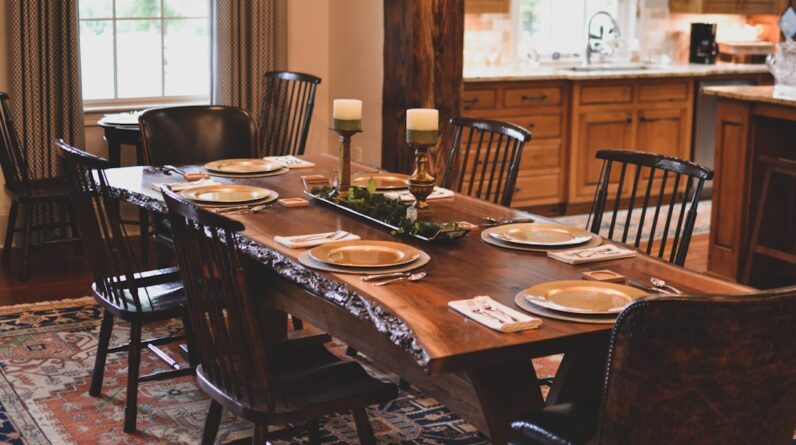
Wood is often hailed as one of the most versatile and timeless materials in interior design. When you think of wood, you might imagine rustic beams overhead or elegant hardwood floors underfoot. Wood brings warmth, texture, and a touch of nature into any space, making it an ideal choice for both contemporary and traditional styles. It’s not only about the aesthetics; the range of wood types—like oak, cherry, or walnut—each provides a unique color and grain that adds character.
The varying finishes of wood can also dictate the mood of a room. Matte finishes evoke an organic feel, while glossy finishes can impart a sense of luxury. You can also play with treatments like staining, painting, or distressing to achieve the look you desire. Incorporating wooden elements like furniture, cabinetry, and decor can create a cohesive look that draws visitors in and makes them feel right at home.
Metal: A Touch of Elegance
Metal as a material in interior design adds a modern flair and structural integrity. From stainless steel kitchens to wrought iron balconies, metal can serve as a striking element in a variety of applications. The sleekness of metals such as aluminum, brass, and copper can be used to create sophisticated details that catch the eye and add depth to a room.
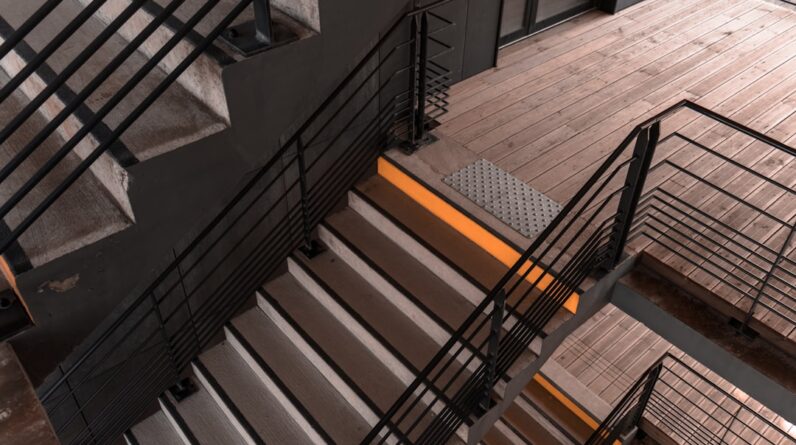
Incorporating metals doesn’t just stop at furniture or appliances; light fixtures, stair rails, and even wall art can utilize the beauty of metal. The interplay between metal and other materials—like wood and glass—can create an exciting contrast that elevates your design scheme. A metal accent might be the finishing touch that transforms an ordinary room into something extraordinary.

Glass: The Element of Transparency
Glass is often the unsung hero of interior design. While it may seem fragile at first glance, its ability to create illusion and depth is unmatched. From expansive windows that flood a space with natural light to sleek glass tabletops that keep a room feeling open and airy, this material has a significant impact on how we perceive and experience interior spaces.
Frosted glass can provide an element of privacy while still allowing light to pass through, making it perfect for bathroom spaces or home offices. On the other hand, clear glass can enhance the sense of space, making even the smallest rooms feel larger. Even with decorative pieces like mirrors, you can amplify light and create stunning visual interest.
Fabrics: Softening the Atmosphere
No interior would feel comfortable or inviting without the use of fabrics. Whether it’s lush velvet, soft cotton, or durable leather, fabrics add layers of comfort and can transform the mood entirely. Textiles are not only functional—think drapes, upholstery, and cushions—but they also express your personality. They can bring color, pattern, and texture to a room, which makes them integral to the overall design.
When choosing fabrics, consider how they interact with the other materials in your space. Mixing textures, such as pairing a chunky knit with a sleek leather, can create a rich, inviting environment. Moreover, don’t be afraid to use patterns to add whimsy and life to your interiors. Fabrics can showcase your style—whether it’s bold and vibrant or soft and minimalist.

Stone: Nature’s Enduring Beauty
Stone evokes a sense of permanence and durability that few materials can match. It’s often seen in flooring, countertops, and even accent walls. The versatility of stone is also remarkable—granite and marble speak to a polished luxury, while slate and limestone offer a more rustic, earth-toned appeal. Choosing the right stone for your project can anchor your design and offer visual drama.
In kitchens, for instance, a marble countertop can serve as the centerpiece, while a slate floor can add depth to a cozy breakfast nook. Stone works beautifully with wood and metal, creating a sophisticated yet harmonious blend. You might also consider using stone for smaller decorative items, like coasters or sculptures, to incorporate natural beauty throughout your home.
Concrete: The Urban Edge
Concrete may not be a material you immediately associate with beauty or comfort, but its rise in popularity in interior design speaks volumes. It adds an industrial edge that can be quite chic. Concrete works well in modern or minimalist spaces, often serving as a foundation for your overall design. Think concrete countertops or flooring that exudes an urban vibe while being incredibly practical and durable.
You can experiment with different finishes—polished concrete can add a sleek, shiny surface that reflects light, while raw or textured concrete provides a more organic or rugged look. Concrete is an excellent blank canvas that can complement a variety of other materials, from glass to wood, allowing for a diverse range of styles.
Leather: The Touch of Luxury
Leather furniture and accents convey a sense of opulence and sophistication that is hard to resist. Whether you opt for classic brown leather, contemporary white, or bold colors, leather can instantly elevate a space. This material comes in various textures and finishes, allowing for versatility in design while still retaining that luxurious feel.
The durability of leather makes it an excellent choice for upholstery, ensuring that your investment will stand the test of time. When considering leather, think about how it feels against other textures and materials. A leather chair can be beautifully complemented by plush cushions made of softer fabrics, creating a balanced look that invites relaxation.
Durable Surfaces: Navigating Functionality and Aesthetics
While aesthetics play a significant role in selecting materials, thinking about durability is equally important. You want materials that will last, especially in high-traffic areas. When it comes to flooring, for instance, materials like laminate or vinyl can offer the look of wood at a fraction of the cost while being especially easy to maintain.
Consider also using engineered stone or quartz for countertops, as they combine beauty with resilience. Understanding where to incorporate these durable surfaces will enhance your space’s functionality—whether it’s a family kitchen or a busy entryway—ensuring your home remains beautiful and practical.
Sustainable Materials: The Eco-Friendly Choice
More and more homeowners are looking for eco-friendly options in their interior design, making sustainable materials trendy and necessary. Bamboo, reclaimed wood, and recycled materials not only reduce your carbon footprint but can add unique character to your home. Sustainable materials can contribute to a sense of ethics in your design choices, resonating with those who want to make a positive impact on the environment.
Using reclaimed wood beams can tell a story and impart history into your space, while bamboo floors provide the same aesthetic appeal as traditional hardwoods, often with less environmental impact. Implementing sustainable practices in interior design isn’t just a trend; it reflects a growing awareness and responsibility towards our planet.
Color and Paint: More Than Just a Finishing Touch
While colors certainly tie a room together, the type of paint you choose can dramatically affect the overall look and feel of the space. Paint is not just about the hue; it’s about the finish and texture. Matte finishes absorb light, creating a softer look, while gloss finishes reflect light, making rooms appear larger and brighter.
Beyond walls, you can use paint on furniture or accents to refresh an old piece and breathe new life into your decor. The right color can energize a space or induce calmness—think serene blues or vibrant reds that can evoke feelings or set the tone for any room.
Accessories: The Final Touch of Personality
Once you’ve chosen your primary materials, accessories can add the finishing touches that truly personalize your space. Accessories range from artwork and decorative objects to plants and textiles. By mingling various materials and styles, you can showcase what truly resonates with you.
Artwork can serve as a focal point, helping to tie together your chosen palette, while plants introduce a natural element that softens hard surfaces. When accessorizing, consider not just the colors but also the mix of materials—wood, metal, and glass—to establish a harmonious balance throughout the room.
Conclusion: Creating Your Unique Space
Navigating the world of materials in interior design can feel like a monumental task, yet it ultimately provides you with the tools to curate a space that speaks to you and those you invite into your life. Whether you lean toward the warmth of wood or the sleekness of metal, every material has its purpose and potential. Embrace the conversation between them and allow each to shine in its own right.
As you reflect on your own space—what materials resonate with you? How can you incorporate various elements to create a home that is not only aesthetically pleasing but functional and comfortable? Remember, your space is an extension of who you are; every choice you make contributes to the story you want to tell.
If you enjoyed this article, please consider giving it a clap, leaving a comment, and subscribing to my Medium newsletter for more insights and updates on everything interior design. Your support means so much! Thank you!