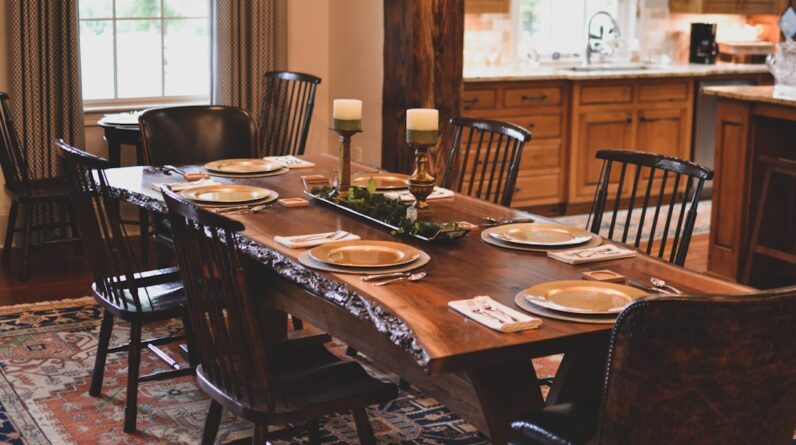
When you embark on the journey of creating a sustainable living space, the first step is to understand the materials and resources that contribute to environmental well-being. Sustainable materials are those that are sourced responsibly, have a minimal ecological footprint, and can be recycled or repurposed at the end of their life cycle. This means looking for products made from renewable resources, such as bamboo or reclaimed wood, which not only reduce waste but also promote biodiversity.
By choosing these materials, you are making a conscious decision to support practices that protect the planet. Moreover, it’s essential to consider the lifecycle of the materials you select. This includes understanding how they are harvested, processed, and transported.
For instance, opting for locally sourced materials can significantly reduce carbon emissions associated with transportation. Additionally, you should be aware of certifications that indicate sustainability, such as Forest Stewardship Council (FSC) for wood products or Global Organic Textile Standard (GOTS) for textiles. By prioritizing these sustainable options, you not only enhance the aesthetic appeal of your space but also contribute to a healthier environment.
Key Takeaways
- Sustainable materials and resources are essential for reducing environmental impact and promoting a circular economy.
- Energy-efficient lighting and appliances help to minimize energy consumption and lower utility costs.
- Low-impact and non-toxic paints and finishes contribute to healthier indoor air quality and reduce harmful emissions.
- Passive design strategies, such as proper insulation and orientation, maximize natural heating and cooling to enhance comfort and reduce energy usage.
- Eco-friendly furnishings and textiles made from renewable or recycled materials support sustainable production and consumption practices.
Incorporating Energy-Efficient Lighting and Appliances
As you look to enhance your home’s sustainability, energy-efficient lighting and appliances play a crucial role in reducing your overall energy consumption. Switching to LED lighting is one of the simplest yet most effective changes you can make. LEDs consume significantly less energy than traditional incandescent bulbs and have a longer lifespan, which means fewer replacements and less waste.
By illuminating your space with energy-efficient lighting, you can create a warm and inviting atmosphere while also lowering your electricity bills. In addition to lighting, consider upgrading your appliances to energy-efficient models. Look for those with the ENERGY STAR label, which indicates that they meet strict energy efficiency guidelines set by the U.S.
Environmental Protection Agency. These appliances not only use less energy but often come with advanced features that enhance their performance. For example, energy-efficient refrigerators maintain optimal temperatures while consuming less power, and washing machines designed for efficiency can clean your clothes effectively while using less water.
By making these upgrades, you are taking significant steps toward reducing your carbon footprint and promoting a more sustainable lifestyle.
Utilizing Low-impact and Non-toxic Paints and Finishes
When it comes to refreshing your living space, the choice of paints and finishes can have a profound impact on both your health and the environment. Traditional paints often contain volatile organic compounds (VOCs), which can release harmful fumes into the air and contribute to indoor air pollution. To create a healthier home environment, opt for low-impact and non-toxic paints that are free from these harmful chemicals.
Many brands now offer eco-friendly options that provide excellent coverage and durability without compromising on quality. In addition to choosing non-toxic paints, consider the finishes you apply to surfaces in your home. Natural oils and water-based finishes are excellent alternatives to conventional products that may contain harmful substances.
These options not only minimize your exposure to toxins but also enhance the natural beauty of wood and other materials. By prioritizing low-impact paints and finishes, you are not only safeguarding your health but also contributing to a more sustainable future.
Implementing Passive Design Strategies for Natural Heating and Cooling
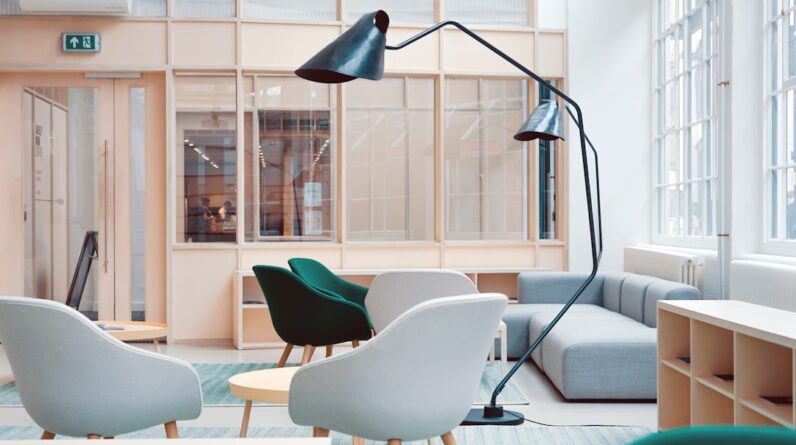
Passive design strategies are an innovative way to optimize your home’s energy efficiency by harnessing natural resources for heating and cooling. By strategically placing windows, overhangs, and thermal mass materials, you can create a comfortable indoor environment without relying heavily on mechanical heating or cooling systems. For instance, large south-facing windows can capture sunlight during the winter months, providing natural warmth, while overhangs can block direct sunlight in the summer, keeping your home cool.
Incorporating natural ventilation is another key aspect of passive design. By designing your home to allow for cross-ventilation, you can take advantage of prevailing winds to cool your space naturally. This not only reduces your reliance on air conditioning but also improves indoor air quality by promoting fresh airflow.
As you explore passive design strategies, consider how they can be integrated into your existing space or incorporated into new construction projects. By embracing these techniques, you can create a more sustainable home that thrives on nature’s resources.
Selecting Eco-Friendly Furnishings and Textiles
The furnishings and textiles you choose for your home can significantly impact its overall sustainability. When selecting furniture, look for pieces made from sustainable materials such as reclaimed wood or bamboo. These materials not only reduce waste but also add character and warmth to your space.
Additionally, consider purchasing from companies that prioritize ethical manufacturing practices and fair labor conditions. By supporting brands that align with your values, you contribute to a more sustainable economy. Textiles also play a vital role in creating an eco-friendly home environment.
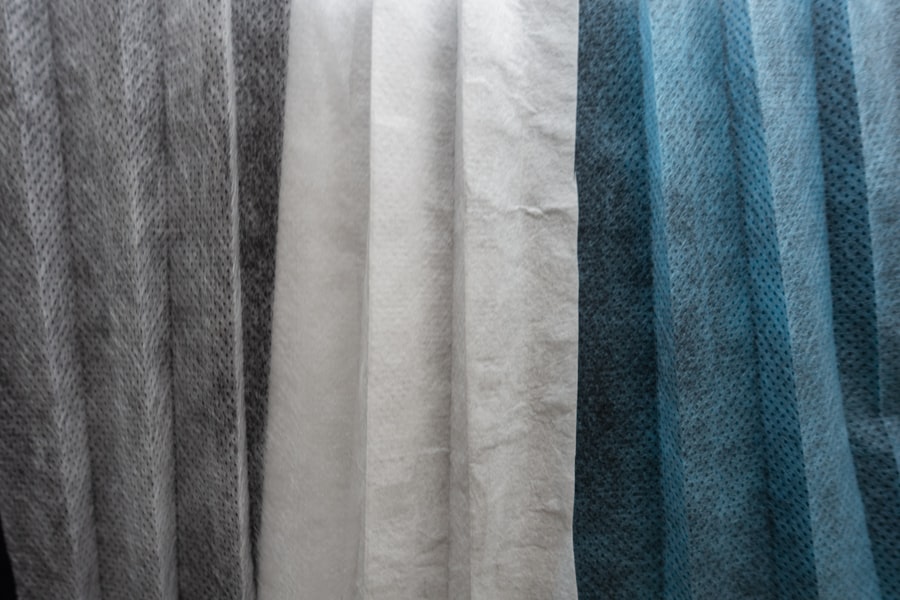
Opt for organic cotton, linen, or hemp fabrics that are free from harmful pesticides and chemicals. These materials are not only better for the environment but also safer for your family’s health. When it comes to upholstery or curtains, look for options that are dyed using non-toxic methods to further minimize your exposure to harmful substances.
By carefully selecting eco-friendly furnishings and textiles, you can create a beautiful and sustainable living space that reflects your commitment to the planet.
Integrating Indoor Plants and Biophilic Design Elements

The Power of Indoor Plants
Plants not only add beauty but also help purify the air by absorbing toxins and releasing oxygen. Consider incorporating a variety of plants that thrive indoors, such as snake plants or pothos, which require minimal maintenance while providing significant health benefits.
Biophilic Design: Harmonizing Nature and Space
Biophilic design elements go beyond just adding plants; they focus on creating a harmonious relationship between nature and the built environment. This can include using natural materials like stone or wood in your decor or maximizing natural light through large windows or skylights.
Creating a Calming Atmosphere
By embracing biophilic design principles, you create a calming atmosphere that fosters well-being and productivity. As you integrate these elements into your home, you’ll find that they not only enhance its beauty but also contribute to a more sustainable lifestyle.
Embracing Upcycling and Repurposing of Materials
Upcycling and repurposing materials is an innovative approach to sustainability that allows you to breathe new life into items that might otherwise be discarded. Instead of purchasing new furniture or decor, consider transforming old pieces into something unique and functional. For example, an old wooden pallet can be converted into a stylish coffee table or garden planter with just a bit of creativity and effort.
This practice not only reduces waste but also encourages creativity and resourcefulness in your home design. You might find inspiration in thrift stores or garage sales where hidden treasures await discovery. By embracing upcycling, you not only save money but also contribute to a circular economy where materials are reused rather than thrown away.
As you explore this avenue of sustainability, you’ll discover countless possibilities for creating a personalized space that reflects your style while being kind to the planet.
Collaborating with Sustainable Suppliers and Artisans
Finally, one of the most impactful ways to enhance sustainability in your home is by collaborating with suppliers and artisans who prioritize eco-friendly practices. When sourcing materials or furnishings, seek out local businesses that emphasize sustainability in their operations. This not only supports your community but also reduces the carbon footprint associated with transportation.
Working with artisans who specialize in sustainable craftsmanship allows you to acquire unique pieces that tell a story while minimizing environmental impact. These artisans often use reclaimed materials or traditional techniques that have been passed down through generations, resulting in high-quality products that stand the test of time. By choosing to collaborate with sustainable suppliers and artisans, you contribute to a more responsible economy while enriching your home with meaningful items that reflect your commitment to sustainability.
In conclusion, creating a sustainable living space involves thoughtful consideration of various elements ranging from materials to design strategies. By understanding sustainable materials, incorporating energy-efficient appliances, utilizing non-toxic paints, implementing passive design strategies, selecting eco-friendly furnishings, integrating biophilic elements, embracing upcycling, and collaborating with sustainable suppliers, you can transform your home into an oasis of sustainability. Each choice you make contributes not only to a healthier environment but also enhances your quality of life as you cultivate a space that aligns with your values and aspirations for a better future.
FAQs
What is sustainable interior design?
Sustainable interior design focuses on creating spaces that are environmentally friendly, energy efficient, and socially responsible. It involves using materials and practices that minimize the negative impact on the environment.
How do interior designers incorporate sustainable practices into their designs?
Interior designers incorporate sustainable practices into their designs by using eco-friendly materials, implementing energy-efficient systems, and considering the environmental impact of their design choices. They also prioritize using products that are non-toxic and have a low carbon footprint.
What are some examples of sustainable design practices in interior design?
Examples of sustainable design practices in interior design include using recycled or reclaimed materials, incorporating energy-efficient lighting and appliances, utilizing low-VOC paints and finishes, and implementing passive design strategies to maximize natural light and ventilation.
How do interior designers ensure that their designs are eco-friendly?
Interior designers ensure that their designs are eco-friendly by conducting thorough research on sustainable materials and products, collaborating with eco-conscious suppliers and manufacturers, and staying updated on the latest advancements in sustainable design practices.
What are the benefits of integrating sustainable and eco-friendly practices into interior design?
The benefits of integrating sustainable and eco-friendly practices into interior design include reducing environmental impact, improving indoor air quality, conserving natural resources, and creating healthier and more comfortable living and working environments for occupants.