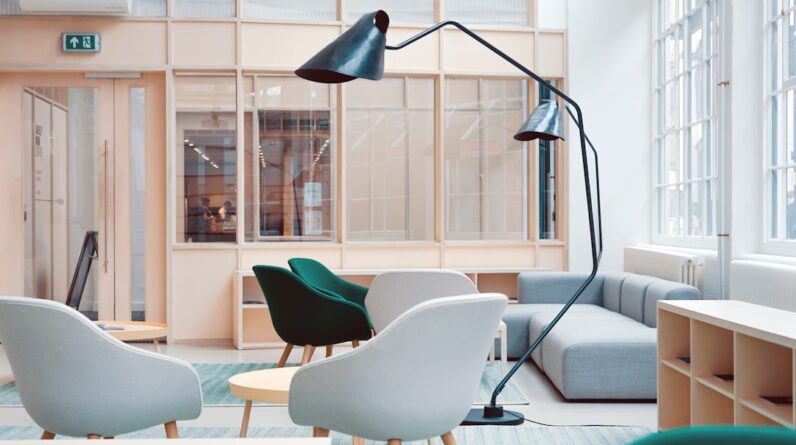
In the ever-evolving world of interior design, contemporary trends reflect the dynamic nature of our lifestyles and preferences. As you step into the realm of modern aesthetics, you may find that these trends are not just about visual appeal; they also encompass functionality, sustainability, and personal expression. The contemporary design landscape is a vibrant tapestry woven from various influences, including cultural shifts, technological advancements, and a growing awareness of environmental issues.
By understanding these trends, you can create a space that resonates with your identity while remaining stylish and functional. As you explore contemporary interior design, you will notice a shift towards more open and airy spaces that promote a sense of tranquility and connection. This approach often emphasizes the importance of natural light and the seamless flow between indoor and outdoor environments.
The integration of nature into your living space can enhance your well-being and foster a sense of harmony. By embracing these contemporary trends, you can transform your home into a sanctuary that reflects your values and lifestyle choices.
Key Takeaways
- Contemporary interior design trends focus on minimalism, natural materials, bold colors, vintage-modern mix, multi-functional spaces, technology integration, and personalization.
- Minimalism can be incorporated into your home by decluttering, using simple furniture and decor, and maximizing natural light.
- Embracing natural and sustainable materials such as wood, stone, and eco-friendly fabrics can add warmth and texture to your space.
- Playing with bold colors and patterns can add personality and visual interest to your home, whether through accent walls, furniture, or decor.
- Mixing vintage and modern elements creates a unique and eclectic look, blending old and new pieces for a timeless aesthetic.
Incorporating Minimalism into Your Home
Creating a Serene Atmosphere
You may find that by reducing the number of items in your space, you can create a more serene atmosphere that allows for relaxation and reflection. To embrace minimalism effectively, consider adopting a neutral color palette that enhances the sense of openness in your home. Soft whites, grays, and earth tones can create a calming backdrop for your furnishings and decor.
Functional and Aesthetically Pleasing Furniture
Additionally, choose furniture with functional designs that serve multiple purposes. For instance, a sleek coffee table with hidden storage can help maintain an uncluttered look while providing practicality.
Achieving a Minimalist Aesthetic
By thoughtfully curating your space, you can achieve a minimalist aesthetic that feels both inviting and sophisticated.
Embracing Natural and Sustainable Materials
In recent years, there has been a significant shift towards using natural and sustainable materials in interior design. As you become more conscious of your environmental impact, incorporating eco-friendly elements into your home can be both stylish and responsible. Materials such as reclaimed wood, bamboo, cork, and natural stone not only add warmth and texture to your space but also contribute to a healthier planet.
By choosing sustainable options, you can create an inviting atmosphere while supporting ethical practices. When selecting materials for your home, consider their lifecycle and how they align with your values. For example, opting for furniture made from sustainably sourced wood or textiles produced with organic fibers can significantly reduce your carbon footprint.
Additionally, incorporating plants into your decor not only enhances the aesthetic appeal but also improves indoor air quality. By embracing natural materials and sustainable practices, you can cultivate a living space that reflects your commitment to environmental stewardship.
Playing with Bold Colors and Patterns
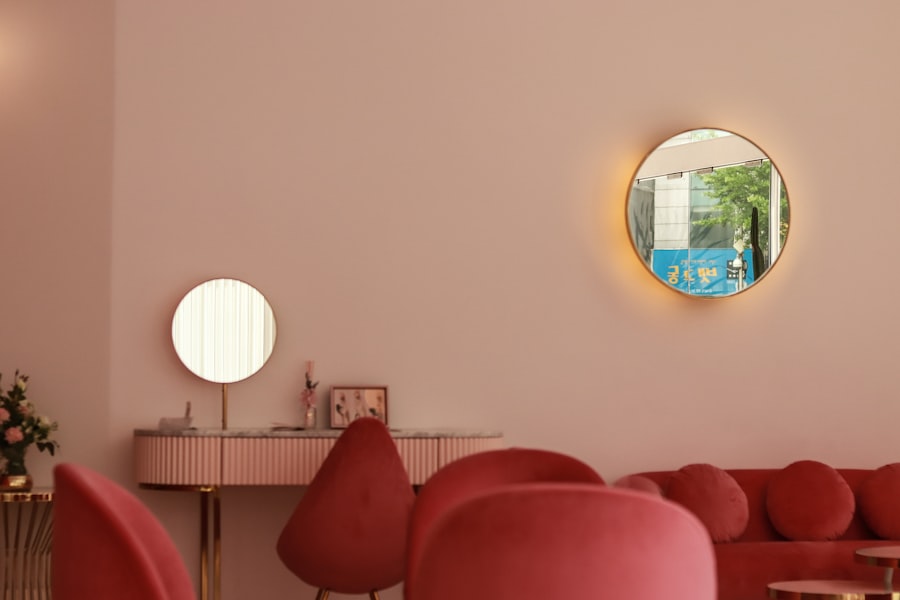
While minimalism emphasizes simplicity, contemporary design also celebrates the use of bold colors and patterns to create visual interest and personality in your home. If you have a penchant for vibrant hues or striking designs, don’t shy away from incorporating them into your space. A well-placed accent wall painted in a rich jewel tone or a statement rug featuring an eye-catching pattern can serve as focal points that energize your environment.
By experimenting with color and pattern, you can infuse your personality into your home while maintaining a cohesive design. When playing with bold colors, consider the overall mood you wish to create in each room. Warm tones like reds and oranges can evoke feelings of warmth and comfort, while cooler shades like blues and greens promote tranquility.
Additionally, mixing patterns can add depth to your decor; however, it’s essential to maintain balance by choosing complementary designs that share a common color palette or theme. By thoughtfully integrating bold colors and patterns into your home, you can create an engaging atmosphere that reflects your unique style.
Mixing Vintage and Modern Elements
The juxtaposition of vintage and modern elements is a hallmark of contemporary interior design that allows for creativity and individuality. As you curate your space, consider incorporating antique or retro pieces alongside sleek modern furnishings to create an eclectic yet harmonious look. This blend not only adds character to your home but also tells a story about your personal journey and tastes.
Vintage finds can serve as conversation starters while providing a sense of nostalgia that complements contemporary design. When mixing styles, pay attention to scale and proportion to ensure that the various elements work together cohesively. For instance, pairing a mid-century modern chair with a rustic farmhouse table can create an inviting dining area that feels both timeless and fresh.
Additionally, consider using color as a unifying factor; selecting vintage pieces in similar hues to your modern decor can help tie the room together seamlessly. By embracing the beauty of contrast, you can create a space that is uniquely yours while celebrating the charm of both old and new.
Creating Multi-functional Spaces
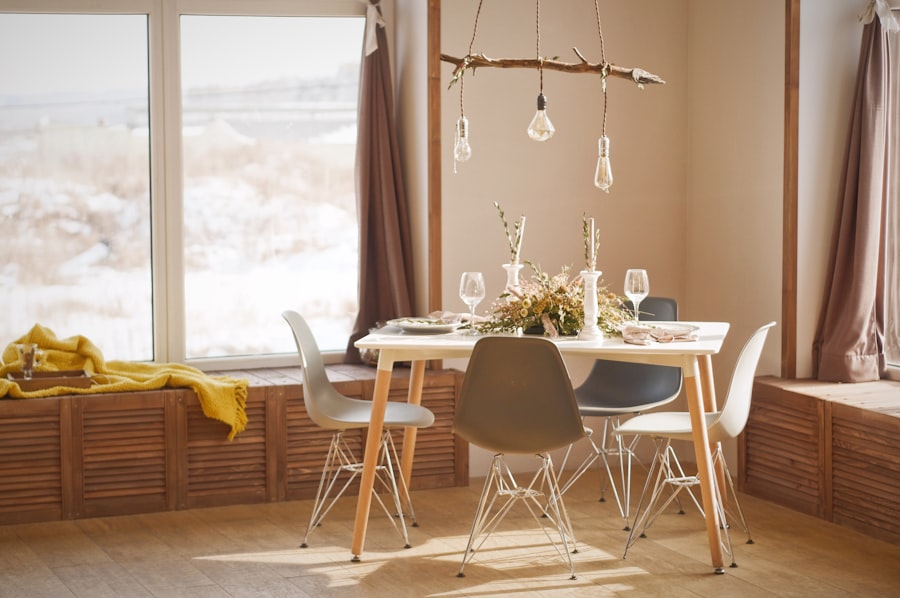
Flexible Furniture for Multi-Purpose Spaces
To achieve this balance, focus on furniture that offers flexibility and adaptability. For example, a sofa bed can provide comfortable seating during the day while easily converting into a sleeping area for guests at night. Additionally, consider using room dividers or open shelving to delineate spaces without closing them off completely.
Maintaining an Open Feel
This approach maintains an open feel while allowing for distinct areas within a room. By thoughtfully designing multi-functional spaces, you can enhance the usability of your home while ensuring it remains stylish and inviting.
Designing for Functionality and Style
By incorporating multi-functional spaces into your home design, you can create a living space that is both functional and stylish.
Integrating Technology into Home Design
As technology continues to advance at an unprecedented pace, integrating smart solutions into your home design has become essential for modern living. From smart lighting systems to automated climate control, technology can enhance both convenience and efficiency in your daily life. As you explore ways to incorporate technology into your space, consider how these innovations can improve functionality while complementing your overall design aesthetic.
One popular trend is the use of smart home devices that allow you to control various aspects of your environment through your smartphone or voice commands. For instance, smart thermostats can learn your preferences over time, optimizing energy usage while keeping your home comfortable. Additionally, integrating audio-visual systems seamlessly into your decor can create an immersive entertainment experience without compromising style.
By embracing technology in thoughtful ways, you can elevate your home’s functionality while maintaining its contemporary appeal.
Personalizing Your Space with Art and Accessories
Finally, one of the most rewarding aspects of interior design is the opportunity to personalize your space with art and accessories that reflect your personality and interests. As you curate these elements, think about how they can enhance the overall ambiance of your home while showcasing what matters most to you. Whether it’s displaying cherished photographs, unique sculptures, or vibrant paintings, these personal touches can transform any room into a true reflection of who you are.
When selecting art and accessories, consider how they interact with the existing color palette and design elements in your space. A bold piece of artwork can serve as a focal point in an otherwise neutral room, while carefully chosen accessories can add layers of texture and interest throughout your home. Additionally, don’t hesitate to mix different styles; combining contemporary art with vintage finds can create an engaging visual narrative that tells your story.
By thoughtfully personalizing your space with art and accessories, you can create an environment that feels uniquely yours—one that inspires creativity and comfort every day. In conclusion, contemporary interior design trends offer endless possibilities for creating spaces that are not only visually appealing but also functional and reflective of personal values. By incorporating minimalism, embracing natural materials, playing with colors and patterns, mixing styles, creating multi-functional areas, integrating technology, and personalizing with art, you can craft a home that resonates with who you are while adapting to the demands of modern living.
As you embark on this journey of design exploration, remember that the most important aspect is creating an environment where you feel truly at home.
FAQs
What are some popular contemporary interior design trends for the home?
Some popular contemporary interior design trends for the home include minimalist design, sustainable and eco-friendly materials, bold and vibrant colors, mixed textures, and statement lighting.
How can I incorporate minimalist design into my home?
To incorporate minimalist design into your home, focus on clean lines, simple and functional furniture, neutral color palettes, and decluttering your space to create a sense of openness and simplicity.
What are some sustainable and eco-friendly materials commonly used in contemporary interior design?
Common sustainable and eco-friendly materials used in contemporary interior design include bamboo, reclaimed wood, recycled glass, natural fibers like jute and hemp, and low-VOC paints and finishes.
How can I incorporate bold and vibrant colors into my home’s interior design?
To incorporate bold and vibrant colors into your home’s interior design, consider using accent walls, colorful furniture and decor, and incorporating pops of color through artwork, textiles, and accessories.
What are some popular mixed textures in contemporary interior design?
Popular mixed textures in contemporary interior design include combining smooth and rough textures, such as pairing a sleek leather sofa with a chunky knit throw, or mixing materials like metal, wood, and glass for a dynamic and visually interesting space.
How can I use statement lighting to enhance my home’s interior design?
To use statement lighting to enhance your home’s interior design, consider incorporating eye-catching chandeliers, pendant lights, or floor lamps as focal points in your space, and using lighting to create ambiance and highlight key areas of your home.