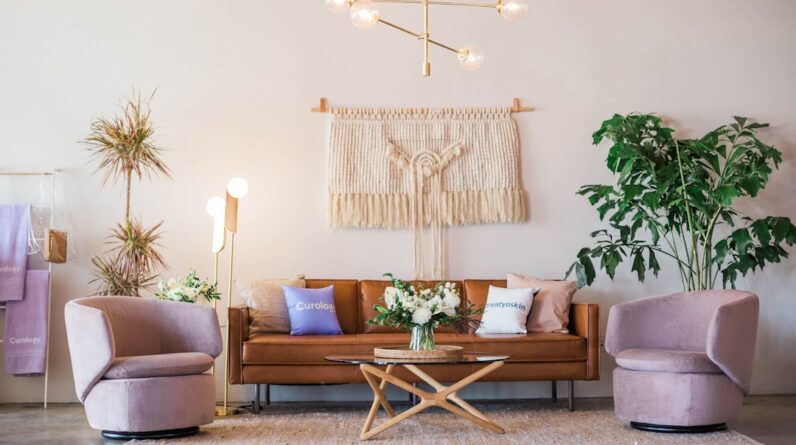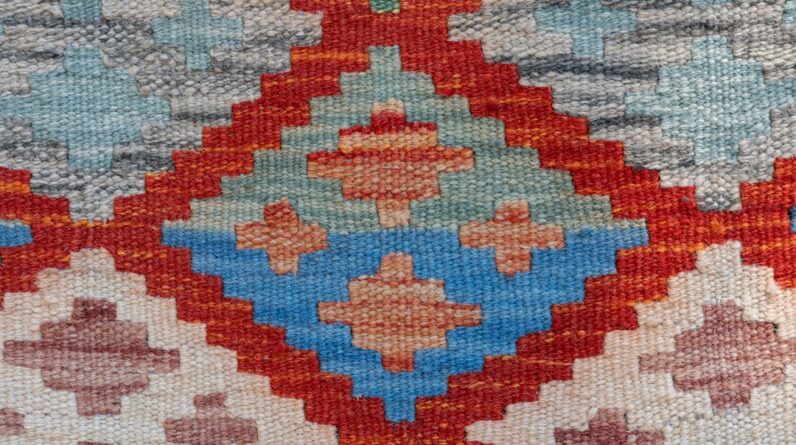
Mixing patterns and textures is an art form that can elevate the aesthetic appeal of any space. At its core, this practice involves combining various visual elements to create a cohesive and dynamic environment. Patterns can range from geometric shapes to floral designs, while textures encompass the tactile qualities of materials, such as smooth silk, rough burlap, or plush velvet.
The interplay between these elements can evoke emotions, set the mood, and even influence how a space is perceived in terms of size and warmth. To successfully mix patterns and textures, one must first grasp the fundamental principles that govern their interaction. Scale is a crucial factor; larger patterns can dominate a space, while smaller patterns can serve as subtle accents.
Additionally, the relationship between patterns—whether they are complementary or contrasting—plays a significant role in achieving visual harmony. Understanding how different textures interact with light and shadow can also enhance the overall effect, as some materials absorb light while others reflect it, creating a layered visual experience.
Key Takeaways
- Understanding the basics of mixing patterns and textures is essential for creating a cohesive and visually appealing space.
- When choosing patterns and textures for your space, consider the scale, color, and style to ensure they complement each other.
- Creating balance and harmony with mixed patterns and textures involves layering different elements while maintaining a cohesive overall look.
- Incorporating different textures adds depth to your decor and creates visual interest in the space.
- Mixing patterns in different rooms of your home allows you to express your personal style while maintaining a cohesive design throughout.
Choosing the Right Patterns and Textures for Your Space
Selecting the appropriate patterns and textures for your space requires careful consideration of both personal style and the intended atmosphere. For instance, if you aim to create a serene and calming environment, soft, muted patterns such as delicate florals or understated stripes may be more suitable. Conversely, if you desire a vibrant and energetic space, bold geometric designs or large-scale prints can inject life into the decor.
It’s essential to consider the existing elements in the room, such as furniture and wall colors, to ensure that the chosen patterns complement rather than clash with them. Texture selection is equally important in this process. A room filled with sleek, modern furniture may benefit from the addition of textured elements like a chunky knit throw or a woven rug to introduce warmth and comfort.
On the other hand, a rustic space might call for natural materials like jute or reclaimed wood to enhance its organic feel. By thoughtfully selecting patterns and textures that resonate with your vision for the space, you can create an environment that feels both intentional and inviting.
Creating Balance and Harmony with Mixed Patterns and Textures
Achieving balance and harmony when mixing patterns and textures is essential to prevent a space from feeling chaotic or overwhelming. One effective strategy is to establish a unifying theme or color palette that ties together disparate elements. For example, if you choose a bold floral print for your curtains, you might select a geometric pattern for your throw pillows that incorporates one or more colors from the floral design.
This creates a visual connection that helps to unify the overall look. Another approach to maintaining balance is to vary the scale of patterns within the same space. Pairing a large-scale print with smaller patterns can create an engaging visual dialogue without competing for attention.
For instance, a large paisley print on an accent chair can be beautifully complemented by smaller polka dots on a nearby cushion. Additionally, incorporating solid colors or neutral textures can provide breathing room amidst the mixed patterns, allowing each element to shine without overwhelming the viewer.
Incorporating Different Textures to Add Depth to Your Decor
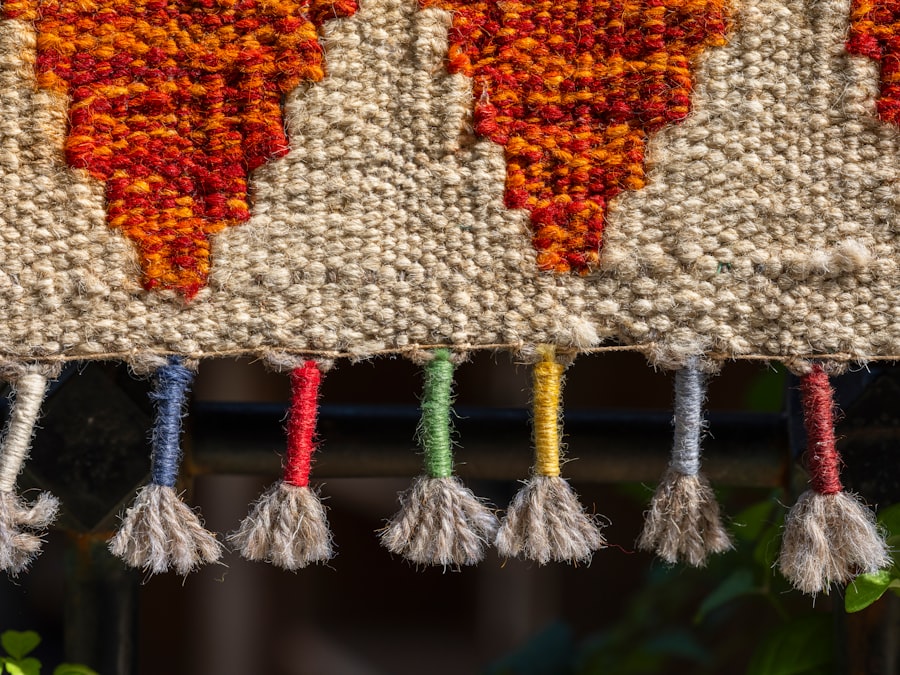
The incorporation of various textures is vital for adding depth and dimension to your decor. Textures can evoke different sensations and emotions; for example, soft fabrics like velvet or chenille can create a sense of luxury and comfort, while rougher materials like stone or metal can impart an industrial edge. By layering different textures within a single space, you can create a rich tapestry that invites touch and exploration.
Consider using textiles in various forms—such as rugs, curtains, cushions, and throws—to introduce texture into your decor. A plush area rug can anchor a room while providing warmth underfoot, while sheer curtains can allow light to filter through gently, creating an ethereal quality. Additionally, incorporating natural elements like wood or plants can further enhance the textural variety in your space.
A wooden coffee table paired with soft fabric seating creates an inviting contrast that encourages relaxation and social interaction.
Mixing Patterns in Different Rooms of Your Home
The approach to mixing patterns can vary significantly from one room to another based on function and ambiance. In living areas, where social interaction is key, bold patterns can create an energetic atmosphere. For instance, pairing a vibrant abstract print on an accent wall with patterned throw pillows can stimulate conversation and engagement among guests.
However, it’s essential to maintain some level of cohesion; using a consistent color palette across different patterns can help achieve this. In contrast, bedrooms often call for a more subdued approach to pattern mixing. Soft florals or calming stripes on bedding can promote relaxation and tranquility.
Layering these with textured throws or cushions in complementary colors can add interest without overwhelming the senses. In bathrooms, where space is typically limited, consider using patterned tiles or shower curtains as focal points while keeping other elements more neutral to avoid visual clutter.
Using Color to Tie Together Mixed Patterns and Textures
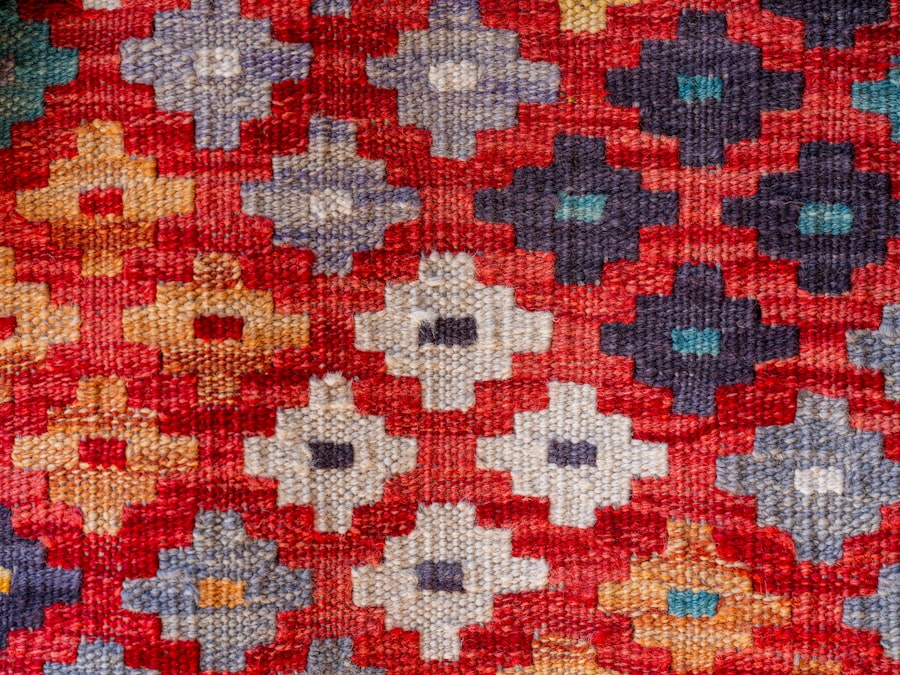
Color serves as a powerful tool in the art of mixing patterns and textures. A well-chosen color palette can seamlessly connect various elements within a space, creating a cohesive look despite differing styles or designs. When selecting colors, consider both the dominant hues in your chosen patterns as well as any accent colors that may enhance the overall scheme.
For example, if you have a bold striped rug featuring navy blue and white, incorporating throw pillows in varying shades of blue can create continuity throughout the room. Additionally, using color strategically can help define different areas within an open-concept space. For instance, if you have a living area that flows into a dining space, you might choose complementary colors for each area while still mixing patterns within those zones.
This approach allows for distinct identities within each space while maintaining an overarching harmony through color.
Avoiding Common Mistakes When Mixing Patterns and Textures
While mixing patterns and textures can yield stunning results, there are common pitfalls that decorators should be aware of to avoid creating discordant spaces. One frequent mistake is overloading a room with too many competing patterns without any unifying elements. This can lead to visual chaos rather than an aesthetically pleasing environment.
To counteract this tendency, it’s advisable to limit the number of different patterns used in one area—typically no more than three or four—and ensure they share at least one common color or theme. Another common error is neglecting scale when mixing patterns. Pairing two large-scale prints can overwhelm a space and make it feel cramped.
Instead, aim for a balance by combining large patterns with smaller ones or using solid colors as anchors between them. Additionally, be mindful of texture; mixing too many rough or shiny surfaces without variation can create an unbalanced feel. Strive for diversity in texture to maintain interest while ensuring that each element complements rather than competes with others.
Final Tips for Successfully Mixing Patterns and Textures in Your Decor
To master the art of mixing patterns and textures in your decor, consider starting small if you’re new to this practice. Begin by introducing one or two patterned elements into your existing decor before gradually expanding your collection as you gain confidence in your choices. This incremental approach allows you to assess how different patterns interact within your space without feeling overwhelmed.
Experimentation is key; don’t hesitate to play with different combinations until you find what resonates with your personal style. Utilize fabric swatches or paint samples to visualize how various elements will work together before making final decisions. Lastly, trust your instincts—decorating should be an expression of your individuality and taste.
By embracing creativity and being open to exploration, you can successfully mix patterns and textures to create spaces that are uniquely yours.
FAQs
What are patterns and textures in decor?
Patterns in decor refer to the repeated decorative design elements such as stripes, florals, or geometric shapes. Textures, on the other hand, are the tactile quality of surfaces, such as smooth, rough, or soft.
How can mixing patterns and textures add depth to decor?
Mixing patterns and textures can add visual interest and depth to decor by creating contrast and visual variety. It can also make a space feel more dynamic and visually engaging.
What are some tips for mixing patterns and textures in decor?
Some tips for mixing patterns and textures in decor include starting with a neutral base, incorporating a variety of scales, balancing bold patterns with more subtle ones, and using a cohesive color palette.
What are some common mistakes to avoid when mixing patterns and textures?
Common mistakes to avoid when mixing patterns and textures in decor include overdoing it with too many competing patterns, neglecting the importance of scale and proportion, and not considering the overall color scheme.
How can patterns and textures be incorporated into different elements of decor?
Patterns and textures can be incorporated into different elements of decor such as upholstery, rugs, curtains, throw pillows, and decorative accessories. They can also be added through wallpaper, artwork, and accent walls.