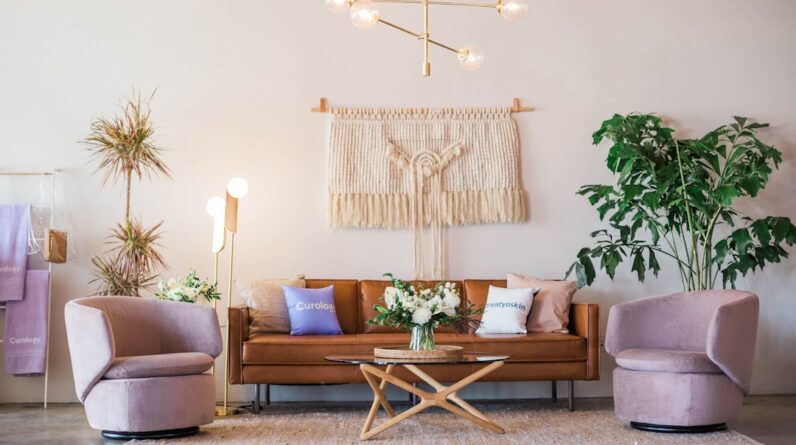
The allure of retro decor lies in its ability to evoke memories and emotions tied to specific eras, often transporting individuals back to a time when life seemed simpler and more vibrant. This nostalgic appeal is not merely about aesthetics; it taps into a collective memory that resonates with many. For instance, the 1950s are often associated with the post-war boom, characterized by optimism and innovation.
The pastel colors, chrome finishes, and playful patterns of this decade can evoke feelings of warmth and familiarity, making them a popular choice for those looking to infuse their spaces with a sense of history and character. Moreover, retro decor serves as a bridge between generations. It allows older individuals to reminisce about their youth while providing younger generations with a glimpse into the past.
This intergenerational connection is particularly evident in the resurgence of vintage items in contemporary homes. Pieces like rotary phones, vinyl records, and mid-century furniture not only serve functional purposes but also act as conversation starters, inviting stories and shared experiences. The emotional resonance of these items enhances their appeal, making retro decor a meaningful choice for many homeowners.
Key Takeaways
- Retro decor evokes a sense of nostalgia and brings a unique charm to modern spaces.
- Vintage pieces can be seamlessly incorporated into contemporary interiors for a timeless and eclectic look.
- Embrace the sleek lines and minimalist aesthetic of mid-century modern design for a sophisticated retro vibe.
- Revive the free-spirited and eclectic 70s bohemian chic with layered textures and earthy tones.
- Reimagine the opulence and glamour of art deco design with geometric patterns and luxurious materials.
Incorporating Vintage Pieces in Modern Spaces
Integrating vintage pieces into modern spaces can create a unique aesthetic that blends the old with the new. One effective approach is to select standout items that can serve as focal points within a contemporary setting. For example, a classic Eames lounge chair can add a touch of mid-century elegance to a minimalist living room dominated by sleek lines and neutral colors.
The juxtaposition of the chair’s organic curves against modern furnishings creates visual interest and depth, allowing the vintage piece to shine without overwhelming the space. Another strategy involves layering vintage elements with modern decor to create a cohesive look. This can be achieved by using vintage accessories, such as retro lamps or art prints, alongside contemporary furniture.
A 1970s ceramic vase filled with fresh flowers can bring warmth and personality to a stark, modern dining table. By thoughtfully curating these elements, homeowners can achieve a harmonious balance that respects both the charm of vintage design and the clean lines of modern aesthetics.
Embracing Mid-Century Modern Design

Mid-century modern design has experienced a significant revival in recent years, celebrated for its timeless appeal and functional beauty. Characterized by clean lines, organic shapes, and an emphasis on craftsmanship, this design style emerged in the mid-20th century and continues to influence contemporary interiors. Key features include open floor plans, large windows that invite natural light, and an integration of indoor and outdoor spaces.
These elements not only enhance the aesthetic but also promote a sense of well-being and connection to nature. Incorporating mid-century modern pieces into home decor can be both rewarding and transformative. Iconic furniture designs, such as the Tulip table by Eero Saarinen or the Barcelona chair by Ludwig Mies van der Rohe, can serve as statement pieces that anchor a room’s design.
Additionally, the use of materials like teak wood, molded plastic, and metal accents adds texture and warmth to spaces. Accessories such as geometric-patterned textiles or abstract art can further enhance the mid-century modern vibe, creating an environment that feels both nostalgic and fresh.
Reviving 70s Bohemian Chic
The 1970s bohemian chic aesthetic is characterized by its eclectic mix of colors, patterns, and textures that celebrate individuality and creativity. This style embraces a carefree spirit, often incorporating elements from various cultures and artistic movements. Key features include vibrant textiles, macramé wall hangings, and an abundance of plants that bring life into spaces.
The 70s bohemian look encourages self-expression through decor choices that reflect personal tastes rather than adhering to strict design rules. To successfully revive this style in modern interiors, one can start by layering different patterns and textures. Mixing paisley prints with geometric designs or combining woven fabrics with smooth surfaces creates visual intrigue and depth.
Incorporating vintage finds such as rattan furniture or handcrafted pottery can enhance the bohemian vibe while adding authenticity to the space. Additionally, using earthy color palettes—think burnt oranges, deep browns, and rich greens—can evoke the warmth and vibrancy associated with this era, making any room feel inviting and lived-in.
Reimagining Art Deco Glamour
Art Deco design is synonymous with luxury and sophistication, emerging in the 1920s and 1930s as a response to the opulence of previous eras. Characterized by bold geometric shapes, rich materials, and intricate detailing, Art Deco decor exudes glamour and elegance. The use of materials such as chrome, glass, and exotic woods creates a sense of richness that is both visually striking and tactilely engaging.
This style often incorporates motifs inspired by nature, such as floral patterns or animal forms, which add an organic touch to its otherwise structured aesthetic. Incorporating Art Deco elements into modern spaces can elevate the overall design while paying homage to this iconic style. For instance, a statement chandelier featuring geometric patterns can serve as a stunning focal point in an otherwise minimalist dining room.
Additionally, using mirrored surfaces or metallic accents can reflect light and create an illusion of space while enhancing the luxurious feel associated with Art Deco design. By blending these elements with contemporary furnishings, homeowners can create an environment that feels both timeless and relevant.
Mixing and Matching Retro Patterns and Textures

One of the most exciting aspects of retro decor is the opportunity to mix and match various patterns and textures from different eras. This playful approach allows for creativity in design while celebrating the unique characteristics of each style. For example, pairing a bold floral print from the 1960s with a geometric pattern from the 1980s can create a dynamic visual experience that captures attention.
The key is to find common threads—such as color schemes or complementary shapes—that tie these disparate elements together. Texture also plays a crucial role in achieving a harmonious blend of retro styles. Combining smooth surfaces with rough textures can create depth within a space.
For instance, juxtaposing a sleek leather sofa with a shaggy rug or woven throw pillows can add warmth and comfort while maintaining an eclectic aesthetic. By thoughtfully curating these combinations, homeowners can create environments that feel layered and inviting, showcasing their personal style while celebrating the rich history of design.
Creating a Retro-Inspired Color Palette
Color is one of the most powerful tools in interior design, capable of evoking emotions and setting the tone for a space. When creating a retro-inspired color palette, it’s essential to draw inspiration from specific eras known for their distinctive hues. The 1950s often featured pastel shades like mint green, soft pink, and buttery yellow, which can evoke feelings of nostalgia and cheerfulness.
In contrast, the bold colors of the 1970s—such as burnt orange, avocado green, and mustard yellow—can create a warm and inviting atmosphere. To effectively implement a retro color palette in modern spaces, consider using these colors as accents rather than overwhelming the entire room. For example, painting an accent wall in a vibrant hue while keeping larger furniture pieces neutral allows for flexibility in decor choices over time.
Additionally, incorporating colorful accessories—such as throw pillows or artwork—can easily update the look without requiring significant changes to the overall design scheme. This approach not only honors retro aesthetics but also ensures that spaces remain fresh and adaptable.
Balancing Nostalgia with Contemporary Style
Striking a balance between nostalgia and contemporary style is essential for creating spaces that feel both timeless and relevant. While retro decor offers a wealth of inspiration from past eras, it’s crucial to integrate these elements thoughtfully within modern contexts. One effective method is to select key vintage pieces that resonate personally while surrounding them with contemporary furnishings that provide structure and cohesion.
For instance, placing a vintage credenza alongside sleek modern chairs can create an interesting dialogue between old and new without feeling disjointed. Additionally, using contemporary art or lighting fixtures can ground the space in the present while allowing retro elements to shine through. This balance not only honors the charm of nostalgia but also embraces the functionality and simplicity often found in modern design principles.
By thoughtfully curating these elements, homeowners can create environments that reflect their unique stories while remaining stylishly current.
FAQs
What is retro interior decor?
Retro interior decor refers to the use of design elements, furniture, and decor from past decades, typically from the 1950s to the 1980s, to create a nostalgic and vintage-inspired aesthetic in a space.
What are some popular retro design elements?
Some popular retro design elements include bold and geometric patterns, bright and bold colors, mid-century modern furniture, vintage appliances, and retro-inspired artwork and accessories.
How can I incorporate retro decor into my home?
You can incorporate retro decor into your home by adding vintage furniture pieces, using retro-inspired wallpaper or fabrics, displaying vintage artwork or posters, and incorporating retro color schemes and patterns into your decor.
What are some popular retro color schemes?
Popular retro color schemes include bold and bright colors such as avocado green, mustard yellow, burnt orange, and teal, as well as pastel colors like pink, mint green, and baby blue.
Is retro interior decor making a comeback?
Yes, retro interior decor has been making a comeback in recent years as people embrace nostalgia and seek to add personality and character to their homes. The popularity of vintage and thrift shopping has also contributed to the revival of retro decor.