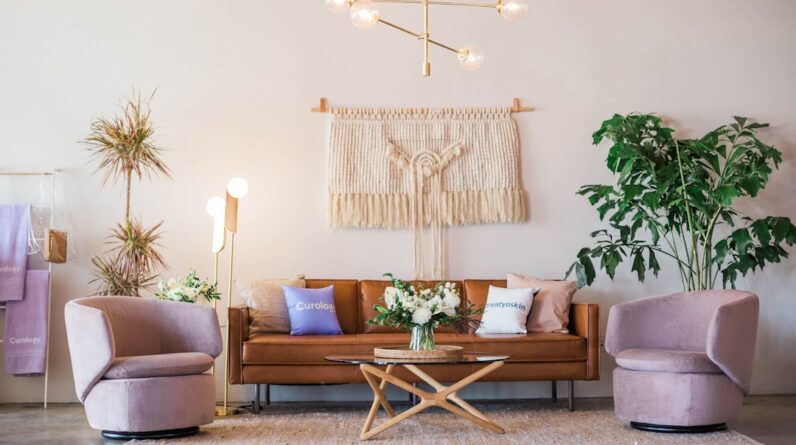
Mid-century modern design emerged as a significant architectural and design movement in the mid-20th century, roughly spanning from the 1940s to the 1960s. This period was marked by a departure from traditional styles, embracing innovation and a forward-thinking approach to aesthetics. The movement was heavily influenced by the post-World War II era, which saw a surge in optimism and a desire for new beginnings.
Designers and architects sought to create spaces that reflected the changing social dynamics, technological advancements, and a growing appreciation for nature. The ethos of mid-century modern design is rooted in simplicity, functionality, and a harmonious relationship with the environment. Key figures in this movement include renowned architects and designers such as Charles and Ray Eames, George Nelson, and Eero Saarinen.
Their work exemplified the principles of mid-century modernism, characterized by clean lines, organic forms, and an emphasis on craftsmanship. The design philosophy was not merely about aesthetics; it was also about creating functional spaces that catered to the needs of modern living. This approach led to the development of open floor plans, large windows that invited natural light, and a seamless connection between indoor and outdoor spaces.
Understanding mid-century modern design requires an appreciation for its historical context and the cultural shifts that shaped its evolution.
Key Takeaways
- Mid-Century Modern design is characterized by clean lines, organic shapes, and a minimalist approach to furniture and decor.
- Natural materials and textures such as wood, leather, and stone are key elements in creating an authentic Mid-Century Modern look.
- Functional furniture with a focus on simplicity and practicality is essential in achieving the Mid-Century Modern aesthetic.
- Neutral and earthy color palettes are commonly used in Mid-Century Modern design to create a timeless and cohesive look.
- Adding pops of bold colors and patterns can bring a playful and vibrant touch to the Mid-Century Modern style.
Embracing Clean Lines and Organic Shapes
One of the hallmarks of mid-century modern design is its commitment to clean lines and organic shapes. This aesthetic is characterized by a minimalist approach that eliminates unnecessary ornamentation, allowing the beauty of form and function to take center stage. Furniture pieces often feature geometric silhouettes, with straight edges and smooth curves that create a sense of balance and harmony within a space.
This emphasis on simplicity not only enhances visual appeal but also promotes a sense of calm and order in the home. Organic shapes play a crucial role in mid-century modern design, reflecting a deep appreciation for nature and the natural world. Designers often drew inspiration from organic forms found in nature, resulting in furniture and decor that mimic these shapes.
For instance, the iconic Eames Lounge Chair features a sculpted wooden shell that cradles the body, combining comfort with an elegant aesthetic. Similarly, Saarinen’s Tulip Table showcases a fluid form that contrasts with traditional four-legged tables, creating an inviting atmosphere for dining. By embracing both clean lines and organic shapes, mid-century modern design achieves a unique balance that resonates with contemporary sensibilities while remaining timeless.
Incorporating Natural Materials and Textures

Natural materials are integral to mid-century modern design, reflecting a commitment to authenticity and sustainability. Wood, particularly walnut and teak, is often used for furniture pieces, providing warmth and richness to interiors. The grain patterns of these woods add character and depth, enhancing the overall aesthetic of a space.
In addition to wood, other materials such as leather, metal, and glass are frequently incorporated to create a diverse textural palette that engages the senses. Textiles also play a significant role in mid-century modern interiors. Fabrics such as wool, cotton, and linen are commonly used for upholstery, often featuring bold patterns or vibrant colors that contrast with the natural materials.
The combination of these textures creates visual interest while maintaining a cohesive look. For example, pairing a sleek wooden chair with a soft wool throw can evoke a sense of comfort while highlighting the beauty of both materials. By thoughtfully incorporating natural materials and textures, mid-century modern design fosters an environment that feels both inviting and sophisticated.
Utilizing Minimalist and Functional Furniture
The furniture of the mid-century modern era is celebrated for its minimalist design and functional approach. Each piece is crafted with purpose, ensuring that it serves a specific function while contributing to the overall aesthetic of the space. This focus on functionality is evident in designs such as the iconic Noguchi coffee table, which combines art and utility in a seamless manner.
Its sculptural form serves as both a conversation piece and a practical surface for everyday use. Moreover, modular furniture became increasingly popular during this period, allowing for flexibility in living spaces. Pieces like the Eames Storage Unit exemplify this trend by offering customizable storage solutions that adapt to various needs.
The ability to rearrange furniture according to personal preferences or changing lifestyles reflects the dynamic nature of mid-century modern design. By prioritizing minimalist and functional furniture, this design movement encourages a lifestyle that values simplicity without sacrificing comfort or style.
Choosing a Neutral and Earthy Color Palette
A defining characteristic of mid-century modern design is its use of neutral and earthy color palettes. These colors create a serene backdrop that allows architectural features and furniture pieces to shine. Shades such as beige, taupe, olive green, and muted browns are commonly employed to evoke a sense of calmness and connection to nature.
This palette not only enhances the overall aesthetic but also promotes a feeling of spaciousness within interiors. In addition to neutral tones, mid-century modern design often incorporates pops of color through accent pieces or artwork. While the base palette remains subdued, vibrant hues such as mustard yellow, teal, or burnt orange can be introduced through cushions, rugs, or decorative items.
This strategic use of color adds visual interest without overwhelming the senses. The interplay between neutral tones and bold accents creates a dynamic yet harmonious environment that reflects the essence of mid-century modern design.
Adding Pop of Bold Colors and Patterns

While mid-century modern design is rooted in neutral palettes, it also embraces bold colors and patterns as essential elements of expression. Designers during this era were unafraid to experiment with vibrant hues that could enliven spaces and evoke emotional responses. Iconic textiles featuring geometric patterns or abstract designs became synonymous with mid-century modern aesthetics, adding layers of visual intrigue to interiors.
For instance, the use of bright orange or deep blue can transform an otherwise understated room into a lively space filled with personality. Accent walls painted in bold colors or wallpapered with striking patterns can serve as focal points that draw attention without overwhelming the overall design scheme. Additionally, accessories such as throw pillows or artwork can introduce playful elements that reflect individual style while remaining true to the mid-century modern ethos.
By thoughtfully incorporating pops of bold colors and patterns, homeowners can create spaces that feel both vibrant and cohesive.
Emphasizing Open Floor Plans and Seamless Indoor-Outdoor Integration
The concept of open floor plans is central to mid-century modern design, promoting fluidity between different living areas. This layout encourages social interaction by eliminating barriers between spaces such as the kitchen, dining room, and living area. Large windows are often strategically placed to maximize natural light while providing unobstructed views of the outdoors.
This connection between indoor and outdoor environments fosters a sense of harmony with nature, which is a key principle of mid-century modernism. Seamless indoor-outdoor integration is further enhanced by features such as sliding glass doors or expansive patios that extend living spaces beyond traditional boundaries. These elements invite nature into the home while allowing residents to enjoy outdoor spaces as extensions of their interiors.
For example, a well-designed mid-century modern home may feature an outdoor terrace adorned with comfortable seating arrangements that mirror indoor decor styles. This thoughtful integration creates an inviting atmosphere where residents can experience the beauty of their surroundings while enjoying the comforts of home.
Incorporating Statement Lighting and Iconic Mid-Century Modern Pieces
Lighting plays a pivotal role in mid-century modern design, serving both functional and aesthetic purposes. Statement lighting fixtures are often used as focal points within a room, showcasing innovative designs that reflect the era’s artistic sensibilities. Iconic pieces such as the Arco Floor Lamp or the Sputnik Chandelier exemplify this trend with their sculptural forms and striking silhouettes.
These lighting fixtures not only illuminate spaces but also contribute to the overall ambiance by casting soft shadows and creating visual interest. The careful placement of lighting can enhance architectural features while highlighting key design elements throughout the home. Additionally, incorporating iconic mid-century modern pieces—such as furniture designed by Hans Wegner or chairs by Arne Jacobsen—adds authenticity to interiors while celebrating the craftsmanship of this influential era.
By thoughtfully integrating statement lighting and iconic pieces into mid-century modern spaces, homeowners can create environments that reflect their personal style while honoring the legacy of this timeless design movement. The interplay between light, form, and function encapsulates the essence of mid-century modernism—an enduring celebration of simplicity, beauty, and innovation in design.
FAQs
What is Mid-Century Modern interior design?
Mid-Century Modern interior design is a style that originated in the mid-20th century, characterized by clean lines, organic forms, and a minimalist aesthetic. It emphasizes functionality and simplicity, with a focus on bringing the outdoors in through large windows and open floor plans.
What are the key elements of Mid-Century Modern interior design?
Key elements of Mid-Century Modern interior design include sleek furniture with tapered legs, geometric patterns, bold colors, and natural materials such as wood, leather, and metal. It also often incorporates iconic design pieces from the mid-20th century, such as Eames chairs and Nelson clocks.
How can I incorporate Mid-Century Modern aesthetics into my home?
To incorporate Mid-Century Modern aesthetics into your home, consider using furniture with clean lines and simple forms, adding pops of bold color through accessories or accent walls, and incorporating natural materials like wood and leather. You can also look for vintage or reproduction Mid-Century Modern pieces to add authenticity to your space.
What are some popular color schemes in Mid-Century Modern interior design?
Popular color schemes in Mid-Century Modern interior design include earthy tones such as olive green, mustard yellow, and burnt orange, as well as bold, saturated colors like teal and turquoise. Neutral colors like white, black, and gray are also commonly used to create a clean, minimalist backdrop for the bolder accent colors.
What are some iconic Mid-Century Modern design pieces?
Iconic Mid-Century Modern design pieces include the Eames Lounge Chair, the Noguchi coffee table, the Arco floor lamp, and the Egg chair. These pieces are celebrated for their innovative design, timeless appeal, and influence on the Mid-Century Modern aesthetic.