Natural light is a vital element in any living space, influencing not only the aesthetic appeal but also the overall mood and well-being of its inhabitants. When you allow sunlight to flood your home, you create an inviting atmosphere that can uplift your spirits and enhance your productivity. Studies have shown that exposure to natural light can improve your mental health, reduce stress levels, and even boost your immune system.
By prioritizing natural light in your home, you are investing in a healthier and more vibrant lifestyle. Moreover, natural light can significantly impact the energy efficiency of your home. By maximizing daylight, you can reduce your reliance on artificial lighting during the day, which can lead to lower energy bills.
This not only benefits your wallet but also contributes to a more sustainable environment. When you harness the power of natural light, you create a harmonious balance between comfort and efficiency, making your living space both beautiful and functional.
Key Takeaways
- Natural light is important for creating a bright and inviting atmosphere in any space.
- Choosing the right window treatments can help control the amount of natural light entering a room.
- Utilizing reflective surfaces such as mirrors and metallic accents can help bounce natural light around a room.
- Strategic placement of mirrors can help amplify the natural light in a space and make it feel larger.
- Incorporating skylights and solar tubes can bring in additional natural light and create a sense of openness in a room.
Choosing the Right Window Treatments
Selecting the appropriate window treatments is crucial for optimizing natural light in your home. You want to strike a balance between privacy and illumination, ensuring that you can enjoy the benefits of sunlight without compromising your comfort. Consider using sheer curtains or light-filtering shades that allow sunlight to gently diffuse into your space while still providing some level of privacy.
These options can soften harsh sunlight and create a warm, inviting ambiance. Additionally, think about the orientation of your windows when choosing window treatments. South-facing windows typically receive the most sunlight throughout the day, so you may want to opt for treatments that can be easily adjusted to control the amount of light entering the room.
On the other hand, north-facing windows may require treatments that maximize light while minimizing glare. By carefully selecting window treatments tailored to each room’s needs, you can enhance the natural light experience in your home.
Utilizing Reflective Surfaces
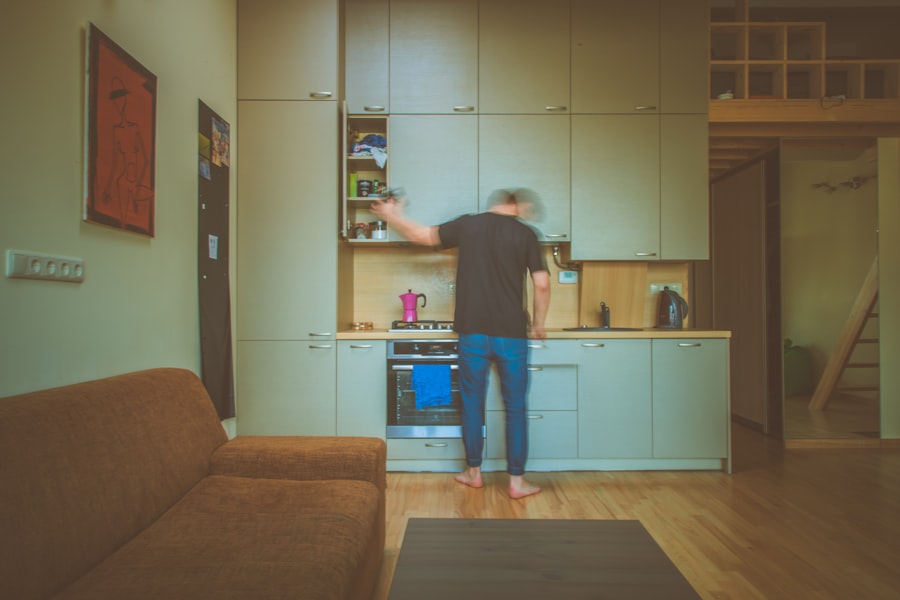
Incorporating reflective surfaces into your home design is an effective way to amplify natural light. Surfaces such as mirrors, glass, and metallic finishes can bounce light around a room, creating a brighter and more spacious feel. When you strategically place reflective elements, you can enhance the overall luminosity of your space without needing additional lighting sources.
For instance, consider using a glass coffee table or metallic accents in your decor to help distribute light more evenly throughout the room. Furthermore, reflective surfaces can add a touch of elegance and sophistication to your home. A well-placed mirror can serve as a stunning focal point while simultaneously enhancing the flow of natural light.
You might also consider using glossy paint finishes on walls or cabinetry to create a luminous effect that brightens up darker corners of your home. By embracing reflective surfaces, you can transform your living space into a radiant haven filled with warmth and vitality.
Strategic Placement of Mirrors
Mirrors are not just decorative elements; they are powerful tools for enhancing natural light in your home. By strategically placing mirrors across from windows or in areas where light is abundant, you can effectively double the amount of sunlight that enters a room. This technique creates an illusion of depth and space, making even smaller areas feel more open and airy.
When you position mirrors thoughtfully, you can maximize the benefits of natural light while adding visual interest to your decor. In addition to their practical benefits, mirrors can also serve as artistic statements in your home. You might choose oversized mirrors to create a dramatic effect or opt for smaller, intricately designed pieces that complement your existing decor.
The key is to ensure that mirrors are placed at eye level and reflect beautiful views or interesting architectural features within your space. By harnessing the power of mirrors, you can elevate both the brightness and style of your home.
Incorporating Skylights and Solar Tubes
If you’re looking for innovative ways to bring more natural light into your home, consider incorporating skylights or solar tubes into your design. Skylights are an excellent option for rooms with limited wall space for windows, such as bathrooms or hallways. They allow sunlight to pour in from above, creating a bright and airy atmosphere that can transform even the most mundane spaces into inviting retreats.
Solar tubes are another fantastic solution for enhancing natural light without compromising privacy or wall space. These tubular devices capture sunlight from the roof and channel it down into your living areas through reflective tubing. They are particularly effective in areas where traditional windows may not be feasible, such as closets or interior rooms.
By integrating skylights or solar tubes into your home design, you can significantly increase the amount of natural light while adding unique architectural features that enhance your overall aesthetic.
Selecting Light-Colored Furniture and Decor
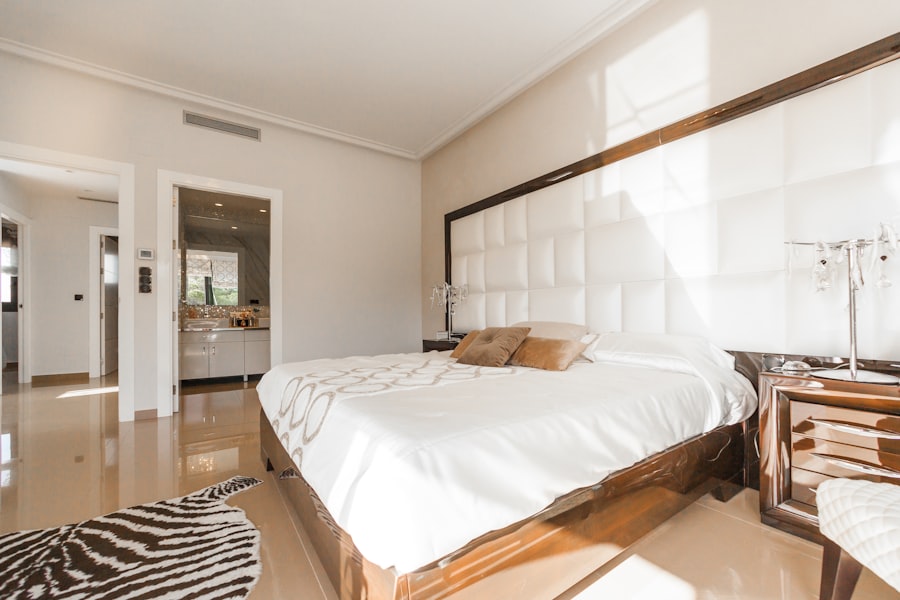
The colors you choose for your furniture and decor play a significant role in how natural light interacts with your space. Light-colored furnishings tend to reflect rather than absorb light, creating an illusion of brightness and openness. When selecting furniture pieces, consider opting for shades like white, beige, or soft pastels that will enhance the overall luminosity of your home.
These colors not only brighten up a room but also create a serene and calming environment. In addition to furniture, think about incorporating light-colored decor elements such as rugs, curtains, and artwork. These choices can further amplify the effects of natural light while adding layers of texture and interest to your space.
You might also consider using lighter wood finishes for cabinetry or flooring to maintain a cohesive look throughout your home. By thoughtfully selecting light-colored furniture and decor, you can create an inviting atmosphere that celebrates the beauty of natural light.
Using Transparent or Sheer Materials
Transparent or sheer materials are excellent choices for enhancing natural light in your home while maintaining a sense of openness and airiness. Fabrics like chiffon or organza can be used for window treatments, allowing sunlight to filter through while still providing some level of privacy. These materials create a soft glow in any room, making them ideal for spaces where you want to encourage relaxation and tranquility.
In addition to window treatments, consider incorporating transparent materials into other aspects of your decor. Glass furniture pieces or acrylic accents can add a modern touch while allowing light to flow freely throughout the space. You might also explore using translucent room dividers that maintain an open feel while defining different areas within larger spaces.
By embracing transparent or sheer materials, you can create a harmonious balance between style and functionality that enhances the overall brightness of your home.
Embracing Open Floor Plans and Minimalist Design
An open floor plan is an effective way to maximize natural light in your home by eliminating barriers that block sunlight from flowing freely between rooms. When spaces are interconnected without walls separating them, natural light can travel unimpeded throughout the entire area, creating a cohesive and inviting atmosphere. This design approach not only enhances brightness but also fosters a sense of connection among family members and guests.
Minimalist design complements open floor plans beautifully by emphasizing simplicity and functionality over clutter. By choosing fewer decorative elements and focusing on clean lines and open spaces, you allow natural light to take center stage in your home. This approach encourages you to curate only those items that truly resonate with you while creating an environment that feels spacious and serene.
Embracing open floor plans and minimalist design principles will not only enhance the flow of natural light but also contribute to a more peaceful and harmonious living experience. In conclusion, maximizing natural light in your home is essential for creating an inviting atmosphere that promotes well-being and energy efficiency. By understanding its importance and implementing strategies such as choosing the right window treatments, utilizing reflective surfaces, strategically placing mirrors, incorporating skylights or solar tubes, selecting light-colored furniture and decor, using transparent materials, and embracing open floor plans with minimalist design principles, you can transform your living space into a bright haven filled with warmth and vitality.
Each decision you make contributes to an environment that celebrates the beauty of natural light while enhancing your overall quality of life.
FAQs
What are the benefits of incorporating natural light into a contemporary interior?
Natural light can help create a sense of spaciousness, improve mood and productivity, reduce energy costs, and enhance the overall aesthetic of a space.
What are some ways to incorporate natural light into a contemporary interior?
Some ways to incorporate natural light into a contemporary interior include using large windows, skylights, glass doors, light-colored and reflective surfaces, and strategically placing mirrors to reflect light.
How can window treatments be used to maximize natural light in a contemporary interior?
Window treatments such as sheer curtains, light-colored blinds, or adjustable shades can be used to control the amount of natural light entering a space while still allowing for privacy and flexibility.
What are some design considerations when incorporating natural light into a contemporary interior?
Design considerations include the orientation of the space, the placement of windows and skylights, the use of light-colored and reflective materials, and the integration of lighting controls to adjust natural light levels as needed.