


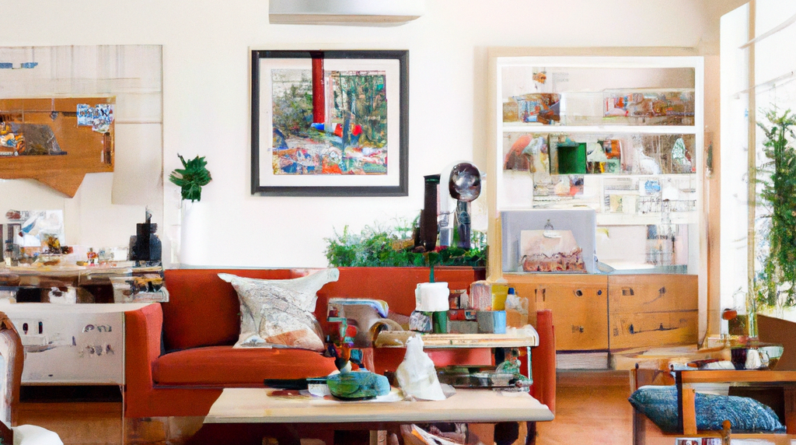
Are you looking to transform your space into a sanctuary that reflects your unique style? Look no further than our Interior Design Service in Berkeley, California! With our expert team of designers, we are dedicated to bringing your vision to life and creating a space that is not only beautiful but functional as well. Whether you’re renovating your home or designing a new office, our personalized approach ensures that every detail is taken care of, from selecting the perfect color scheme to finding the ideal furniture and accessories. Let us help you create a space that is truly a reflection of you.

Overview
What is interior design?
Interior design is the art and science of enhancing the interior of a space to create a more aesthetically pleasing and functional environment. It involves transforming a space to reflect the personal style and needs of the individuals who will be using it. Interior design encompasses a wide range of elements, including color, furniture and decor selection, space planning, lighting design, and material and finishes selection.
Importance of interior design
Interior design plays a crucial role in our daily lives. It goes beyond just decorating a room; it has the power to transform and improve the way we live, work, and interact within a space. A well-designed interior can enhance productivity, promote relaxation, and create a sense of harmony and balance. It also has the potential to increase the value of a property and leave a lasting impression on visitors.
Role of interior designer
An interior designer is a professional who specializes in creating functional and aesthetically pleasing interior spaces. They possess a combination of artistic skills, technical knowledge, and an understanding of human behavior and psychology. The role of an interior designer is to listen to their clients’ needs and preferences, translate them into a well-designed space, and manage the entire design process. They are responsible for creating a cohesive and visually appealing environment that meets the client’s goals and functional requirements.
Services Offered
Residential interior design
Residential interior design focuses on creating visually appealing and functional spaces within homes. A residential interior designer works closely with homeowners to understand their lifestyle, preferences, and needs. They consider factors such as the size of the space, the flow of traffic, and the desired ambiance to create a personalized and comfortable environment. Whether it’s a complete home renovation or a single room makeover, a residential interior designer can bring dreams to reality.
Commercial interior design
Commercial interior design involves designing spaces for businesses, such as offices, retail stores, restaurants, and hotels. The goal of commercial design is to enhance the brand image, create a positive customer experience, and improve employee productivity. A commercial interior designer considers factors like branding, functionality, traffic flow, and regulations to create a space that aligns with the client’s business goals. They focus on creating an environment that is visually appealing, functional, and conducive to the specific industry and target audience.
Color consultation
Color consultation is a service offered by interior designers to help clients select the right color scheme for their space. Color plays a crucial role in setting the mood, creating visual interest, and enhancing the overall aesthetic of a room. An interior designer can provide expert advice on color coordination, recommend suitable color palettes based on the client’s preferences and the purpose of the space, and ensure that the chosen colors complement the existing elements in the room.
Furniture and decor selection
Selecting the right furniture and decor is essential in creating a well-designed space. An interior designer can help clients choose the furniture and decor that best suits their style, requirements, and budget. They have access to a wide range of products and resources, enabling them to find unique and high-quality pieces that cannot be easily found elsewhere. By carefully selecting furniture and decor, an interior designer can bring together different elements to create a cohesive and visually pleasing environment.
Space planning and layout
Space planning and layout is a critical aspect of interior design, especially when working with limited square footage. An interior designer can optimize the use of space, ensuring that it is functional, efficient, and visually appealing. They consider factors such as traffic flow, furniture arrangement, and the purpose of each area to create a layout that maximizes the available space. Through thoughtful space planning, an interior designer can transform cramped and cluttered areas into open and inviting spaces.
Lighting design
Lighting is an essential element in interior design as it has the power to greatly impact the ambiance and functionality of a space. An interior designer understands the importance of proper lighting and can create a lighting plan that complements the overall design concept and meets the client’s needs. They consider factors such as natural light, artificial lighting fixtures, and various types of lighting (accent, task, and ambient) to create a well-lit space that enhances both the aesthetics and functionality.
Material and finishes selection
Selecting the right materials and finishes is crucial in achieving the desired look and feel of a space. An interior designer can guide clients in choosing materials that are durable, aesthetically pleasing, and suited to their budget. They have knowledge of various materials such as flooring, countertops, wall coverings, and fabrics, and can provide recommendations based on the client’s preferences, lifestyle, and the overall design concept. By carefully selecting materials and finishes, an interior designer can add texture, depth, and visual interest to a space.
Project management
Managing an interior design project requires careful coordination and organization. An interior designer takes on the role of project manager, overseeing every aspect of the design process to ensure its successful completion. They establish timelines, coordinate with contractors and suppliers, handle potential obstacles, and ensure that the project stays within budget. Project management is a vital service offered by interior designers, as it allows clients to have peace of mind knowing that their project is in capable hands.
Budgeting
Creating a budget is an important step in any interior design project. An interior designer can assist clients in setting a realistic budget by analyzing their needs and preferences, estimating costs, and identifying areas where money can be saved. They have access to industry resources and knowledge of product prices, enabling them to provide accurate cost estimates and prevent unexpected expenses. By carefully managing the budget, an interior designer ensures that the client’s vision is realized within the agreed financial boundaries.
Process
Initial consultation
The initial consultation is the first step in the interior design process. It is an opportunity for the client and the interior designer to connect, discuss ideas, and establish a working relationship. During the initial consultation, the interior designer will ask questions to gain a thorough understanding of the client’s needs, preferences, and budget. They may also assess the space and take measurements. This meeting is crucial in laying the foundation for a successful design project and ensuring that both parties are aligned in terms of goals and expectations.
Concept development
Based on the information gathered during the initial consultation, the interior designer will embark on the concept development phase. This is where they start formulating ideas and creating a design concept that aligns with the client’s vision. The interior designer will consider various factors, such as the client’s style preferences, the purpose of the space, and any specific requirements. They may create mood boards, sketches, or 3D renderings to help the client visualize the proposed design concept.
Design presentation
Once the design concept has been developed, the interior designer will present it to the client. This presentation can be done in person or virtually, depending on the client’s preference. The interior designer will showcase the proposed design elements, such as color schemes, furniture selection, and layout options. They will explain how each element contributes to the overall design concept and address any questions or concerns the client may have. The design presentation is an exciting milestone in the design process and allows the client to envision how their space will look once completed.
Design revisions
After the design presentation, the client may provide feedback and request revisions to the proposed design. The interior designer will carefully listen to the client’s comments and make necessary adjustments to the design concept. This phase involves a collaborative effort between the client and the interior designer to fine-tune the design and ensure it meets the client’s expectations. Design revisions are an important part of the process as they allow the client to have an active role in shaping their space.
Final design approval
Once the design revisions have been made, the final design will be presented to the client for approval. The interior designer will provide a detailed plan, including drawings, material samples, and a comprehensive list of selected items. The client will have the opportunity to review the design, ask any final questions, and approve the plan. This approval serves as the green light to proceed to the next phase of the project.
Procurement and installation
After the design has been approved, the interior designer will initiate the procurement and installation phase. They will source and order the necessary furniture, decor, materials, and finishes. The interior designer may collaborate with suppliers, contractors, and craftsmen to ensure that all elements are properly delivered and installed. They will manage the logistics, coordinate schedules, and oversee the progress to ensure that everything is executed according to the design plan. The procurement and installation phase involves attention to detail and meticulous project management to ensure a smooth and successful implementation.

Benefits of Hiring an Interior Designer
Expertise and knowledge
One of the main benefits of hiring an interior designer is access to their expertise and knowledge. Interior designers have a deep understanding of design principles, materials, trends, and industry best practices. They stay updated with the latest trends, products, and technologies, allowing them to provide valuable insights and advice to clients. Their expertise ensures that the design is not only aesthetically pleasing but also functional and tailored to the client’s needs.
Customized solutions
Every space is unique, and an interior designer can provide customized design solutions to fit the specific requirements and preferences of the client. They take into consideration factors such as the size and layout of the space, the client’s lifestyle, and any specific design challenges. By tailoring the design to the client’s needs, an interior designer can create a space that is truly personalized and reflective of the individual’s style and personality.
Efficiency and time-saving
Embarking on an interior design project can be overwhelming and time-consuming, especially for those who have little experience in design. Hiring an interior designer can alleviate the stress and save a significant amount of time. The interior designer handles every aspect of the project, from conceptualization to completion, allowing the client to focus on other important aspects of their life. They have the experience and resources to streamline the process, ensuring that the project progresses efficiently and is completed within the agreed timeline.
Access to industry resources
Interior designers have access to a vast network of industry resources, including suppliers, manufacturers, and contractors. They can source unique and high-quality products and materials that are not readily available to the general public. Additionally, they can provide recommendations and insights on the best resources to meet the client’s budget and design requirements. By leveraging their industry connections, an interior designer can ensure that clients have access to the best resources for their project.
Value for money
Contrary to popular belief, hiring an interior designer can actually save money in the long run. Interior designers have the expertise to prevent costly mistakes and ensure that the client’s budget is maximized. They can help clients make informed decisions by providing cost estimates, prioritizing investments, and recommending cost-effective alternatives. Furthermore, an interior designer can add value to a property by creating a well-designed space that appeals to potential buyers and increases its market value.
Enhanced aesthetics and functionality
One of the significant benefits of hiring an interior designer is the ability to transform a space into one that is visually appealing and highly functional. Interior designers have an eye for detail and a deep understanding of design principles, allowing them to create harmonious and visually balanced environments. They consider not only the aesthetics but also the functionality and ergonomics of a space, ensuring that it meets the practical needs of the client. By enhancing both the aesthetics and functionality, an interior designer can create a space that is truly remarkable.
Finding an Interior Designer in Berkeley
Researching online
One of the easiest ways to find an interior designer in Berkeley is by conducting online research. Many interior designers have websites or are listed on online directories, making them easily accessible with just a few clicks. Client reviews and testimonials can provide valuable insights into the designer’s capabilities and reputation. Look for interior designers who have experience in projects similar to yours and whose style aligns with your preferences.
Word of mouth recommendations
Word of mouth recommendations can be a powerful way to find a reliable and talented interior designer. Ask friends, family, or colleagues if they have worked with an interior designer in Berkeley and if they would recommend them. Personal recommendations give you an opportunity to see the designer’s work firsthand and get unbiased feedback on their professionalism, expertise, and ability to deliver on their promises.
Interviewing potential designers
Once you have shortlisted a few potential designers, schedule interviews to get a sense of their personality, communication style, and design process. Prepare a list of questions that cover their experience, qualifications, approach to design, and project management capabilities. The interview process allows you to gauge whether the designer is a good fit for your project and if you feel comfortable working with them.
Checking portfolios and past projects
Ask the interior designers you are considering to provide their portfolio or examples of their past projects. Review their work to get an understanding of their design style, attention to detail, and ability to create diverse and visually appealing spaces. Look for versatility in their portfolio, as this indicates their ability to adapt to different design preferences and requirements.
Understanding pricing and contracts
Before finalizing your decision, make sure to understand the pricing structure and contract terms offered by the interior designer. Ask for a detailed breakdown of their fees and any additional costs, such as procurement and installation fees. Clarify the payment schedule and discuss any contingency plans should the project face unexpected challenges or delays. It is essential to have a clear understanding of the financial aspects to avoid any misunderstandings or disputes in the future.
Cost of Interior Design Services
Factors influencing cost
The cost of interior design services can vary greatly depending on several factors. The size and complexity of the project, the scope of work, the desired level of customization, and the location all contribute to the overall cost. A high-end residential project with extensive customization and high-quality materials will generally cost more than a basic commercial project with standard finishes. It is crucial to discuss your budget and priorities with the interior designer to ensure that they can work within your financial parameters.
Hourly rate vs. fixed fee
Interior designers typically charge either an hourly rate or a fixed fee for their services. The hourly rate is calculated based on the number of hours worked on the project, while a fixed fee is a predetermined amount agreed upon at the beginning of the project. The choice between the two depends on the nature of the project and the client’s preferences. Hourly rate billing is more suitable for smaller projects or projects with uncertain timelines, while a fixed fee provides more predictability for larger projects.
Initial consultation fees
Some interior designers may charge a separate fee for the initial consultation. This fee covers their time and expertise in assessing the project, discussing ideas, and providing initial recommendations. The initial consultation fee is typically deducted from the overall project cost if the client decides to move forward with the designer. It is important to inquire about any consultation fees upfront to avoid surprises.
Procurement and installation costs
In addition to the design fees, clients should budget for procurement and installation costs. These expenses cover the purchase of furniture, decor, materials, and finishes, as well as any delivery and installation fees. The procurement and installation costs can vary greatly depending on the quantity and quality of the items selected. It is advisable to discuss potential costs with the interior designer and establish a realistic budget for these expenses.
Additional expenses
Clients should be prepared for additional expenses that may arise during the interior design process. These expenses can include unforeseen structural or mechanical issues, changes in the project scope, or any customizations or upgrades requested by the client. It is important to have a contingency budget set aside to accommodate unexpected expenses and avoid potential project delays. Regular communication with the interior designer is crucial to address any unforeseen costs promptly.
Choosing the Right Style and Theme
Considering personal preferences
When choosing a style and theme for your space, it is important to consider your personal preferences and tastes. A well-designed space should reflect your personality and make you feel comfortable and at ease. Look for inspiration in design magazines, online platforms, or even in nature. Take note of colors, textures, and patterns that appeal to you and communicate your vision to the interior designer. Your personal preferences will guide the design process and help create a space that feels like a true reflection of yourself.
Matching the existing architecture
The existing architecture of a space can influence the choice of style and theme. It is essential to consider the architectural style, proportions, and features when selecting a design concept. The interior designer will work with the existing architecture to create a cohesive and harmonious design that complements the space. Whether it is a modern or traditional architectural style, the interior designer will ensure that the interior design is in harmony with the architecture, creating a seamless transition between the interior and exterior.
Blending with the surroundings
Consider the surrounding environment when choosing a style and theme. The interior design should blend harmoniously with the surroundings, whether it is a natural landscape or a bustling cityscape. For example, if you have panoramic views of the Berkeley hills, a design that incorporates natural elements and earthy tones can create a sense of continuity between the interior and exterior. Blending with the surroundings helps create a balanced and visually pleasing environment.
Adapting to the purpose and function
The purpose and function of the space should dictate the design style and theme. Consider how the space will be used and what activities will take place within it. The design should be tailored to accommodate these activities and enhance their functionality. For example, a home office may benefit from a clean and minimalistic design to promote focus and productivity, while a family room may require a warm and inviting design for relaxation and gatherings. An experienced interior designer can help you select a style and theme that caters to the specific needs and functions of your space.
Trends in Interior Design
Sustainable and eco-friendly design
As sustainability and environmental consciousness continue to gain importance, sustainable and eco-friendly interior design practices have become increasingly popular. The focus is on using environmentally friendly materials, energy-efficient lighting and appliances, and incorporating sustainable practices throughout the design process. Design elements such as recycled materials, low VOC paints, and eco-friendly furniture are becoming more accessible and desirable to clients who are conscious of their environmental footprint.
Blurring lines between indoor and outdoor spaces
The trend of blurring the lines between indoor and outdoor spaces has gained momentum in recent years. By seamlessly connecting interior and exterior areas, it creates a sense of continuity and allows for the enjoyment of nature and natural light. Interior designs that incorporate large windows, sliding doors, and outdoor living spaces create a smooth transition between the indoors and outdoors, resulting in a more expansive and inviting overall space.
Statement pieces and unique textures
Interior design has embraced the use of statement pieces and unique textures as a way to create visual interest and express individuality. Bold and eye-catching furniture, artwork, and decor add personality and uniqueness to a space. Additionally, incorporating textures, such as natural fibers, distressed wood, or concrete accents, creates tactile interest and depth. The use of statement pieces and textures allows clients to showcase their personal style and adds visual excitement to the overall design.
Minimalism and Scandinavian design
Minimalism and Scandinavian design continue to be popular interior design styles. These styles emphasize simplicity, functionality, and clean lines. Minimalistic designs feature uncluttered spaces, neutral color palettes, and a focus on essential elements. Scandinavian design, on the other hand, incorporates natural materials, light colors, and a cozy atmosphere. Both styles create a sense of calm and serenity, making them ideal for those seeking a clean and organized living environment.
Bold colors and patterns
Bold colors and patterns have made a comeback in interior design, adding vibrancy and personality to spaces. Clients are increasingly embracing the use of bold color schemes, such as jewel tones, deep blues, and rich greens. Patterns, such as geometric prints, floral motifs, and abstract designs, are being incorporated into various design elements, including wallpaper, fabrics, and accessories. The use of bold colors and patterns allows clients to make a strong design statement and infuse their space with character and energy.
Working with an Interior Designer
Open communication and collaboration
Open communication and collaboration are essential when working with an interior designer. Being transparent about your needs, preferences, and budget allows the interior designer to better tailor the design to your requirements. Additionally, providing feedback throughout the design process helps the designer understand your likes and dislikes and make necessary adjustments. Regular communication with your interior designer ensures that everyone is on the same page and allows for a smoother design experience.
Providing feedback
Providing feedback is a crucial part of the design process. As the client, your input is essential in shaping the overall design concept. If there are elements in the design that you are unsure about or would like to see modified, be sure to communicate your thoughts to the interior designer. Constructive feedback helps the designer understand your preferences and make the necessary revisions to create a design that you are happy with. Remember, honest and open communication is key to achieving a successful design outcome.
Establishing a realistic timeline
Establishing a realistic timeline is important to ensure that the design project progresses smoothly and is completed within the expected timeframe. Discuss your desired timeline with the interior designer and establish clear milestones and deadlines. Be aware that unexpected delays or changes in the project scope may impact the timeline, and flexibility is required to accommodate unforeseen circumstances. Regular updates from the interior designer will keep you informed of the progress and any adjustments to the timeline.
Approving proposed design elements
As the design concept evolves, the interior designer will present proposed design elements for your approval. This can include furniture selections, color schemes, and other design details. Take the time to carefully review these proposals and provide your input. The approval of these design elements ensures that your preferences are incorporated into the final design. Trust in the expertise of the interior designer but feel empowered to voice your opinions and make the final decisions.
Managing the budget
Managing the budget is a collaborative effort between the client and the interior designer. It is important to establish a clear budget from the outset and regularly communicate with the interior designer about your financial boundaries. The designer can then provide guidance on cost-effective alternatives, the prioritization of design elements, and potential savings without compromising the design vision. Monitoring the budget throughout the design process is crucial to avoid any financial surprises and to ensure that the project remains within the agreed-upon parameters.
Conclusion
Transforming spaces with professional interior design
Professional interior design has the power to transform ordinary spaces into extraordinary ones. By leveraging their expertise, knowledge, and creativity, interior designers can enhance the aesthetics, functionality, and overall value of a space. Whether it’s a residential or commercial project, interior design has the ability to create a space that reflects individual style, meets specific requirements, and enhances the quality of life.
Berkeley’s vibrant design scene
Berkeley, California, is known for its vibrant design scene. The city is home to a diverse community of talented interior designers who are passionate about creating unique and inspiring spaces. The design scene in Berkeley is influenced by the city’s rich history, cultural diversity, and commitment to sustainability. Whether you are looking for a modern and minimalistic design or a more eclectic and bohemian style, Berkeley offers a wide range of interior designers who can bring your vision to life.
Bringing personal style to life
By hiring an interior designer in Berkeley, you can bring your personal style and vision to life. An interior designer will collaborate with you to create a space that is a true reflection of your personality, preferences, and needs. From the initial consultation to the final design approval, the interior designer will guide you through every step of the process, ensuring that your design dreams become a reality. With their expertise and knowledge, an interior designer can elevate your space and transform it into a place you truly love to call home or work in.