



Are you looking to transform your space into a beautiful and functional oasis? Look no further than the Interior Design Service Midland Texas. With a team of highly skilled designers, we are committed to bringing your vision to life. Whether you’re revamping your home or office, our experts will take care of every detail, from selecting the perfect color scheme to sourcing the most stylish furniture and accessories. With our personalized approach and attention to detail, we’ll create a space that reflects your unique style and exceeds your expectations. Trust the Interior Design Service Midland Texas to elevate your space to new heights of beauty and comfort.
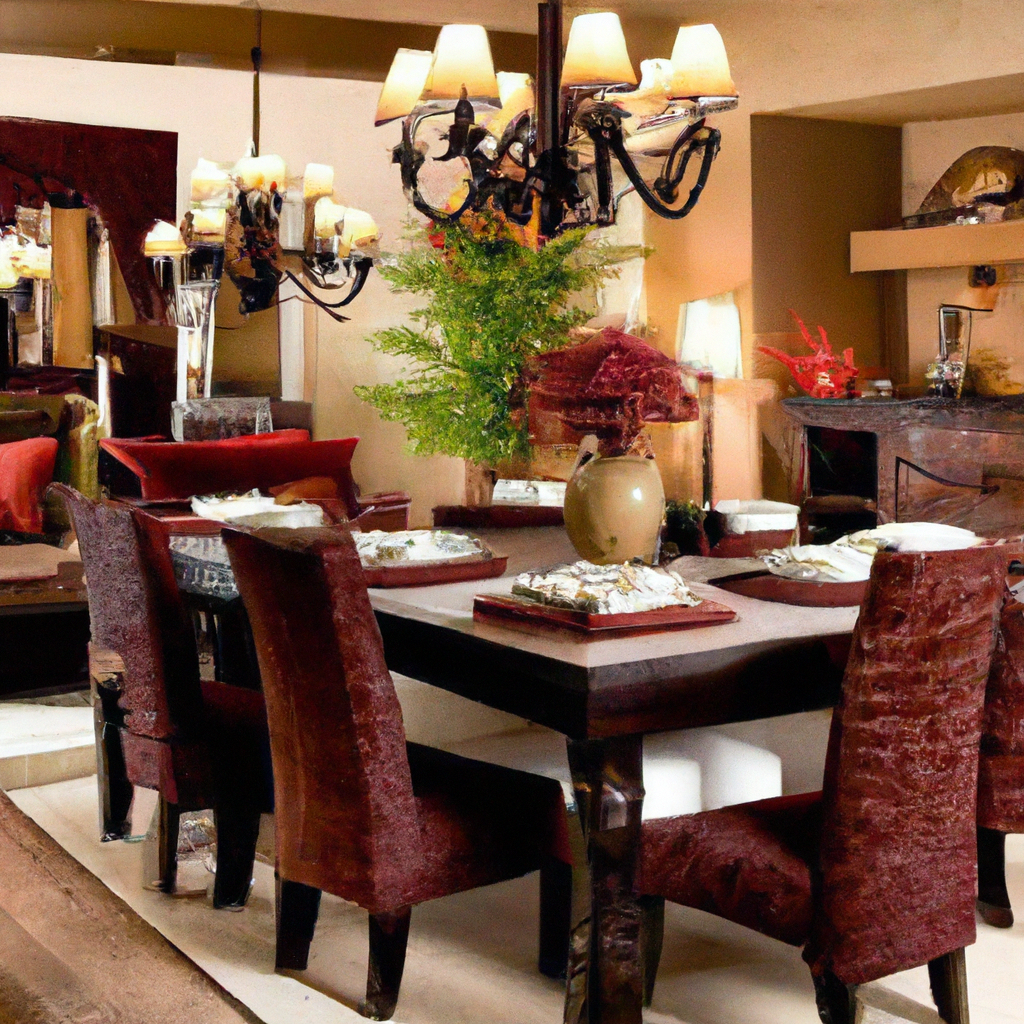
Overview of Interior Design Service
What is interior design?
Interior design is the art and science of enhancing the interior of a space to create a more aesthetically pleasing and functional environment. It involves carefully planning and organizing the layout, selecting appropriate color schemes and materials, and choosing the right furniture and decor to transform a space into something beautiful and harmonious.
Importance of interior design
Interior design plays a crucial role in our daily lives. It has the power to influence our mood, productivity, and overall well-being. By creating functional and visually appealing spaces, interior design can enhance our quality of life and make our homes or workplaces more enjoyable to be in. Good interior design takes into account our needs, preferences, and the specific purpose of the space, making it a vital aspect of our living and working environments.
Role of interior designers
Interior designers are professionals who apply their artistic and technical skills to create functional, safe, and aesthetically pleasing spaces. They have in-depth knowledge of design principles, spatial planning, and building codes. Interior designers work closely with clients to understand their vision, preferences, and budget. They then develop design concepts, select suitable materials and furnishings, and manage the entire design process to bring their clients’ dreams to life.
Services Offered
Residential interior design
Residential interior design focuses on creating beautiful and functional living spaces. Whether it’s a single room or an entire house, interior designers help homeowners design spaces that reflect their personal style and meet their lifestyle needs. They consider factors such as room layout, lighting, color schemes, and furniture selection to create a cozy and inviting home environment.
Commercial interior design
Commercial interior design involves the design of spaces used for business purposes. Interior designers in this field work on projects such as offices, retail stores, restaurants, hotels, and healthcare facilities. They take into account the specific requirements of each industry, as well as branding and customer experience, to create functional and visually appealing spaces that support the organization’s goals and enhance the customer’s experience.
Specialized design services
In addition to residential and commercial interior design, interior designers also offer specialized design services to meet specific needs. These services may include home staging for real estate, which involves arranging furniture and decor to make a property more appealing to potential buyers. Kitchen and bathroom design is another specialized service that focuses on creating functional and beautiful spaces for cooking and personal hygiene. Lighting design is also an important aspect of interior design, as it contributes to the overall ambiance and functionality of a space.
Residential Interior Design
Creating functional spaces
One of the primary goals of residential interior design is to create functional spaces that meet the needs of the homeowner. Interior designers carefully evaluate the layout and flow of each room to ensure optimal use of space. They consider factors such as furniture placement, storage solutions, and traffic patterns to create a layout that maximizes usability and convenience.
Choosing color schemes and materials
Color schemes and materials play a significant role in setting the overall mood and ambiance of a home. Interior designers assist homeowners in selecting the right colors and materials that align with their style preferences and desired atmosphere. They consider factors such as natural light, room size, and existing elements to create harmonious and visually pleasing combinations.
Selecting furniture and decor
Furniture and decor are key elements in bringing a residential space to life. Interior designers help homeowners select furniture that not only fits the style and function of the space but also ensures comfort and durability. They also assist in choosing decor items such as artwork, rugs, and lighting fixtures that enhance the overall aesthetic appeal of the home.
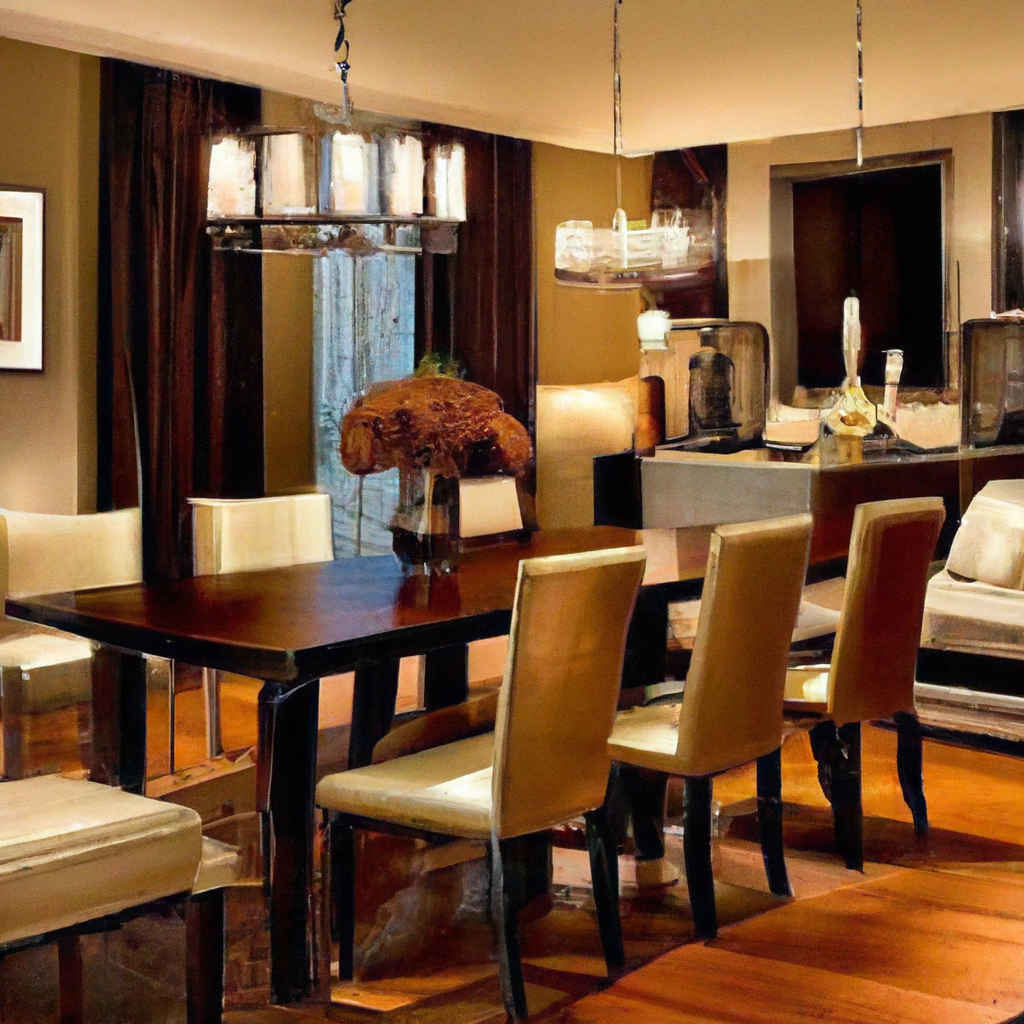
Commercial Interior Design
Designing for specific industries
In commercial interior design, it is essential to consider the specific needs and requirements of different industries. For example, an office space needs to promote productivity and collaboration, while a restaurant needs to create a welcoming and comfortable dining experience. Interior designers with experience in commercial design understand these industry-specific factors and tailor their designs accordingly to create functional and visually appealing spaces.
Optimizing workspace layout
Efficiently utilizing workspace is crucial for businesses. Interior designers create layouts that promote productivity, organization, and efficient use of space. They consider factors such as workflow, ergonomics, and accessibility to design layouts that allow employees to work comfortably and efficiently.
Enhancing brand identity
An integral part of commercial interior design is to enhance the brand identity of a business. Interior designers incorporate elements such as color schemes, logos, and signage that align with the company’s brand image. By creating a consistent and cohesive design, interior designers help businesses reinforce their brand identity and create a memorable experience for clients and customers.
Specialized Design Services
Home staging for real estate
Home staging is a specialized design service that aims to make a property more appealing to potential buyers. Interior designers strategically arrange furniture, decor, and artwork to highlight the property’s best features and create a welcoming and inviting atmosphere. By creating a visually appealing space, home staging can help potential buyers envision themselves living in the home and increase the chances of a successful sale.
Kitchen and bathroom design
Kitchen and bathroom design is an essential aspect of residential interior design. Interior designers with expertise in kitchen and bathroom design create functional and aesthetically pleasing spaces that cater to the homeowner’s needs. They consider factors such as storage, workspace efficiency, and plumbing fixtures to design kitchens and bathrooms that are both beautiful and practical.
Lighting design
Lighting design is an often-overlooked aspect of interior design, but it plays a crucial role in setting the mood and functionality of a space. Interior designers consider factors such as natural light, artificial lighting fixtures, and the placement of lighting to create a well-lit and inviting space. They incorporate a combination of ambient, task, and accent lighting to enhance the overall atmosphere and functionality of the room.
Process of Interior Design
Initial consultation
The interior design process typically begins with an initial consultation between the client and the interior designer. During this meeting, the designer gathers information about the client’s vision, preferences, and budget. They also assess the space to be designed, taking measurements and photographs to gain a deeper understanding of the project’s scope.
Design concept development
Once the initial consultation is complete, the interior designer develops a design concept for the space. They create mood boards, sketches, or digital presentations to articulate their vision for the project. The design concept incorporates elements such as color schemes, materials, and furniture selection that align with the client’s preferences and project goals.
Space planning and layout
After the design concept is approved, the interior designer proceeds to develop a detailed space plan and layout for the project. They create floor plans, elevations, and 3D visualizations to illustrate how the space will be arranged and how furniture and decor will be positioned. This phase ensures that the design is not only visually pleasing but also functional and tailored to the client’s needs.
Collaboration with Clients
Understanding client’s vision and preferences
Successful interior designers prioritize understanding their clients’ vision and preferences. They engage in thorough discussions, actively listen to the client’s ideas, and ask clarifying questions to gain a comprehensive understanding of their desired outcome. By developing a strong understanding of the client’s vision, interior designers can create a design that truly reflects the client’s style and preferences.
Incorporating client’s input
Throughout the design process, interior designers actively seek and incorporate the client’s input. They encourage open communication and provide opportunities for the client to review and provide feedback on the design concept, materials, and furnishings proposed. By involving the client in the decision-making process, interior designers ensure that the final design is a collaborative effort that meets the client’s expectations.
Providing regular updates
To maintain a strong client-designer relationship, interior designers provide regular updates on the progress of the project. They share updates on design developments, material selections, and project timelines. This open and transparent communication helps clients stay informed and allows them to provide input and make decisions in a timely manner.
Budget and Timeline Management
Setting a realistic budget
One of the key responsibilities of an interior designer is to help clients set a realistic budget for their project. Designers consider factors such as the scope of the project, desired quality of materials and furnishings, and any additional services required. By understanding the client’s budgetary constraints, interior designers can propose design solutions within the agreed-upon financial framework.
Tracking expenses
Throughout the design process, interior designers carefully track and manage the project’s expenses. They maintain detailed records of all costs, including materials, furnishings, and any outsourced services. By closely monitoring expenses, interior designers can ensure that the project stays within budget and that the client is aware of any potential cost implications.
Adhering to project timeline
Interior designers understand the importance of adhering to project timelines. They set realistic schedules and milestones, taking into account factors such as client preferences, lead times for materials and furnishings, and any construction or installation requirements. By carefully managing the project timeline, interior designers ensure that the design process progresses smoothly and that the client’s desired completion date is met.
Benefits of Hiring an Interior Designer
Professional expertise and knowledge
One of the primary benefits of hiring an interior designer is their professional expertise and knowledge in the field. Interior designers have a deep understanding of design principles, spatial planning, and building codes. They are skilled at translating a client’s vision into a practical and visually appealing design, taking into account factors such as functionality, comfort, and safety.
Access to industry resources
Interior designers have access to a wide range of industry resources that may not be easily available to the average homeowner. They have established relationships with suppliers, manufacturers, and tradespeople, allowing them to source high-quality materials and furnishings at competitive prices. This access to industry resources ensures that clients receive the best possible products and services for their project.
Saves time and stress
Designing and managing an interior design project can be time-consuming and stressful, especially for those with little experience in the field. By hiring an interior designer, clients can save time and reduce stress by entrusting the design and project management to a professional. Interior designers handle all aspects of the project, from creating the initial concept to coordinating with contractors and suppliers, allowing clients to focus on other important aspects of their lives.
Finding the Right Interior Designer
Researching local design firms
When looking for the right interior designer, it’s essential to research local design firms. Start by browsing websites, social media pages, and portfolios to get an idea of the designers’ style and expertise. Look for firms with experience in the type of project you have in mind, whether it’s residential, commercial, or specialized design services. It’s also beneficial to read online reviews and ratings from previous clients to get a sense of their satisfaction with the designer’s work.
Reading client testimonials
Client testimonials provide valuable insights into the client-designer relationship and the overall satisfaction with the interior designer’s services. Pay attention to testimonials that mention factors such as the designer’s communication skills, ability to understand the client’s vision, and adherence to timelines and budgets. Positive testimonials can give you confidence in the designer’s abilities and suitability for your project.
Interviewing potential designers
To ensure a good fit between you and the interior designer, it’s important to conduct interviews with potential candidates. Prepare a list of questions that address your project’s specific requirements and concerns. During the interview, ask about the designer’s experience, design process, and approach to project management. It’s also helpful to discuss your budget and timeline expectations to ensure that they align with the designer’s capabilities.
By following these steps, you can find a knowledgeable and experienced interior designer who is the right fit for your project.
In conclusion, interior design is a valuable service that enhances the functionality, aesthetics, and overall enjoyment of our living and working spaces. Whether it’s a residential or commercial project, hiring an interior designer brings professional expertise, access to industry resources, and peace of mind. By collaborating with clients, managing budgets and timelines, and creating personalized designs, interior designers transform spaces into beautiful and functional environments that reflect the unique visions and preferences of their clients.