


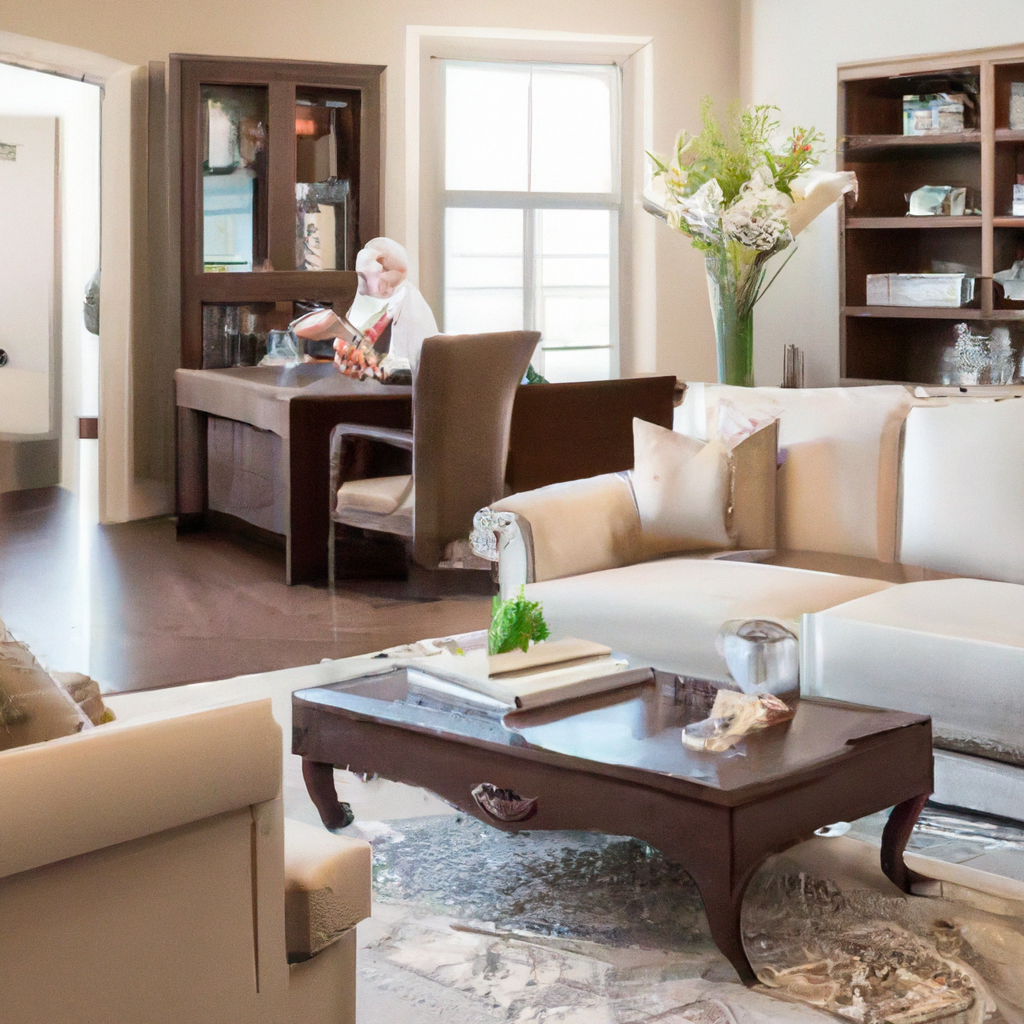
Are you looking to transform your living space into a beautiful and functional haven? Look no further than the exceptional Interior Design Service in Carrollton, Texas. From expertly curating color palettes to sourcing the perfect furniture and decor, our team of talented designers will bring your vision to life. With a keen eye for detail and a passion for creating personalized spaces, we are here to turn your house into a place you can truly call home. Embrace the magic of interior design and unlock the potential of your space with our dedicated services in Carrollton, Texas.
Importance of Interior Design
Creating a Functional Space
When it comes to interior design, one of the primary goals is to create a functional space that meets your specific needs. A well-designed interior takes into consideration the layout, flow, and functionality of the space. Whether it’s a cozy bedroom or a spacious living room, a good interior designer will work with you to understand how you use the space and make sure it is optimized for your lifestyle. From organizing furniture to maximizing storage, a functional interior design can greatly improve the way you live and interact within your home.
Enhancing Aesthetics
Another important aspect of interior design is enhancing the aesthetics of a space. The way a room looks and feels can greatly impact your mood and overall well-being. A skilled interior designer has a keen eye for color, texture, and style, and can create a visually appealing space that reflects your personal taste and complements the architecture of your home. Whether you prefer a modern, traditional, or contemporary style, an interior designer can help you choose the right colors, materials, and furnishings to create a cohesive and visually pleasing design.
Increasing Property Value
Interior design not only enhances the functionality and aesthetics of a space, but it can also significantly increase the value of your property. A well-designed home or commercial space is more attractive to potential buyers or tenants, and can command a higher price in the market. Investing in professional interior design services can be a wise decision if you’re looking to sell or lease your property in the future. A thoughtfully designed interior can make your property stand out from the competition and create a lasting impression on potential buyers or tenants.
Finding the Right Interior Designer
Researching Designers
Finding the right interior designer is crucial to achieving your desired design goals. Begin by researching designers in your area who specialize in the type of space you want to design. Look for designers who have experience working on residential, commercial, or hospitality projects, depending on your specific needs. Online directories, word-of-mouth recommendations, and social media platforms are great resources for finding reputable interior designers. Remember to check if they have the necessary certifications and licenses, as well as any additional qualifications that may be relevant to your project.
Checking Portfolios
Once you have a list of potential interior designers, take the time to review their portfolios. A designer’s portfolio will showcase their past projects and give you an idea of their style, creativity, and attention to detail. Pay close attention to their ability to create cohesive designs and how well their previous projects align with your vision. It’s important to find a designer whose work resonates with your personal aesthetic and design preferences. If possible, try to visit some of the spaces they have designed to see how their designs translate from photographs to real-life.
Reading Reviews
In addition to reviewing portfolios, it is essential to read reviews and testimonials from previous clients. This will give you insights into the designer’s professionalism, communication skills, and ability to meet deadlines and budgets. Look for reviews that specifically mention the designer’s ability to understand the client’s needs, adapt to their preferences, and deliver exceptional results. A designer with a track record of satisfied clients is more likely to provide you with a positive experience and a successful design project.
Process of Interior Designing
Initial Consultation
The process of interior designing typically begins with an initial consultation between you and the interior designer. During this meeting, the designer will ask questions to understand your design goals, lifestyle, and budget. They will also assess the space, taking measurements and photographs, and identifying any potential challenges or opportunities. This consultation is an opportunity for you to express your desires and expectations, as well as to address any concerns or specific requirements you may have.
Defining Design Goals
After the initial consultation, the interior designer will work closely with you to define the design goals for your project. This may involve discussing your preferred design style, color schemes, and specific features or functions you want to incorporate into the space. The designer will also take into consideration any existing architectural elements, such as windows, columns, or structural limitations, to ensure a harmonious design that works with the space’s inherent characteristics.
Creating Design Concepts
Once the design goals are established, the interior designer will begin creating design concepts. This is where their creativity and expertise come into play. They will translate your preferences and requirements into tangible design ideas, which may include floor plans, mood boards, color palettes, and material samples. The designer will present these concepts to you and collaborate with you to refine and finalize the design direction. This iterative process allows you to provide feedback and make adjustments until you are satisfied with the proposed design.
Choosing the Right Design Style
Modern
If you have a preference for clean lines and minimalistic aesthetics, a modern design style may be the perfect fit for your space. Modern interiors often feature sleek furniture, neutral color palettes, and an emphasis on open spaces and natural light. This style is characterized by simplicity, functionality, and a focus on geometric shapes and forms.
Traditional
For a more timeless and classic look, a traditional design style can add elegance and sophistication to your home. Traditional interiors often feature rich woods, ornate details, and a warm color palette. This style is known for its symmetrical layouts, intricate patterns, and refined furnishings, creating a sense of comfort and familiarity.
Contemporary
Contemporary design is characterized by its fluidity and flexibility. It combines elements from various styles, resulting in a design that is current and relevant to the present time. Contemporary interiors often feature clean lines, neutral colors, and a mix of textures and materials. This style embraces open floor plans and encourages a sense of spaciousness and light within a space.
Rustic
For a cozy and inviting atmosphere, a rustic design style can bring the beauty of the outdoors inside. Rustic interiors often feature natural materials, such as wood, stone, and earth tones. This style embraces imperfections and celebrates the charm of aged or reclaimed materials. From exposed beams to cozy fireplaces, rustic interiors create a warm and welcoming environment.
Industrial
If you’re drawn to a more urban and edgy aesthetic, an industrial design style might be the perfect fit. Inspired by old factories and warehouses, industrial interiors often feature raw materials, such as exposed brick, concrete, and metal. This style embraces open spaces, high ceilings, and a blend of modern and vintage elements. Industrial design brings a sense of rawness and character to a space.
Interior Design for Residential Spaces
Bedrooms
The bedroom is a sanctuary that should promote relaxation and rejuvenation. An interior designer can help create a bedroom design that reflects your personal style and supports a good night’s sleep. From choosing the right color scheme to selecting comfortable and aesthetically pleasing furniture, a well-designed bedroom can transform your space into a peaceful haven.
Living Rooms
The living room is often the heart of the home, where families gather to relax and entertain. The right interior design can create a comfortable and inviting space that suits your lifestyle. Whether you prefer a formal or casual setting, a designer can assist in choosing the right furniture, lighting, and accessories to make your living room a place where you love to spend time with loved ones.
Bathrooms
A well-designed bathroom can be a spa-like oasis that enhances your daily routine. From selecting the perfect fixtures to optimizing storage space, an interior designer can help you create a bathroom that is both functional and visually stunning. Whether you’re after a sleek modern design or a warm and cozy atmosphere, a designer can assist in bringing your vision to life.
Kitchens
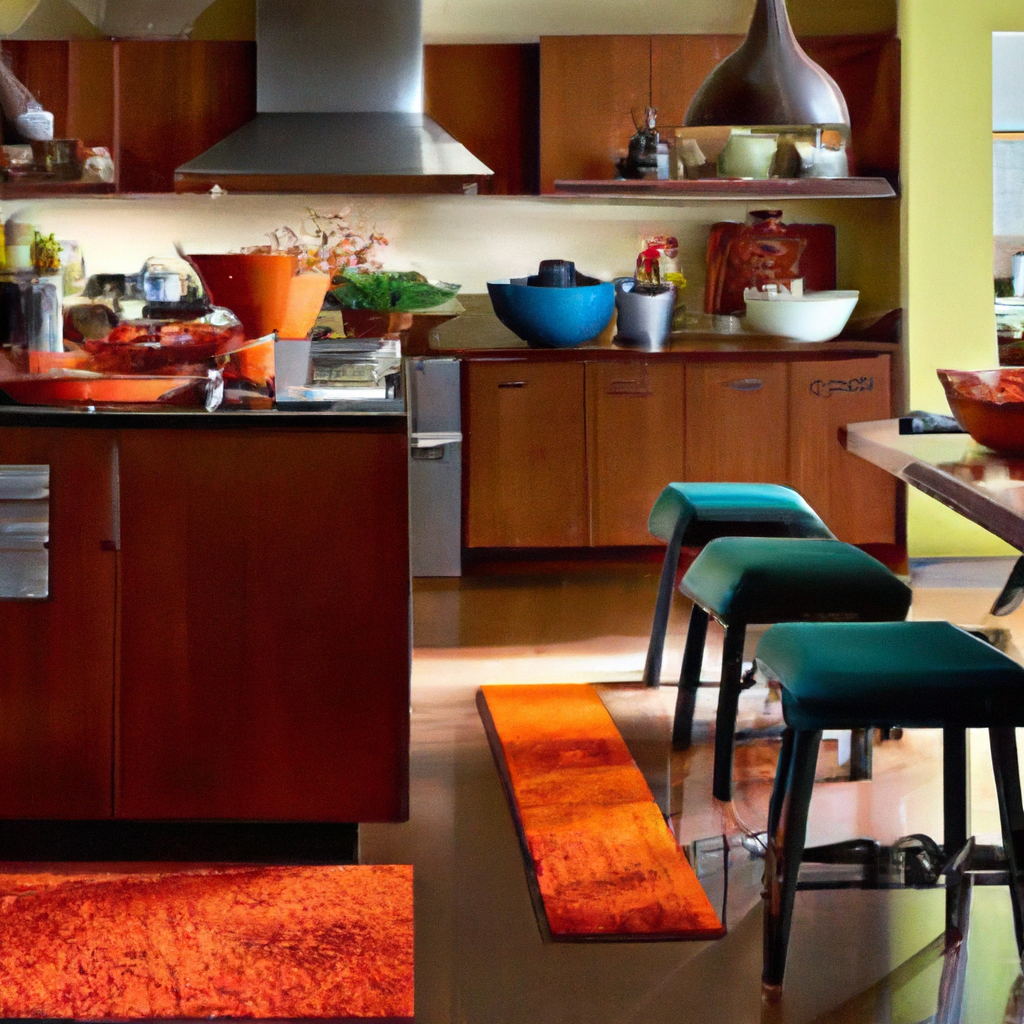
The kitchen is the heart of the home, and a well-designed kitchen can greatly improve the functionality and aesthetics of your space. An interior designer can help you create a kitchen that meets your specific needs, from choosing the right layout and appliances to selecting stylish cabinetry and countertops. Whether you’re a passionate cook or enjoy entertaining guests, a thoughtfully designed kitchen can enhance your culinary experience.
Interior Design for Commercial Spaces
Office Spaces
A well-designed office space can greatly impact productivity and employee well-being. An interior designer can help create an office design that reflects your company’s brand, promotes collaboration, and provides a comfortable working environment. From selecting ergonomic furniture to optimizing lighting and acoustics, a well-designed office space can enhance employee satisfaction and overall performance.
Restaurants
The design of a restaurant plays a vital role in attracting customers and creating a memorable dining experience. An interior designer can assist in creating a visually appealing and functional layout that complements the cuisine and branding of your restaurant. Whether you’re aiming for a cozy and intimate ambiance or a trendy and modern vibe, a well-designed restaurant can leave a lasting impression on your customers.
Retail Stores
In the world of retail, first impressions are crucial. The interior design of a retail store can influence a customer’s perception of the brand and their willingness to make a purchase. An interior designer can help you create a retail space that showcases your products effectively and provides a pleasant shopping experience. From designing eye-catching displays to choosing the right lighting and signage, a well-designed retail store can attract customers and drive sales.
Interior Design for Hospitality Spaces
Hotels
A well-designed hotel can create a memorable experience for guests and elevate their stay. An interior designer can help create a cohesive and inviting design that reflects the hotel’s brand and caters to the needs of the guests. From selecting luxurious furnishings and finishes to creating functional and aesthetically pleasing common areas, a well-designed hotel interior can leave guests with a positive impression and encourage them to return.
Resorts
Resorts offer a getaway from everyday life, and the interior design plays a significant role in creating a relaxing and luxurious environment for guests. An interior designer can assist in creating a resort design that embraces the natural surroundings and provides a serene atmosphere. From designing spacious and comfortable guest rooms to creating stunning outdoor spaces, a well-designed resort can offer guests a truly rejuvenating experience.
Spas
Spas are places of relaxation and rejuvenation, and the interior design should reflect that. An interior designer can help create a spa design that promotes tranquility and enhances the overall experience for guests. From selecting soothing color schemes and natural materials to designing private treatment rooms and serene lounge areas, a well-designed spa can provide a haven of serenity for guests looking to unwind and pamper themselves.
Selecting Colors, Textures, and Materials
Color Psychology
Color plays a significant role in interior design, as it can evoke specific emotions and set the overall mood of a space. An interior designer can guide you in selecting colors that align with your desired ambiance. Warm tones, such as reds and yellows, can create a cozy and inviting atmosphere, while cool tones, like blues and greens, can promote a sense of calm and relaxation. Understanding color psychology and its impact on human emotions is essential in creating a well-balanced and harmonious interior design.
Texture Mix and Matching
Texture adds depth and interest to a space, creating visual and tactile experiences. An interior designer can help you incorporate a variety of textures that complement each other and create a cohesive design. From smooth surfaces to rough textures, mixing different materials and finishes can create a visually appealing and dynamic interior. Finding the right balance and harmony in texture can elevate the overall aesthetic of a space.
Choosing Sustainable Materials
In today’s environmentally conscious world, choosing sustainable materials is an essential consideration in interior design. An interior designer can help you select eco-friendly materials that are not only environmentally responsible but also durable and aesthetically pleasing. From reclaimed wood to recycled fabrics, sustainable materials can add a unique charm to your space while reducing your carbon footprint. An interior designer can guide you through the options available and help you make informed decisions that align with your sustainability goals.
Furniture and Decor Selection
Defining Furniture Needs
Choosing the right furniture is crucial in creating a functional and aesthetically pleasing interior design. An interior designer can assess your specific needs and help you find furniture pieces that meet your requirements. Whether you need space-saving solutions for a small apartment or durable furniture for a high-traffic area, a designer can guide you in selecting the right pieces that balance functionality and style.
Blending Functionality and Style
When selecting furniture and decor, it’s important to find a balance between functionality and style. An interior designer can assist you in choosing furniture that not only looks great but also serves its purpose. From comfortable seating to practical storage solutions, a well-designed interior considers both the practical needs of the space and the desired aesthetic. By blending functionality and style, an interior designer can create a space that is not only visually appealing but also highly functional.
Choosing Art and Accessories
Art and accessories add personality and character to a space, reflecting your personal taste and interests. An interior designer can help you choose artwork and accessories that complement the overall design and create focal points within the space. From selecting the right scale and placement to curating a collection that tells a story, a designer can guide you in creating a visually captivating interior.
Maintaining and Updating Interior Design
Regular Cleaning and Maintenance
Once your interior design is complete, it’s important to maintain the cleanliness and functionality of the space. Regular cleaning and maintenance contribute to the longevity of your design and ensure that it remains in optimal condition. An interior designer can provide recommendations on cleaning products and techniques specific to your design elements, such as flooring, upholstery, and surfaces. By following a regular cleaning and maintenance routine, you can preserve the beauty and functionality of your interior design for years to come.
Refreshing the Design Over Time
As time goes by, your design preferences may evolve, or you may simply desire a change in your space. An interior designer can assist you in refreshing your design without undertaking a complete overhaul. Whether it’s updating paint colors, replacing accessories, or rearranging furniture, a well-planned refresh can breathe new life into your space. An interior designer can help you identify areas that need attention and provide recommendations to update your design while staying within your budget.
In conclusion, interior design plays a crucial role in creating functional, aesthetically pleasing, and valuable spaces. From residential to commercial and hospitality projects, a skilled interior designer can transform any space into a haven of beauty and functionality. By understanding your design goals, selecting the right style, materials, and furnishings, and maintaining your design over time, you can enjoy the benefits of a well-designed interior for years to come. So, whether you’re embarking on a new project or looking to refresh your existing space, consider the importance of interior design in creating a space that reflects your personal taste and enhances your overall well-being.