


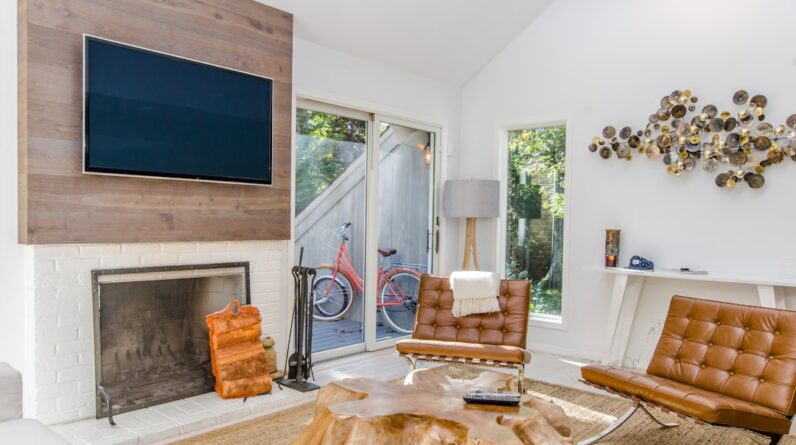
When it comes to designing your living room, the possibilities are endless. This space serves as the heart of your home, where you gather with family and friends, unwind after a long day, and create lasting memories. To begin, consider the layout of your living room.
You want to create a flow that encourages conversation and comfort. Arranging your furniture in a way that promotes interaction is key. For instance, placing your sofa and chairs in a U-shape can foster a cozy atmosphere, inviting everyone to engage with one another.
Additionally, think about the focal point of the room. Whether it’s a fireplace, a large window with a view, or a stunning piece of art, centering your seating around this element can enhance the overall aesthetic. Color plays a significant role in setting the mood of your living room.
Warm tones like soft yellows and earthy browns can create an inviting ambiance, while cooler shades such as blues and greens can evoke tranquility. You might also want to incorporate various textures through cushions, throws, and rugs to add depth and interest to the space. Lighting is another crucial aspect; consider a combination of overhead fixtures, floor lamps, and table lamps to create layers of light that can be adjusted according to the time of day or occasion.
By thoughtfully considering these elements, you can design a living room that reflects your personal style while remaining functional and welcoming.
Key Takeaways
- Living room design should prioritize comfort and functionality, with ample seating and a layout that encourages conversation and relaxation.
- Bedroom design should focus on creating a peaceful and restful atmosphere, with attention to comfortable bedding, adequate storage, and personal touches that reflect the occupant’s style.
- Kitchen design should emphasize efficiency and organization, with easy access to cooking and storage areas, as well as a layout that facilitates meal preparation and socializing.
- Bathroom design should prioritize cleanliness and relaxation, with durable and easy-to-clean materials, ample storage, and thoughtful lighting and ventilation.
- Home office design should promote productivity and creativity, with a comfortable and organized workspace, good lighting, and minimal distractions.
Bedroom Design
Your bedroom should be a sanctuary—a place where you can retreat from the world and recharge. To achieve this, start by selecting a color palette that promotes relaxation. Soft pastels or muted tones can create a calming environment, while bolder colors can add personality and energy.
The arrangement of furniture is equally important; ensure that your bed is the focal point of the room, ideally positioned to allow for easy access on both sides. Nightstands on either side can provide balance and functionality, offering space for lamps, books, or personal items. Incorporating elements that enhance comfort is essential for a restful bedroom.
Invest in quality bedding that feels luxurious against your skin, and consider layering different textures to create visual interest. You might also want to add personal touches through artwork or photographs that resonate with you. Don’t forget about storage solutions; keeping your bedroom organized can significantly contribute to a peaceful atmosphere.
Whether it’s under-bed storage or stylish baskets, finding ways to minimize clutter will help maintain the serene vibe you desire.
Kitchen Design
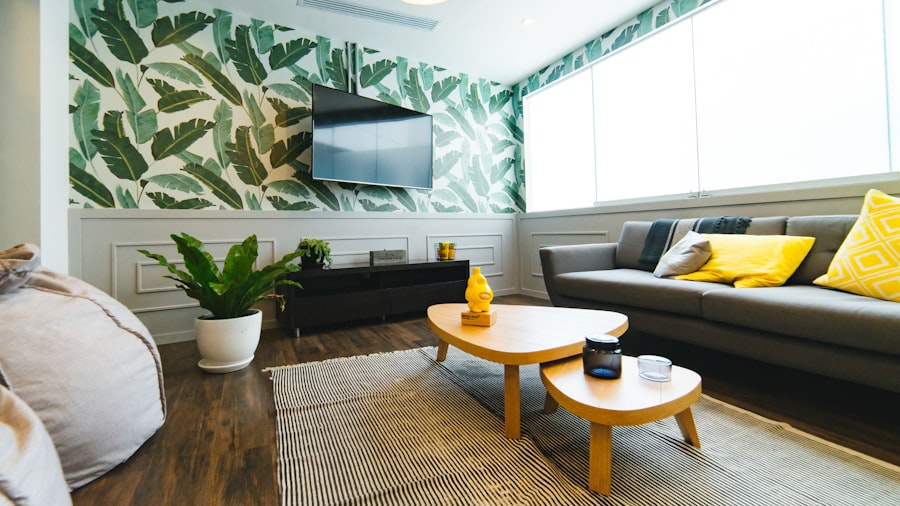
The kitchen is often referred to as the heart of the home, and for good reason. It’s where meals are prepared, conversations flow, and families gather. When designing your kitchen, functionality should be at the forefront of your mind.
Consider the work triangle—the relationship between the stove, sink, and refrigerator—as this will greatly influence how efficiently you can move around while cooking. An open layout can also enhance social interaction, allowing you to engage with guests while preparing meals. Aesthetically, your kitchen should reflect your personal style while remaining practical.
Choose cabinetry that complements your overall design theme; whether you prefer sleek modern lines or rustic charm, there are countless options available. Countertops are another area where you can express creativity; materials like granite or quartz not only look stunning but are also durable and easy to maintain. Don’t overlook lighting; pendant lights over an island or under-cabinet lighting can add both functionality and ambiance to your kitchen space.
Bathroom Design
Designing a bathroom is an opportunity to create a personal oasis within your home. Start by considering the layout; whether you have a small powder room or a spacious master bath, maximizing space is crucial. If you’re working with limited square footage, opt for floating vanities or corner sinks to create an illusion of more space.
For larger bathrooms, consider adding features like a soaking tub or a walk-in shower to enhance luxury. The choice of materials can significantly impact the overall feel of your bathroom. Natural stone tiles can bring an organic touch, while sleek porcelain offers a modern aesthetic.
Color schemes should lean towards soothing hues—think soft blues, greens, or neutral tones that promote relaxation. Lighting is essential in this space as well; layered lighting options can help create a spa-like atmosphere. Incorporating plants or decorative elements can also add warmth and personality to your bathroom design.
Home Office Design
In today’s world, having a dedicated home office has become increasingly important as remote work continues to rise. When designing your workspace, prioritize functionality and comfort. Start by selecting an area in your home that is quiet and free from distractions.
A well-organized desk with ample storage will help keep your workspace tidy and efficient. Ergonomic furniture is essential; investing in a comfortable chair and desk that promote good posture will make long hours of work more manageable. Aesthetics play a significant role in creating an inspiring work environment.
Choose colors that stimulate creativity—soft yellows or greens can invigorate the mind while maintaining a sense of calm. Personalize your office with artwork or motivational quotes that resonate with you; these elements can serve as daily reminders of your goals and aspirations. Additionally, consider incorporating plants into your design; they not only purify the air but also add life and vibrancy to your workspace.
Dining Room Design
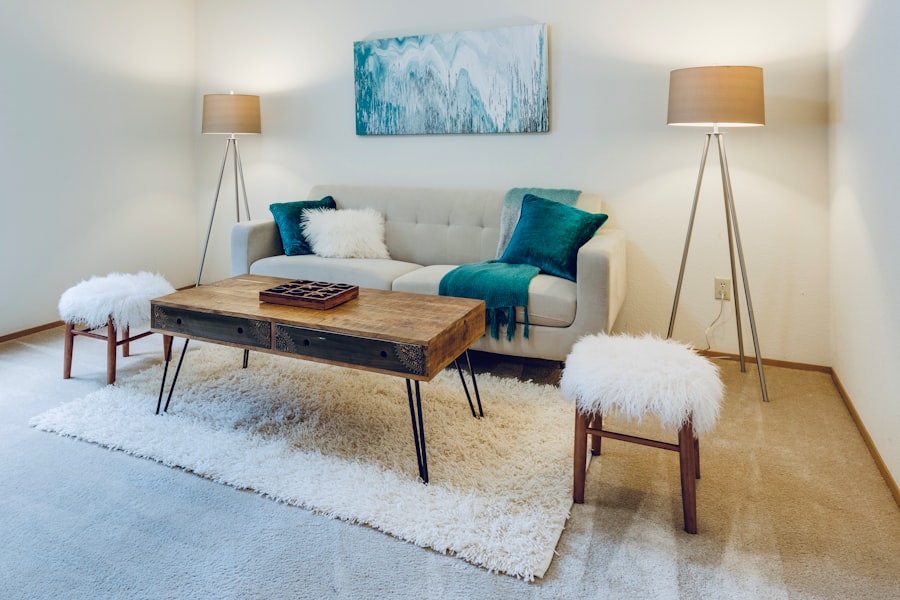
The dining room is where you gather with loved ones to share meals and create cherished memories. When designing this space, think about how you want it to function—will it be used for formal dinners or casual family meals? The size of your dining table should reflect this purpose; ensure there’s enough space for everyone to sit comfortably while allowing for easy movement around the table.
Lighting is crucial in setting the mood for dining experiences. A statement chandelier can serve as a stunning focal point while providing ample illumination for meals. Consider layering different light sources—overhead fixtures combined with wall sconces or candles can create an inviting atmosphere for gatherings.
Additionally, don’t forget about table settings; incorporating beautiful dinnerware and centerpieces can elevate the dining experience and make every meal feel special.
Children’s Room Design
Designing a children’s room requires creativity and practicality in equal measure. This space should be fun and inviting while also accommodating their needs as they grow. Start by choosing a theme or color palette that reflects their personality—whether it’s whimsical patterns or bold colors, let their interests guide your choices.
Furniture should be functional yet playful; consider multi-purpose pieces like beds with built-in storage or desks that can adapt as they age. Safety is paramount in children’s room design; ensure that furniture is anchored securely and that sharp edges are minimized. Incorporating plenty of storage solutions will help keep toys and books organized, making it easier for children to learn responsibility while maintaining a tidy space.
Additionally, consider creating zones within the room—an area for sleeping, studying, and playing—to encourage different activities while keeping everything cohesive.
Outdoor Living Space Design
Your outdoor living space is an extension of your home—a place where you can relax, entertain, and enjoy nature. When designing this area, think about how you want to use it; whether it’s for hosting barbecues or simply unwinding with a book, your layout should reflect these activities. Comfortable seating is essential; consider adding outdoor sofas or lounge chairs that invite relaxation while providing ample space for guests.
Incorporating greenery into your outdoor design can enhance its beauty and create a tranquil atmosphere. Planters filled with flowers or herbs not only add color but also provide sensory experiences through fragrance and texture. Lighting is another important aspect; string lights or lanterns can create a magical ambiance for evening gatherings.
By thoughtfully designing your outdoor living space, you’ll create an inviting retreat that enhances your lifestyle and connects you with nature. In conclusion, each room in your home offers unique opportunities for design that reflects your personality while serving practical purposes. By considering layout, color schemes, materials, and personal touches in each space—from the living room to the outdoor area—you can create a cohesive environment that feels both functional and inviting.
Embrace the process of designing your home as an opportunity to express yourself and cultivate spaces where memories are made and cherished for years to come.
FAQs
What is room by room interior design?
Room by room interior design is the process of designing and decorating each room in a home or space individually, taking into consideration the specific needs and functions of each room.
What are the key elements of room by room interior design?
Key elements of room by room interior design include understanding the purpose of each room, considering the layout and flow of the space, selecting appropriate furniture and decor, and paying attention to lighting, color, and texture.
How does room by room interior design differ from overall interior design?
Room by room interior design focuses on the specific needs and functions of each individual room, while overall interior design takes into account the entire space as a whole. Room by room design allows for more tailored and personalized solutions for each room.
What are some common rooms that are designed in room by room interior design?
Common rooms that are designed in room by room interior design include the living room, bedroom, kitchen, bathroom, dining room, home office, and any other specific spaces within a home.
What are some tips for successful room by room interior design?
Some tips for successful room by room interior design include understanding the purpose and function of each room, creating a cohesive design theme throughout the home, considering the flow and layout of the space, and selecting furniture and decor that suits the specific needs of each room.


