


As an art collector, your journey is not merely about acquiring pieces; it’s about curating a collection that resonates with your personal aesthetic and values. Understanding your needs is the first step in this intricate process. You may find yourself drawn to specific styles, periods, or artists, and recognizing these preferences will help you make informed decisions.
Consider what emotions you want your collection to evoke and how you wish to engage with the art on a daily basis. This introspection will guide you in selecting pieces that not only enhance your space but also reflect your identity. Moreover, it’s essential to think about the practical aspects of art collecting.
You might need to consider the size of your living space, the climate, and even the lighting conditions when choosing artworks. Some pieces may require special care or specific environmental conditions to maintain their integrity. By understanding these factors, you can create a sustainable collection that thrives in your home.
Engaging with fellow collectors or art professionals can also provide valuable insights into the nuances of art ownership, helping you navigate the complexities of this rewarding pursuit.
Key Takeaways
- Understanding the art collector’s needs is essential for creating a space that showcases their collection effectively.
- Creating a gallery-like space involves considering factors such as layout, flow, and wall space for displaying artwork.
- Lighting for art display should be carefully chosen to enhance the artwork without causing damage, and should include a mix of ambient, accent, and natural light.
- Selecting furniture and decor that complements the art can help create a cohesive and harmonious space.
- Incorporating storage for artwork is important for protecting and preserving the collection, and can be integrated into the design in creative ways.
Creating a Gallery-Like Space
Transforming your home into a gallery-like space is an exciting endeavor that allows you to showcase your collection in a way that feels both personal and professional. Start by assessing the layout of your rooms; consider how each area can serve as a backdrop for your art. You might choose to dedicate a specific wall or room solely for display, ensuring that the artworks have enough space to breathe and be appreciated.
This approach not only highlights individual pieces but also creates a cohesive narrative throughout your home. In addition to wall space, think about how you can use furniture and architectural elements to enhance the gallery feel. You may want to incorporate floating shelves or custom-built display cases that allow for dynamic arrangements.
The goal is to create an environment where each piece can shine without overwhelming the viewer. By carefully selecting the right locations for your artworks, you can cultivate an atmosphere that invites exploration and admiration, much like a professional gallery would.
Lighting for Art Display

Lighting plays a crucial role in how art is perceived, and as an art collector, you should pay close attention to this aspect of your display. Natural light can be both a blessing and a curse; while it can enhance colors and textures, it can also cause fading over time. You might want to consider using UV-filtering glass for framed pieces or placing them in areas where direct sunlight is minimized.
This will help preserve the integrity of your collection while still allowing you to enjoy its beauty. Artificial lighting is equally important in creating the right ambiance for your artworks. You may want to explore various types of lighting fixtures, such as track lighting or wall sconces, which can be adjusted to highlight specific pieces.
Dimmers can also be beneficial, allowing you to control the intensity of light based on the time of day or mood you wish to create. By thoughtfully planning your lighting strategy, you can elevate the visual impact of your collection and ensure that each piece is showcased in its best light.
Selecting Furniture and Decor to Complement Art
When it comes to selecting furniture and decor, your choices should harmonize with your art collection rather than compete with it. You might opt for minimalist furniture that allows the artwork to take center stage, or choose pieces that echo the themes or colors found in your collection. For instance, if you have vibrant abstract paintings, consider neutral-toned furniture that won’t distract from those bold colors.
This balance will create a cohesive look throughout your space. Additionally, consider incorporating decor elements that enhance the overall aesthetic without overshadowing the art. Textiles such as rugs or curtains can introduce texture and warmth while remaining subtle enough not to detract from your collection.
You may also want to include decorative objects that resonate with the themes of your artwork, creating a dialogue between different elements in your space. By carefully curating these aspects, you can create an environment that feels both inviting and sophisticated.
Incorporating Storage for Artwork
As an art collector, you understand that storage is just as important as display when it comes to maintaining your collection. You may find yourself acquiring new pieces regularly, so having a dedicated storage solution is essential for keeping everything organized and protected. Consider investing in climate-controlled storage options if you have valuable or delicate artworks that require special care.
This will ensure that they remain in pristine condition when not on display. In addition to climate control, think about how you can incorporate stylish storage solutions into your home design. Custom cabinetry or shelving units can provide both functionality and aesthetic appeal.
You might also explore multi-purpose furniture that offers hidden storage for smaller pieces or prints. By integrating these solutions seamlessly into your design, you can keep your collection safe while maintaining an uncluttered and elegant living space.
Showcasing Artwork with Unique Display Methods
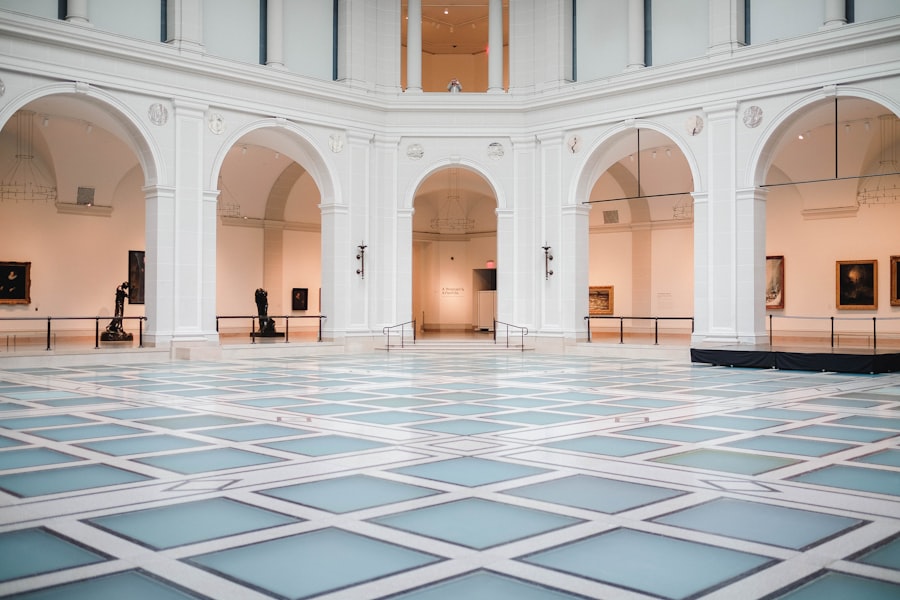
To truly make your collection stand out, consider showcasing your artwork using unique display methods that go beyond traditional framing. You might explore options such as hanging pieces from wires or using easels for a more dynamic presentation. This approach not only adds visual interest but also allows for flexibility in rearranging your collection as new pieces are acquired.
Another innovative method is to create themed displays that tell a story or highlight specific aspects of your collection. For example, you could curate a rotating exhibition based on color schemes or artistic movements, allowing different pieces to shine at various times. This not only keeps your space fresh but also engages visitors in a conversation about the art itself.
By thinking outside the box in terms of display methods, you can create an ever-evolving gallery experience within your home.
Using Color and Texture to Enhance Art
Color and texture are powerful tools in enhancing the overall impact of your art collection. As you curate your space, consider how these elements interact with each other. You might choose wall colors that complement the hues found in your artworks, creating a harmonious backdrop that enhances their visual appeal.
Soft neutrals can provide a calming effect, while bold colors can energize the space and draw attention to specific pieces. Texture also plays a significant role in creating depth within your design. Incorporating various materials—such as wood, metal, or fabric—can add layers of interest that enrich the viewing experience.
For instance, a textured wall treatment behind a painting can create a striking contrast that elevates its presence. By thoughtfully considering color and texture throughout your space, you can create an environment that not only showcases your collection but also enhances its emotional resonance.
Incorporating Art into the Overall Design Concept
Finally, integrating art into your overall design concept is essential for creating a cohesive living environment. Your collection should feel like an integral part of your home rather than an afterthought. As you plan your interior design, think about how each piece of art interacts with other elements in the space—furniture, lighting, and decor should all work together harmoniously.
You might also consider how art can influence the mood of different areas within your home. For example, vibrant pieces could energize a workspace while calming landscapes might be more suitable for a bedroom retreat. By aligning your art choices with the intended purpose of each room, you create an atmosphere that enhances both functionality and aesthetic appeal.
Ultimately, this thoughtful integration will allow you to enjoy your collection fully while enriching your everyday living experience. In conclusion, as an art collector, understanding your needs and thoughtfully curating both display and storage solutions will elevate not only your collection but also your living space. By creating a gallery-like environment with careful attention to lighting, furniture selection, and unique display methods, you can showcase your artworks in ways that resonate deeply with both you and your guests.
Embracing color and texture further enhances this experience while ensuring that art remains at the heart of your home’s design concept.
FAQs
What is interior design for art collectors?
Interior design for art collectors is a specialized form of interior design that focuses on creating spaces that showcase and complement an art collection. It involves selecting furniture, lighting, and decor that enhance the visual impact of the artwork.
What are the key elements of interior design for art collectors?
Key elements of interior design for art collectors include proper lighting to highlight artwork, selecting furniture and decor that does not compete with the art, and creating a cohesive and harmonious overall aesthetic that complements the art collection.
How does interior design for art collectors differ from regular interior design?
Interior design for art collectors differs from regular interior design in that it places a strong emphasis on showcasing and enhancing the art collection. This may involve specialized lighting, display methods, and a more minimalist approach to decor to allow the art to take center stage.
What are some tips for interior design for art collectors?
Some tips for interior design for art collectors include working with a professional designer who has experience in showcasing art, using adjustable lighting to highlight different pieces, and selecting furniture and decor that does not overwhelm the artwork.
Why is interior design important for art collectors?
Interior design is important for art collectors because it can significantly impact the way their art collection is experienced. A well-designed space can enhance the visual impact of the artwork and create a cohesive and harmonious environment for both the art and the viewer.


