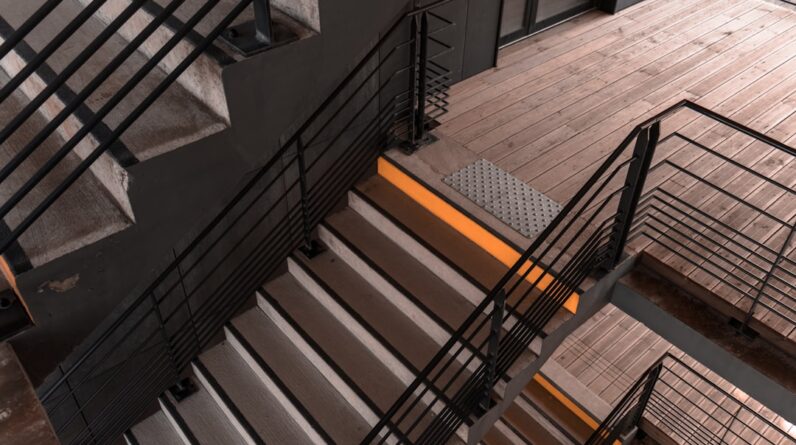
When you think about interior design, your mind might conjure images of carefully curated spaces, where every piece of furniture and decor has its place. However, the most captivating interiors often incorporate unexpected elements that challenge conventional norms. These surprises can transform a mundane room into a vibrant, engaging environment that tells a story.
By embracing the unexpected, you can create spaces that not only reflect your personality but also evoke emotions and spark conversations. Incorporating unexpected elements into your design can be a thrilling journey. It invites you to step outside the boundaries of traditional aesthetics and explore new possibilities.
Whether it’s an unusual color palette, an unconventional material, or a striking piece of art, these elements can serve as focal points that draw the eye and ignite curiosity. As you embark on this creative adventure, you’ll discover that the most memorable interiors are often those that defy expectations and celebrate individuality.
Key Takeaways
- Unexpected elements in interior design can add excitement and personality to a space.
- Unconventional materials and textures can be used to create focal points and add visual interest.
- Unique art and decorative pieces can bring a sense of individuality and creativity to a design.
- Playing with scale and proportion can create a dramatic and visually striking effect in a space.
- Bold colors and patterns can make a strong statement and add energy to a design.
- Integrating unexpected architectural elements can bring a sense of surprise and innovation to a space.
- Lighting and illumination can be used to create a sense of drama and intrigue in interior design.
- Unexpected elements have a significant impact on interior design, adding depth and character to a space.
Using Unconventional Materials and Textures to Create Focal Points
Contrasting Materials for Visual Interest
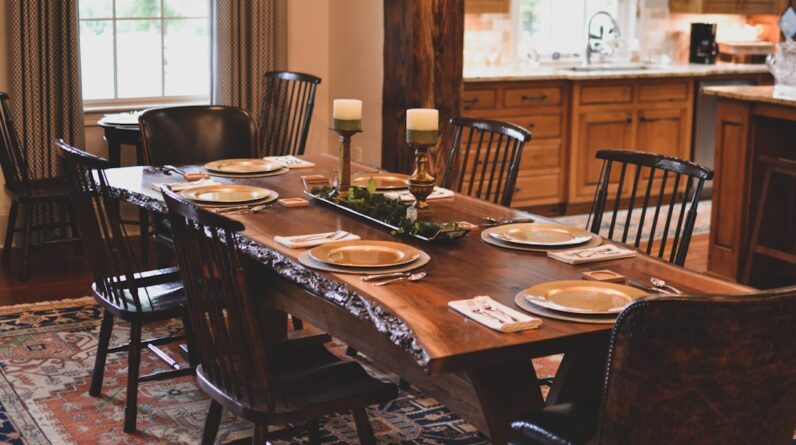
One of the most effective ways to introduce unexpected elements into your interior design is by using unconventional materials and textures. Imagine a living room adorned with a coffee table made from reclaimed wood, juxtaposed against sleek metal accents. This contrast not only adds depth to the space but also creates a conversation starter.
Crafting a Unique Aesthetic
By selecting materials that are not typically associated with certain styles, you can craft a unique aesthetic that reflects your personal taste. Textures play a crucial role in this process as well. Consider incorporating textiles like velvet, leather, or even unexpected materials like cork or concrete.
Layering Textures for a Tactile Experience
A plush velvet sofa can provide a luxurious feel, while a concrete accent wall can add an industrial edge. By mixing and matching these textures, you create a tactile experience that invites touch and interaction. This layering of materials not only enhances visual interest but also adds warmth and character to your space.
Incorporating Unique Art and Decorative Pieces

Art is an essential component of interior design, and incorporating unique pieces can elevate your space to new heights. Instead of opting for mass-produced prints or generic decor, seek out one-of-a-kind artworks that resonate with you. This could be anything from a bold abstract painting to a quirky sculpture that reflects your personality.
By showcasing unique art, you create a focal point that draws attention and sparks conversation among guests. In addition to traditional art forms, consider integrating decorative pieces that tell a story. Vintage finds, handcrafted items, or even travel souvenirs can add layers of meaning to your space.
These elements not only enhance the aesthetic appeal but also infuse your home with personal history and memories. When guests enter your space, they’ll be intrigued by the stories behind each piece, making your home feel more inviting and alive.
Playing with Scale and Proportion for Dramatic Effect
Another powerful way to introduce unexpected elements into your interior design is by playing with scale and proportion. This technique can create dramatic effects that captivate the eye and challenge perceptions of space. For instance, imagine a small room featuring oversized furniture or an enormous piece of art dominating one wall.
This bold choice can create a sense of whimsy and surprise, transforming the ordinary into the extraordinary. Conversely, you might choose to incorporate smaller-scale items in a larger space to create an intimate atmosphere. A cluster of petite sculptures on a grand mantelpiece can evoke a sense of curiosity and encourage exploration.
By thoughtfully considering scale and proportion, you can manipulate how a room feels and functions, making it more dynamic and engaging for those who inhabit it.
Utilizing Bold Colors and Patterns to Make a Statement
Color has the power to evoke emotions and set the tone for any space. When you incorporate bold colors and patterns into your interior design, you invite energy and vibrancy into your home. Instead of sticking to neutral palettes, consider using striking hues like deep blues, fiery reds, or vibrant yellows to create focal points that demand attention.
A single accent wall painted in a bold color can dramatically alter the perception of a room, making it feel more alive. Patterns also play a significant role in creating visual interest. Mixing patterns—such as geometric prints with florals or stripes with polka dots—can add layers of complexity to your design.
The key is to maintain balance; choose patterns that complement each other while still standing out individually. By embracing bold colors and patterns, you can create spaces that are not only visually stunning but also reflect your unique style and personality.
Integrating Unexpected Architectural Elements into the Design

Highlighting Original Features
If you’re lucky enough to have an older home with original architectural details, consider showcasing them rather than covering them up. Exposed brick walls or vintage moldings can serve as stunning backdrops for modern furnishings, creating a harmonious blend of old and new.
Adding Unconventional Elements
You might also consider adding architectural elements that are not typically found in residential spaces. A spiral staircase or a lofted area can create visual drama while maximizing functionality. These unique features can add an extra layer of interest to your space.
Enhancing Aesthetic Appeal and Flow
These unexpected features not only enhance the aesthetic appeal of your space but also contribute to the overall flow. By integrating unique architectural elements into your design, you create an environment that feels both innovative and inviting.
Creating Surprise Through Lighting and Illumination
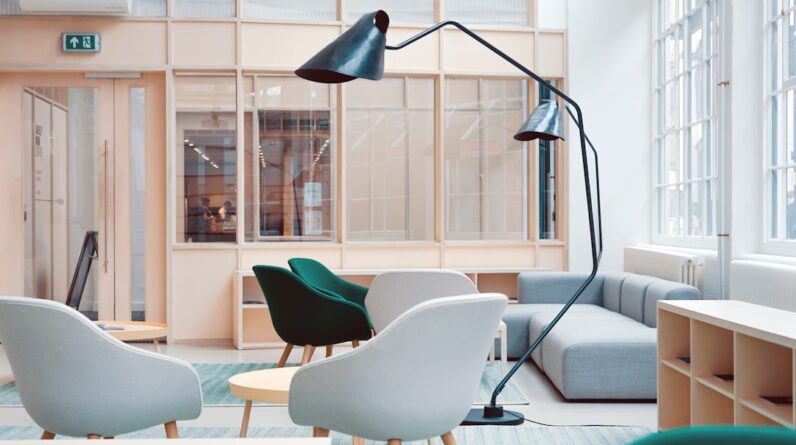
Lighting is often an overlooked aspect of interior design, yet it has the power to transform a space dramatically. By incorporating unexpected lighting solutions, you can create ambiance and highlight key features within your home. Consider using statement light fixtures—such as oversized chandeliers or sculptural pendant lights—that serve as both functional sources of illumination and artistic focal points.
Layering different types of lighting can also enhance the overall atmosphere of your space. Combine ambient lighting with task lighting and accent lighting to create depth and dimension. For instance, strategically placed spotlights can draw attention to artwork or architectural features, while soft table lamps can create cozy nooks for relaxation.
By experimenting with various lighting techniques, you can craft an environment that feels dynamic and inviting at any time of day.
The Impact of Unexpected Elements on Interior Design
Incorporating unexpected elements into your interior design is not just about aesthetics; it’s about creating spaces that resonate with who you are and how you live. These surprises invite exploration and engagement, transforming ordinary rooms into extraordinary experiences. Whether through unconventional materials, unique art pieces, bold colors, or innovative architectural features, each unexpected element contributes to a narrative that reflects your individuality.
As you embark on your design journey, remember that the most captivating interiors are those that embrace creativity and challenge conventions. By daring to think outside the box and incorporating unexpected elements into your home, you’ll create an environment that is not only visually stunning but also deeply personal. Ultimately, these surprises will leave a lasting impression on all who enter your space, making it truly unforgettable.
FAQs
What are unexpected elements in interior design?
Unexpected elements in interior design are unique or unconventional features that are incorporated into a space to create visual interest and surprise. These elements can include unusual furniture pieces, bold color choices, unconventional materials, or unexpected decorative accents.
How do interior designers integrate unexpected elements into their designs?
Interior designers integrate unexpected elements into their designs by carefully selecting and incorporating unique and surprising features that add visual interest and create a sense of intrigue in a space. This can be achieved through the use of unconventional furniture, unexpected color combinations, or the incorporation of unusual textures and materials.
What are focal points in interior design?
Focal points in interior design are specific areas or features within a space that are designed to draw attention and create a visual anchor. Focal points can be architectural elements, such as a fireplace or a large window, or they can be created through the use of artwork, furniture, or decorative accents.
How do interior designers add an element of surprise to their designs?
Interior designers add an element of surprise to their designs by incorporating unexpected elements and focal points that create visual interest and captivate the viewer. This can be achieved through the use of unique and unconventional design choices, unexpected color combinations, or the incorporation of surprising decorative accents that catch the eye and create a sense of intrigue.