


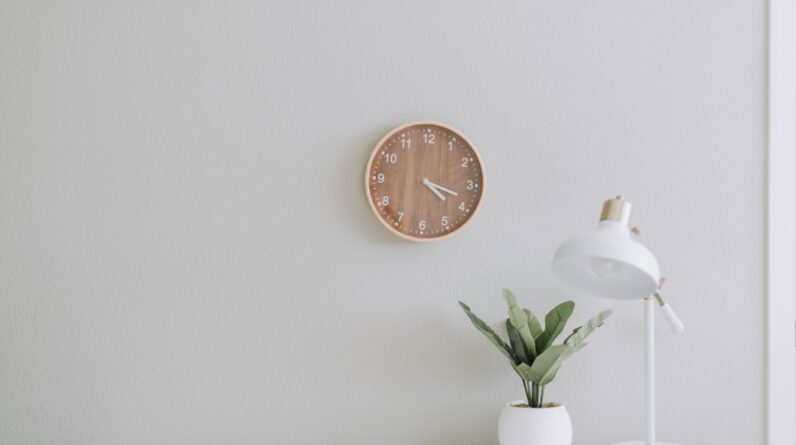
Embracing minimalism is more than just a design choice; it’s a lifestyle that encourages you to declutter both your physical and mental space. When you adopt a minimalist approach, you begin to prioritize what truly matters, allowing you to create an environment that fosters tranquility and peace. You might start by evaluating your belongings, asking yourself which items bring you joy and which merely take up space.
By letting go of the excess, you can cultivate a serene atmosphere that invites calmness into your life. In a minimalist space, every piece serves a purpose, and each item is thoughtfully chosen. You may find that open spaces and clean lines create a sense of freedom and clarity.
The absence of clutter allows your mind to breathe, making it easier to focus on the present moment. As you curate your surroundings, consider incorporating multifunctional furniture that maximizes utility while maintaining simplicity. This way, you can enjoy a tranquil space that not only looks beautiful but also enhances your daily life.
Key Takeaways
- Minimalism creates a tranquil space by reducing clutter and promoting simplicity.
- Bringing natural elements indoors, such as plants and natural materials, can help create a calming environment.
- Mindful color choices, such as soft blues and greens, can harness the power of calm hues to promote relaxation.
- Functional and organized spaces can streamline the home for serenity and peace of mind.
- Embracing soft textures and relaxing fabrics can create a cozy and comfortable atmosphere for relaxation.
Natural Elements: Bringing the Outdoors In
Bringing Life into Your Space with Plants
You might consider adding plants, which not only purify the air but also bring a vibrant touch of life into your space. The presence of greenery can evoke feelings of calmness and rejuvenation, reminding you of the beauty found in nature.
Transforming Your Environment with Natural Materials
In addition to plants, incorporating natural materials such as wood, stone, and textiles can further enhance the organic feel of your home. You may choose wooden furniture with a raw finish or stone accents that ground the space. These materials not only add texture but also create a warm and inviting atmosphere.
Cultivating Harmony and Balance
By surrounding yourself with elements that reflect the beauty of the outdoors, you can cultivate a sense of harmony and balance within your living space. Whether it’s a small succulent on your desk or a tall fiddle leaf fig in the corner, these living elements can transform your environment into a sanctuary.
Mindful Color Choices: Harnessing the Power of Calm Hues
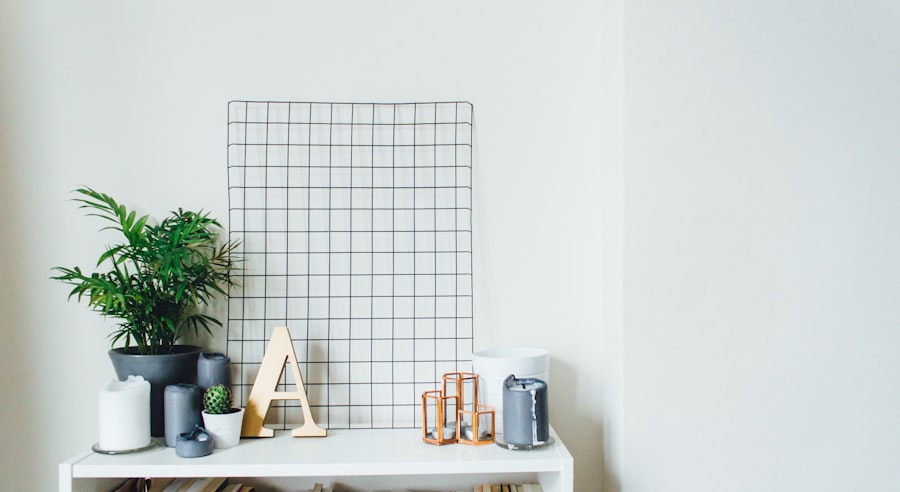
The colors you choose for your home can have a profound impact on your mood and overall well-being. When selecting hues for your space, consider opting for soft, muted tones that promote relaxation and tranquility. Shades of blue, green, and neutral earth tones can create a soothing backdrop that encourages a sense of calm.
You might find that painting your walls in these gentle colors helps to create an environment where stress melts away and serenity prevails. In addition to wall colors, think about how you can incorporate these calming hues through decor and furnishings. Soft textiles in pastel shades or earthy tones can enhance the peaceful ambiance you’re striving for.
You may also want to experiment with accent pieces that introduce subtle pops of color without overwhelming the senses. By being mindful of your color choices, you can create a cohesive and harmonious space that nurtures relaxation and promotes mental clarity.
Functional and Organized: Streamlining for Serenity
A well-organized space is essential for fostering a sense of serenity in your home. When everything has its place, you can move through your daily routines with ease and clarity. You might start by decluttering each room, removing items that no longer serve a purpose or bring you joy.
As you streamline your belongings, consider investing in storage solutions that keep your space tidy while maintaining an aesthetic appeal. Baskets, shelves, and decorative boxes can help you stay organized without sacrificing style. In addition to decluttering, think about how you can design functional spaces that cater to your lifestyle.
For instance, if you enjoy cooking, ensure your kitchen is equipped with tools and utensils that are easily accessible yet neatly stored away. By creating designated areas for specific activities, you can enhance both efficiency and tranquility in your home. A well-organized environment allows you to focus on what truly matters, reducing distractions and promoting a sense of calm.
Cozy Comfort: Embracing Soft Textures and Relaxing Fabrics
Creating a cozy atmosphere in your home is essential for promoting relaxation and comfort. You might consider incorporating soft textures through cushions, throws, and rugs that invite you to unwind after a long day. Fabrics such as cotton, linen, and wool can add warmth and tactile pleasure to your space, making it feel inviting and nurturing.
As you layer different textures throughout your home, you’ll find that they contribute to an overall sense of comfort that encourages you to slow down and enjoy the moment. In addition to textiles, think about how furniture choices can enhance the cozy vibe of your home. A plush sofa or an oversized armchair can become your favorite spot for reading or meditating.
You may also want to create cozy nooks with soft lighting and comfortable seating where you can retreat for quiet reflection or relaxation. By prioritizing comfort in your design choices, you’ll cultivate an environment that feels like a warm embrace, inviting you to relax and recharge.
Personalized Zen: Incorporating Meditation and Relaxation Areas
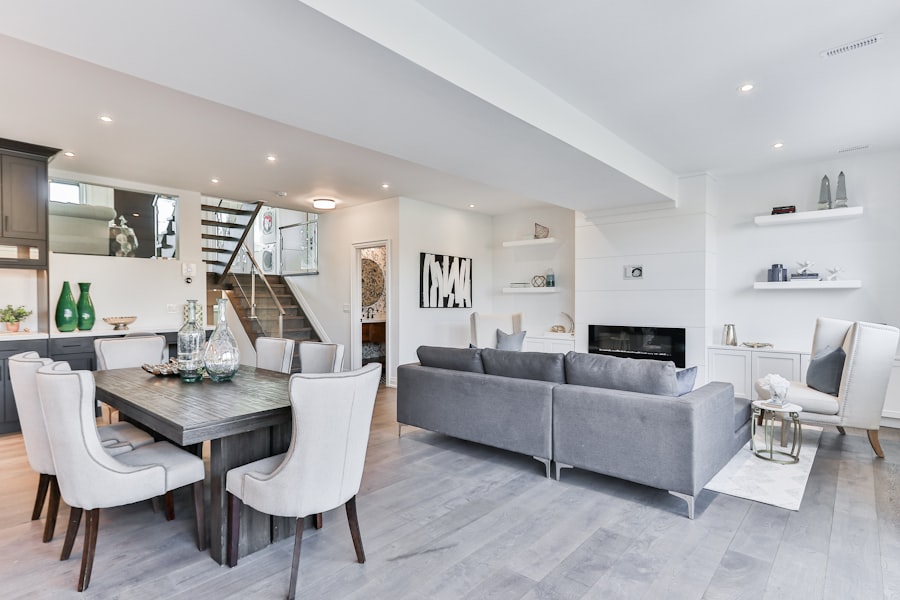
Designing dedicated spaces for meditation and relaxation can significantly enhance your well-being. You might carve out a corner in your home where you can practice mindfulness or simply unwind with a good book. Consider adding elements such as cushions or mats that provide comfort during meditation sessions.
Surrounding yourself with calming decor—like candles or soothing artwork—can further enhance this tranquil area, making it an inviting retreat from the chaos of daily life. In addition to meditation corners, think about how you can create spaces for other forms of relaxation. Perhaps a reading nook with soft lighting and plush seating would be ideal for curling up with a novel.
Or maybe an outdoor area with comfortable seating could serve as a peaceful escape where you can enjoy fresh air and nature’s beauty. By personalizing these spaces to suit your preferences, you’ll cultivate an environment that nurtures relaxation and encourages self-care.
Lighting for Serenity: Utilizing Soft, Ambient Illumination
The right lighting can dramatically influence the mood of your home. To create a serene atmosphere, consider incorporating soft, ambient lighting that promotes relaxation rather than harsh overhead fixtures. You might opt for table lamps with warm bulbs or string lights that cast a gentle glow throughout the room.
Dimmer switches are also an excellent addition, allowing you to adjust the brightness according to the time of day or activity. Natural light is another crucial element in creating a tranquil space. You may want to maximize sunlight by keeping windows unobstructed or using sheer curtains that allow light to filter through while maintaining privacy.
The interplay between natural light and soft artificial lighting can create a harmonious balance that enhances the overall ambiance of your home. By being intentional about your lighting choices, you’ll foster an environment that feels peaceful and inviting.
Mindful Decor: Selecting Pieces that Promote Peace and Relaxation
When it comes to decor, choosing pieces that resonate with tranquility is essential for creating a peaceful environment. You might consider incorporating artwork that evokes calmness—such as landscapes or abstract pieces in soothing colors—that speaks to your personal taste while promoting relaxation. Additionally, decorative items like crystals or natural sculptures can serve as focal points that inspire serenity within your space.
As you curate your decor, think about how each piece contributes to the overall atmosphere of your home. Avoid overcrowding surfaces with knick-knacks; instead, select a few meaningful items that bring joy and promote peace. This mindful approach to decor not only enhances the aesthetic appeal of your space but also reinforces the tranquil vibe you’re striving for.
By surrounding yourself with thoughtfully chosen pieces, you’ll create an environment that nurtures relaxation and encourages mindfulness in everyday life. In conclusion, creating a tranquil space involves thoughtful consideration of various elements—from minimalism and natural elements to mindful color choices and cozy textures. By embracing these principles in your home design, you can cultivate an environment that promotes peace and relaxation while reflecting your personal style.
As you embark on this journey toward serenity, remember that every small change contributes to a more harmonious living space where you can thrive both mentally and emotionally.
FAQs
What are contemporary interiors?
Contemporary interiors refer to the design style that is popular and used in the present time. It often features clean lines, minimalism, and a focus on open spaces and natural light.
How do contemporary interiors create a sense of calmness?
Contemporary interiors create a sense of calmness through the use of neutral color palettes, minimalistic furniture and decor, and an emphasis on open and uncluttered spaces. These elements help to create a serene and peaceful atmosphere.
What are some common elements of serene sanctuaries in contemporary interiors?
Common elements of serene sanctuaries in contemporary interiors include natural materials such as wood and stone, soft and comfortable furnishings, ample natural light, and a focus on creating a sense of openness and tranquility.
How can one incorporate serene sanctuary elements into their own home?
To incorporate serene sanctuary elements into their own home, individuals can focus on decluttering and organizing their space, using a neutral color palette, incorporating natural materials and textures, and adding elements that promote relaxation and comfort, such as cozy seating areas and soft lighting.
What are some popular color choices for creating a serene sanctuary in contemporary interiors?
Popular color choices for creating a serene sanctuary in contemporary interiors include soft neutrals such as white, beige, and gray, as well as muted pastel tones like pale blue, lavender, and sage green. These colors help to create a calming and soothing atmosphere.


