



Universal Design is a concept that transcends mere accessibility; it embodies the philosophy of creating environments, products, and services that are usable by all people, regardless of their age, ability, or status. As you navigate through your daily life, you may not always notice the subtle ways in which design impacts your experience. However, when you encounter spaces or products that are thoughtfully designed with inclusivity in mind, you can appreciate the ease and comfort they provide.
The principles of Universal Design aim to eliminate barriers and foster an environment where everyone can thrive, enhancing the quality of life for all individuals. In a world that is increasingly diverse, the importance of Universal Design cannot be overstated. It encourages designers, architects, and product developers to think beyond traditional norms and consider the wide range of human experiences.
By embracing this approach, you can contribute to a society that values inclusivity and accessibility. Whether you are designing a public space, developing a new app, or simply rearranging your home, understanding the principles of Universal Design can help you create solutions that cater to a broader audience. This article will delve into the seven key principles of Universal Design, providing insights into how they can be applied in various contexts.
Key Takeaways
- Universal Design aims to create products and environments that are accessible and usable by all people, regardless of age, ability, or status.
- Principle 1: Equitable Use emphasizes the importance of designing products that are accessible to people with diverse abilities.
- Principle 2: Flexibility in Use focuses on designing products that can accommodate a wide range of individual preferences and abilities.
- Principle 3: Simple and Intuitive Use highlights the need for products to be easy to understand and operate, regardless of the user’s experience, knowledge, language skills, or current concentration level.
- Principle 4: Perceptible Information stresses the importance of designing products that communicate necessary information effectively to the user, regardless of ambient conditions or the user’s sensory abilities.
Principle 1: Equitable Use
Equitable Use is the first principle of Universal Design, emphasizing that designs should be useful and marketable to people with diverse abilities. When you think about equitable use, consider how a product or service can be beneficial to everyone, regardless of their physical or cognitive capabilities. For instance, when you enter a building equipped with automatic doors, you may not realize that this feature is designed to assist individuals with mobility challenges.
By ensuring that all users have equal access to facilities and services, you create an environment where everyone feels welcome and valued. This principle also extends to the way information is presented. Imagine a website that offers content in multiple formats—text, audio, and video—allowing users to choose the method that best suits their needs.
By providing options that cater to different preferences and abilities, you enhance the overall user experience. Equitable use fosters a sense of belonging and encourages participation from all individuals, ultimately leading to a more inclusive society.
Principle 2: Flexibility in Use
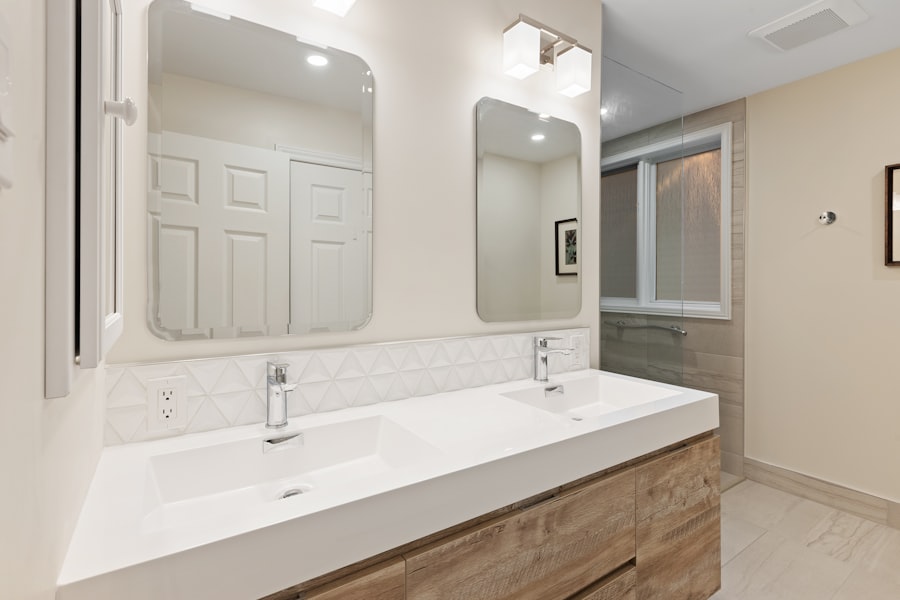
Flexibility in Use is about accommodating a wide range of individual preferences and abilities. When you design with flexibility in mind, you allow users to engage with a product or service in a way that suits their unique needs. For example, consider a kitchen that features adjustable countertops and cabinets.
This design choice enables individuals of varying heights and abilities to comfortably access cooking tools and ingredients. By incorporating flexibility into your designs, you empower users to tailor their experiences according to their personal requirements. Moreover, flexibility in use can also manifest in technology.
Think about software applications that allow users to customize their interfaces or workflows. By providing options for personalization, you enable individuals to work in ways that are most effective for them. This principle not only enhances usability but also fosters creativity and innovation.
When users feel empowered to adapt their environments or tools to suit their needs, they are more likely to engage fully and contribute meaningfully.
Principle 3: Simple and Intuitive Use
Simplicity and intuitiveness are crucial components of effective design. When you create products or environments that are easy to understand and navigate, you reduce the cognitive load on users. Imagine walking into a public space where signage is clear and straightforward; you can quickly find your way without confusion or frustration.
This principle emphasizes the importance of designing experiences that are self-explanatory and require minimal effort to use. Incorporating simple and intuitive design can also enhance learning experiences. For instance, educational tools that present information in a clear and engaging manner can significantly improve comprehension and retention.
When you design with simplicity in mind, you create an environment where users can focus on the task at hand rather than struggling with complex instructions or confusing layouts. This principle not only benefits individuals with cognitive challenges but also enhances the experience for everyone.
Principle 4: Perceptible Information
Perceptible Information refers to the design’s ability to communicate necessary information effectively to all users, regardless of their sensory abilities. When you think about this principle, consider how information is presented through various channels—visual, auditory, tactile, or even olfactory. For example, a public transportation system that provides audio announcements alongside visual displays ensures that both sighted and visually impaired passengers can access essential information about routes and schedules.
Incorporating perceptible information into your designs fosters inclusivity by ensuring that no one is left out due to sensory limitations. Imagine a museum exhibit that includes braille descriptions alongside written text and audio guides; this approach allows visitors with different sensory preferences to engage fully with the content. By prioritizing perceptible information in your designs, you create an environment where everyone can access vital information seamlessly.
Principle 5: Tolerance for Error
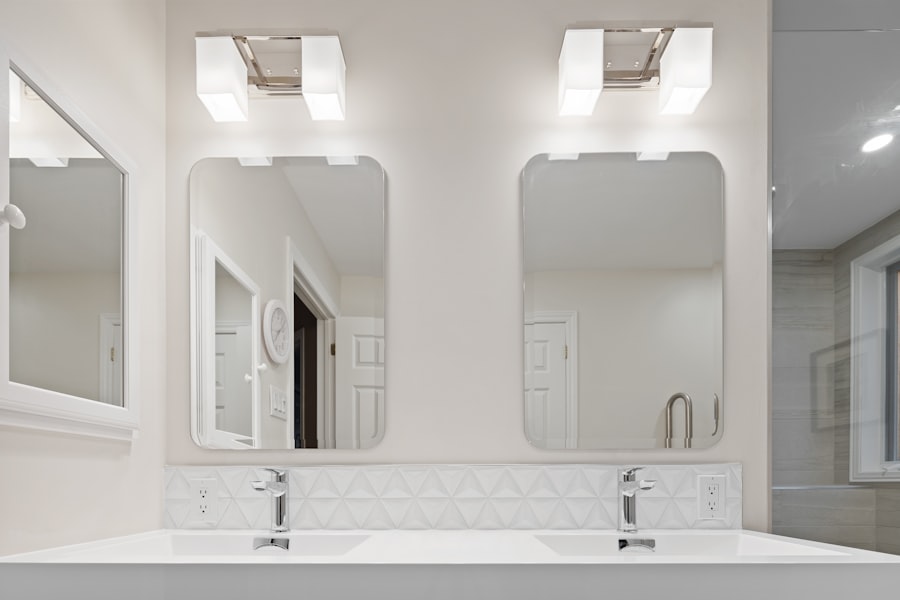
Designing with a tolerance for error means creating systems that minimize the consequences of mistakes while allowing users to recover easily from them. When you think about this principle, consider how frustrating it can be when a small error leads to significant setbacks. For instance, in software applications, features like “undo” buttons or confirmation prompts help prevent irreversible actions and provide users with a safety net.
By incorporating these elements into your designs, you empower users to explore without fear of making mistakes. This principle is particularly important in high-stakes environments such as healthcare or aviation, where errors can have serious consequences. Designing systems that anticipate potential mistakes and provide clear pathways for correction enhances user confidence and promotes safety.
When you create environments that acknowledge human fallibility and offer support for recovery, you foster a culture of learning and resilience.
Principle 6: Low Physical Effort
Low Physical Effort emphasizes the importance of designing products and environments that require minimal physical exertion from users. When you think about this principle, consider how exhausting it can be to navigate spaces that demand excessive physical effort—such as heavy doors or steep stairs. By incorporating features like ramps, lever handles, or automatic doors into your designs, you create an environment that is accessible to individuals of all abilities.
This principle also extends to everyday tasks within your home or workplace. Imagine kitchen appliances designed for ease of use—such as lightweight pots or ergonomic tools—that reduce strain on your body while cooking or cleaning. By prioritizing low physical effort in your designs, you enhance comfort and usability for everyone, promoting independence and well-being.
Principle 7: Size and Space for Approach and Use
The final principle of Universal Design focuses on providing adequate size and space for approach and use by all individuals. When you consider this principle, think about how important it is for people to have enough room to maneuver comfortably within a space. For example, wide hallways and doorways accommodate individuals using wheelchairs or strollers while ensuring that everyone can navigate freely without feeling cramped.
In addition to physical space, this principle also encompasses the arrangement of furniture and equipment within an environment. Imagine an office layout designed with ample space between desks; this not only promotes collaboration but also allows individuals to move around without obstruction. By prioritizing size and space in your designs, you create environments that are welcoming and functional for everyone.
In conclusion, Universal Design is not just about compliance with regulations; it is about fostering inclusivity and enhancing the quality of life for all individuals. By understanding and applying the seven principles of Universal Design—Equitable Use, Flexibility in Use, Simple and Intuitive Use, Perceptible Information, Tolerance for Error, Low Physical Effort, and Size and Space for Approach and Use—you can contribute to creating spaces and products that truly serve everyone. As you move forward in your design endeavors, remember that thoughtful consideration of these principles can lead to innovative solutions that benefit society as a whole.
FAQs
What is Universal Design?
Universal Design is the design and composition of an environment so that it can be accessed, understood, and used to the greatest extent possible by all people regardless of their age, size, ability, or disability.
What are the key principles of Universal Design?
The key principles of Universal Design include equitable use, flexibility in use, simple and intuitive use, perceptible information, tolerance for error, low physical effort, and size and space for approach and use.
How are the principles of Universal Design applied in interior spaces?
In interior spaces, the principles of Universal Design are applied through features such as wide doorways and hallways, lever-style door handles, adjustable-height countertops, non-slip flooring, well-placed lighting, and accessible storage options. These features aim to make the space usable and accessible for people of all abilities.


