


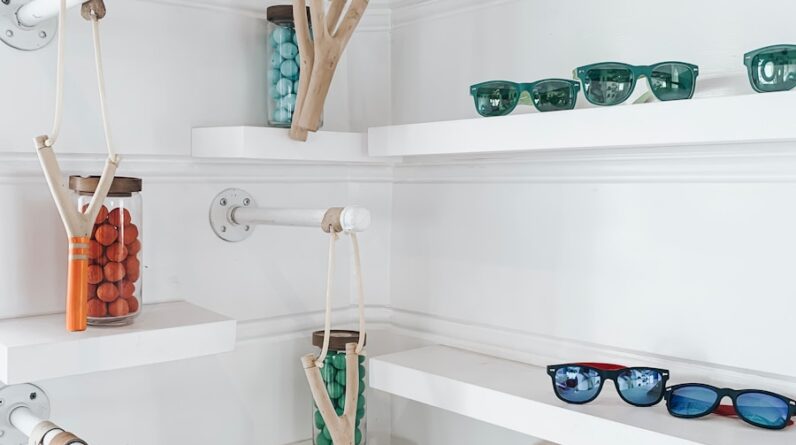
Open shelving has become a popular choice in modern interior design, and for good reason. One of the most significant benefits of open shelving is its ability to create a sense of openness and airiness in a space. When you opt for open shelves, you allow light to flow freely, making your room feel larger and more inviting.
This is particularly advantageous in smaller areas where every inch counts. By eliminating bulky cabinets and doors, you can transform a cramped kitchen or living room into a bright, welcoming environment that encourages social interaction and creativity. Moreover, open shelving provides an excellent opportunity for personal expression.
You can showcase your favorite dishes, books, or decorative items, turning your shelves into a curated gallery that reflects your personality and style. This not only adds character to your space but also makes it easier for you to access your belongings. You can quickly grab what you need without rummaging through closed cabinets, which can be especially beneficial when entertaining guests or cooking.
The visual appeal of open shelving can also inspire you to keep your items organized and aesthetically pleasing, as they are always on display.
Key Takeaways
- Open shelving allows for easy access to items and creates an open and airy feel in a space.
- Open shelving can lead to clutter and requires frequent dusting and organizing to maintain a tidy appearance.
- Concealed storage helps keep spaces clutter-free and maintains a clean and streamlined look.
- Concealed storage can lead to items being forgotten or lost, and may require more effort to access items.
- Striking a balance between open shelving and concealed storage can create a visually appealing and functional space.
The Drawbacks of Open Shelving for Display
Dust Accumulation and Maintenance
One of the primary challenges of open shelving is the accumulation of dust and grime. Since items are exposed to the open air, they are more susceptible to dust, which means regular cleaning is necessary to maintain a clean and organized appearance. This can be a significant consideration for those with busy lifestyles or allergies, as the maintenance required may feel overwhelming at times.
The Risk of Clutter
Another concern with open shelving is the risk of clutter. While it can be tempting to display all your favorite items, too many objects can create a chaotic look rather than a curated one. This can lead to frustration and dissatisfaction with your space, making it essential to strike a balance between display and storage.
Practical Considerations
Open shelving may not be suitable for every household. For example, if you have young children or pets, the risk of items being knocked over or broken increases significantly. Therefore, it’s crucial to weigh the potential drawbacks of open shelving carefully before deciding if it’s the right choice for your home.
The Advantages of Concealed Storage for Clutter-free Spaces
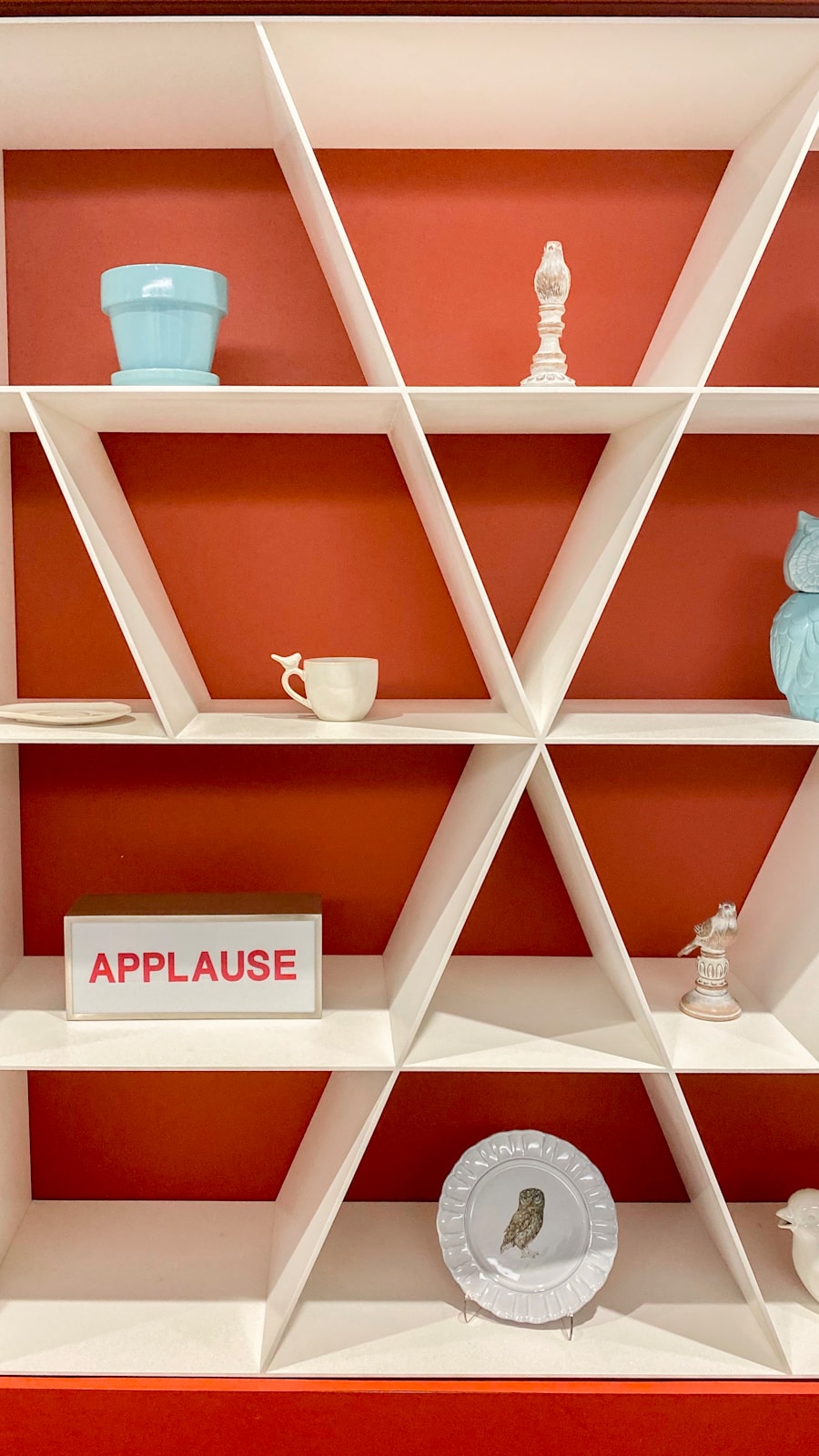
Concealed storage offers a practical solution for those who prioritize organization and tidiness in their homes. One of the most significant advantages of concealed storage is its ability to hide clutter effectively. By placing items behind closed doors, you can create a clean and streamlined look that promotes a sense of calm and order.
This is particularly beneficial in high-traffic areas like kitchens and living rooms, where visual clutter can quickly become overwhelming. Additionally, concealed storage allows for greater flexibility in how you organize your belongings. You can customize cabinets and drawers to fit your specific needs, ensuring that everything has its designated place.
This not only makes it easier to find what you need but also encourages you to keep your space tidy. With concealed storage, you can store away seasonal items or less frequently used belongings without sacrificing accessibility. This versatility makes it an ideal choice for families or individuals who require efficient organization solutions.
The Disadvantages of Concealed Storage for Clutter-free Spaces
While concealed storage has its perks, it also presents some challenges that you should consider before committing to this style. One notable disadvantage is the potential for forgetfulness regarding what you have stored away. When items are hidden behind closed doors, it’s easy to lose track of them, leading to unnecessary purchases or duplicate items.
This can be particularly frustrating when you’re trying to maintain an organized space; if you can’t see what you have, it becomes difficult to manage your belongings effectively. Moreover, concealed storage can sometimes create a sterile or impersonal atmosphere in your home. While it may help keep things tidy, it can also lead to a lack of character and warmth in your space.
If everything is hidden away, you may miss out on opportunities to showcase your personality through decor and personal items. Striking the right balance between functionality and aesthetics is crucial; too much concealed storage can make your home feel more like a showroom than a lived-in space.
Tips for Striking a Balance Between Open Shelving and Concealed Storage
Finding the right balance between open shelving and concealed storage is essential for creating a functional yet stylish home. One effective strategy is to designate specific areas for each type of storage based on their purpose. For instance, consider using open shelves in areas where you want to display decorative items or frequently used kitchenware while reserving concealed storage for less frequently accessed items or those that contribute to clutter.
This approach allows you to enjoy the benefits of both styles without compromising on organization. Another tip is to curate your open shelving thoughtfully. Instead of filling every inch with items, choose a few key pieces that reflect your style and personality.
This not only keeps the shelves looking organized but also allows you to change out decor seasonally or whenever you feel inspired. Additionally, consider incorporating baskets or decorative boxes on open shelves; these can serve as both functional storage solutions and decorative elements that help maintain a tidy appearance.
Creative Ways to Incorporate Both Open Shelving and Concealed Storage
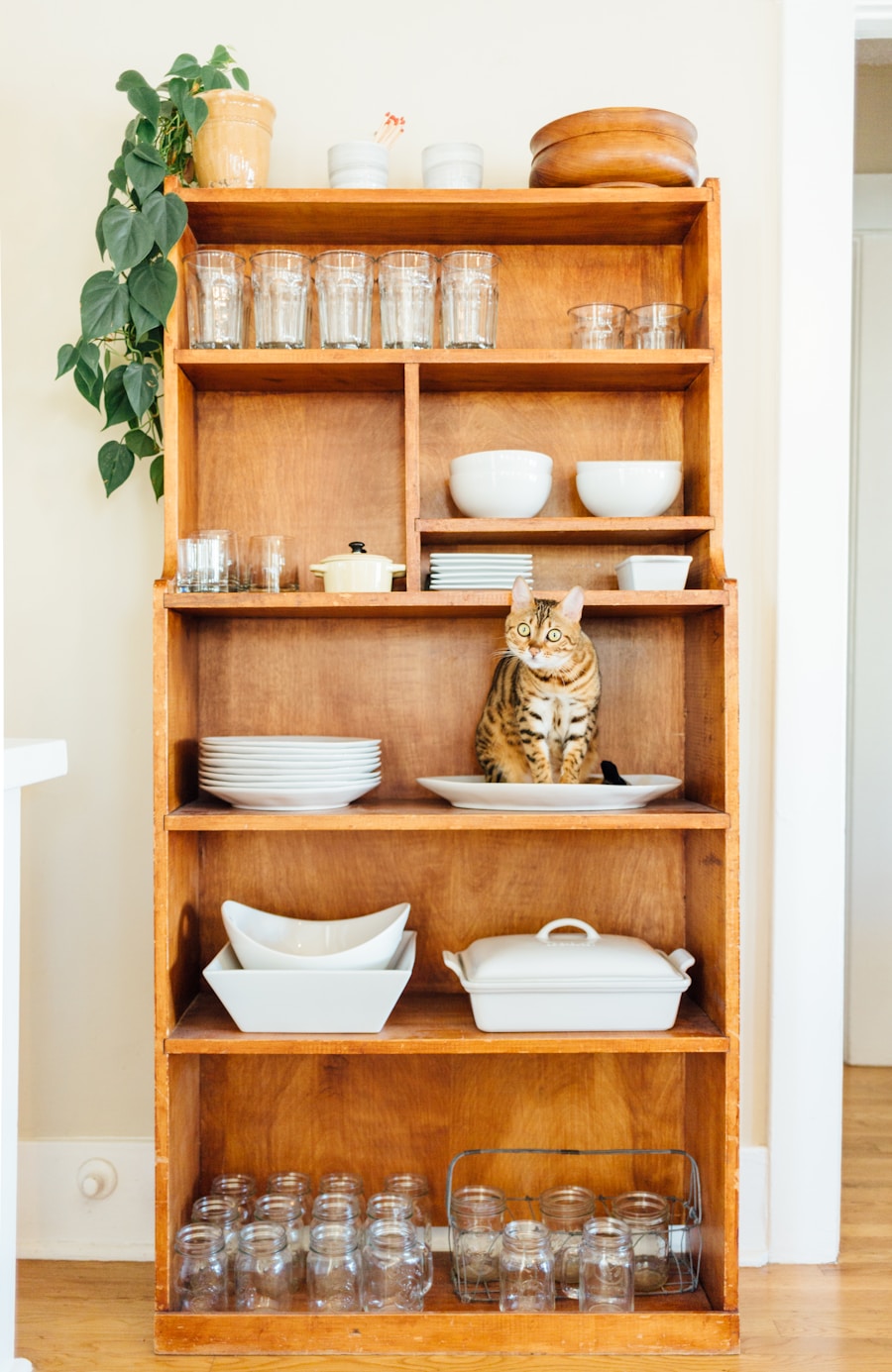
Incorporating both open shelving and concealed storage into your home doesn’t have to be a daunting task; with a little creativity, you can achieve a harmonious blend of both styles. One innovative approach is to use a combination of cabinets with glass doors alongside open shelves. This allows you to display beautiful items while keeping others hidden away, striking the perfect balance between visibility and organization.
Another creative solution is to utilize multifunctional furniture pieces that offer both open and concealed storage options. For example, consider investing in an entertainment center that features open shelves for displaying books or decorative items while providing closed compartments for storing media equipment or games. This not only maximizes space but also adds visual interest to your room by combining different storage styles seamlessly.
Organizational Strategies for Maintaining a Clutter-free Space
To maintain a clutter-free space that effectively utilizes both open shelving and concealed storage, implementing organizational strategies is key. Start by regularly assessing your belongings; decluttering is essential for keeping both types of storage functional and visually appealing. Set aside time each season to evaluate what you truly need and use, donating or discarding items that no longer serve a purpose in your life.
Additionally, consider using labels or clear containers within concealed storage areas to help you easily identify what’s inside without having to dig through everything. For open shelving, establish a system for arranging items by category or color; this not only enhances visual appeal but also makes it easier for you to find what you need quickly. By adopting these strategies, you’ll create an organized environment that feels both inviting and functional.
Finding the Right Balance for Your Personal Style and Needs
Ultimately, finding the right balance between open shelving and concealed storage comes down to understanding your personal style and needs. Take some time to reflect on how you use your space daily; this will help guide your decisions regarding storage solutions. If you enjoy showcasing personal items and have the time to maintain them, open shelving may be more suitable for you.
Conversely, if you prefer a clean and minimalist aesthetic with less maintenance, concealed storage might be the better option. Remember that there’s no one-size-fits-all solution; it’s about creating a space that feels comfortable and functional for you. Don’t hesitate to experiment with different arrangements until you find what works best for your lifestyle.
By thoughtfully combining both open shelving and concealed storage, you can create an inviting home that reflects your unique personality while remaining organized and clutter-free.
FAQs
What are the benefits of open shelving for display?
Open shelving allows for easy access to items, creates an open and airy feel in a space, and provides an opportunity to showcase decorative items and personal collections.
What are the advantages of concealed storage for clutter-free spaces?
Concealed storage helps maintain a clean and organized look, keeps clutter out of sight, and provides a place to store items that may not be visually appealing.
How can I strike a balance between open shelving and concealed storage?
To strike a balance, consider using open shelving for displaying decorative items and concealed storage for everyday items and clutter. Utilize a mix of both options to create a visually appealing and functional space.
What are some tips for maintaining a clutter-free space with open shelving?
To maintain a clutter-free space with open shelving, regularly edit and rotate the items on display, use baskets or bins for organizing smaller items, and avoid overcrowding the shelves.
What are some popular design trends for incorporating open shelving and concealed storage?
Popular design trends include using open shelving to display plants, artwork, and kitchenware, while incorporating concealed storage in the form of built-in cabinets, drawers, and hidden compartments.


