


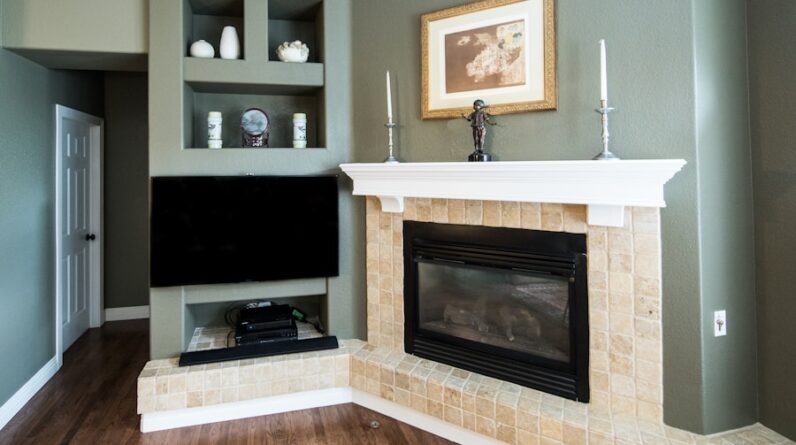
When it comes to transforming a space, the expertise of an interior design service can be invaluable. You may find yourself overwhelmed by the myriad of choices available, from color palettes to furniture styles. Hiring a professional can alleviate this stress, allowing you to focus on what truly matters—creating a space that reflects your personality and meets your functional needs.
An interior designer brings a wealth of knowledge and experience to the table, ensuring that your vision is not only realized but enhanced through their creative insights. Moreover, an interior design service can save you time and money in the long run. You might think that taking on the project yourself will be more cost-effective, but without the right expertise, you could end up making costly mistakes.
A designer knows how to source materials and furnishings that fit your budget while still achieving a high-quality look. They can also help you avoid common pitfalls, such as poor space planning or mismatched styles, which can lead to dissatisfaction with the final result. By investing in professional help, you are setting yourself up for success.
Key Takeaways
- Hiring an interior design service is important for creating a cohesive and well-designed space that reflects your personal style and meets your needs.
- When looking for an interior design service in Farmington Hills Michigan, it’s important to consider their experience, portfolio, and client reviews to ensure they are the right fit for your project.
- Working with a professional interior designer can bring numerous benefits, including access to industry resources, expertise in space planning, and the ability to create a unique and personalized design.
- Collaborating with an interior designer for your home or business involves clear communication, sharing your vision and goals, and being open to their professional advice and suggestions.
- The process of interior design from concept to completion involves several stages, including initial consultation, space planning, design development, and project management.
- Incorporating your personal style into the design is essential for creating a space that feels authentic and reflects your personality and preferences.
- Budgeting and planning for your interior design project is crucial for ensuring that the design meets your financial constraints and is completed within a reasonable timeframe.
- The impact of interior design on your home or business can be significant, influencing the atmosphere, functionality, and overall experience of the space for both residents and visitors.
Finding the Right Interior Design Service in Farmington Hills, Michigan
Finding the right interior design service in Farmington Hills requires careful consideration and research. Start by identifying your specific needs and preferences. Are you looking for a complete overhaul of your home, or do you simply want to refresh a few rooms?
Understanding your goals will help you narrow down your options. Once you have a clear idea of what you want, begin searching for local designers who specialize in your desired style, whether it be modern, traditional, or eclectic. As you explore potential designers, take the time to review their portfolios and client testimonials.
This will give you insight into their design aesthetic and how well they communicate with clients. You may also want to schedule initial consultations with a few candidates to discuss your project and gauge their understanding of your vision. During these meetings, pay attention to how they listen to your ideas and whether they offer constructive feedback.
A good designer should not only be able to execute your vision but also enhance it with their expertise.
The Benefits of Working with a Professional Interior Designer
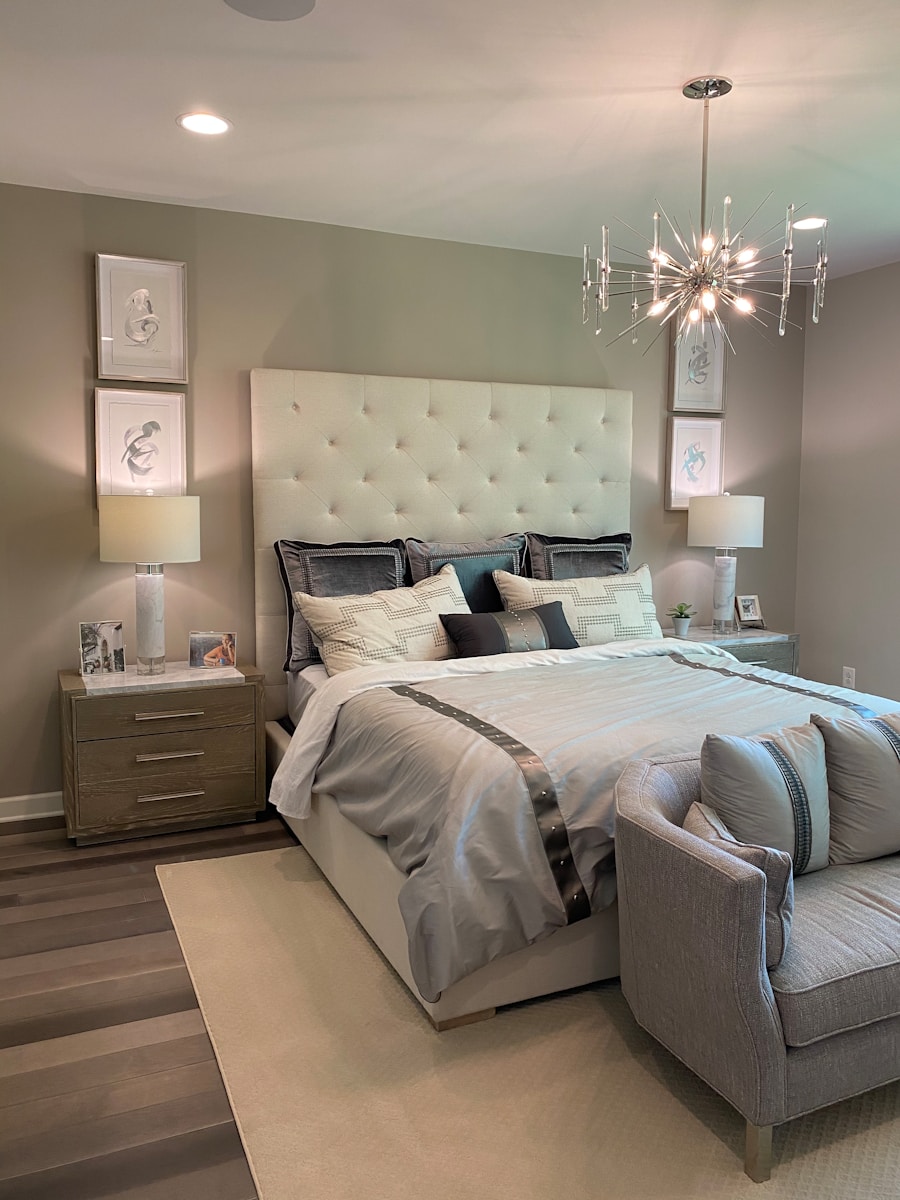
Collaborating with a professional interior designer offers numerous benefits that extend beyond aesthetics. One of the most significant advantages is their ability to create functional spaces tailored to your lifestyle. Whether you are designing a cozy family room or an efficient office space, a designer will consider how you use the area daily and ensure that it meets your needs.
This thoughtful approach can lead to improved comfort and productivity in your home or business. Additionally, working with a designer can open up a world of resources that you may not have access to on your own. They often have established relationships with suppliers and contractors, which can lead to better pricing and exclusive access to unique materials and furnishings.
This insider knowledge can elevate your project, giving it a polished look that reflects current trends while remaining timeless. Furthermore, a designer can help you navigate the complexities of building codes and regulations, ensuring that your project complies with local standards.
How to Collaborate with an Interior Designer for Your Home or Business
Effective collaboration with an interior designer is key to achieving the desired outcome for your space. Start by establishing clear communication from the outset. Share your ideas, preferences, and any specific requirements you may have.
This open dialogue will help the designer understand your vision and create a design that aligns with your expectations. Be prepared to discuss your budget and timeline as well; transparency in these areas will facilitate smoother planning and execution. Throughout the design process, remain engaged and provide feedback on proposed concepts.
Your input is crucial in refining the design and ensuring it resonates with your personal style. However, it’s also important to trust the designer’s expertise; they may suggest alternatives that you hadn’t considered but could ultimately enhance the overall look and functionality of the space. By striking a balance between collaboration and trust, you can create a harmonious working relationship that leads to a successful project.
The Process of Interior Design from Concept to Completion
The journey of interior design typically unfolds in several stages, each crucial for bringing your vision to life. Initially, the process begins with an in-depth consultation where the designer gathers information about your preferences, lifestyle, and goals for the space. This stage often includes discussions about color schemes, furniture styles, and any specific elements you wish to incorporate.
The designer may also take measurements and assess the existing layout to inform their planning. Once the initial consultation is complete, the designer will move on to creating concept boards or sketches that visualize their ideas for your space. This is where you’ll see how different elements come together, allowing for adjustments based on your feedback.
After finalizing the design concept, the next phase involves sourcing materials, furnishings, and accessories. The designer will coordinate deliveries and oversee installations, ensuring that everything aligns with the agreed-upon timeline. Finally, once all elements are in place, a final walkthrough will allow you to see the completed project and make any last-minute adjustments.
Incorporating Your Personal Style into the Design
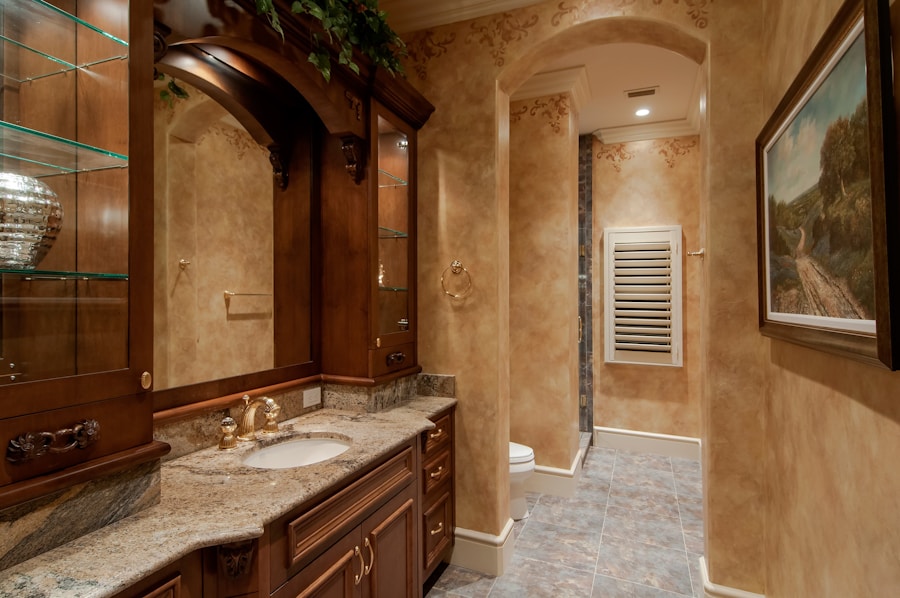
Your personal style is what makes your space uniquely yours, and an interior designer can help you express that through thoughtful design choices. To begin this process, consider creating a mood board that reflects your tastes—include images of colors, textures, furniture styles, and decor items that resonate with you. Sharing this board with your designer will provide them with valuable insight into your aesthetic preferences.
As the design progresses, don’t hesitate to voice any specific items or themes that hold personal significance for you. Whether it’s a family heirloom or artwork from a favorite trip, incorporating these elements can add depth and character to your space. A skilled designer will know how to blend these personal touches seamlessly into the overall design while maintaining balance and cohesion throughout the room.
Budgeting and Planning for Your Interior Design Project
Budgeting is one of the most critical aspects of any interior design project. Before diving into the design process, take some time to outline your financial parameters clearly. Consider not only the cost of furnishings and materials but also potential expenses related to labor, permits, or unexpected changes during the project.
Having a well-defined budget will help guide both you and your designer in making informed decisions throughout the process. Once you have established a budget, communicate it openly with your designer. They can help prioritize elements based on what’s most important to you while ensuring that costs remain manageable.
Additionally, be prepared for some flexibility; sometimes unexpected expenses arise or certain materials may be more costly than anticipated. A good designer will work with you to find alternatives that align with your budget without compromising quality or style.
The Impact of Interior Design on Your Home or Business
The impact of thoughtful interior design extends far beyond aesthetics; it can significantly influence mood, productivity, and overall well-being in both homes and businesses. In residential spaces, well-designed interiors can create an atmosphere of comfort and relaxation, making it easier for you to unwind after a long day. Thoughtful layouts can also enhance functionality, allowing for smoother daily routines.
In commercial settings, effective interior design plays a crucial role in shaping customer experiences and employee satisfaction. A well-designed office can boost productivity by providing employees with an inspiring environment that fosters creativity and collaboration. Similarly, businesses that prioritize customer experience through thoughtful design are more likely to attract repeat customers who feel comfortable and welcomed in their space.
Ultimately, investing in quality interior design is an investment in enhancing both personal satisfaction at home and success in business endeavors.
FAQs
What is interior design?
Interior design is the art and science of enhancing the interior of a space to achieve a healthier and more aesthetically pleasing environment for the people using the space.
What does an interior design service in Farmington Hills, Michigan offer?
An interior design service in Farmington Hills, Michigan offers a range of services including space planning, furniture selection, color consultation, lighting design, and overall aesthetic enhancement of interior spaces.
Why should I hire an interior design service?
Hiring an interior design service can help you achieve a cohesive and well-designed space that reflects your personal style and meets your functional needs. Professional designers have the expertise to create a space that is both beautiful and functional.
How do I choose the right interior design service in Farmington Hills, Michigan?
When choosing an interior design service, consider their portfolio, experience, and style. It’s important to find a designer whose aesthetic aligns with your own and who has a track record of successful projects.
What is the process of working with an interior design service?
The process of working with an interior design service typically involves an initial consultation, development of a design concept, presentation of design options, selection of materials and furnishings, and implementation of the design plan.
What are the benefits of hiring an interior design service?
Hiring an interior design service can save you time and money by helping you avoid costly design mistakes. Designers also have access to resources and products that may not be readily available to the general public, and can often secure discounts on furnishings and materials.


