


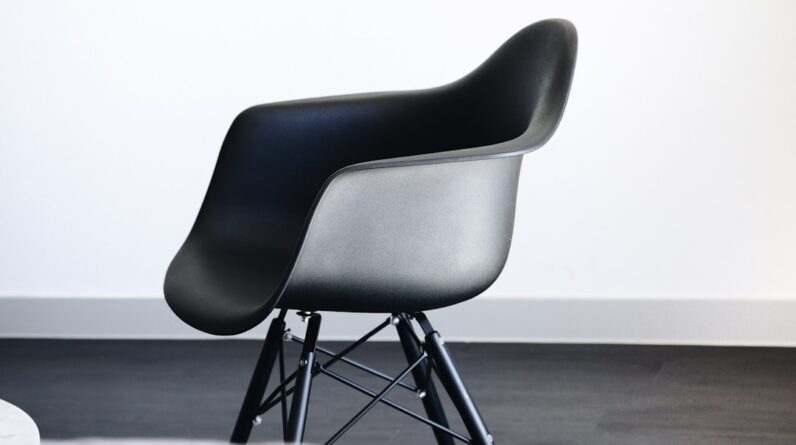
When it comes to creating a comfortable and functional living environment, maximizing space is essential. You may find that your home feels cramped or cluttered, which can lead to stress and discomfort. To combat this, consider the layout of your rooms and how you can rearrange furniture or repurpose areas to create a more open and inviting atmosphere.
For instance, you might want to evaluate the flow of movement in your space. By strategically placing furniture, you can create pathways that make the area feel larger and more accessible. Additionally, think about vertical space.
Often, we overlook the potential of our walls. Installing shelves or cabinets that reach up to the ceiling can provide ample storage without taking up valuable floor space. You could also consider using furniture that can be easily moved or reconfigured, allowing you to adapt your space for different activities or gatherings.
By being intentional about how you use your space, you can transform even the smallest areas into functional and enjoyable environments.
Key Takeaways
- Utilize vertical space with shelves and wall-mounted storage to maximize space in small rooms.
- Choose furniture with built-in storage, such as ottomans with hidden compartments or beds with drawers, to keep clutter at bay.
- Open floor plans create a sense of spaciousness and flow, making small spaces feel larger and more inviting.
- Maximize natural light by using sheer curtains, mirrors, and light-colored walls to reflect and amplify sunlight.
- Stick to a neutral color palette for walls, furniture, and decor to create a cohesive and visually open space.
- Create multi-functional rooms by using furniture that can serve multiple purposes, such as a sofa bed or a dining table that doubles as a desk.
- Embrace minimalist decor with clean lines, uncluttered surfaces, and a focus on essential pieces to create a sense of openness and tranquility.
- Invest in smart storage solutions like under-bed storage, hanging organizers, and built-in cabinets to keep belongings organized and out of sight.
Functional Furniture:
Multi-Purpose Pieces
table with built-in storage can help you keep your living room tidy while providing a place to display decorative items or store magazines and remote controls.
Adaptable Furniture
Similarly, a sofa bed can be an excellent addition if you frequently host guests, offering a comfortable seating area by day and a cozy sleeping space by night. Moreover, consider furniture that adapts to your lifestyle. A dining table with extendable leaves can accommodate both intimate dinners and larger gatherings, while nesting tables can be easily tucked away when not in use.
Creating a Versatile Living Space
By choosing functional furniture, you not only enhance the practicality of your home but also create a more dynamic living space that can evolve with your needs.
Open Floor Plans:
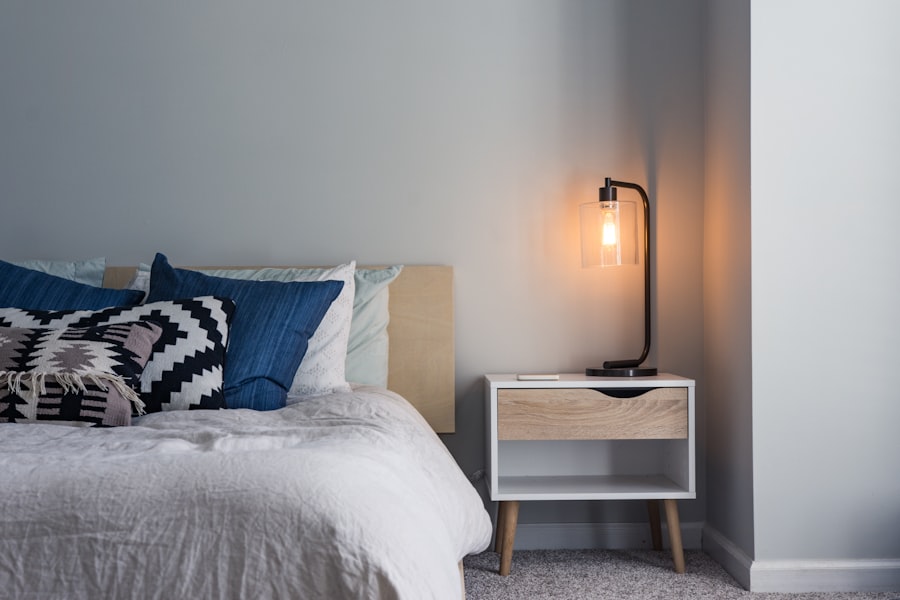
The concept of open floor plans has gained popularity for good reason. You may appreciate how these layouts foster a sense of connection between different areas of your home, making it easier to entertain guests or keep an eye on children while cooking. An open floor plan eliminates unnecessary walls, allowing natural light to flow freely and creating an airy atmosphere that feels spacious and inviting.
However, while open spaces are appealing, they also require thoughtful design to ensure that each area serves its purpose without feeling chaotic. You might consider using area rugs to define different zones within the open layout, such as a cozy reading nook or a dining area. Additionally, incorporating furniture arrangements that encourage conversation can help maintain a sense of intimacy despite the openness of the space.
By embracing an open floor plan, you can create a harmonious environment that balances functionality with aesthetic appeal.
Natural Light:
One of the most effective ways to enhance your living space is by maximizing natural light. You may have noticed how sunlight can transform a room, making it feel warmer and more inviting. To harness this natural resource, consider the placement of your windows and how you can optimize their impact.
If possible, avoid heavy drapes that block light; instead, opt for sheer curtains or blinds that allow sunlight to filter through while still providing privacy. In addition to window treatments, think about how you can reflect light within your home. Mirrors are an excellent tool for this purpose; strategically placing them across from windows can amplify the brightness in a room.
You might also consider using lighter colors for walls and furnishings, as they tend to reflect light better than darker shades. By prioritizing natural light in your design choices, you can create a vibrant and uplifting atmosphere that enhances your overall well-being.
Neutral Color Palette:
Choosing a neutral color palette is another effective strategy for creating a serene and cohesive living space. You may find that soft whites, beiges, and grays provide a calming backdrop that allows other elements in your home to shine. A neutral palette not only creates a sense of harmony but also offers versatility when it comes to decorating.
You can easily switch out accent colors or accessories without needing to repaint or make significant changes. Moreover, neutral colors can make spaces appear larger and more open, which is particularly beneficial in smaller homes or apartments. By using these shades on walls and larger furniture pieces, you create a blank canvas that invites creativity through artwork, textiles, and decorative items.
This approach allows you to express your personal style while maintaining an overall sense of tranquility in your environment.
Multi-Functional Rooms:

In today’s fast-paced world, multi-functional rooms have become increasingly important. You may find yourself needing spaces that serve various purposes—such as a home office that doubles as a guest room or a playroom that transforms into an entertainment area for adults in the evening. To achieve this versatility, consider how you can design rooms that adapt to different activities throughout the day.
One effective way to create multi-functional spaces is by incorporating flexible furniture solutions. For instance, a fold-out desk can provide a workspace when needed but can be tucked away when not in use. Similarly, using modular furniture allows you to rearrange pieces based on your current needs easily.
By embracing the concept of multi-functional rooms, you can maximize the utility of your home while ensuring it remains comfortable and inviting for all who enter.
Minimalist Decor:
Minimalist decor is not just a trend; it’s a lifestyle choice that promotes simplicity and clarity in your living space. You may find that adopting a minimalist approach helps reduce clutter and distractions, allowing you to focus on what truly matters in your home. By selecting fewer decorative items but choosing them thoughtfully, you create an environment that feels intentional and curated rather than chaotic.
To embrace minimalism effectively, start by decluttering your space. Evaluate each item in your home and ask yourself if it serves a purpose or brings you joy. Once you’ve pared down your belongings, focus on incorporating quality over quantity in your decor choices.
Opt for statement pieces that reflect your personality while maintaining a clean aesthetic. By embracing minimalist decor, you cultivate an atmosphere of peace and tranquility that enhances your overall quality of life.
Smart Storage Solutions:
Finally, smart storage solutions are essential for maintaining an organized and functional home. You may often struggle with finding adequate storage for all your belongings without compromising on style or accessibility. To tackle this challenge, consider innovative storage options that blend seamlessly into your decor while maximizing available space.
For instance, under-bed storage containers can be an excellent way to utilize often-overlooked areas in your bedroom. In the living room, consider using ottomans with hidden compartments or coffee tables with shelves underneath for added functionality. Wall-mounted organizers or pegboards can also provide creative storage solutions in kitchens or craft rooms without taking up valuable floor space.
By implementing smart storage solutions throughout your home, you can create an organized environment that feels spacious and inviting while keeping clutter at bay. In conclusion, creating a harmonious living space involves thoughtful consideration of various elements such as maximizing space, choosing functional furniture, embracing open floor plans, prioritizing natural light, selecting a neutral color palette, designing multi-functional rooms, adopting minimalist decor principles, and implementing smart storage solutions. By focusing on these aspects, you can transform your home into a sanctuary that reflects your personal style while enhancing comfort and functionality for everyday living.
FAQs
What is contemporary interior design?
Contemporary interior design refers to the current trends and styles in interior design. It often features clean lines, minimalism, and a focus on functionality and organization.
How can contemporary interior design be applied to small apartments?
Contemporary interior design can be applied to small apartments by utilizing space-saving furniture, maximizing natural light, and incorporating a neutral color palette to create a sense of openness.
What are some key elements of contemporary interior design for small apartments?
Key elements of contemporary interior design for small apartments include multifunctional furniture, smart storage solutions, minimalistic decor, and the use of mirrors to create the illusion of space.
What are some popular color schemes for contemporary interior design in small apartments?
Popular color schemes for contemporary interior design in small apartments include neutral tones such as white, beige, and gray, as well as pops of color in accent pieces or artwork.
How can lighting be used to enhance contemporary interior design in small apartments?
Lighting can be used to enhance contemporary interior design in small apartments by incorporating natural light through large windows or skylights, as well as using modern light fixtures to create a warm and inviting atmosphere.
What are some tips for achieving a cohesive and modern look in a small apartment?
Some tips for achieving a cohesive and modern look in a small apartment include decluttering and organizing the space, incorporating a mix of textures and materials, and choosing furniture and decor that complements the overall aesthetic.


