


When embarking on a home renovation or design project, one of the first hurdles you encounter is budget constraints. You may find yourself grappling with the reality of what you can afford versus what you envision for your space. Establishing a clear budget is essential, as it serves as a guiding framework for your decisions.
You might start by listing all potential expenses, from materials and labor to permits and unexpected costs. This comprehensive approach allows you to prioritize your spending and make informed choices that align with your financial capabilities. As you navigate through your budget, it’s crucial to remain flexible.
You may discover that certain elements of your design are more expensive than anticipated, prompting you to reassess your priorities. Perhaps you decide to splurge on high-quality flooring while opting for more economical cabinetry. This balancing act can be challenging, but it also opens up opportunities for creativity.
By exploring alternative materials or DIY options, you can stretch your budget further while still achieving a look that resonates with your personal style.
Key Takeaways
- Prioritize and allocate budget to key areas such as quality materials and finishes, and essential smart home features.
- Strive for a balance between modern and traditional elements to create a timeless and versatile design.
- Integrate new technology and smart home features seamlessly into the design to enhance functionality and convenience.
- Maximize limited space by carefully planning layout and utilizing multifunctional furniture and storage solutions.
- Select materials and finishes that are durable, low-maintenance, and complement the overall design scheme.
Finding the right balance between modern and traditional elements
In the quest for a harmonious home design, striking the right balance between modern and traditional elements can be a rewarding yet complex endeavor. You might find yourself drawn to sleek, contemporary lines and innovative designs, while simultaneously cherishing the warmth and character of traditional aesthetics. The key lies in blending these two styles in a way that feels cohesive and authentic to you.
To achieve this balance, consider incorporating traditional elements as focal points within a modern framework. For instance, you could choose a classic chandelier as a statement piece in an otherwise minimalist dining room. Alternatively, you might opt for modern furniture paired with vintage accessories, creating an eclectic yet unified look.
This approach not only honors the charm of traditional design but also allows you to embrace the functionality and simplicity of modernity, resulting in a space that feels both timeless and fresh.
Incorporating new technology and smart home features
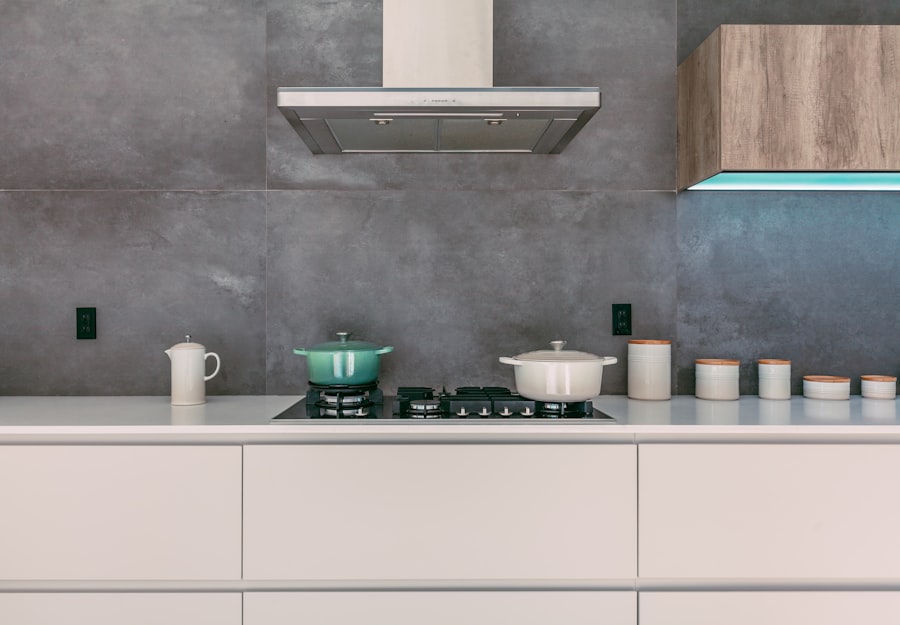
As technology continues to evolve at a rapid pace, integrating smart home features into your design can enhance both convenience and efficiency. You may find that incorporating these innovations not only elevates your living experience but also adds value to your home. From smart thermostats that optimize energy usage to automated lighting systems that adjust based on your preferences, the possibilities are vast and exciting.
When considering which technologies to incorporate, think about your lifestyle and daily routines. For instance, if you enjoy cooking, a smart kitchen equipped with voice-activated appliances could streamline meal preparation. Alternatively, if security is a priority for you, investing in smart locks and surveillance systems can provide peace of mind.
As you explore these options, remember to ensure that the technology seamlessly integrates with your overall design aesthetic, creating a cohesive look that enhances rather than detracts from your space.
Dealing with limited space and layout challenges
Limited space can pose significant challenges when designing your home, but it also presents an opportunity for innovative solutions. You may find yourself faced with the task of maximizing every square inch while ensuring that your space remains functional and inviting. One effective strategy is to embrace open-concept layouts that create an illusion of spaciousness.
By removing unnecessary walls and barriers, you can foster a sense of flow and connectivity between different areas of your home. Additionally, consider multi-functional furniture as a way to optimize limited space. Pieces like sofa beds or extendable dining tables can adapt to your needs without overwhelming the room.
Vertical storage solutions, such as wall-mounted shelves or tall cabinets, can also help you make the most of your available space while keeping clutter at bay. As you tackle these layout challenges, remember that creativity is key; sometimes the most unconventional solutions yield the most satisfying results.
Selecting the right materials and finishes
The materials and finishes you choose play a pivotal role in defining the character of your home. As you embark on this journey, consider how different textures, colors, and patterns can influence the overall ambiance of your space. You may find yourself drawn to natural materials like wood and stone for their warmth and timeless appeal, or perhaps you prefer sleek metals and glass for a more contemporary feel.
When selecting materials, think about durability and maintenance as well. You want finishes that not only look beautiful but also stand the test of time. For example, if you have children or pets, opting for stain-resistant fabrics or scratch-resistant surfaces can save you from future headaches.
Additionally, consider how different materials interact with one another; a harmonious blend of textures can create depth and interest in your design while ensuring that each element complements the others.
Ensuring a cohesive and harmonious design scheme
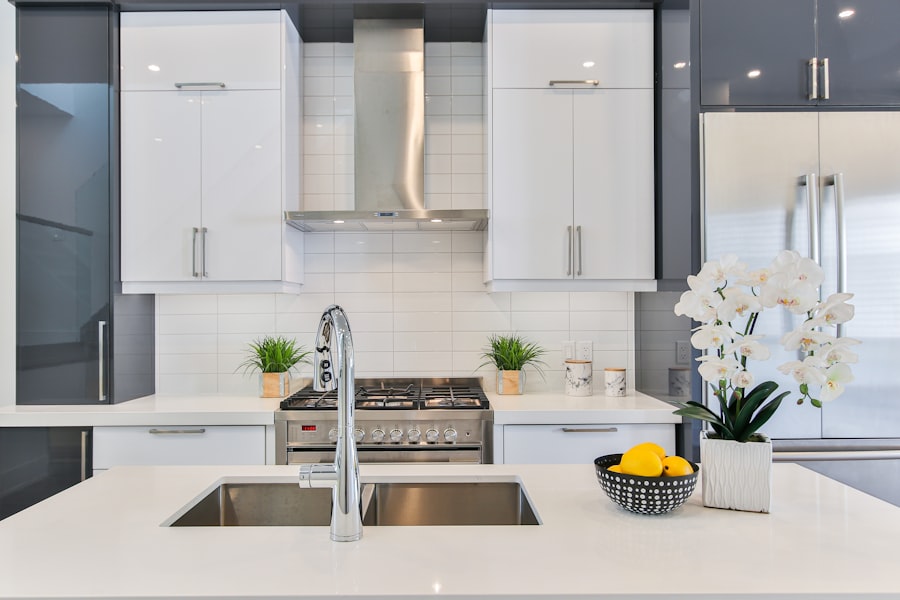
Creating a cohesive design scheme is essential for achieving a polished look throughout your home. As you curate your space, consider how each element contributes to the overall aesthetic. You may find it helpful to establish a color palette or theme that guides your choices, ensuring that everything from furniture to accessories feels intentional and well thought out.
To maintain harmony in your design, pay attention to scale and proportion as well. Mixing different styles can be visually appealing, but it’s important to ensure that they work together cohesively. For instance, pairing oversized furniture with delicate accents can create an interesting contrast while still feeling balanced.
As you refine your design scheme, don’t hesitate to seek inspiration from various sources—whether it’s nature, art, or even travel experiences—to infuse your space with personality and character.
Addressing the needs and preferences of multiple users
In many households, multiple users have varying needs and preferences that must be considered during the design process. Whether you’re designing for a family with children or accommodating roommates with different lifestyles, finding common ground can be challenging yet rewarding. Start by engaging in open conversations with everyone involved; understanding their priorities will help you create spaces that cater to diverse needs.
You might consider creating zones within shared areas to accommodate different activities. For example, in a living room, one corner could be designated for relaxation with comfortable seating and soft lighting, while another area could serve as a workspace with a desk and task lighting. Additionally, incorporating flexible furniture options—such as modular seating or adjustable tables—can allow users to adapt the space according to their preferences.
By prioritizing inclusivity in your design choices, you’ll foster an environment where everyone feels comfortable and at home.
Adhering to building codes and regulations
Navigating building codes and regulations is an essential aspect of any renovation or construction project. While it may seem tedious at times, adhering to these guidelines ensures not only the safety of your home but also its long-term value. Before diving into any design plans, take the time to familiarize yourself with local regulations regarding zoning, permits, and safety standards.
You may find it beneficial to consult with professionals—such as architects or contractors—who are well-versed in these requirements. They can help guide you through the process and ensure that your project complies with all necessary codes. Additionally, staying informed about any changes in regulations can save you from potential setbacks down the line.
By prioritizing compliance from the outset, you’ll create a solid foundation for your design project while safeguarding your investment for years to come. In conclusion, embarking on a home design journey involves navigating various challenges—from budget constraints to ensuring compliance with building codes. By thoughtfully addressing each aspect of the process—finding balance between styles, incorporating technology, optimizing space, selecting materials wisely, creating cohesion, accommodating multiple users’ needs, and adhering to regulations—you can craft a space that not only reflects your personal style but also enhances your quality of life.
Embrace the journey ahead; each decision brings you closer to realizing your vision for a beautiful and functional home.
FAQs
What are the main challenges of renovating a space with contemporary design in mind?
The main challenges of renovating a space with contemporary design in mind include balancing functionality with aesthetics, integrating modern technology and sustainable materials, and ensuring a cohesive and harmonious design throughout the space.
How can functionality and aesthetics be balanced in a contemporary design renovation?
Balancing functionality and aesthetics in a contemporary design renovation involves careful planning and consideration of the space’s layout, storage solutions, and furniture selection. It also requires a focus on clean lines, minimalism, and the use of versatile and multi-functional furniture pieces.
What are some considerations for integrating modern technology in a contemporary design renovation?
Integrating modern technology in a contemporary design renovation involves incorporating smart home features, energy-efficient appliances, and innovative lighting solutions. It also requires thoughtful placement of outlets, wiring, and connectivity for devices throughout the space.
How can sustainable materials be incorporated into a contemporary design renovation?
Incorporating sustainable materials in a contemporary design renovation involves using eco-friendly and recycled materials, such as bamboo flooring, reclaimed wood, and low-VOC paints. It also requires a focus on energy-efficient fixtures, water-saving appliances, and environmentally conscious design choices.
What are some tips for ensuring a cohesive and harmonious design in a contemporary renovation?
To ensure a cohesive and harmonious design in a contemporary renovation, it is important to establish a clear design concept and color palette, as well as to pay attention to details such as textures, patterns, and finishes. It also involves maintaining a sense of balance and proportion throughout the space.


