



The integration of artificial intelligence (AI) into various sectors has been nothing short of revolutionary, and the realm of interior design is no exception. Over the past decade, we have witnessed a significant transformation in how designers approach their craft, thanks in large part to advancements in technology. AI has emerged as a powerful tool that not only enhances creativity but also streamlines processes, making it easier for designers to visualize and execute their ideas.
From sophisticated algorithms that analyze spatial layouts to machine learning systems that predict design trends, AI is reshaping the landscape of interior design in ways that were previously unimaginable. This evolution is not merely a trend; it represents a fundamental shift in how we conceive and interact with our living spaces. As AI continues to evolve, its applications within interior design are becoming increasingly diverse.
Designers are now able to leverage AI-driven software to create virtual environments that allow clients to experience their future spaces before any physical work begins. This immersive approach not only fosters better communication between designers and clients but also minimizes the risk of costly mistakes. Furthermore, AI’s ability to analyze vast amounts of data enables it to identify patterns and preferences that can inform design choices, ensuring that the final outcome aligns closely with the client’s vision.
The rise of AI in interior design signifies a new era where technology and creativity converge, paving the way for innovative solutions that enhance both functionality and aesthetics.
Key Takeaways
- AI is revolutionizing interior design by offering innovative solutions and personalized experiences for homeowners.
- AI is transforming the way we decorate our homes by providing virtual design assistants, personalized recommendations, and predictive analysis.
- The benefits of using AI in home decor include time and cost savings, improved decision-making, and enhanced creativity and customization.
- AI plays a crucial role in personalizing interior design by analyzing user preferences, behavior, and lifestyle to create tailored design solutions.
- AI tools and technologies for interior design include virtual reality, augmented reality, 3D modeling, and machine learning algorithms to enhance the design process and user experience.
- The future of AI in home decor is expected to bring more advanced and sophisticated solutions, such as AI-powered smart home devices and personalized design platforms.
- Overcoming challenges and ethical considerations in AI interior design involve addressing privacy concerns, ensuring transparency and accountability, and promoting responsible and ethical use of AI technologies.
How AI is Changing the Way We Decorate Our Homes
Personalized Design Recommendations
Homeowners are now able to utilize AI-powered applications that provide tailored recommendations based on their individual tastes and preferences. These tools analyze user inputs—such as color preferences, furniture styles, and spatial constraints—to generate design suggestions that resonate with the homeowner’s unique aesthetic.
Revolutionizing the Visualization Process
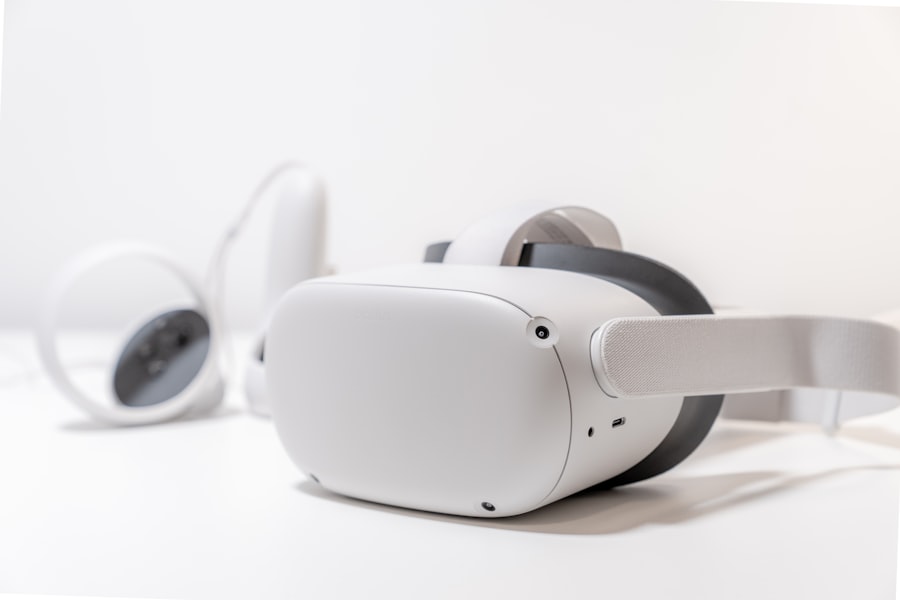
Virtual reality (VR) and augmented reality (AR) technologies, powered by AI, allow homeowners to see how different design elements will look in their actual spaces before making any purchases. This capability eliminates much of the guesswork traditionally associated with interior design, as users can experiment with various layouts, color schemes, and furnishings in real-time.
A New Era of Interactivity and Personalization
As AI continues to advance, it is clear that the future of home decoration will be characterized by an unprecedented level of interactivity and personalization, fundamentally altering our relationship with our living spaces.
The Benefits of Using AI in Home Decor

The advantages of incorporating AI into home decor are manifold, extending beyond mere convenience to encompass enhanced creativity and efficiency. One of the most significant benefits is the time-saving aspect; AI tools can quickly generate design options based on user preferences, allowing homeowners to explore a multitude of ideas without the exhaustive research typically required. This efficiency is particularly valuable for busy individuals who may lack the time or expertise to navigate the complexities of interior design.
By automating certain aspects of the design process, AI frees up time for homeowners to focus on other important tasks while still achieving a beautifully curated space. In addition to saving time, AI also enhances creativity by providing inspiration that may not have been considered otherwise. By analyzing current trends and historical data, AI can suggest innovative combinations of colors, textures, and styles that align with a homeowner’s preferences.
This capability encourages users to think outside the box and explore new possibilities for their spaces. Furthermore, AI can assist in optimizing layouts for functionality and flow, ensuring that each room serves its intended purpose while also reflecting the homeowner’s personal style. The combination of efficiency and creativity makes AI an invaluable asset in the realm of home decor, enabling individuals to create spaces that are both aesthetically pleasing and highly functional.
The Role of AI in Personalizing Interior Design
| Metrics | Value |
|---|---|
| Number of AI-powered interior design platforms | 10 |
| Percentage of interior designers using AI tools | 30% |
| Accuracy of AI in predicting customer preferences | 85% |
| Reduction in design time with AI assistance | 40% |
Personalization is at the heart of modern interior design, and AI plays a pivotal role in tailoring spaces to reflect individual identities and lifestyles. By harnessing data from various sources—such as social media activity, online shopping habits, and even user feedback—AI can create detailed profiles that inform design decisions. This level of personalization goes beyond surface aesthetics; it delves into understanding how individuals interact with their environments and what elements contribute to their overall well-being.
As a result, AI-driven designs can enhance comfort and functionality while resonating deeply with the homeowner’s sense of self. Moreover, AI’s ability to learn from user interactions allows for continuous refinement of design suggestions over time. As homeowners engage with AI tools, these systems gather insights into their evolving tastes and preferences, adapting recommendations accordingly.
This dynamic relationship between user and technology fosters a sense of ownership over the design process, as individuals feel empowered to curate their spaces in alignment with their changing lifestyles. The role of AI in personalizing interior design signifies a shift towards more meaningful connections between people and their environments, ultimately leading to spaces that are not only visually appealing but also deeply reflective of personal narratives.
AI Tools and Technologies for Interior Design
The landscape of interior design is increasingly populated by an array of AI tools and technologies designed to enhance both the creative process and practical execution. One notable category includes design software that utilizes machine learning algorithms to generate 3D renderings based on user inputs. These platforms allow designers to visualize concepts in real-time, making it easier to experiment with different layouts and color schemes without the need for extensive manual drafting.
Additionally, some tools incorporate augmented reality features that enable users to overlay digital designs onto their physical spaces through smartphones or tablets, providing an interactive experience that bridges the gap between imagination and reality. Another exciting development in this field is the emergence of smart home technology integrated with AI capabilities. Devices such as smart lighting systems and automated window treatments can be programmed to adjust according to user preferences or even adapt based on environmental factors like natural light levels.
This integration not only enhances convenience but also contributes to energy efficiency within homes. Furthermore, AI-driven furniture solutions—such as modular pieces that can be reconfigured based on changing needs—are gaining popularity as they offer flexibility without compromising style. The proliferation of these innovative tools underscores the transformative potential of AI in interior design, equipping both professionals and homeowners with resources that elevate their creative endeavors.
The Future of AI in Home Decor
Enhancing Personalization and Interactivity
As we look ahead, the future of AI in home decor appears bright and full of potential. With ongoing advancements in technology, we can expect even more sophisticated tools that will further enhance personalization and interactivity in interior design. For instance, future AI systems may incorporate advanced emotional recognition capabilities that assess a homeowner’s mood or preferences through facial expressions or voice tone.
Creating a Conducive Atmosphere
This could lead to real-time adjustments in lighting or decor elements that create an atmosphere conducive to relaxation or productivity, thereby enhancing overall well-being within the space. By responding to a homeowner’s emotional state, AI can create a space that adapts to their needs, promoting a sense of comfort and tranquility.
Promoting Sustainable Design Practices
Moreover, as sustainability becomes an increasingly pressing concern for consumers, AI has the potential to play a crucial role in promoting eco-friendly design practices. By analyzing materials’ environmental impact and suggesting sustainable alternatives based on user preferences, AI can guide homeowners toward making more responsible choices without sacrificing style or functionality.
A Harmonious Blend of Technology and Sustainability
The future landscape of home decor will likely be characterized by a harmonious blend of technology and sustainability, where AI not only enhances aesthetic appeal but also contributes positively to our planet’s health.
Overcoming Challenges and Ethical Considerations in AI Interior Design
Despite its many advantages, the integration of AI into interior design does not come without challenges and ethical considerations that must be addressed as this technology continues to evolve. One significant concern revolves around data privacy; as AI systems collect vast amounts of personal information to tailor recommendations, there is an inherent risk associated with how this data is stored and utilized. Homeowners must be assured that their information is handled responsibly and transparently, fostering trust between users and technology providers.
Striking a balance between personalization and privacy will be crucial as we navigate this new landscape. Additionally, there are ethical implications related to creativity and originality within the realm of design. As AI systems become more adept at generating design concepts based on existing trends and data patterns, questions arise about authorship and intellectual property rights.
If an AI tool produces a unique design inspired by countless sources, who holds ownership over that creation? These challenges necessitate ongoing dialogue among designers, technologists, and policymakers to establish guidelines that protect both human creativity and technological innovation. By addressing these concerns proactively, we can ensure that the future of AI in interior design remains not only innovative but also ethical and inclusive for all stakeholders involved.
FAQs
What is AI interior design?
AI interior design refers to the use of artificial intelligence technology to assist in the process of designing interior spaces. This can include using AI algorithms to analyze data, generate design ideas, and make recommendations for furniture, color schemes, and layout.
How does AI interior design work?
AI interior design works by using algorithms to analyze data such as floor plans, room dimensions, and design preferences. It can then generate design options, make recommendations, and even learn from user feedback to improve its suggestions over time.
What are the benefits of AI interior design?
Some benefits of AI interior design include faster design processes, more personalized design options, and the ability to explore a wider range of design possibilities. AI can also help designers make more informed decisions by analyzing data and trends.
Are there any limitations to AI interior design?
While AI interior design can offer many benefits, it also has limitations. For example, AI may struggle to understand more abstract design concepts or the emotional impact of a space. Additionally, it may not fully replace the creativity and intuition of human designers.
How is AI interior design being used in the industry?
AI interior design is being used in the industry in various ways, such as helping designers create more efficient and personalized spaces, assisting with space planning and layout optimization, and providing data-driven insights for design decision-making.


