


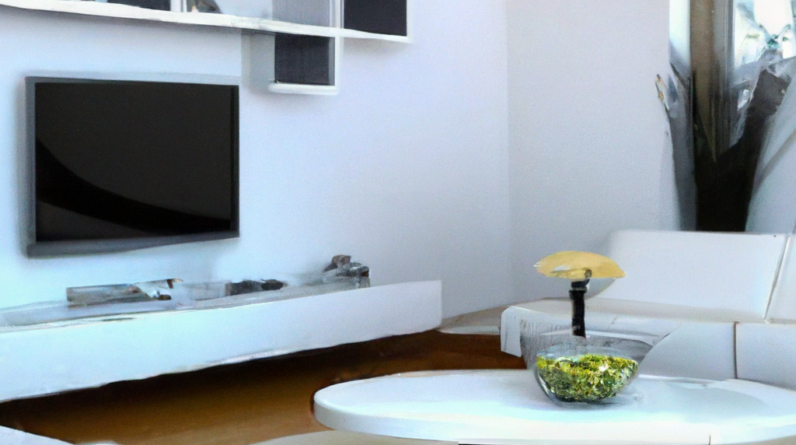
Are you looking to transform your living space into a stunning masterpiece? Look no further than the Interior Design Service in Little Rock, Arkansas. With their impeccable taste and undeniable expertise, this team of talented designers is ready to bring your vision to life. Whether you’re seeking a contemporary oasis or a cozy haven, they will work tirelessly to ensure that every element of your home reflects your personality and style. Let the Interior Design Service in Little Rock, Arkansas, turn your house into a place you’ll never want to leave.
Overview
Interior design is the art and science of enhancing the interior of a space to achieve a healthier and more aesthetically pleasing environment for the people using the space. It involves understanding the behaviors and needs of individuals and utilizing design elements to create functional and visually appealing spaces. Interior design services encompass a wide range of offerings, including residential and commercial design, remodeling and renovation, space planning and visualization, color consultation, furniture and accessories selection, window treatments, lighting design, art and décor, and project management. The importance of interior design should not be underestimated, as it can greatly impact the overall mood, functionality, and value of a space.
Scope of Interior Design Services
Interior design services in Little Rock, Arkansas cover a broad spectrum of projects, catering to both residential and commercial clients. Residential interior design focuses on creating personalized and comfortable living spaces that reflect the homeowners’ tastes and preferences. This may involve designing the layout, selecting furniture and accessories, choosing color schemes, and ensuring the overall harmony of the space. Commercial interior design, on the other hand, caters to businesses such as offices, restaurants, hotels, and retail spaces. The goal here is to create a space that enhances productivity, attracts customers, and reflects the brand image. Both residential and commercial interior design services may also include remodeling and renovation, space planning and visualization, color consultation, window treatments, lighting design, art and décor selection, and project management.
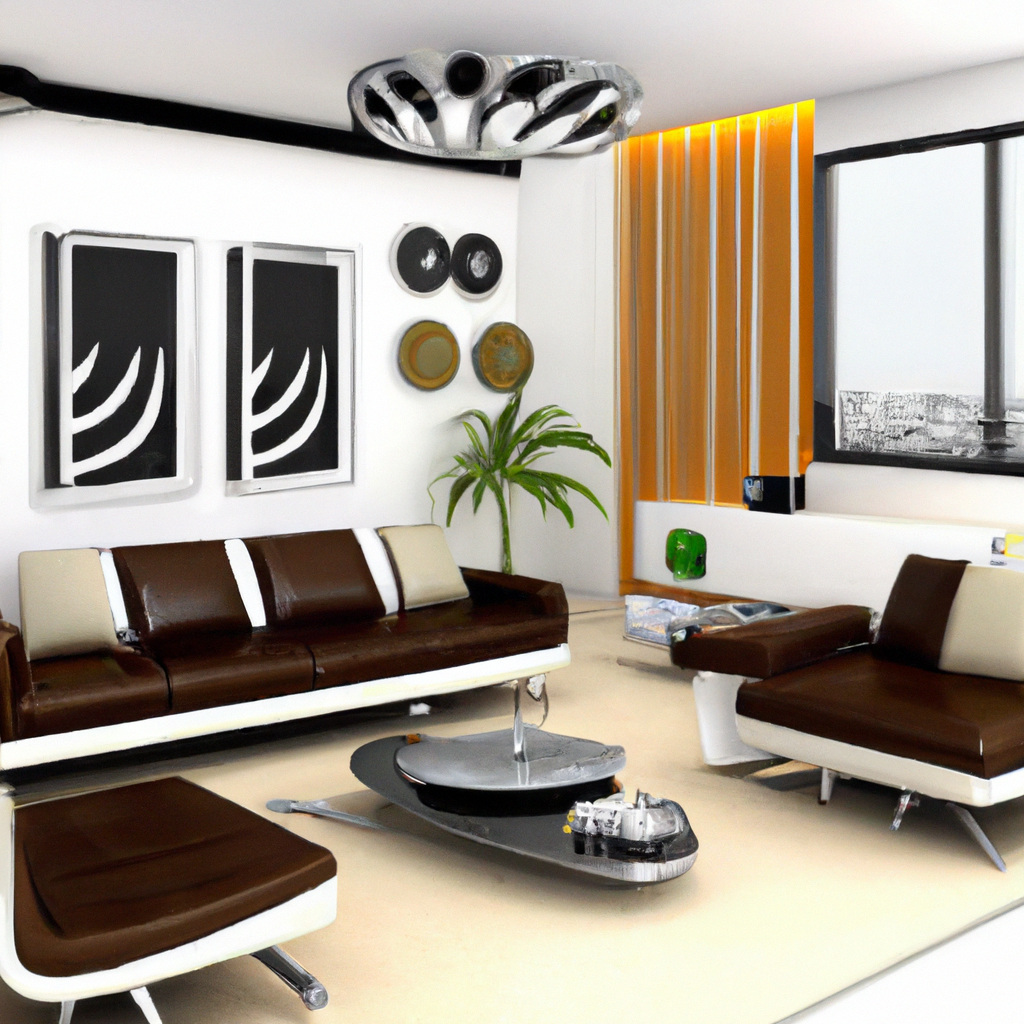
Importance of Interior Design
Interior design plays a crucial role in both residential and commercial settings. It goes beyond aesthetics and significantly impacts the functionality and livability of a space. In residential interiors, a well-designed home can improve productivity, create a sense of tranquility, and foster better relationships among family members. In commercial spaces, interior design can affect business success by influencing customer perceptions, enhancing employee satisfaction, and optimizing operational efficiency. Additionally, investing in professional interior design can increase the value of a property, making it more appealing to potential buyers or renters. The importance of interior design cannot be overstated, as it has the power to transform spaces into environments that are both visually pleasing and highly functional.
Services Offered
Residential Interior Design
Residential interior design focuses on creating living spaces that are tailored to the specific needs and tastes of homeowners. Services in this category may include designing the layout of rooms, selecting furniture and accessories, choosing color palettes, and creating an overall cohesive theme. The goal is to create a harmonious environment that reflects the homeowners’ personal style and enhances their quality of life.
Commercial Interior Design
Commercial interior design caters to businesses and focuses on creating spaces that are functional, visually appealing, and aligned with the brand image. Services in this category may include designing office layouts, choosing furniture and fixtures, incorporating corporate branding, and optimizing the flow of customers or employees within the space. The goal is to create an environment that supports productivity, attracts customers, and reflects the values and goals of the business.
Remodeling and Renovation
Remodeling and renovation services involve transforming existing spaces to better meet the needs and preferences of the client. This may include structural changes, such as removing walls or adding new ones, as well as updating finishes, fixtures, and furniture. Remodeling and renovation services can breathe new life into a space, increase its functionality, and enhance its overall aesthetic appeal.
Space Planning and Visualization
Space planning and visualization services help clients make the most efficient and effective use of their available space. This involves creating floor plans, determining the optimal placement of furniture and fixtures, and visualizing the end result through 3D renderings or virtual reality. Space planning and visualization services ensure that each square foot of a space is utilized to its fullest potential, resulting in a well-organized and visually pleasing environment.
Color Consultation
Color consultation services assist clients in choosing the perfect color scheme for their space. Interior designers can provide guidance on selecting colors that complement each other, create a desired mood or atmosphere, and reflect the client’s personal style. Additionally, they can help clients understand how different colors can impact the perception of space and work with other design elements to create a cohesive and visually appealing result.
Furniture and Accessories Selection
Furniture and accessories selection services involve choosing the appropriate pieces to complete a space. Interior designers have access to a wide range of suppliers and can help clients find furniture and accessories that not only fit within the desired style and budget but also meet functional requirements. This service ensures that the furniture and accessories chosen enhance the overall design of the space and contribute to its functionality.
Window Treatments
Window treatments play a crucial role in the overall design and functionality of a space. Interior designers can assist clients in selecting the right window treatments, such as blinds, curtains, or shades, that provide privacy, control natural light, and complement the overall design scheme. They can also help with custom window treatments that are tailored to the specific measurements and requirements of the space.
Lighting Design
Lighting design services involve creating a well-balanced and functional lighting plan for a space. Interior designers can create a layout that incorporates both natural and artificial lighting sources, ensuring that each area of the space is properly illuminated. They can also assist in selecting light fixtures that enhance the overall design aesthetic and provide the desired level of illumination and ambiance.
Art and Décor
Art and décor selection services can help clients find the perfect pieces to enhance the overall design of a space. Interior designers have access to a wide range of art and décor suppliers and can assist clients in finding artwork, sculptures, accessories, and other decorative elements that complement the design style and create a personalized, visually striking environment.
Project Management
Project management services take the stress out of the interior design process by overseeing and coordinating all aspects of the project. This includes managing contractors, suppliers, and timelines to ensure a smooth and successful project completion. Interior designers with project management experience can act as a point of contact for clients, keeping them informed and involved throughout the process.
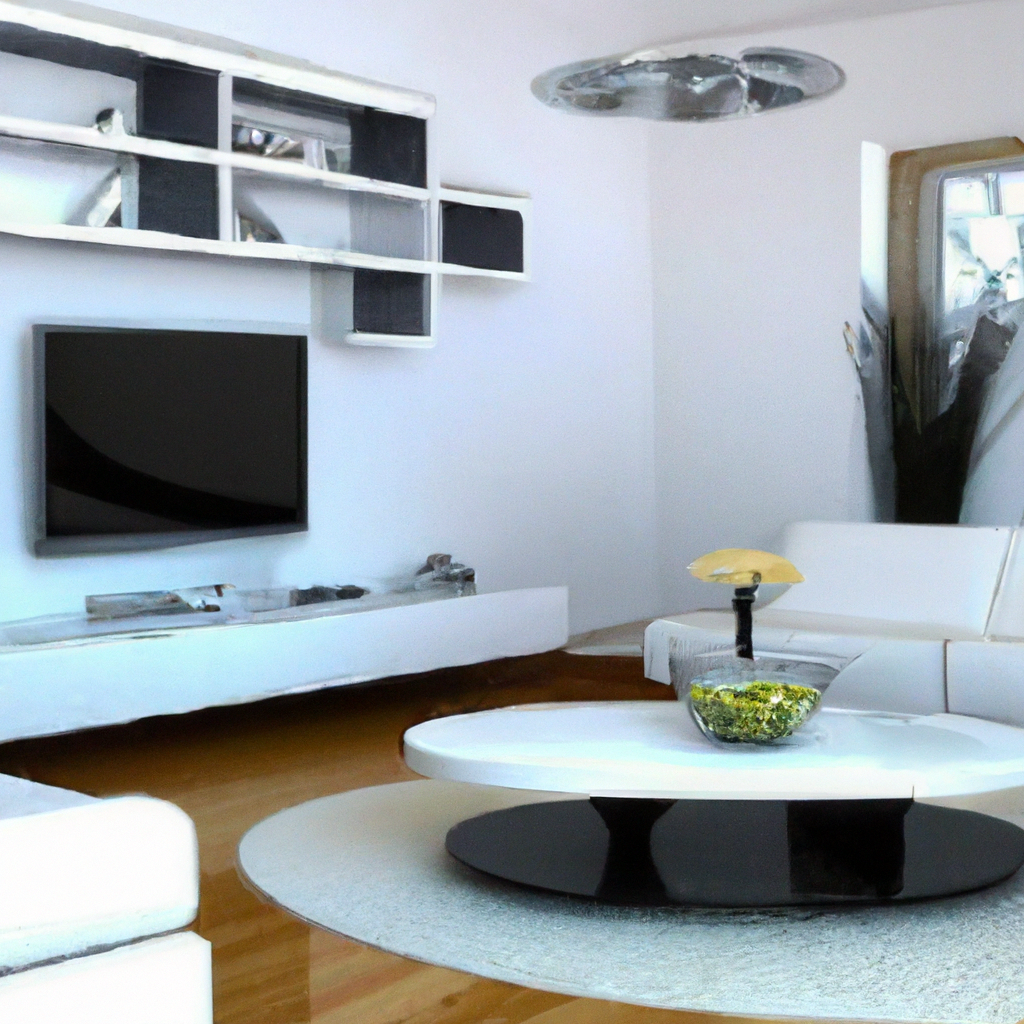
Benefits of Hiring an Interior Designer
Saves Time and Money
One of the primary benefits of hiring an interior designer is the time and money saved. With their expertise and industry connections, interior designers can efficiently plan and execute projects, ensuring that deadlines are met and budgets are adhered to. They can also help clients avoid costly mistakes by guiding them in making informed decisions regarding materials, furniture, and finishes. By entrusting the project to a professional, clients can focus on other priorities while having peace of mind that their space is being transformed by an expert.
Professional Assessment and Planning
Interior designers bring a trained eye and a wealth of knowledge to the table. They can evaluate a space and provide a professional assessment of its strengths and weaknesses. Armed with this information, they can create a well-thought-out plan that addresses the specific needs and goals of the client. Interior designers consider the functionality, flow, and aesthetics of a space, resulting in a comprehensive design that caters to the client’s unique requirements.
Access to Industry Resources and Expertise
Interior designers have access to a vast network of suppliers, contractors, and other industry professionals. This means they can source high-quality materials, furniture, and fixtures at competitive prices. They can also recommend trusted contractors and oversee the bidding and hiring process. With a team of experts by their side, interior designers can navigate the complexities of the design process and ensure that every aspect of the project is handled with professionalism and quality.
Enhanced Aesthetic Appeal
One of the key benefits of hiring an interior designer is the ability to create a visually appealing space. Interior designers have an eye for design and a deep understanding of color theory, proportion, balance, and harmony. They can transform a bland or outdated space into a stunning environment that evokes the desired emotions and atmosphere. By selecting the right materials, furniture, finishes, and accessories, interior designers can bring a cohesive and sophisticated design to life.
Increased Property Value
Investing in professional interior design services can significantly increase the value of a property. A well-designed and aesthetically pleasing space has a strong appeal to potential buyers or renters. It can set a property apart from others on the market and command a higher price. Additionally, a thoughtfully designed space can make a property more marketable and lead to a quicker sale or rental. By hiring an interior designer, property owners can maximize their return on investment and increase the overall value of their property.
Process of Hiring an Interior Designer
Define Your Goals
Before embarking on the process of hiring an interior designer, it is essential to define your goals and expectations. Consider what you would like to achieve with your space, whether it is a complete remodel or simply a refresh. Think about your preferred style, color schemes, and any specific requirements you may have. By clearly articulating your goals, you can effectively communicate your vision to potential designers and ensure that you find the right match for your project.
Research and Shortlisting
Once you have defined your goals, it is time to research and shortlist interior designers in Little Rock, Arkansas. Look for designers with experience in your desired type of project, be it residential or commercial. Explore their portfolios to get a sense of their design style and quality of work. Consider their credentials, certifications, and any industry recognition they may have received. Create a shortlist of designers who align with your vision and have a strong track record of delivering successful projects.
Initial Consultation
After shortlisting potential interior designers, schedule initial consultations to discuss your project in more detail. During this meeting, share your goals, preferences, and budget with the designer. Be open to their professional advice and suggestions. The initial consultation is an opportunity to gauge the designer’s communication style, responsiveness, and compatibility with your vision. It is also a chance to ask any questions you may have and gain further insight into their process and approach.
Review and Proposal
Following the initial consultation, the interior designer will review your project requirements and develop a proposal. This proposal should outline the scope of work, timeline, deliverables, and estimated costs. Review the proposal carefully and ensure that it aligns with your goals and budget. If there are any areas of concern or changes you would like to make, communicate them to the designer. A clear and comprehensive proposal is crucial for establishing expectations and avoiding any misunderstandings.
Design Development and Execution
Once the proposal is accepted, the interior designer will begin the design development phase. This may involve creating mood boards, 3D renderings, or sketches to help visualize the design concept. The designer will collaborate closely with you to refine the design, incorporating your feedback and preferences. Once the design is finalized, the designer will manage the procurement of materials, furniture, fixtures, and any necessary contractors. They will oversee the execution of the project, ensuring that all work is carried out to the highest standards and in accordance with the agreed-upon timeline.
Final Walkthrough and Project Completion
As the project nears completion, the interior designer will conduct a final walkthrough with you to ensure that all aspects of the design have been executed to your satisfaction. This is an opportunity to address any outstanding issues or make final adjustments. Once the project is completed, the designer will provide you with a comprehensive handover, including warranties, care instructions, and any necessary documentation. They will also be available for any follow-up questions or support you may require.
Factors to Consider When Choosing an Interior Designer
Experience and Portfolio
When choosing an interior designer, consider their experience and portfolio of past projects. Look for designers who have a track record of successfully completing projects similar to yours. Review their portfolio to assess the quality of their work and ensure that their design style aligns with your vision. Experienced designers bring valuable expertise, problem-solving skills, and creativity to the table, making them well-equipped to handle the challenges of your project.
Credentials and Certification
Credentials and certifications are indicators of an interior designer’s commitment to ongoing education and professional development. Look for designers who hold recognized certifications, such as those from the American Society of Interior Designers (ASID) or the National Council for Interior Design Qualification (NCIDQ). These certifications are a testament to a designer’s expertise, knowledge, and adherence to industry standards.
Communication and Collaboration
Effective communication and collaboration are essential for a successful partnership with an interior designer. During the initial consultation and subsequent interactions, evaluate the designer’s communication style, responsiveness, and ability to listen. A good designer should be able to translate your ideas and preferences into a cohesive and well-executed design. Additionally, they should be open to feedback and willing to collaborate with you to achieve the desired outcome.
Budget and Pricing
Before hiring an interior designer, it is important to have a clear understanding of your budget and the designer’s pricing structure. Discuss your budget during the initial consultation to ensure that it aligns with the designer’s fees and the scope of work. Be transparent about your financial constraints and expectations to avoid any surprises or misunderstandings later on. Remember that investing in professional interior design can have long-term benefits, and it is worth considering the value it brings to your project.
References and Reviews
When considering interior designers, it is helpful to seek references and read reviews from past clients. Ask the designer for references and reach out to their previous clients to inquire about their experience and satisfaction with the designer’s work. Additionally, read online reviews and testimonials to gain further insights into the designer’s reputation and client satisfaction. A reputable designer should have positive reviews and be willing to provide references to showcase their track record of success.
Finding the Right Interior Designer in Little Rock, Arkansas
Local Directories and Websites
One way to find an interior designer in Little Rock, Arkansas is to consult local directories and websites. These resources often provide a list of designers along with their contact details and website links. Local directories, such as the Little Rock Chamber of Commerce directory or the Arkansas Business directory, can be a good starting point. Websites like Houzz or Angie’s List also allow you to search for interior designers in your area and read reviews from past clients.
Referrals and Recommendations
Another effective approach is to seek referrals and recommendations from friends, family, or colleagues who have worked with interior designers in Little Rock. Personal recommendations can provide valuable insights into the designer’s work ethic, professionalism, and ability to deliver results. Ask for specific details about their experience, the scope of the project, and how satisfied they were with the final outcome. Referrals from trusted sources can help streamline the hiring process and increase the chances of finding a reliable interior designer.
Social Media and Online Platforms
Social media platforms, such as Instagram and Pinterest, can be excellent sources for discovering interior designers in Little Rock, Arkansas. Many designers showcase their work on these platforms, allowing you to browse through their portfolio and gain inspiration for your own project. Additionally, online platforms like LinkedIn or design blogs may feature interviews or articles that highlight local interior designers. Explore these platforms to find designers whose style and expertise resonate with you.
Interview and Site Visit
Once you have compiled a list of potential interior designers, schedule interviews and site visits to assess their suitability for your project. Prepare a list of questions in advance to help guide the conversation and gather the information you need to make an informed decision. During the site visit, pay attention to their level of detail, organization, and creativity. Evaluate their ability to understand your vision and meet your specific requirements. Be sure to ask for a portfolio of their work, as well as any relevant certifications or qualifications.
Contract and Agreement
After selecting an interior designer, it is crucial to establish a formal contract or agreement that outlines the scope of work, project timeline, payment terms, and any other important details. The contract should clearly define the responsibilities of both parties and provide a framework for effective project management. Review the contract carefully and seek legal advice if needed. By having a comprehensive and well-defined agreement in place, you can mitigate potential disputes and ensure a smooth collaboration with your chosen interior designer.
Cost of Interior Design Services
Hourly or Flat Fee
The cost of interior design services can vary depending on several factors, including the designer’s experience, the scope of the project, and the location. Designers may charge either an hourly rate or a flat fee for their services. Hourly rates typically range from $50 to $200 or more, while flat fees can range from a few thousand dollars to tens of thousands, depending on the complexity of the project. Discuss pricing options with your designer during the initial consultation to determine the best arrangement for your budget and project requirements.
Cost Factors
Several factors can influence the cost of interior design services. These may include the size and complexity of the project, the level of customization required, the materials and finishes chosen, and any additional services requested, such as project management or custom furniture design. Be transparent with your designer about your budget and discuss any cost factors that may impact the overall project cost. A good designer will work with you to find creative solutions that align with your budgetary constraints.
Additional Expenses
In addition to the designer’s fees, there may be additional expenses associated with an interior design project. These expenses can include the cost of materials, furniture, fixtures, contractors, permits, and any necessary building modifications. It is important to have a clear understanding of these potential expenses and to budget accordingly. Your designer can provide guidance on estimated costs and help you prioritize expenses based on your goals and budget.
Payment Schedule
The payment schedule for interior design services will vary depending on the designer and the project. Some designers may require an initial deposit before commencing work, followed by progress payments as the project progresses. Other designers may require full payment upfront or offer payment plans for clients. Discuss the payment schedule with your designer and ensure that it aligns with your financial capabilities and expectations. A well-defined payment schedule is essential for maintaining a transparent and cooperative relationship with your designer.
Tips for Communicating with Your Interior Designer
Clear Communication
Effective communication is key to a successful partnership with your interior designer. Clearly articulate your vision, goals, and expectations and listen to the designer’s recommendations and advice. Maintain open and regular lines of communication throughout the project, providing timely feedback and addressing any concerns promptly. Clear communication ensures that everyone is on the same page and allows for a smoother design process.
Sharing Inspirations and Preferences
Share your design inspirations and preferences with your interior designer. Collect images, create mood boards, or use online platforms like Pinterest or Houzz to gather visual references that capture your desired style and aesthetic. Sharing these inspirations with your designer helps them understand your vision and ensures that the design aligns with your preferences. Be open to suggestions and be willing to collaborate with the designer to achieve the best possible outcome.
Providing Feedback
Throughout the design process, provide constructive feedback to your designer. If something doesn’t align with your vision or if you have concerns or questions, communicate them promptly and clearly. This feedback helps the designer refine the design and make adjustments to better meet your expectations. Remember that clear and prompt feedback allows the designer to address any issues and deliver a design that you love.
Trusting the Designer’s Expertise
While it is important to communicate your preferences and expectations, it is equally important to trust in the expertise and knowledge of your interior designer. Interior designers bring years of training and experience to the table and have a deep understanding of design principles, color theory, and space planning. Trust that they have your best interests at heart and allow them to guide you towards design decisions that will create a cohesive and visually appealing space.
Maintaining a Collaborative Relationship
Successful interior design projects are often the result of a collaborative relationship between the client and the designer. Keep an open mind and be willing to explore new ideas and design concepts. Engage in open and respectful dialogue with your designer, and actively participate in the design process. By maintaining a collaborative relationship, you can contribute to the creation of a space that truly reflects your vision and aspirations.
Trends in Interior Design
Sustainable and Eco-Friendly Design
In recent years, there has been a significant shift towards sustainable and eco-friendly interior design. Designers are increasingly incorporating environmentally conscious practices and materials into their projects. This includes using recycled or upcycled materials, selecting energy-efficient lighting, and implementing sustainable practices such as water conservation and indoor air quality management. Sustainable design not only reduces the environmental impact of a space but also contributes to healthier and more sustainable living.
Biophilic Design
Biophilic design is an emerging trend that aims to reconnect humans with nature by incorporating natural elements into interior spaces. This may include integrating plants, natural light, organic materials, and views of nature. Biophilic design has been shown to improve well-being, boost productivity, and provide a sense of tranquility. Many interior designers are embracing biophilic design principles to create spaces that promote physical and mental well-being.
Minimalism
Minimalism continues to be a popular trend in interior design, characterized by clean lines, functional spaces, and a focus on simplicity. Minimalist design often incorporates neutral color palettes, uncluttered spaces, and a “less is more” approach to furniture and accessories. Minimalist interiors create a sense of calm and allow the architecture and selected elements to take center stage. This design style emphasizes quality over quantity and promotes a sense of tranquility and mindfulness.
Bold Colors and Patterns
While minimalism remains popular, there is also a growing trend towards incorporating bold colors and patterns into interior design. Vibrant hues, geometric patterns, and eclectic mixes of textures are being used to create visually striking and unique spaces. These bold design choices can add personality and drama to a space, creating a focal point or making a statement. When done well, the use of bold colors and patterns can elevate the overall design aesthetic and create a memorable and visually appealing environment.
Smart Home Integration
With the rapid advancement of technology, smart home integration has become a significant trend in interior design. Home automation systems, voice-controlled devices, and intelligent lighting are just a few examples of technology that can be seamlessly incorporated into interior spaces. This integration allows for greater control, convenience, and energy efficiency. As technology continues to evolve, interior designers are finding innovative ways to integrate smart home features to enhance the overall functionality and user experience of a space.
Conclusion
Interior design services in Little Rock, Arkansas offer a wide range of solutions for both residential and commercial clients. From remodeling and renovation to space planning and visualization, interior designers possess the expertise and resources to transform spaces into functional, aesthetically pleasing environments. By hiring an interior designer, you can save time and money, benefit from professional assessment and planning, access industry resources and expertise, enhance the aesthetic appeal of your space, and increase its value. Finding the right interior designer in Little Rock involves thorough research, clear communication, and careful consideration of factors such as experience, credentials, communication style, and budget. Embracing emerging trends in interior design, such as sustainable design, biophilic design, minimalism, bold colors and patterns, and smart home integration, can ensure that your space reflects the latest design concepts and creates an enjoyable, functional, and visually pleasing environment.