


Sustainability has become a key focus in various industries including interior design. As people become more conscious of their environmental impact the demand for sustainable design solutions has grown exponentially. In the field of interior design sustainable design refers to creating spaces that are environmentally friendly socially responsible and economically viable.
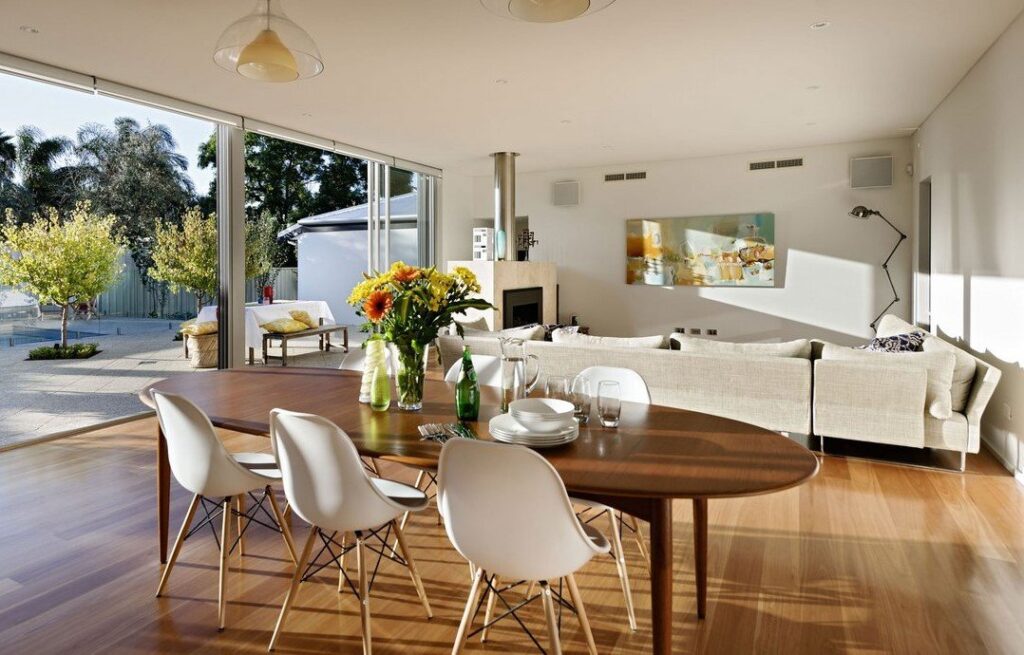
There are several principles that guide sustainable interior design practices. These principles include –
- Using environmentally friendly materials
- Reducing energy consumption
- Minimizing waste
- Promoting indoor air quality
One of the key aspects of sustainable interior design is the use of environmentally friendly materials. This includes using materials that are renewable recyclable or made from recycled content. Examples of sustainable materials include bamboo cork reclaimed wood and recycled glass. By choosing these materials interior designers can reduce the environmental impact of their projects and promote sustainable practices in the industry.
Another important aspect of sustainable interior design is reducing energy consumption. This can be achieved through various means such as incorporating energy efficient lighting appliances and HVAC systems. Designers can also utilize natural light and ventilation to reduce the need for artificial lighting and air conditioning. By optimizing energy use in the design process interior designers can help their clients save money on utility bills and reduce their carbon footprint.

Minimizing waste is another key principle of sustainable interior design. This involves designing spaces in a way that reduces the amount of waste generated during construction and renovation projects. Designers can achieve this by using prefabricated materials reusing existing furniture and fixtures and recycling construction debris. By minimizing waste interior designers can contribute to a more sustainable built environment and reduce the strain on natural resources.
Promoting indoor air quality is also an important aspect of sustainable interior design. Poor indoor air quality can have negative impacts on the health and well being of occupants. To address this issue designers can specify low VOC (volatile organic compound) paints adhesives and finishes as well as choose materials that do not off gas harmful chemicals. Additionally designers can incorporate natural ventilation strategies to improve air circulation and reduce the reliance on mechanical systems.
Overall sustainable interior design is a holistic approach that considers the environmental social and economic impacts of design decisions. By following sustainable design principles interior designers can create spaces that are not only aesthetically pleasing but also environmentally responsible and socially conscious. As the demand for sustainable design solutions continues to grow interior designers play a crucial role in shaping the future of the industry and promoting sustainable practices.

Related Topics About Interior Design Sustainable Design
How To Become A Sustainable Interior Designer,
Interior Design Or Environmental Design,
Interior Design Sustainability Course,
Sustainable Design Examples Interior Design,
Sustainable Design In Interior Design,
Sustainable Interior Design Examples,
Sustainable Interior Design Jobs,
Sustainable Interior Design Salary,
What Is Sustainable Interior Design


