


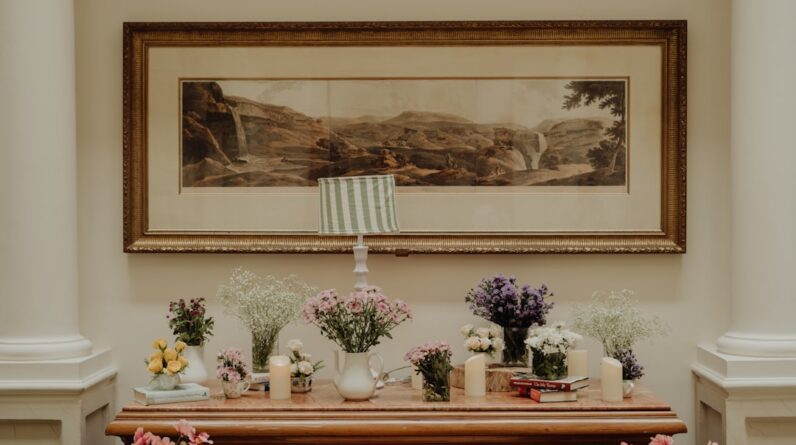
You’ve arrived in Historic Downtown McKinney, a place where time seems to have paused on purpose, preserving the charm of a bygone era. As you step onto the cobblestone sidewalks and take in the meticulously restored Victorian architecture, you feel a sense of invitation. This isn’t just a collection of old buildings; it’s a living, breathing community, and you’ve come to explore how its residents are weaving new threads into its rich tapestry, particularly when it comes to home decor. The historic district, a crown jewel of North Texas, is undergoing a subtle yet significant evolution. While steeped in history, its homes are increasingly becoming canvases for modern living, thoughtfully integrated with the past. You’ll discover that the spirit of McKinney isn’t about erasing its heritage but about building upon it, a harmonious blend of the old and the new, much like a seasoned musician adding a virtuosic solo to a timeless melody.
The very foundation of Historic Downtown McKinney is its architecture. Generations have worked to preserve these facades, acting as stewards of a significant historical record. You’ll immediately notice the intricate details: the pressed tin ceilings, the gingerbread trim, the wide, welcoming porches. These are not mere stylistic choices; they are the fingerprints of craftsmanship and a bygone era’s sensibility. The current wave of home decorating in this area isn’t an act of rebellion against this heritage, but rather a deep respect for it. It’s about understanding the language of the existing structures and responding with interiors that speak in a complementary dialect. Imagine trying to write a new chapter in a beloved novel; you must understand the author’s voice before you can contribute your own.
The Dialogue Between Old and New Materials
When you walk into a home in Historic Downtown McKinney, you’ll often encounter a fascinating interplay of materials. Original hardwood floors, perhaps bearing the gentle patina of decades, might be paired with contemporary, organic elements like natural stone or sustainably sourced wood. Think of a vintage lace curtain meeting a minimalist linen blind – each enhancing the other’s inherent beauty. The goal isn’t to replace the old with the new, but to find common ground. New countertops might echo the colors found in antique tile work, or fresh paint schemes might draw inspiration from the muted tones of historical photographs. This careful curation of materials speaks volumes about the homeowner’s appreciation for longevity and quality.
Restoring and Reimagining Original Features
Many homeowners in this historic district are deeply committed to restoration. This means breathing new life into original features rather than removing them. A claw-foot bathtub, once relegated to a dusty attic, might be reglazingly and become the centerpiece of a modern spa-like bathroom. Original fireplaces, often the heart of a historic home, are frequently refurbished and made functional again, providing warmth and a focal point for living spaces. You might see someone carefully restoring an original stain-glass window, allowing light to filter through in patterns that have graced the interior for over a century. This approach is akin to tending to an ancient tree; you prune and nurture, rather than simply felling and replacing.
The Art of Infusion: Modern Touches in Historic Settings
The infusion of modern elements is where the true artistry of decorating in Historic Downtown McKinney shines. It’s about introducing pieces that are clearly contemporary but also feel at home within the historic context. This could manifest as a sleek, modern sofa placed against a wall adorned with original crown molding, or a collection of contemporary art displayed in a room with a decidedly Victorian fireplace. The key here is balance. Too much of the modern can feel jarring; too little can make the home feel like a museum. It’s a dance between eras, with each step thoughtfully considered.
Embracing Light and Space: Contemporizing Historic Layouts
Historic homes often present unique spatial challenges. Rooms can be smaller, layouts more compartmentalized, and natural light might be less abundant than in modern constructions. The contemporary decorating approach in McKinney often prioritizes addressing these aspects, aiming to create brighter, more open, and more functional living environments. You might observe how designers are strategically using lighter color palettes and clever furniture arrangements to make these historic spaces feel more expansive. It’s like opening up a tightly bound book to reveal its expansive narrative within.
The Strategic Use of Color Palettes
The choice of color is a powerful tool in moderating historic spaces. While many appreciate the deep, rich hues often associated with historical periods, contemporary decorators in McKinney frequently lean towards lighter, airier palettes. Think of soft whites, delicate grays, and muted earth tones as a foundation. These colors act as a neutral backdrop, allowing the architectural details to remain the stars while simultaneously making the rooms feel more open and inviting. Pops of color are then introduced through artwork, textiles, or accent furniture, providing personality without overwhelming the historic ambiance. This is similar to a painter using a white canvas to highlight the vibrant strokes of their masterpiece.
Enhancing Natural Light
Maximizing the use of natural light is a common objective. This might involve updating window treatments to allow for more light penetration. Delicate sheer curtains, or strategically placed mirrors can reflect light, making rooms appear larger and more cheerful. In some instances, homeowners might even undertake minor structural adjustments, such as widening doorways or creating open-plan living areas, to improve the flow of natural light throughout the home. The aim is to draw the outside in, creating a connection with the surroundings and a sense of openness.
Furniture Placement for Flow and Functionality
The way furniture is arranged significantly impacts the perceived spaciousness and functionality of a room. Contemporary decorators in McKinney are adept at arranging furniture to create clear pathways and designated zones within rooms. This might involve selecting furniture with slimmer profiles, or multifunctional pieces that serve various purposes. The goal is to avoid clutter and create an environment that is both aesthetically pleasing and practical for modern living. It’s about ensuring that the flow of movement within the home is as smooth as a well-rehearsed ballet.
The Modern Aesthetic: Clean Lines and Minimalist Sensibilities
As you explore homes in Historic Downtown McKinney, you’ll notice a growing appreciation for the principles of modern and minimalist design. This isn’t about stripping away all character; rather, it’s about a deliberate approach to curating spaces that are clean, uncluttered, and focused on functionality and form. This aesthetic often acts as a calm counterpoint to the intricate details of the historic architecture, preventing the interiors from feeling overly busy. Think of a single, perfectly placed sculpture on an unadorned pedestal – its beauty amplified by its surroundings.
The Power of Simplicity in Furnishings
Minimalist decorating often involves selecting fewer, but more impactful, furniture pieces. This means choosing items that are well-crafted, possess clean lines, and serve a clear purpose. You might see a sleek, low-profile sofa that complements the height of the ceilings, or a simple, elegant dining table that doesn’t compete with the ornamentation of the room. This approach emphasizes quality over quantity, allowing the architectural elements of the home to take center stage.
De-Cluttering and Intentional Object Placement
A hallmark of modern decorating is a commitment to de-cluttering. This involves a thoughtful approach to what is displayed in the home. Rather than an abundance of decorative objects, you’ll find a curated selection of art, books, or personal items. Each object is chosen for its aesthetic appeal or personal significance, contributing to the overall narrative of the space. This creates a sense of calm and order, allowing the eye to rest and appreciate the clean lines and architectural integrity.
Embracing Natural Textures and Neutral Hues
While modern aesthetics can sometimes be perceived as stark, in McKinney’s historic homes, it often incorporates natural textures to add warmth and depth. Think of woven rugs, linen upholstery, and wooden accents. These textures, combined with a palette of neutral colors – whites, grays, beige, and muted greens – create a sophisticated and serene atmosphere. This approach avoids the visual noise of overly bright or complex patterns, allowing the subtle beauty of the materials and the historical architecture to coexist harmoniously.
Personalization and Narrative: Weaving Your Story into Historic Walls
The true essence of home decorating, regardless of the architectural style, lies in the ability to imbue a space with personal meaning and narrative. In Historic Downtown McKinney, this means finding ways to showcase your individual story within the context of a historically significant environment. This is where your personality becomes the brushstroke on the canvas of the past. It’s about more than just aesthetics; it’s about creating a space that truly reflects who you are.
Incorporating Personal Collections and Heirlooms
One of the most effective ways to personalize a historic home is by incorporating personal collections and family heirlooms. This could be a display of antique photographs on a mantelpiece, a collection of vintage books on a shelf, or a cherished piece of furniture passed down through generations. These items bring a unique history and emotional resonance to the space, making it undeniably yours. It’s like adding your own footnotes to the historical text of the house.
The Role of Art and Photography
Art and photography play a crucial role in expressing individual style. In McKinney’s historic homes, contemporary art can serve to bridge the gap between past and present, offering a modern perspective on timeless themes. Large-scale abstract pieces can provide a striking contrast to traditional architectural elements, while evocative photography can tell personal stories or capture meaningful moments. The careful selection and placement of art can transform a room from a historical artifact into a vibrant, living space.
Creating a Home, Not Just a House
Ultimately, the goal of decorating in Historic Downtown McKinney is to create a home – a place of comfort, refuge, and personal expression. This involves a conscious effort to blend practicality with personality, history with contemporary living. Whether through bold color choices, carefully curated collections, or the simple act of arranging furniture to foster connection, each decision contributes to the unique narrative of the home. Your home becomes a living diary, its pages filled with the stories of its inhabitants.
The Future of Historic Home Decor: Sustainability and Innovation
| Metric | Details |
|---|---|
| Average Home Size | 2,200 sq ft |
| Popular Decorating Style | Modern Farmhouse |
| Average Renovation Time | 3-4 months |
| Common Color Palette | Neutral tones with accents of blue and green |
| Top Local Suppliers | Historic Home Furnishings, McKinney Decor Co. |
| Average Budget for Decorating | 15,000 – 25,000 |
| Popular Flooring Choices | Hardwood and reclaimed wood |
| Lighting Trends | Vintage Edison bulbs and wrought iron fixtures |
| Community Events for Homeowners | Monthly historic home tours and decorating workshops |
As the world increasingly focuses on sustainability and innovation, the homeowners of Historic Downtown McKinney are also embracing these principles in their decorating endeavors. This forward-thinking approach ensures that the district’s charm is preserved not just for today, but for future generations, while also reflecting a modern consciousness. Imagine planting a sapling next to an ancient oak – both contributing to the health and beauty of the landscape.
Sustainable Materials and Practices
A growing trend in home decorating, both locally and globally, is the use of sustainable materials. In Historic Downtown McKinney, this translates to homeowners seeking out reclaimed wood for furniture or flooring, using low-VOC (volatile organic compound) paints, and opting for eco-friendly textiles. This commitment to sustainability not only reduces environmental impact but also often lends a unique character and patina to the chosen materials.
Smart Home Technology in Historic Settings
The integration of smart home technology is another area of innovation. While it might seem counterintuitive to introduce modern technology into historic architecture, it can be done with discretion and foresight. This could involve discreetly installed smart lighting systems that can be controlled via a smartphone, or smart thermostats that improve energy efficiency without compromising the aesthetic. The key is to ensure that technology enhances convenience and functionality without detracting from the historical integrity of the home.
Encouraging Longevity and Timeless Design
Ultimately, the most sustainable decorating choices often involve focusing on longevity and timeless design. This means investing in well-made, classic pieces that will endure for years to come, rather than succumbing to fleeting trends. By prioritizing quality craftsmanship and enduring style, homeowners in Historic Downtown McKinney are not only creating beautiful and functional spaces but also contributing to the long-term preservation of the district’s unique character, ensuring that its stories continue to unfold for many years to come.
FAQs
What styles are popular for decorating new homes in Historic Downtown McKinney?
Popular decorating styles in Historic Downtown McKinney often include a blend of traditional, farmhouse, and vintage elements that complement the area’s historic charm. Many homeowners incorporate rustic wood accents, antique furnishings, and neutral color palettes to maintain the neighborhood’s classic aesthetic.
Are there any local resources for home decor in Historic Downtown McKinney?
Yes, Historic Downtown McKinney features several local boutiques, antique shops, and art galleries that offer unique home decor items. These local businesses provide a variety of vintage and handcrafted pieces that help residents personalize their new homes while supporting the community.
What should new homeowners consider when decorating in a historic district?
New homeowners should consider the architectural style and historical significance of their property when decorating. It’s important to choose decor that complements the home’s original features and adheres to any local preservation guidelines to maintain the neighborhood’s historic integrity.
Are there any restrictions on home modifications or decorations in Historic Downtown McKinney?
Yes, Historic Downtown McKinney is subject to preservation regulations that may restrict certain exterior modifications to maintain the area’s historic character. Homeowners should consult with the local historic preservation board or city planning department before making significant changes to their home’s exterior or landscaping.
How can new homeowners blend modern amenities with historic decor in their homes?
New homeowners can blend modern amenities with historic decor by integrating contemporary appliances and technology discreetly within traditional design elements. For example, modern lighting fixtures can be chosen with vintage styles, and smart home devices can be concealed within cabinetry or furniture to preserve the historic ambiance.


